Recycled content
Check the selected material, content basis and representative appearance sample.
PAUPACK / RESOURCES
Compare packaging materials around the appearance, performance and environmental objective of your product. Keep resin or glass identity, recycled content, refill design and recovery conditions distinct so the comparison describes the pack you will actually supply.
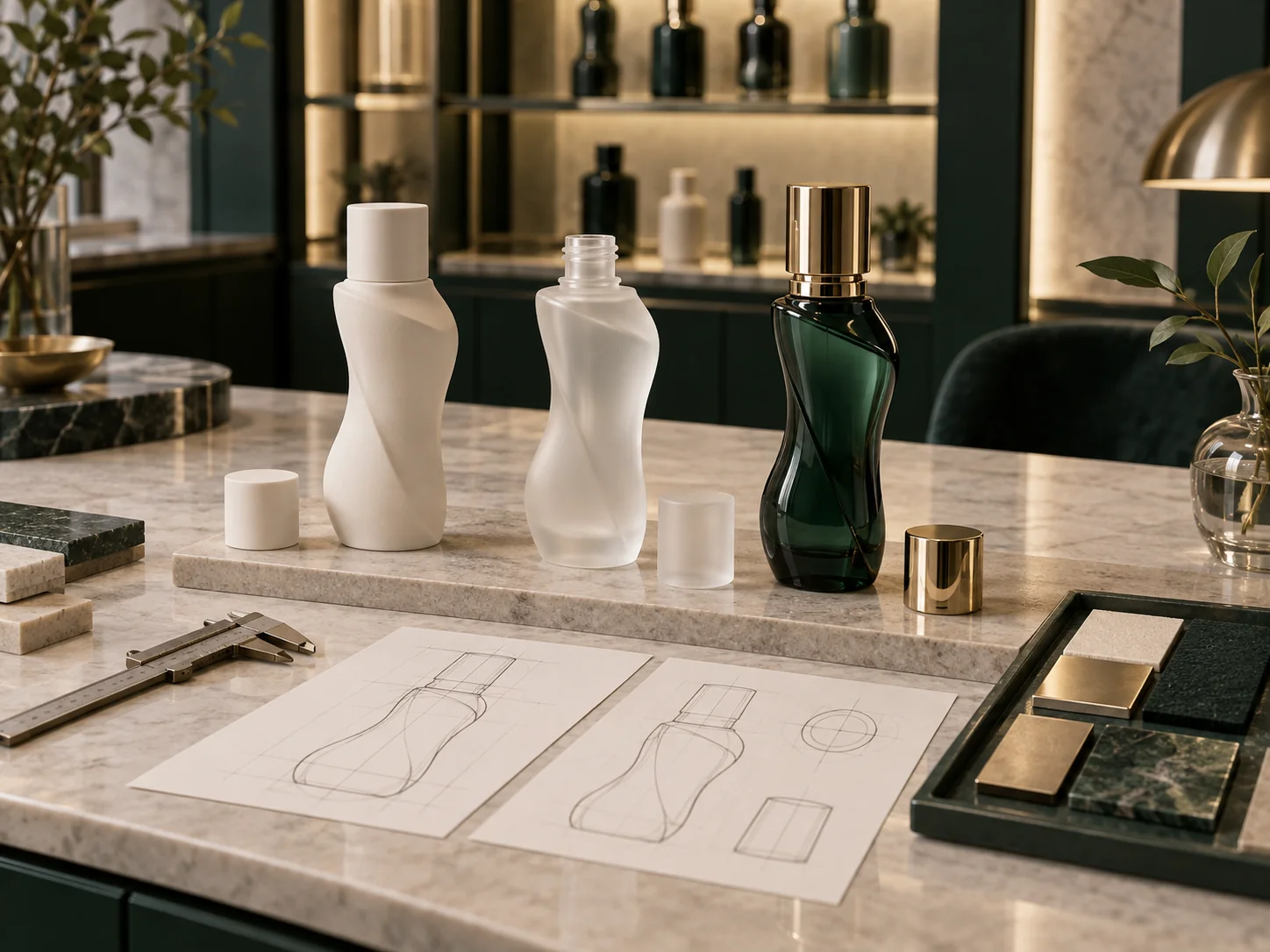
Your packaging choices
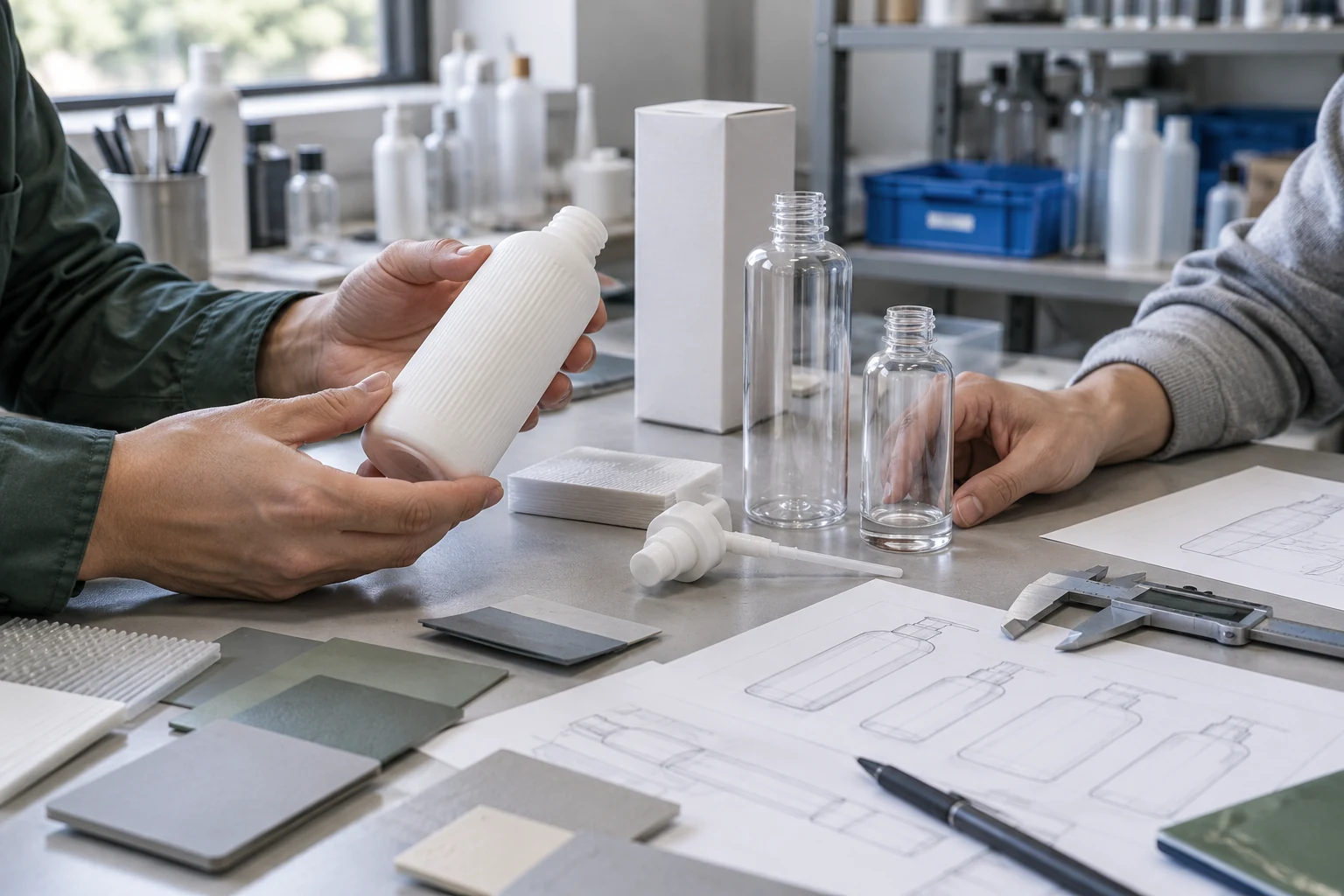
Check the selected material, content basis and representative appearance sample.
Review the retained and replacement parts with the intended reuse routine.
Compare the complete pack, including any change in protective packing.
Consider closure, label and decoration with the destination-market collection system.
Compare options in their intended use
Compare material trade-offs and the checks needed for the intended use.
READ THE GUIDECompare material trade-offs and the checks needed for the intended use.
READ THE GUIDECompare material trade-offs and the checks needed for the intended use.
READ THE GUIDECompare material trade-offs and the checks needed for the intended use.
READ THE GUIDECompare material trade-offs and the checks needed for the intended use.
READ THE GUIDECompare material trade-offs and the checks needed for the intended use.
FROM LEARNING TO A PROJECT
Review the material route alongside performance and evidence requirements.
EXPLORECompare material and refill options. Confirm performance and evidence for the chosen specification.
EXPLOREReview the material mix, decoration and separable components against the destination market.
PREPARE THE BRIEF
Download the project brief and review checklists, then bring the relevant drawings, formula category and samples to the discussion.
Get the checklistsA sustainability discussion is more useful when the objective is clear. You may want to introduce recycled content, reduce packaging weight, create a refill experience or simplify the range of materials in an assembly. These are different development questions. PauPack helps compare them against the product, presentation and practical requirements instead of treating one material or claim as the answer for every project.
Begin with the existing or proposed pack as a whole. The bottle, pump, cap, label, coating, carton and insert can each affect the design decision. A change that looks straightforward at the container level may introduce a new requirement elsewhere. The resources in this section help you identify those connections before selecting a route.
The material is part of the brand experience as well as the specification. Transparency, color, feel and decoration should be considered alongside how the pack will be filled and used. If a change to recycled content or construction affects the desired appearance, a physical reference can help establish an acceptable direction. The right discussion is about the selected material and pack, not a generic promise that every option will look the same.
For refill concepts, consider both the durable component and the replacement unit. How does the user open the pack, remove or replace the refill and identify the correct combination? Which parts remain in use? These questions connect the sustainability idea with the actual user experience and the assembly that needs to be evaluated.
Descriptions such as recycled, recyclable and refillable refer to different characteristics. Keep the proposed claim connected to the relevant component and supporting information. A document for one material or production route does not automatically describe every finished pack. PauPack can discuss the documentation needed for the selected option and the questions to raise during development.
The intended market also provides context. Collection and processing arrangements, product use and brand communication may differ between destinations. Rather than choosing a universal statement at the start, build the packaging specification first and assess the proposed wording against the actual design and available evidence.
Compare the shortlist through the details that matter to your brand: the finish, assembled appearance, handling and suitability for the product. Record what each sample represents and which questions remain open. This gives the development team a practical basis for deciding whether a proposed change supports the wider project.
Explore the linked PCR, refillable, lightweight and material-design pages for more focused guidance. If your current pack already exists, share its component list and the improvement you want to achieve. PauPack can help review potential routes while keeping the design, production and supporting packaging connected.
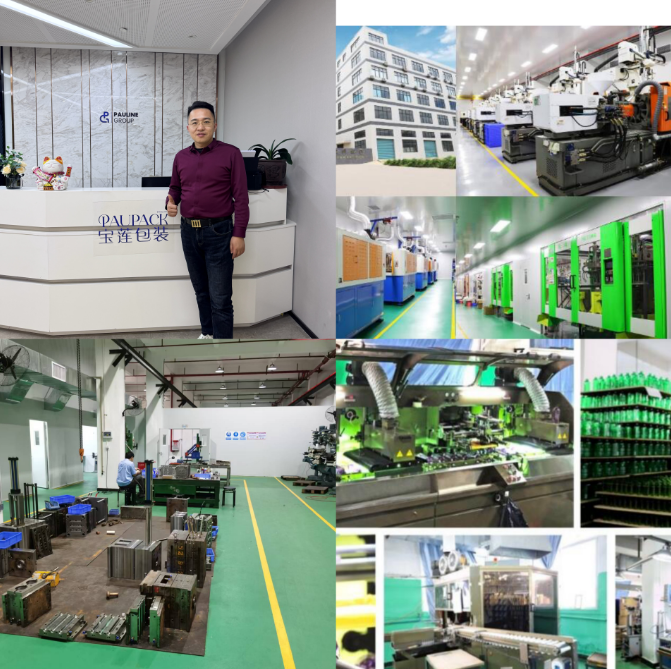
People behind your packaging
Since 2013, PauPack has combined manufacturing and trade services for packaging projects. Investment in four factories supports our work across bottle development, production and complete packaging coordination.
Explore our history ↗
Customer feedback
“Their attention to detail, from material selection to final finishing, ensures our products always stand out on shelves.”
Claud** Wagn** · Watsons
Published in PauPack’s customer feedback
Questions & answers
Define the objective first: recycled content, a refill system, less material or a clearer separation route. Compare the actual component mix, formula requirements, appearance and available evidence. Choose wording that describes the selected package rather than a broad environmental promise. Sustainable Packaging →
CONTINUE YOUR PROJECT
YOUR NEXT STEP
Share the product use, target size, material direction, estimated quantity and launch needs. Choose the route that matches the information you have today.
For a new form, custom tooling, decoration or a coordinated packaging system.
CHECK A REFERENCEFor a bottle, pump, cap or assembly that needs a fit and performance review.
COMPARE OPTIONSFor a selected product family and an initial commercial discussion.