Existing design
Check the available capacity, material and closure before choosing the decoration.
PAUPACK / RESOURCES
Compare packaging options on the same basis: your product, selected components, finish, quantity and delivery condition. These guides help you choose between existing designs, decorated formats and custom development without losing sight of the complete pack.
Your packaging choices
Check the available capacity, material and closure before choosing the decoration.
Identify the shape or function that requires engineering or new tooling.
Separate quantities by size, color and artwork and include supporting packaging.
Choose the review that will resolve your next design or compatibility question.
Choose the commercial route
Compare stock, decorated stock and custom development before asking suppliers to quote.
Compare existing formats, decoration and a custom tooling route.
READ THE GUIDESeparate container, decoration, component and assembly requirements.
READ THE GUIDEUnderstand which specification and process decisions change the quotation.
READ THE GUIDEUse the guide to prepare the next product selection or development discussion.
FROM LEARNING TO A PROJECT
PREPARE THE BRIEF
Download the project brief and review checklists, then bring the relevant drawings, formula category and samples to the discussion.
Get the checklistsChoosing packaging becomes easier when the questions are asked in the right order. Start with the product, the way it will be used and the role the pack needs to play for your brand. A treatment serum, a cream and a home-fragrance product may share a visual style while requiring different containers and closures. The guides in this collection help you separate those functional choices from decisions about color, decoration and presentation.
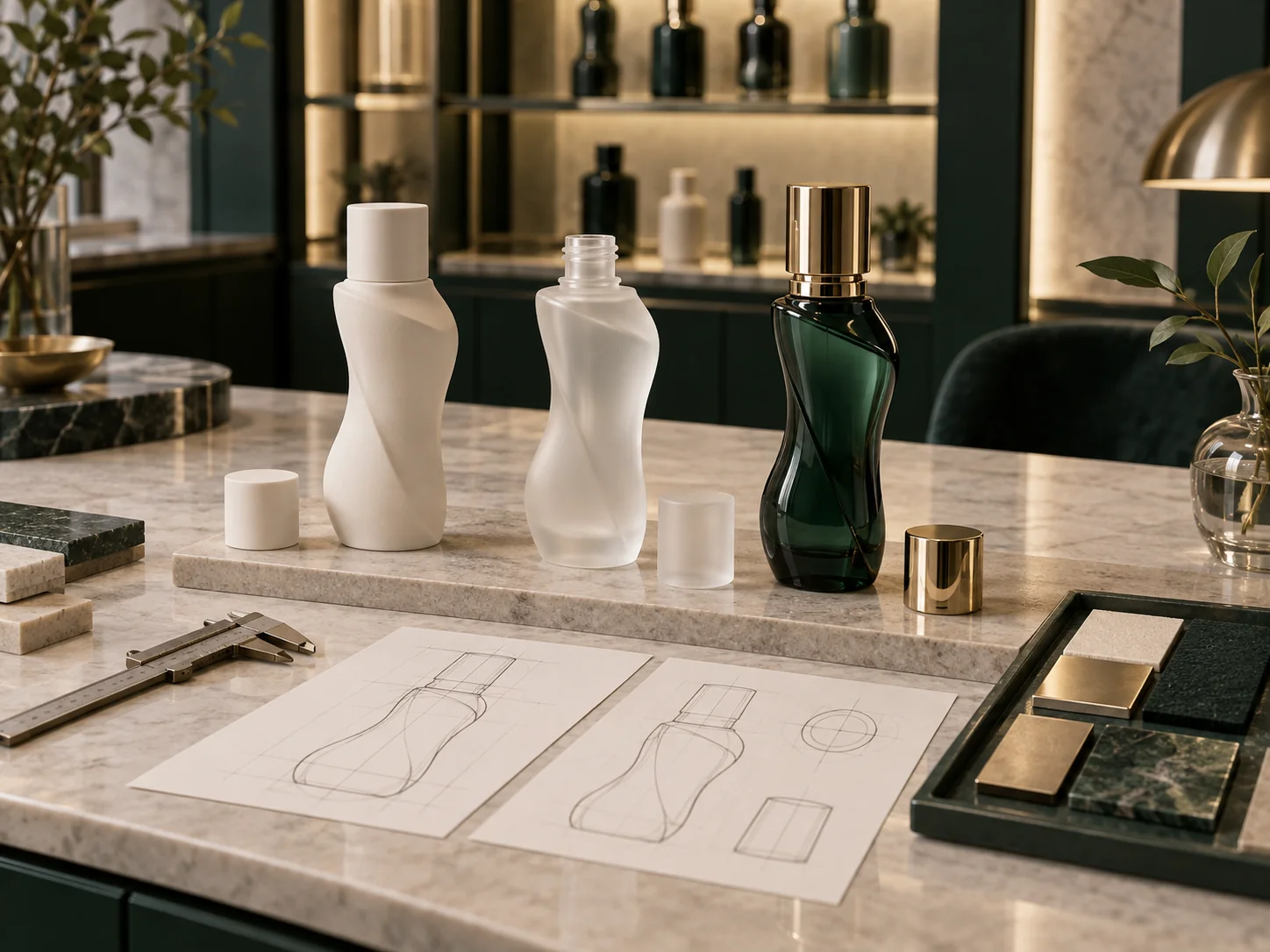
Your starting point can be an existing design, a modified design or a new development. An existing format may allow more of the budget to go toward decoration or the supporting box. A new form may be valuable when the silhouette or component arrangement is central to the brand concept. Read the route comparison before deciding that every distinctive pack needs a new mold.
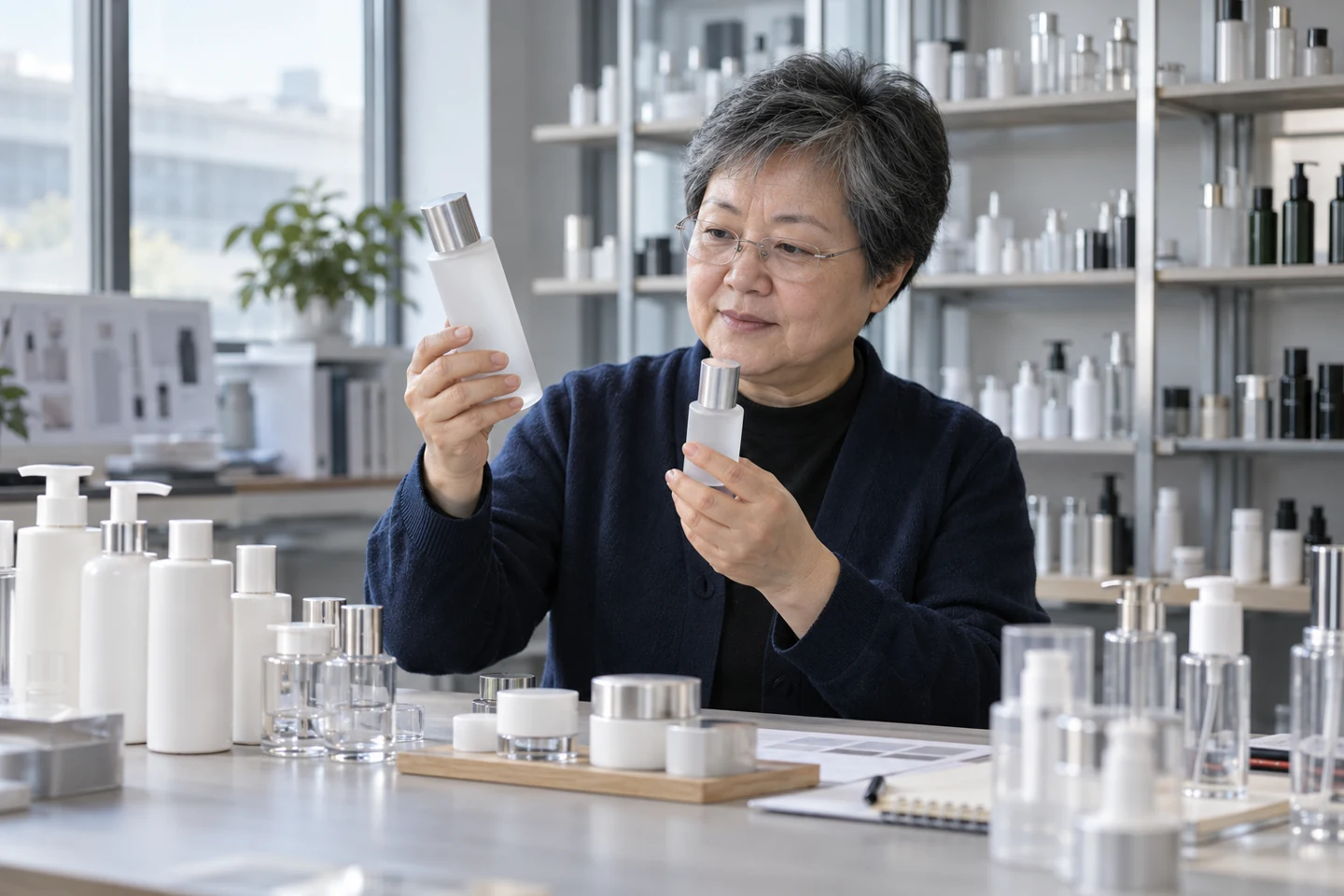
When reviewing options, keep a short list of the information that changes the decision. This may include material, intended fill, closure type, overall dimensions, decoration and how the goods will be supplied. A beautiful image can establish the look you want, but it does not show all of those details. Use the guides to identify what you know already and what needs a sample or a conversation with the project team.
Costs also need a consistent scope. Compare the bottle, closure, decoration, box and any assembly together, and distinguish initial development from repeat production. The lowest individual component price may not describe the most suitable overall route. PauPack can discuss the alternatives in the context of your quantity, target presentation and launch plan, so the comparison is relevant to the work you actually need.
Once the shortlist is clear, the next question is what the sample should demonstrate. A visual prototype may help review shape and proportions. An assembled component sample may be used to examine fit, handling and the dispensing experience. A decorated reference may be needed to judge the finish. These are related steps, but each answers a different question and should be described accordingly.
Share the outcome you need from the sample review rather than simply asking for something similar to a photograph. That gives the team a clearer basis for selecting the reference and organizing the next stage. Where formula or filling compatibility matters, involve the people responsible for that evaluation so the packaging review fits into the wider product-development plan.
Use a single project brief to connect your references, selections and open questions. The brief can evolve: an initially undecided material may become a shortlisted option, and a proposed finish may become an approved sample. Record those changes so a later conversation does not return to an outdated assumption.
The related product collections and resources on each guide give you a route forward. Explore the packaging family that fits your product, read the relevant engineering topic and then bring the remaining decisions to PauPack. Our role is to help turn a collection of ideas into a coordinated specification for the bottle, components and supporting packaging.
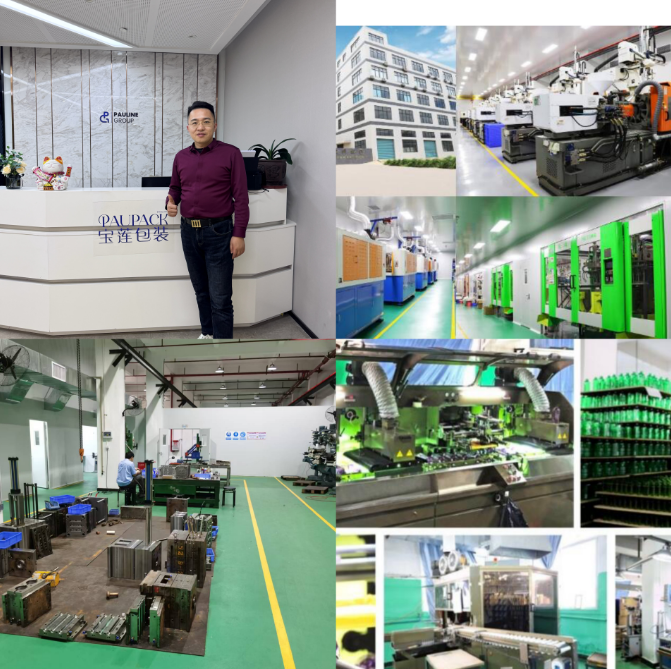
People behind your packaging
Since 2013, PauPack has combined manufacturing and trade services for packaging projects. Investment in four factories supports our work across bottle development, production and complete packaging coordination.
Explore our history ↗
Customer feedback
“Their attention to detail, from material selection to final finishing, ensures our products always stand out on shelves.”
Claud** Wagn** · Watsons
Published in PauPack’s customer feedback
Questions & answers
Begin with stock versus custom development to decide how much differentiation needs new tooling. Then compare materials and dispensing formats for your formula. Use the complete-pack checklist to bring the bottle, closure and box into the same brief before requesting detailed quotations. Stock Vs Custom Bottle Packaging →
CONTINUE YOUR PROJECT
YOUR NEXT STEP
Share the product use, target size, material direction, estimated quantity and launch needs. Choose the route that matches the information you have today.
For a new form, custom tooling, decoration or a coordinated packaging system.
CHECK A REFERENCEFor a bottle, pump, cap or assembly that needs a fit and performance review.
COMPARE OPTIONSFor a selected product family and an initial commercial discussion.