Contents and fill
Describe the product, fill volume, temperature and process used by your production team.
Select bottles and jars around your contents, filling process and the way the product is served. PauPack coordinates the container, closure, label area and protective packing for the selected food or beverage application.
FROM INDUSTRY TO A FORMAT
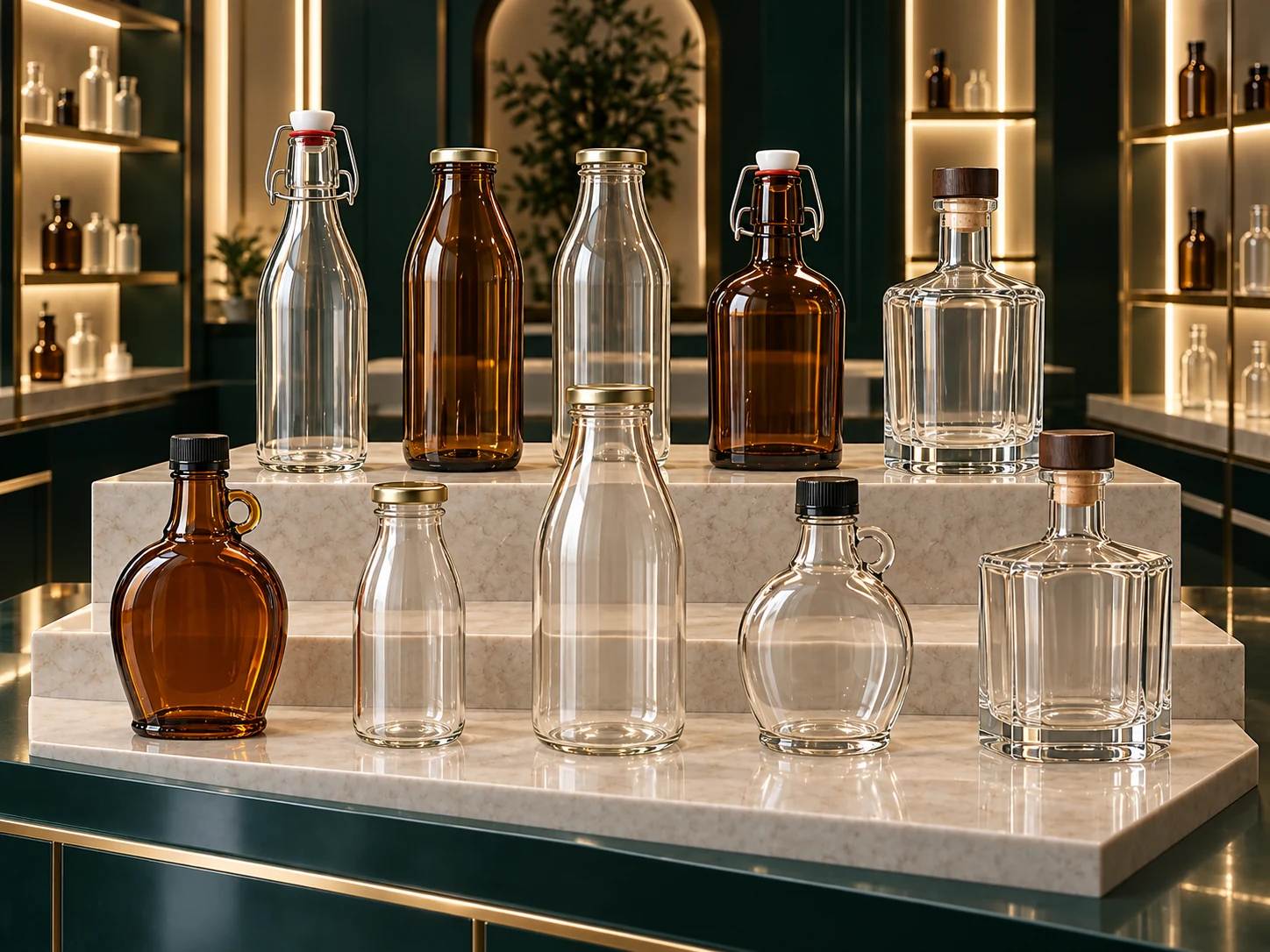
Explore bottles and jars for food and beverage packaging projects, with application, opening, packing and quality-route guidance for brands.
PRODUCT & APPLICATIONCompare glass formats, closure interfaces and decoration options for your product.
PRODUCT & APPLICATIONExplore the materials, components and production services that fit your product.
Your packaging choices
Describe the product, fill volume, temperature and process used by your production team.
Compare a pouring neck or wide opening with the required cap, liner and tamper arrangement.
Include storage conditions, opening frequency and the way the contents are dispensed.
Review usable label space and the protection needed through distribution.
Component fit, formula contact, decoration and distribution conditions should be reviewed together.
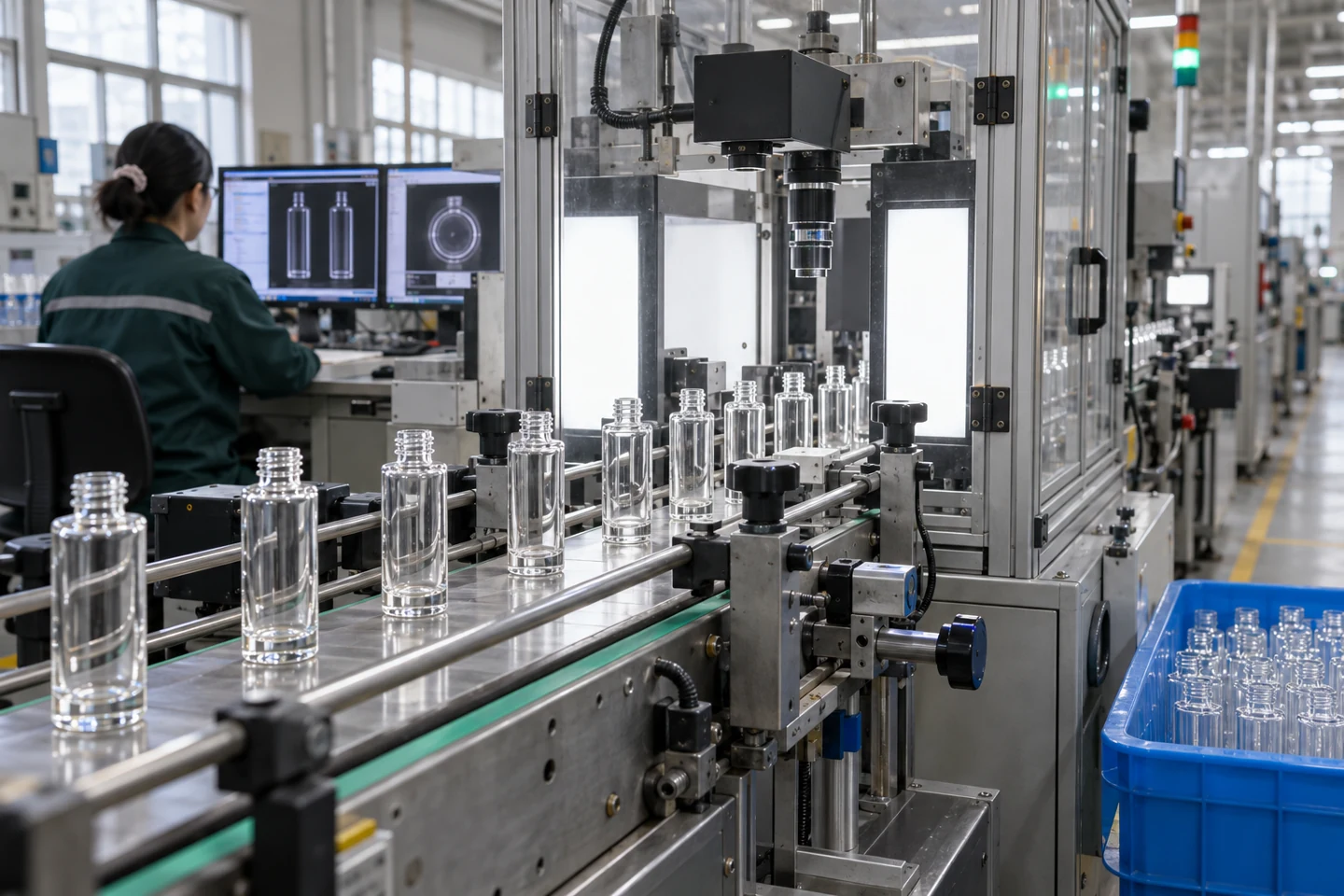
Review the selected container and closure as an assembly. A jar that suits one filling process is not automatically suitable for another, even if the capacity and appearance are similar. Bring your filling conditions and documentation requirements into the sample discussion. Decoration, packing and the intended distribution route can then be developed around the container that fits your product.
Food and beverage packaging needs to work with the product and the filling process before the decoration is finalized. PauPack starts with the intended contents, container format, closure and handling conditions. Share how the product will be filled and stored, along with the requirements established by your production team. This gives the packaging selection a practical foundation while the brand presentation is developed.
The container opening, closure and overall shape should suit the way the product is used. A beverage bottle, a jar for a spoonable product and a pouring format create different experiences. We can discuss available designs and custom options in that context, rather than selecting the same bottle family for every food project.
For a collection, consistent labels, colors and proportions can connect several products without making every container identical. Consider the amount of usable decoration space and how the pack will look when filled. The selected closure and any visible seal also contribute to the finished appearance. A complete sample provides a useful reference for reviewing these details together.
The outer packing deserves attention alongside the retail pack. Describe the intended distribution route, how the goods will be received and any packing requirements from the filling or logistics team. PauPack can coordinate the container, closure, decoration and supporting packaging into one project scope. Product suitability and relevant documentation are reviewed for the selected material and intended use.
People behind your packaging
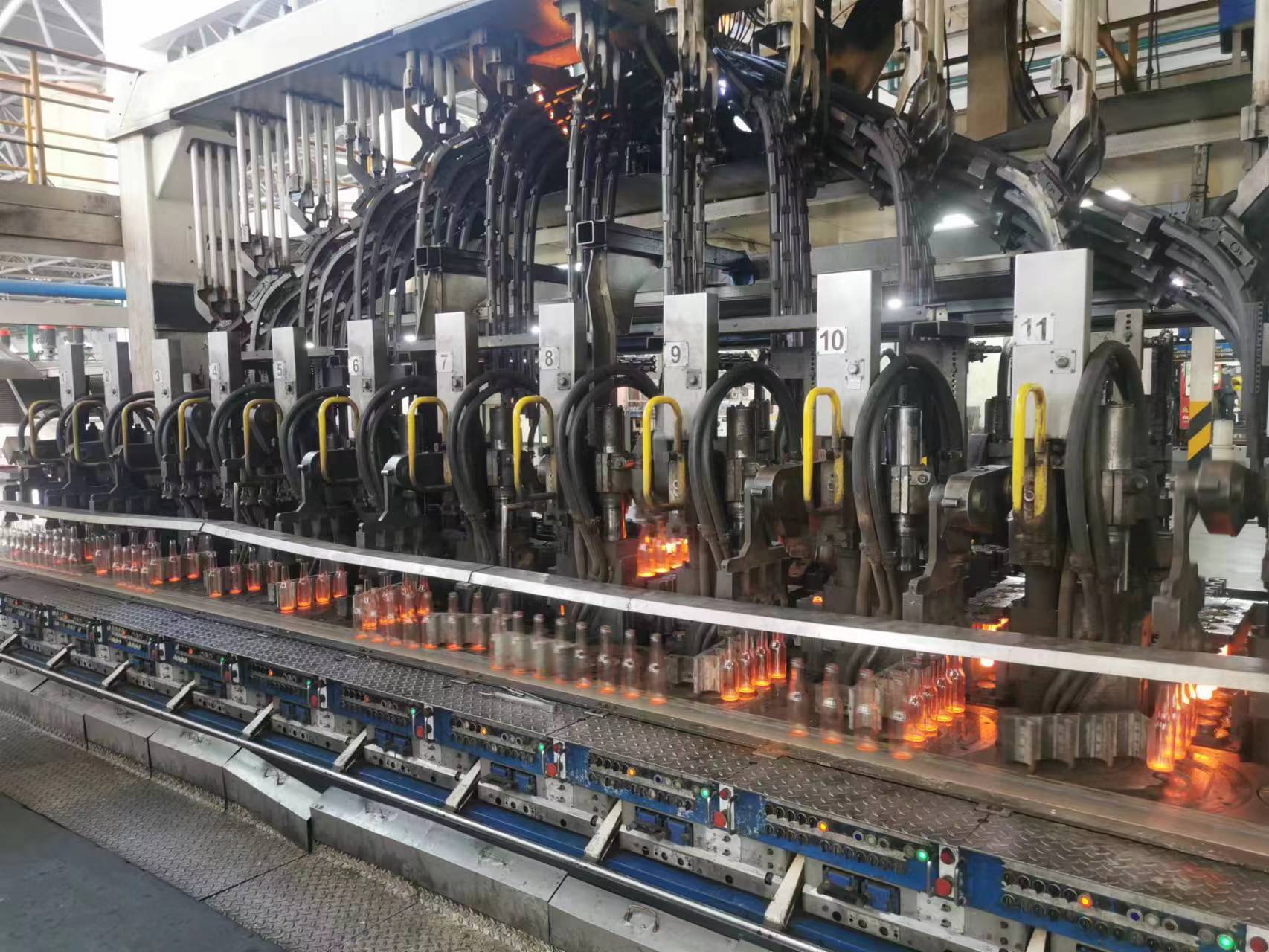
Since 2013, PauPack has combined manufacturing and trade services for packaging projects. Investment in four factories supports our work across bottle development, production and complete packaging coordination.
Explore our history ↗
Customer feedback
“Their attention to detail, from material selection to final finishing, ensures our products always stand out on shelves.”
Claud** Wagn** · Watsons
Published in PauPack’s customer feedback
Packaging questions
Glass and plastic choices influence weight, transparency, label area, printing, transit protection and the intended brand position. Decoration must be reviewed with handling and packing conditions so the supplied finish remains appropriate for the delivery route.
The commercial threshold is generally set by the selected container, closure, color, decoration process, label or carton. A clear quotation identifies the highest-minimum element and the approvals required before production scheduling can begin.
Share your product, filling process and destination market so the material and test documentation can be matched to your selected container and closure. Review the exact assembly with your product team before approving it for use.
State the contents, fill volume, filling temperature and process, storage conditions and closure requirements. Include the documentation and checks required by your product team and market. Review the selected container-and-closure assembly; a familiar jar shape does not establish suitability for every filling process.
Review them while selecting the container, before fixing the artwork or order quantity. Check the opening, seal, application method and available label area on the actual sample. Keep filling, storage and distribution conditions with the specification so the finished pack can be assessed as a whole.
CONTINUE YOUR PROJECT
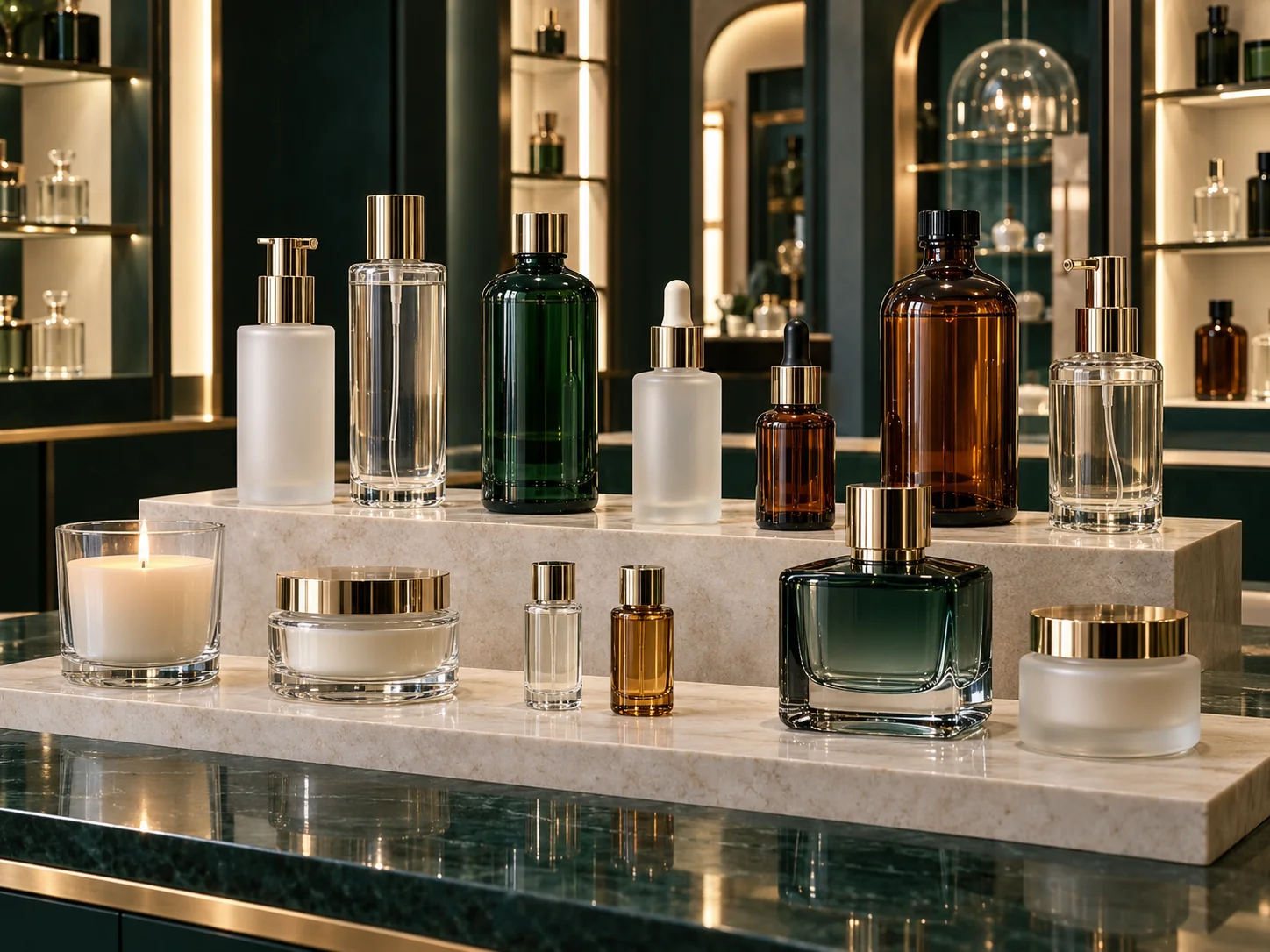
CONNECTED PROJECT STEPExplore bottles and jars for food and beverage packaging projects, with application, opening, packing and quality-route guidance for brands.
 CONNECTED PROJECT STEP
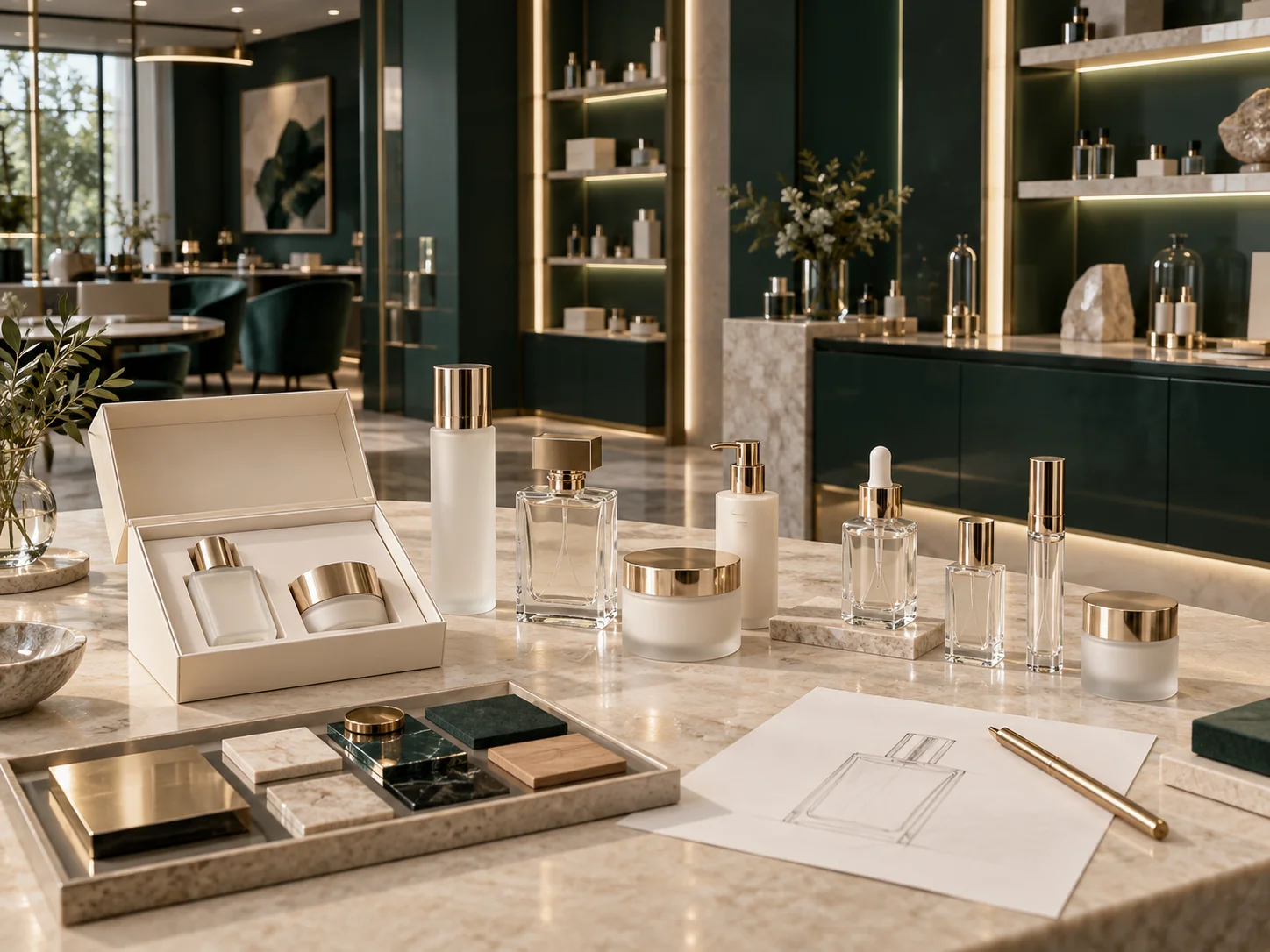
Compare glass formats, closure interfaces and decoration options for your product.
 CONNECTED PROJECT STEP
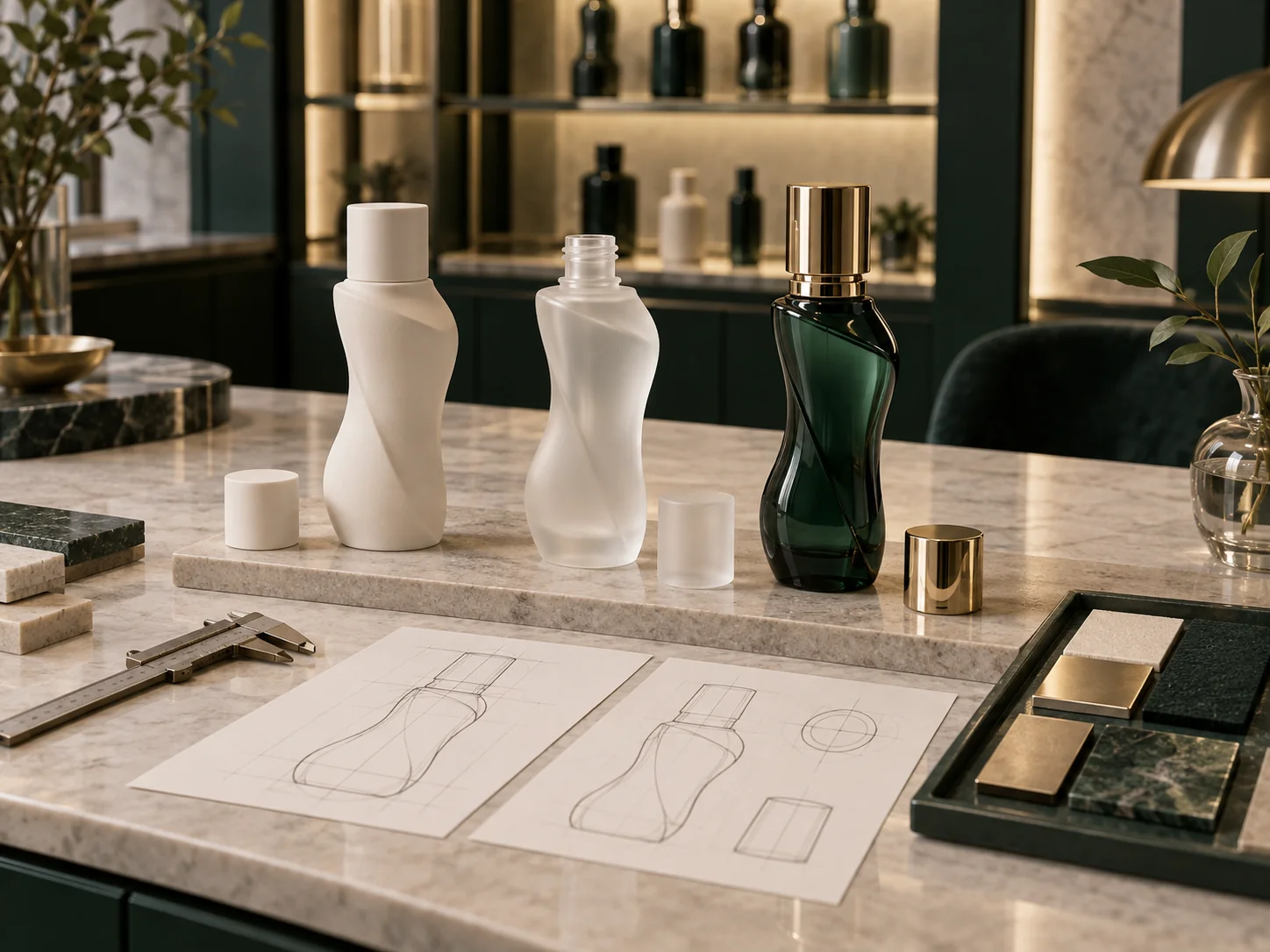
Explore the materials, components and production services that fit your product.
 PACKAGING GUIDES
Use the related guidance before confirming the next selection or sample.