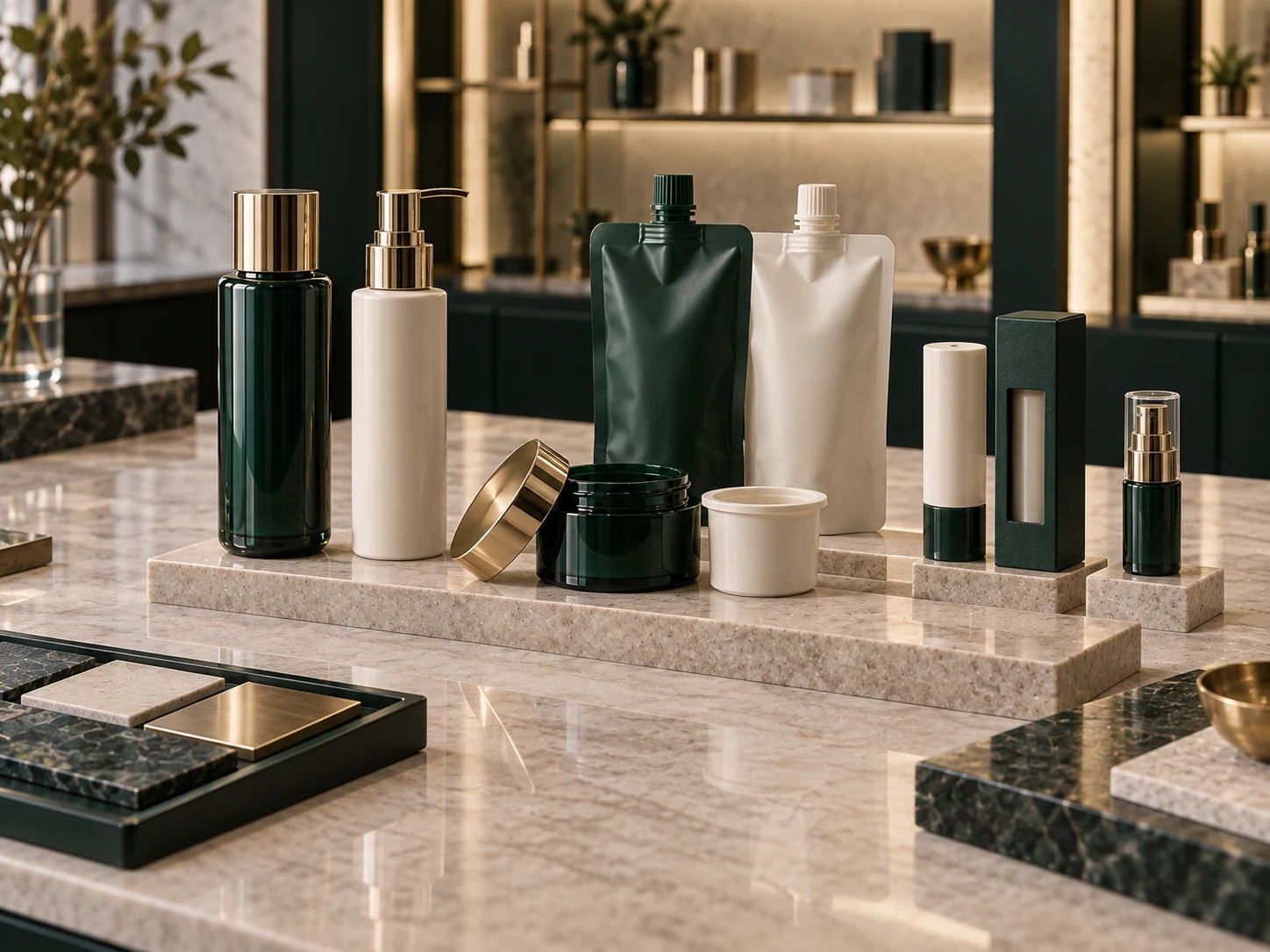
Use this guide to make the next packaging decision with confidence. It explains the options, the details to compare and how to turn an initial idea into a useful discussion with PauPack.
What is the right sustainable packaging route?
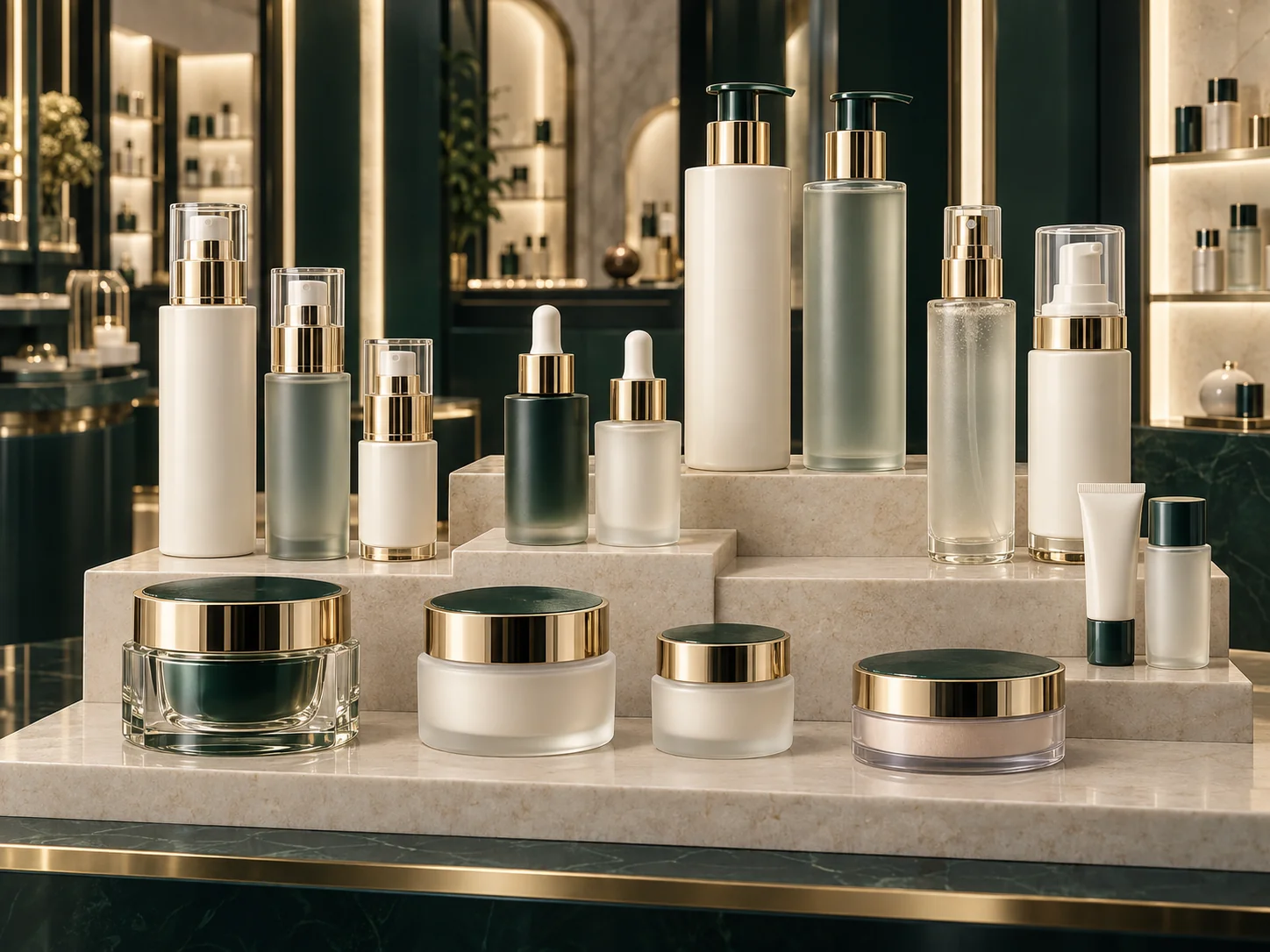
PCR, refillable and recycled-glass packaging are different material and system routes. Each needs to be assessed for appearance, component fit, availability, evidence and the intended customer experience before an environmental claim is published.
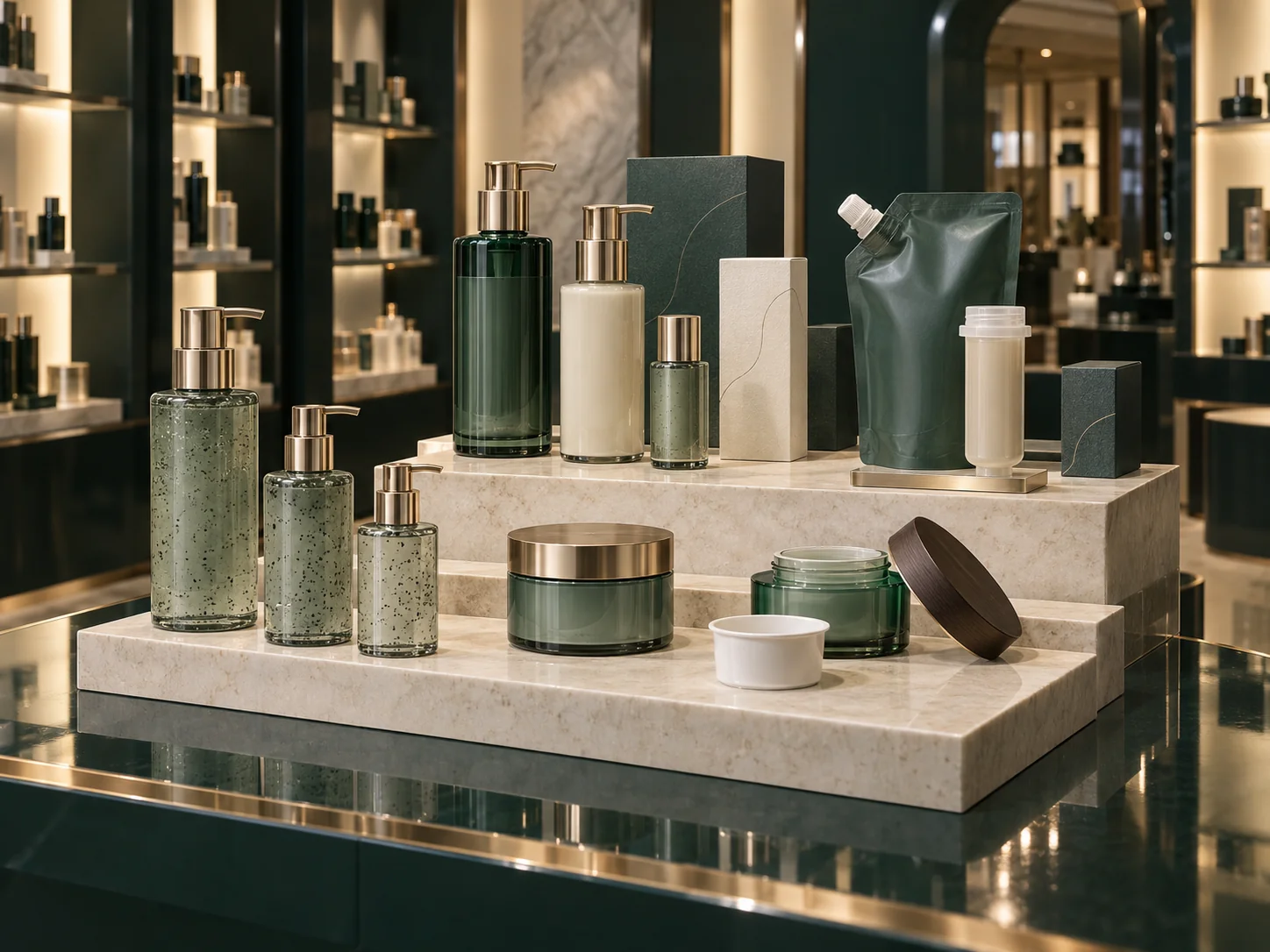 AI packaging concept for selection discussion; not a production or test record.
Your packaging checklist before the first supplier conversation
Use this checklist to make the first quotation comparable.
- Material direction and visible finish expectation
- Recycled-content or refill evidence required for the project
- Container and closure match, including replacement parts if relevant
- Target market and supportable claim language
- MOQ, supply continuity and sample-approval timing
PCR content changes more than a material line in a specification
PCR PET and PCR PE can support a recycled-content direction, but the project team should review the permitted color range, clarity, surface appearance, odor control, component match, available evidence and expected supply consistency. These factors can affect the final look and minimum order. The right briefing process treats PCR as a product-specific material decision rather than a generic badge.
A refill route depends on the full user and component experience
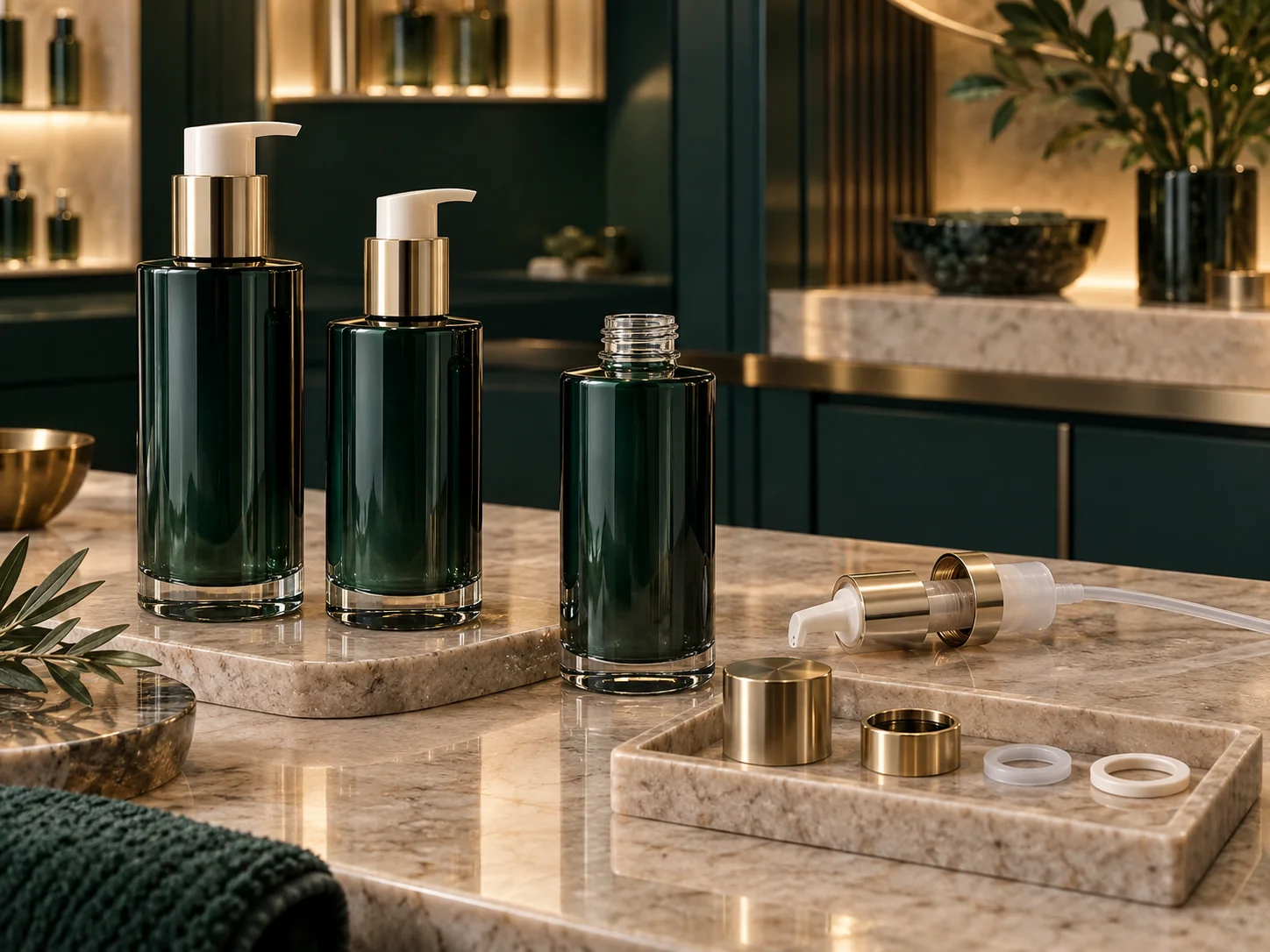
Refillable packaging can involve a durable outer pack, a replacement cartridge, a pouch or a bulk-replenishment route. Each option creates questions around opening, resealing, hygiene, dispensing, compatibility, label communication and the customer journey. your team should review the primary container and refill component together, then define how the consumer is expected to use, store and dispose of the system.
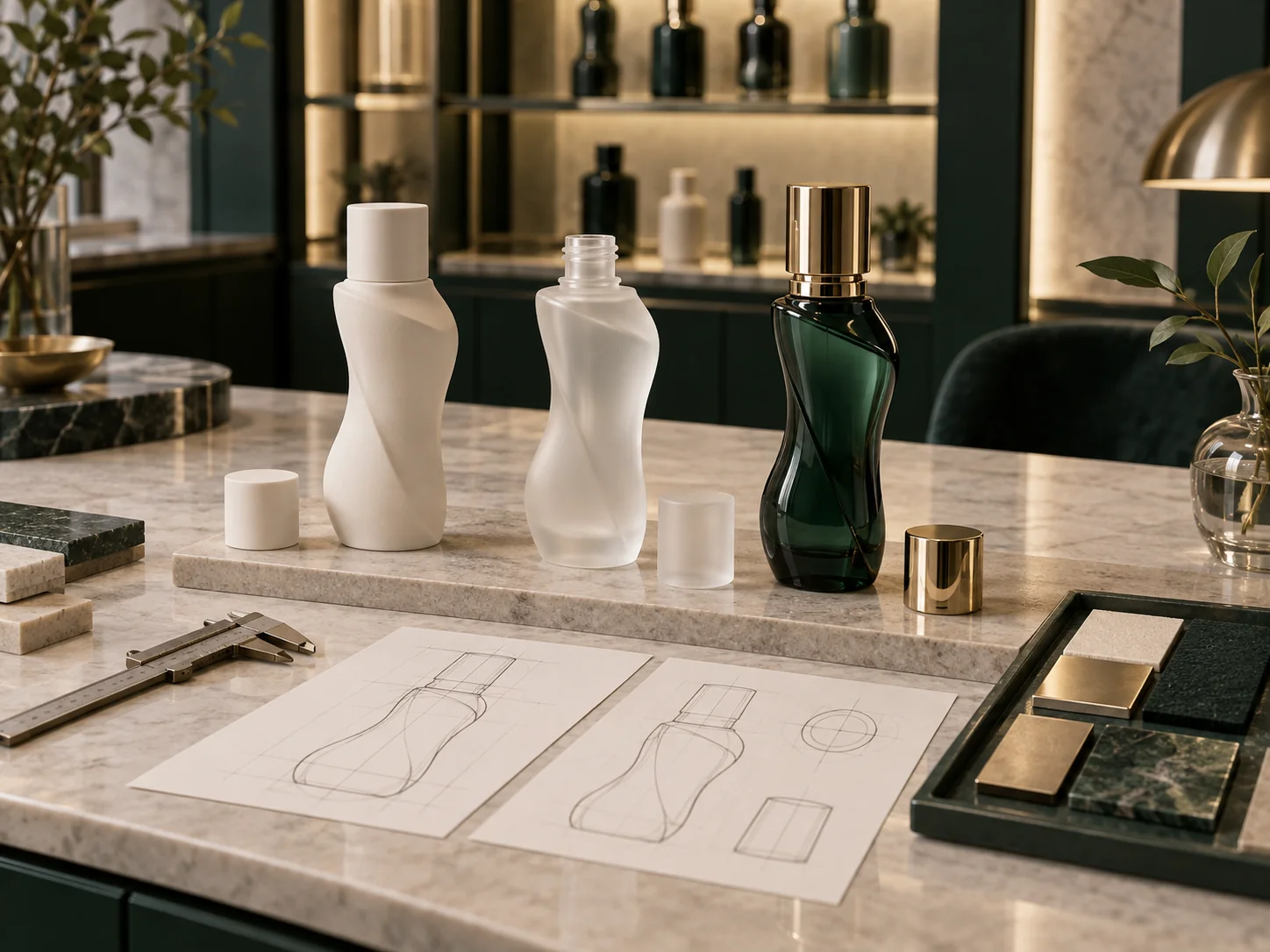
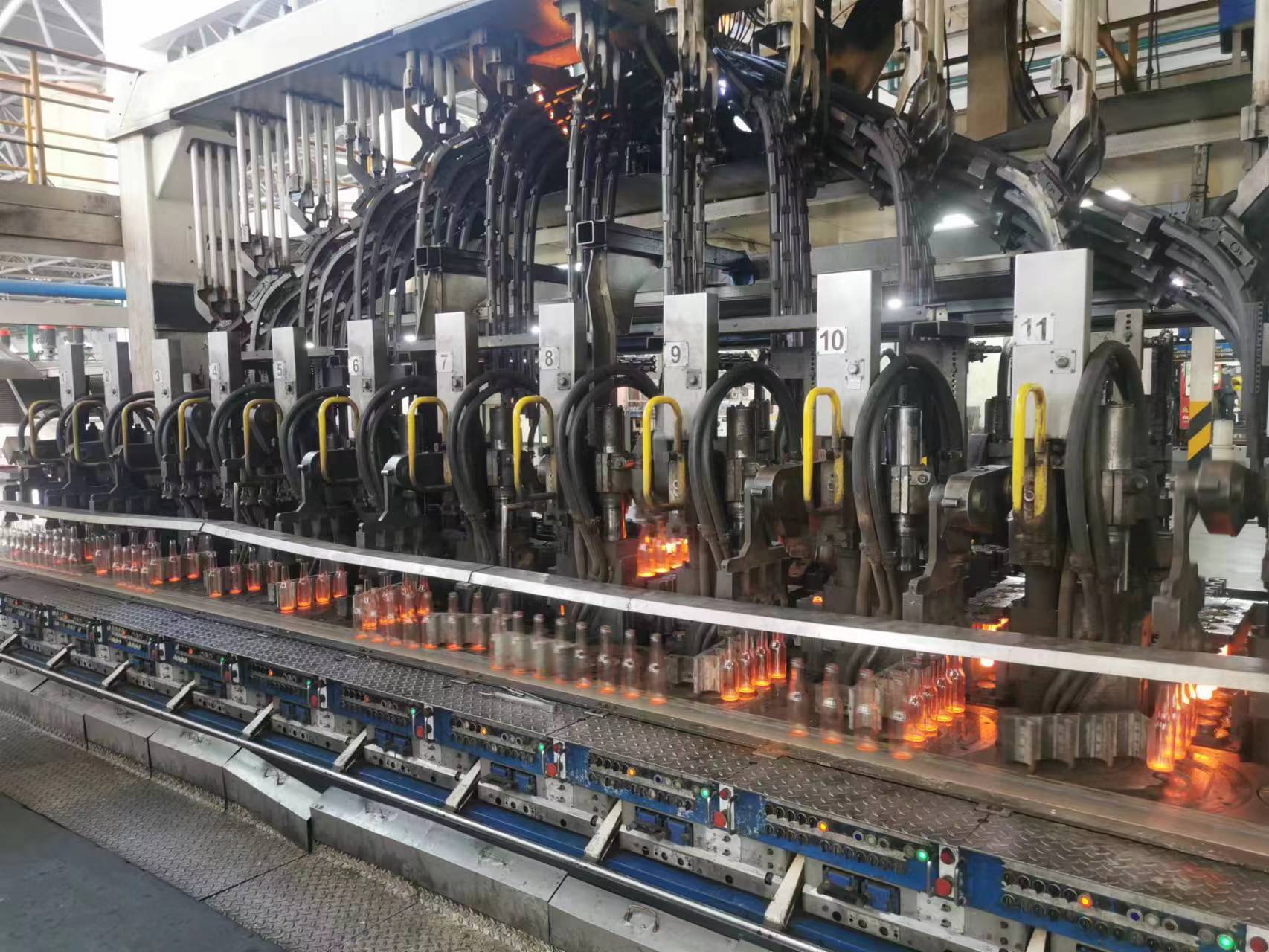 Use a product, component or project reference to keep design, sampling and production decisions connected.
Compare the realistic routes before committing.
| Decision point | Your priorities | Project control |
|---|---|---|
| PCR plastic | Recycled-content material route for selected bottle formats. | Review color, appearance, component fit and supporting documents. |
| Refill system | Durable outer pack plus replacement or replenishment route. | Review consumer use, hygiene, opening and component complexity. |
| Recycled glass | Glass route with a premium, durable presentation. | Review weight, color, transit protection and decoration. |
Move from research to a production-ready brief.
- 01Set the material and claim boundary.
- 02Review the container and component system.
- 03Approve the visual, use and packing reference.
- 04Keep project evidence with the final specification.
Recycled glass and lower-impact design still need an approved standard
Glass weight, color, finish and protective packing affect both presentation and shipment planning. Lightweight or recycled-glass routes need to be assessed against product use, intended luxury feel, transit conditions and decoration. Only publish sustainability language that is supported by the selected material route and current project evidence; environmental claims should be reviewed for the intended market before release.
Packaging FAQ
Questions to resolve before requesting a quote.
Which information makes the first quotation more useful?
Send the product use, capacity, material direction, component need, estimated quantity, visual reference, target market and requested arrival date. A sample, drawing or mood board helps the team compare practical routes.
Can PauPack review stock, decorated and custom options in one discussion?
Yes. The request should make clear which features are essential, which can be achieved through an existing platform and which may require custom development. Each option should state the component scope, sample gate, MOQ and timing assumptions.
What should be approved before commercial production?
Confirm the selected material, component combination, appearance reference, packing route, relevant quality criteria and the agreed commercial scope. The exact test and documentation requirements depend on the product and destination market.
Apply this guide to a real packaging project
Use the related pages below to move from research into a product selection, system discussion or project briefing route. Final compatibility, documentation, quality, MOQ and timing requirements are confirmed for the chosen model and market.