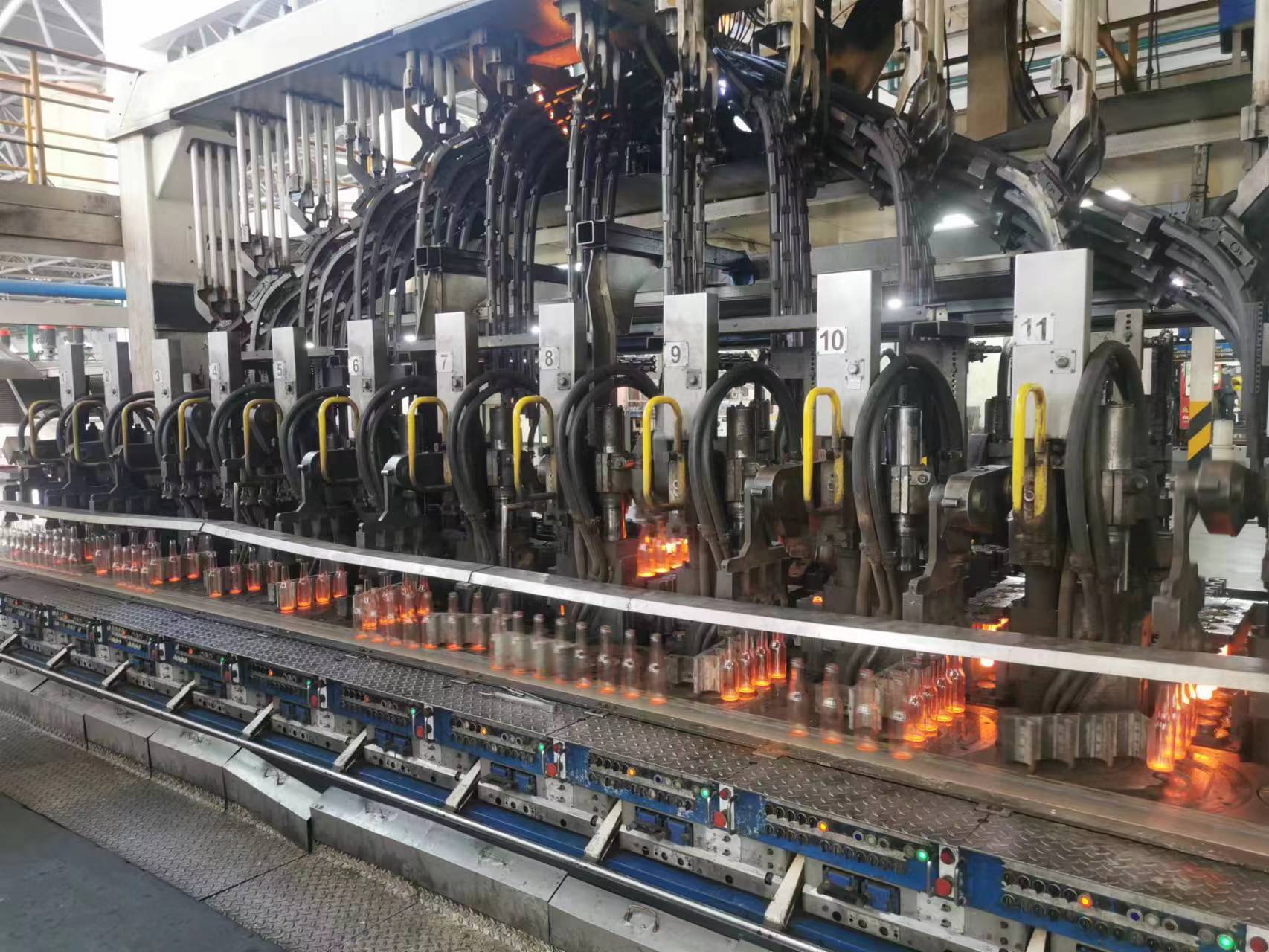
PCR PET
Consider this route when reviewing PET bottle formats with recycled content. Compare the proposed resin and bottle samples for clarity, tint and surface appearance. Keep the closure and decoration in view while setting the visual reference.
Post-consumer recycled packaging
Recycled content is a specification decision as well as a design choice. PauPack helps you compare PCR PET and PCR PE packaging around the bottle, its intended use, the visual standard and the information behind the material.
Start with the format and performance your product needs. Then agree the recycled-content scope and sample approval route.
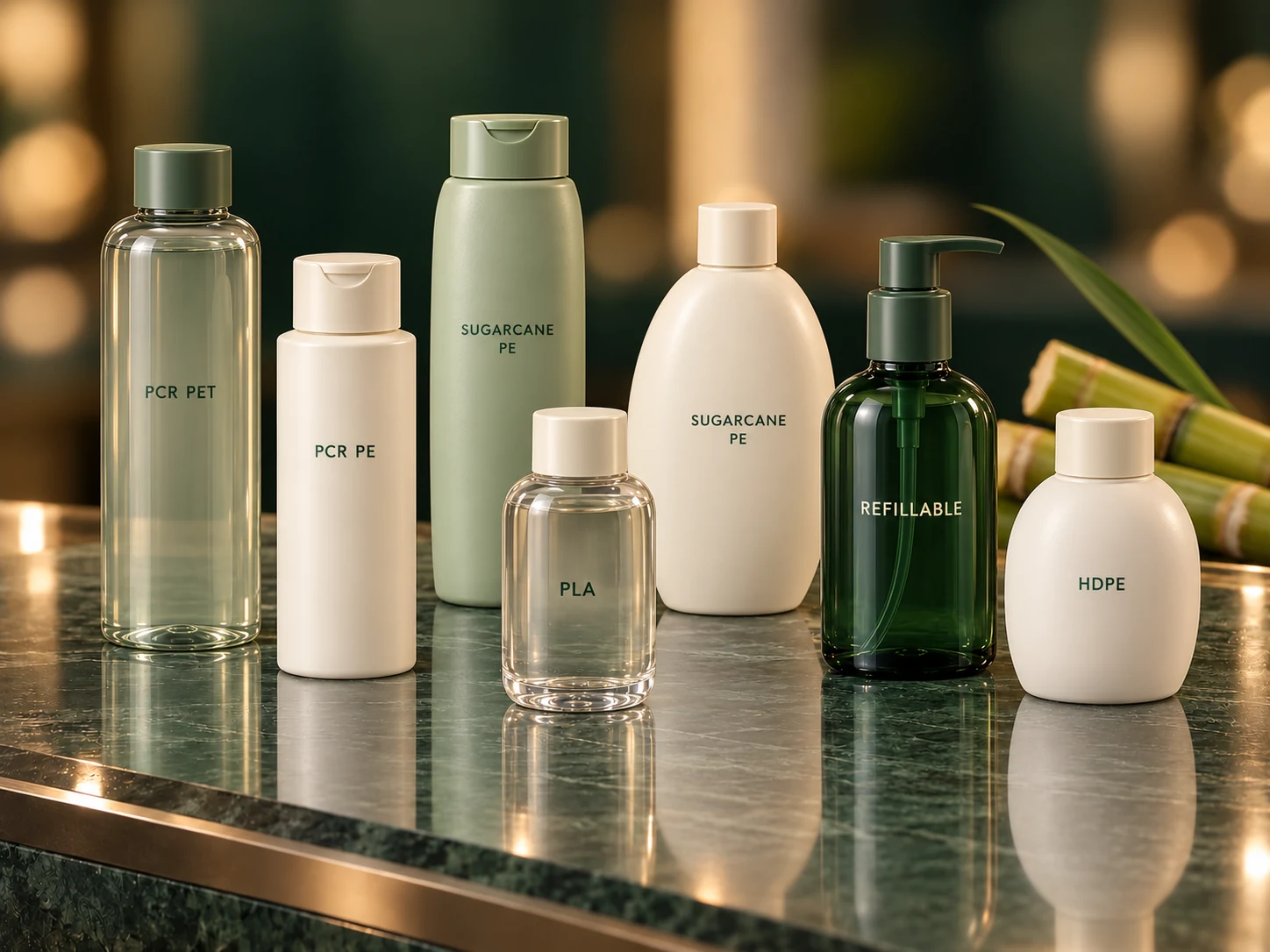
Know what the specification means
PCR refers to material recovered after consumer use. The percentage tells you about the specified material input; it does not, by itself, establish what will happen to the finished pack after use.

Consider this route when reviewing PET bottle formats with recycled content. Compare the proposed resin and bottle samples for clarity, tint and surface appearance. Keep the closure and decoration in view while setting the visual reference.
Review the selected PE bottle construction, feel and appearance against the intended personal-care or other use. Confirm the specific resin and recycled-content scope instead of assuming all PCR PE bottles share the same properties.
A PCR bottle does not make the pump, cap or label recycled. List these components separately. Review their materials and decorative treatments when assessing the whole pack’s recycling route in the destination market.
Compare the purpose of each route
| Route | What it focuses on | What still needs review |
|---|---|---|
| PCR packaging | Using a defined share of post-consumer recycled material. | The component covered, material evidence, appearance and product suitability. |
| Refillable packaging | Keeping an intended part of the package in use through refilling. | The refill method, repeated use, cleaning where applicable and consumer handling. |
| Sugarcane-based PE | A renewable feedstock route for the specified PE material. | Bio-based content evidence and the finished package’s end-of-life route. |
| Design for recycling | Making component choices compatible with an intended recycling stream. | The full assembly and relevant collection, sorting and recycling conditions. |
These routes can sometimes be combined, but each needs its own specification and evidence.
Start with a useful bottle format
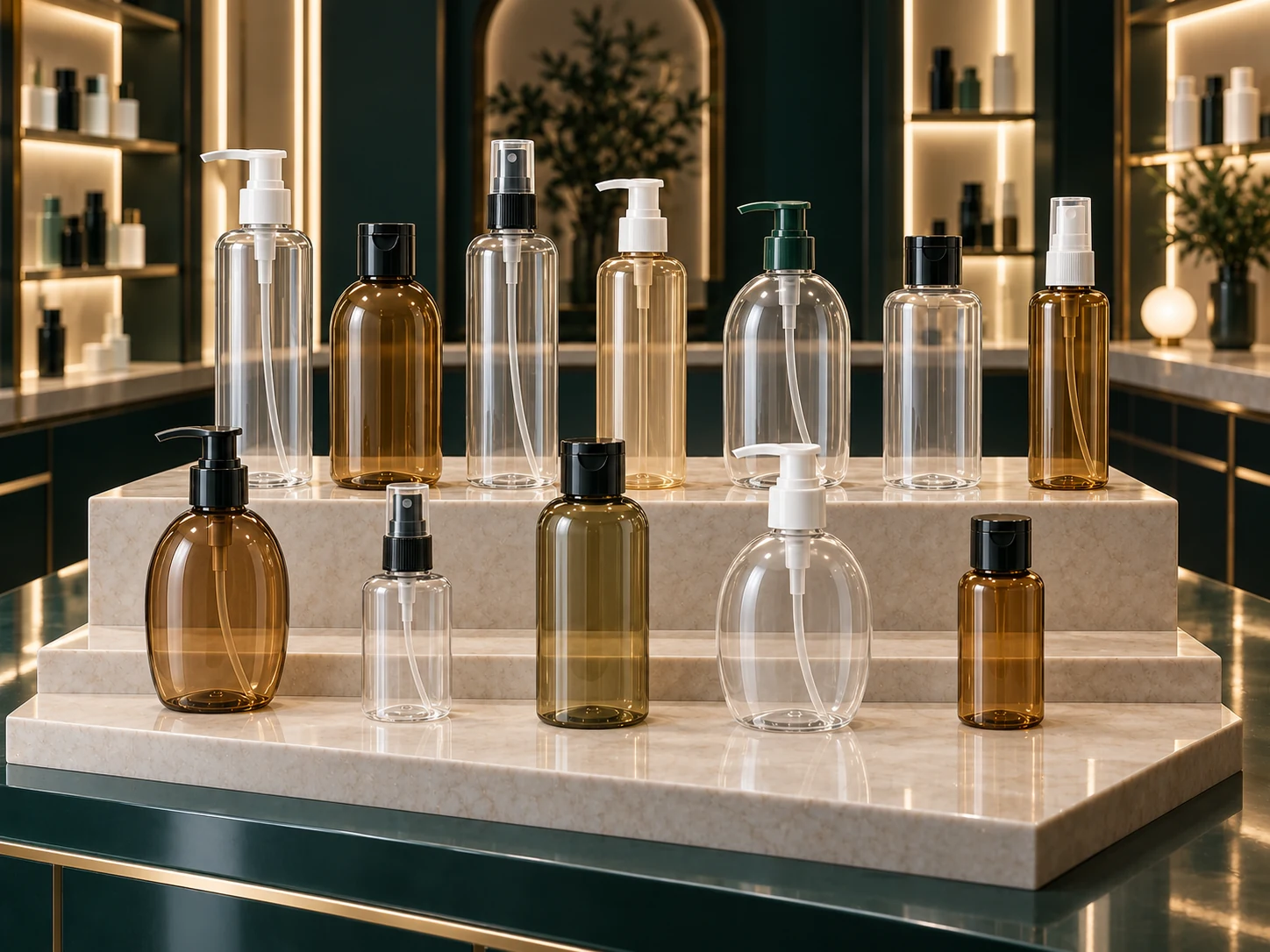
Compare bottle shapes and dispensing choices for the proposed collection. Check appearance beside the cap, label and other products in the range.
Explore cosmetic formats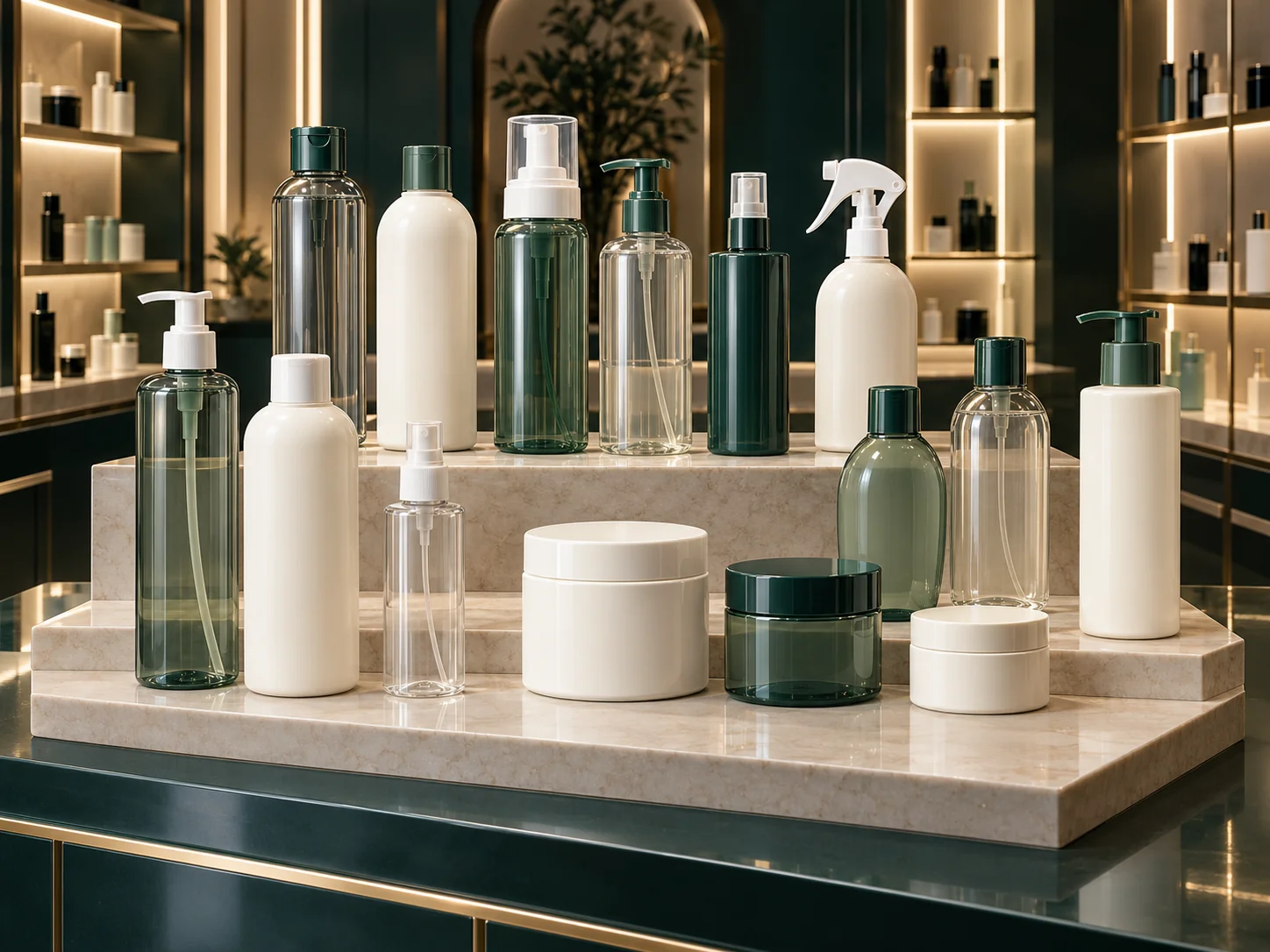
Review the material families and available constructions. Confirm suitability with the actual product and filling requirements before choosing a content target.
Compare material options
Use the existing bottle brief to discuss a PCR option. Include the dispensing function, handling requirements and any components that must stay fixed.
Review PE bottle formatsFormat illustrations and product archive images. Materials and final finishes are confirmed for the selected pack.
Samples before a visual promise
Compare representative samples of the proposed construction. Keep the material reference, recycled-content specification and approved appearance connected.

Record the resin, component, proposed recycled content and intended use. Include the destination market.
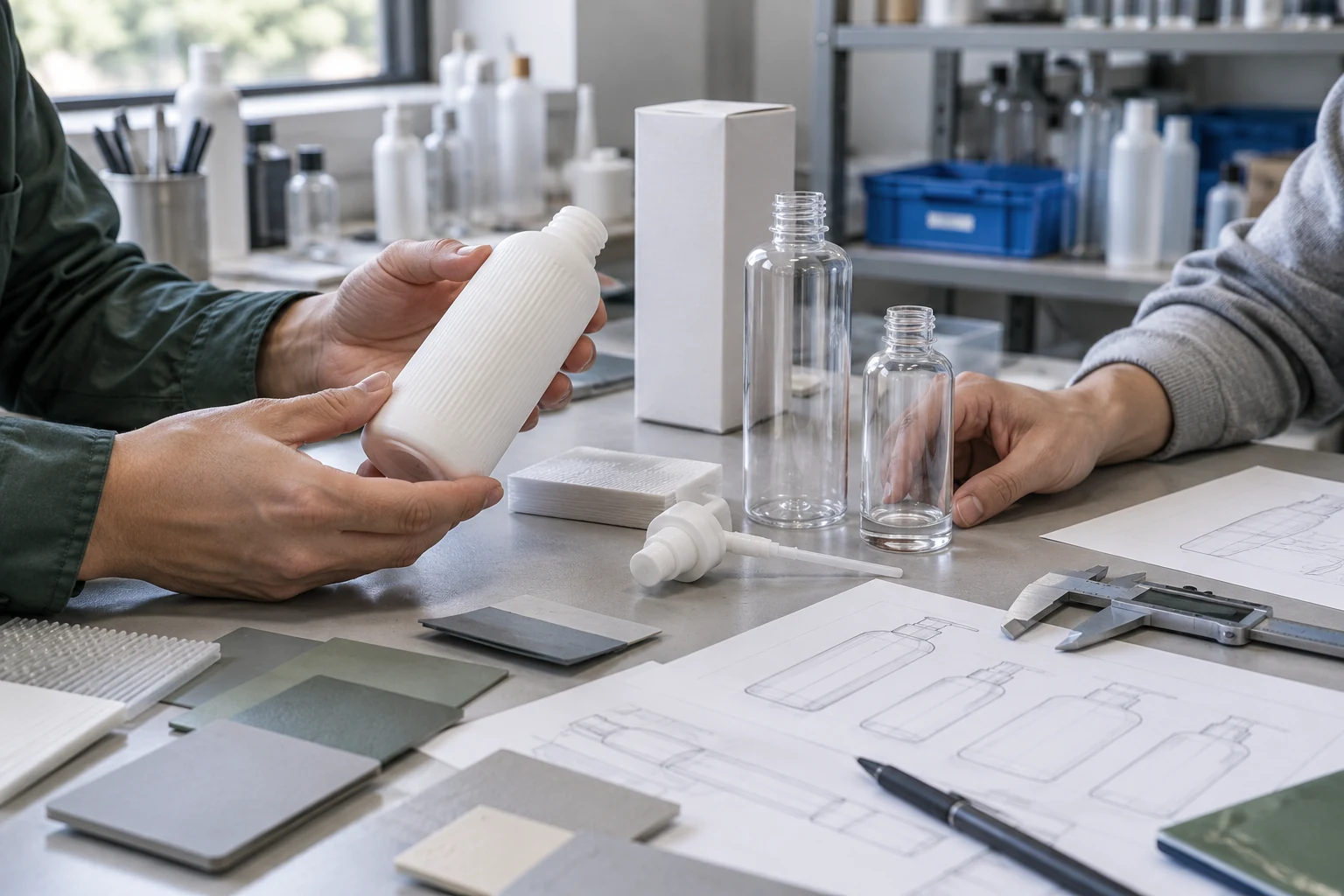
Compare tint, clarity and finish under consistent lighting. Agree the acceptable reference or range.
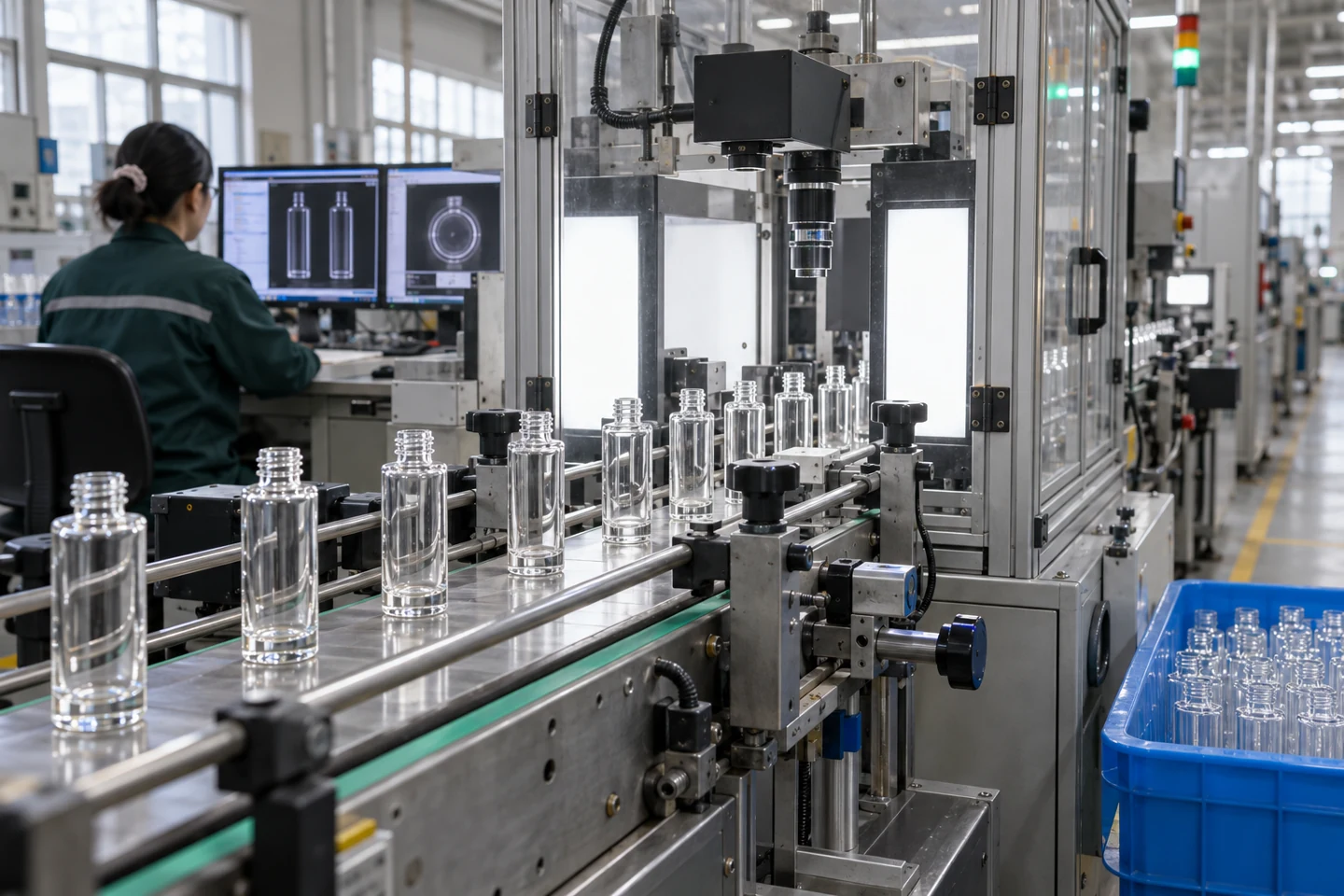
Agree relevant function, compatibility and filling checks with the teams responsible for the product.
Retain the material information and approval records that support the supplied component and its description.
AI process illustrations. Material content and performance require project-specific evidence.
Evidence that follows the material
Request the resin and component reference, the stated recycled-content percentage and the supporting traceability information available for the supply route. Check that the document applies to the item being ordered.
RecyClass explains how traceability supports recycled-content claims. Its packaging design guidelines address recycling compatibility separately. These are useful industry references, not a statement that every PauPack pack is certified.
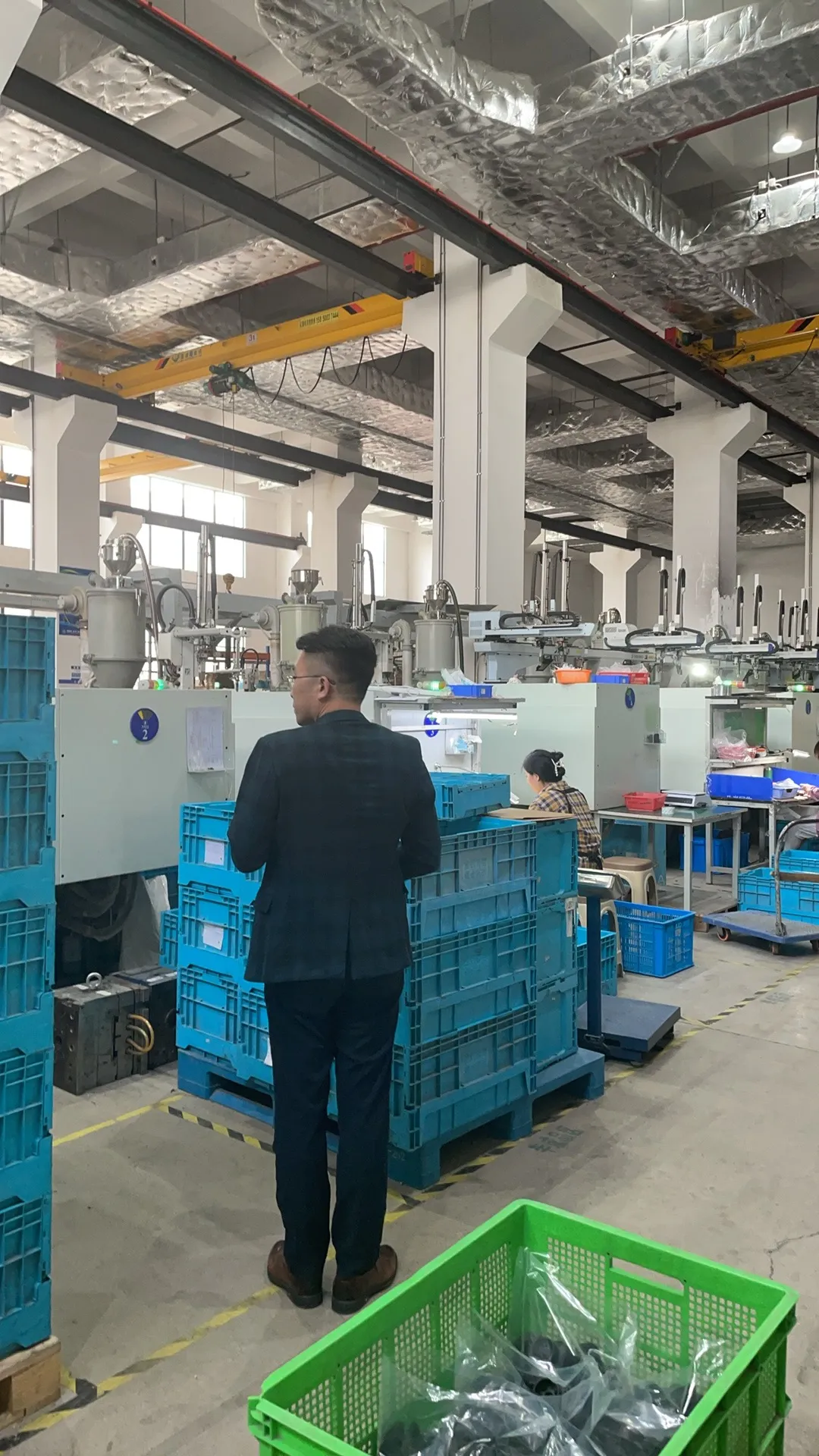
People behind your packaging
Since 2013, PauPack has combined manufacturing and trade services for packaging projects. Investment in four factories supports our work across bottle development, production and complete packaging coordination.
Explore our history ↗
Customer feedback
“Their attention to detail, from material selection to final finishing, ensures our products always stand out on shelves.”
Claud** Wagn** · Watsons
Published in PauPack’s customer feedback
PCR packaging questions
Compare representative samples of the proposed resin and bottle construction under consistent lighting. Set an accepted reference or range and view it beside the cap and label. Tie that approval to the specified material and recycled content.
No. State the component, resin and agreed content. Review the cap, pump, liner, label and box separately. Keep the description consistent with the components actually ordered and the evidence available for them.
Yes, include your target in the brief. Availability and suitability depend on the resin, bottle construction, use and supply route. Compare the proposed option through samples and supporting information before fixing the percentage in artwork.
No. Recycled content describes material input. Recyclability also depends on the bottle, closures, decoration and the relevant collection and recycling systems. Assess the complete pack for the intended market.
Develop the appearance around representative material samples. Shape, proportions, closure choice and decoration all contribute to presentation. Agree the acceptable finish rather than expecting an untested material change to match an earlier bottle exactly.
Send the capacity, bottle reference, intended contents, quantity and destination. Add the resin preference, recycled-content target, visual expectations, closure and decoration. Mark any existing components or approvals that the proposal must preserve.
A material route you can explain
Bring your product brief and visual target to start the sample discussion.