
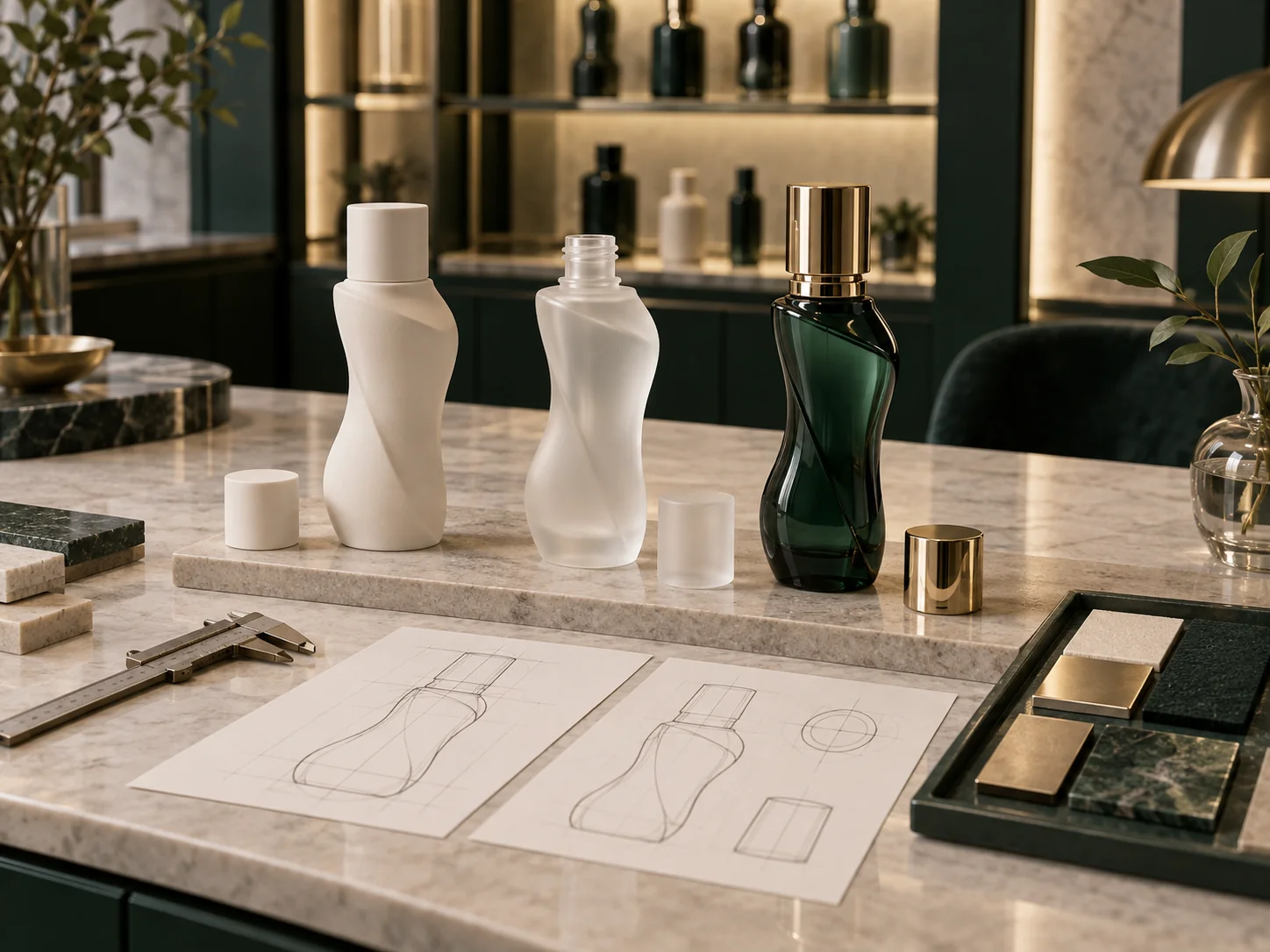
Concept model
Review shape, proportions and handling at the relevant design stage.
PAUPACK / RESOURCES
Approve a sample for a defined purpose. Shape, decoration, component fit and product performance need different evidence, and the final reference should make clear which version of your packaging has been reviewed.
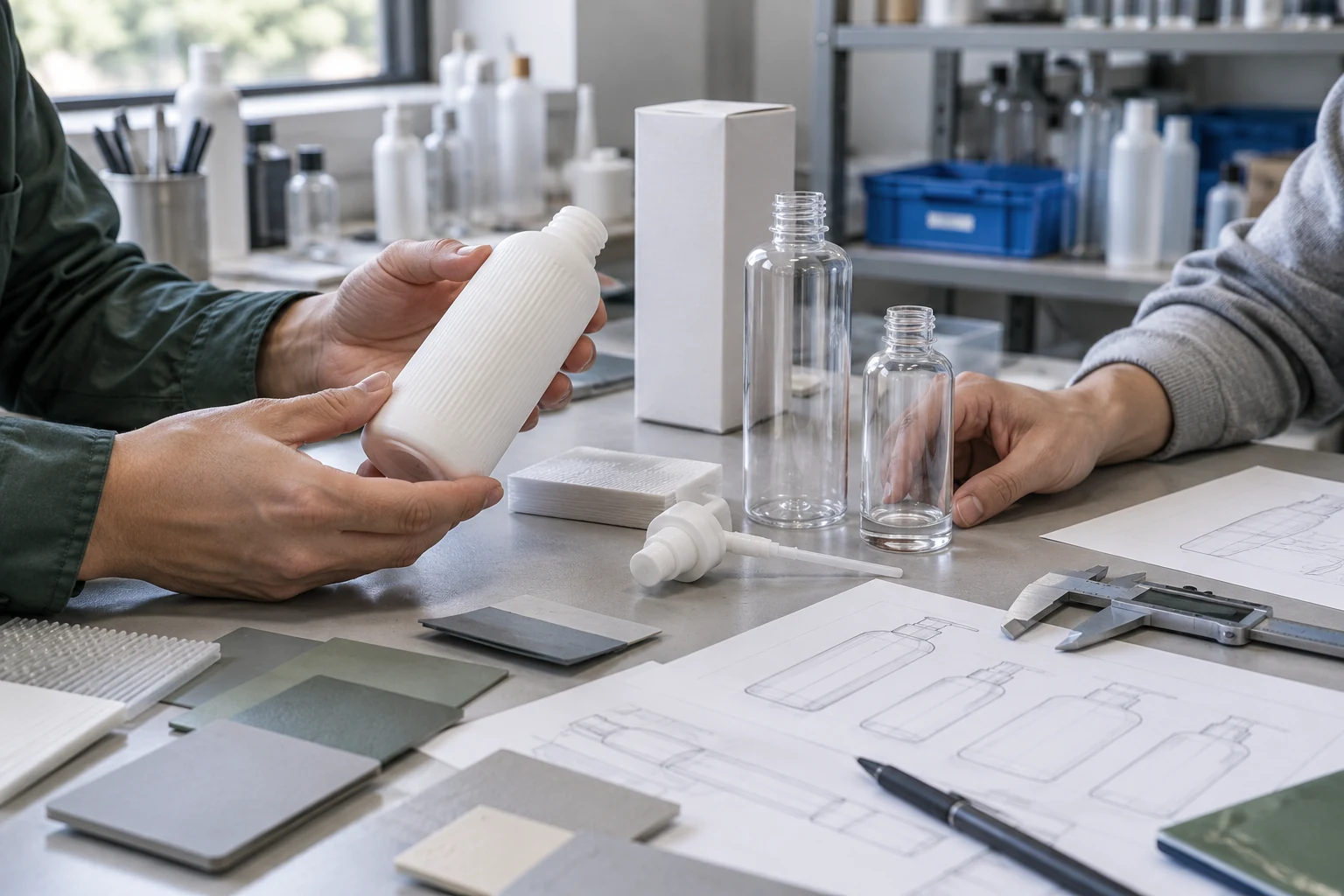
Your packaging choices
Review shape, proportions and handling at the relevant design stage.
Compare the actual container and mating components for the intended assembly.
Check the selected color, print and surface against the artwork reference.
Bring the bottle, closure and packing together with the agreed evaluation record.
Agree what approval means
Identify the information and approvals needed before production release.
READ THE GUIDEBring component interfaces and test conditions into the same review.
READ THE GUIDEIdentify the information and approvals needed before production release.
FROM LEARNING TO A PROJECT
Agree the test conditions, acceptance limits and records needed for your packaging and formula.
EXPLOREIdentify the failure risks, agree the checks and resolve open issues before releasing production.
EXPLOREShare the reference component and the fit or performance question you need to resolve.
PREPARE THE BRIEF
Download the project brief and review checklists, then bring the relevant drawings, formula category and samples to the discussion.
Get the checklistsSample approval is easier when the team agrees what the sample is intended to show. A concept model may be useful for shape and handling, while a decorated component may be intended to demonstrate color or artwork. An assembled reference brings additional questions about fit and function. PauPack helps connect these stages so an approval describes the work that has actually been reviewed.
Begin with the product and the intended use. Identify which aspects of the packaging matter most: appearance, dimensions, opening and closing, dispensing, filling compatibility or protection in transit. These priorities help define the review, including the involvement of your filling partner or other specialists. There is no single generic sample that answers every packaging question.
Appearance can be reviewed through an agreed reference for color, surface finish and decoration position. Dimensional checks relate to the drawing and the interfaces that need to work together. Functional evaluation concerns the selected component combination in its intended conditions. Packing review considers how the finished items are separated, supported and identified for handling and delivery.
These areas are connected but should not be confused. A sample can look right while still requiring an interface review, and a technically suitable assembly may still need a decoration adjustment. Keeping the decisions distinct makes it easier to resolve an issue without reopening parts of the project that have already been agreed.
The approval record should make the sample identifiable. Keep the relevant component references, drawing revision, artwork and finish information together, along with the date and the decisions made. Where a point remains open, describe it specifically. That is more useful than a general note that the sample is almost ready, because the next person can see exactly what requires attention.
Changes should be reviewed against the same record. A different pump, revised insert or adjusted coating can affect the assembled result. PauPack can help coordinate that discussion so the updated reference is clear before production release. This also supports repeat orders, where a familiar product name may otherwise hide a changed component or specification.
Before an order is released, bring the selected pack, quantities, decoration and packing arrangement back into one agreed scope. Identify the inspection or testing information needed for that project and how any exceptions will be handled. The relevant documentation should describe the actual product and route, rather than a broad claim detached from the order.
Use the sample approval and component matching checklists to organize your project notes. Then explore the quality, closure compatibility and assembly capabilities linked here. PauPack can help translate the development decisions into a clear packaging handover, with the finished reference guiding the next stage.
Share the intended filling conditions and distribution route when agreeing which checks are relevant to the selected packaging.

People behind your packaging
Since 2013, PauPack has combined manufacturing and trade services for packaging projects. Investment in four factories supports our work across bottle development, production and complete packaging coordination.
Explore our history ↗
Customer feedback
“Their attention to detail, from material selection to final finishing, ensures our products always stand out on shelves.”
Claud** Wagn** · Watsons
Published in PauPack’s customer feedback
Questions & answers
A fit sample helps review the selected components and dimensions. A final approval sample should represent the agreed materials, finish and assembly closely enough to guide the order. State what each sample demonstrates and what checks remain with the product or filling team. Sample Matching →
CONTINUE YOUR PROJECT
YOUR NEXT STEP
Share the product use, target size, material direction, estimated quantity and launch needs. Choose the route that matches the information you have today.
For a new form, custom tooling, decoration or a coordinated packaging system.
CHECK A REFERENCEFor a bottle, pump, cap or assembly that needs a fit and performance review.
COMPARE OPTIONSFor a selected product family and an initial commercial discussion.