
Reference
Keep the current bottle and proposed PCR sample clearly identified.
A PCR bottle’s appearance can differ from a virgin-material reference. Compare the proposed resin route on representative samples, using consistent lighting and the actual closure, label and product presentation before agreeing the visual standard.
Your packaging choices
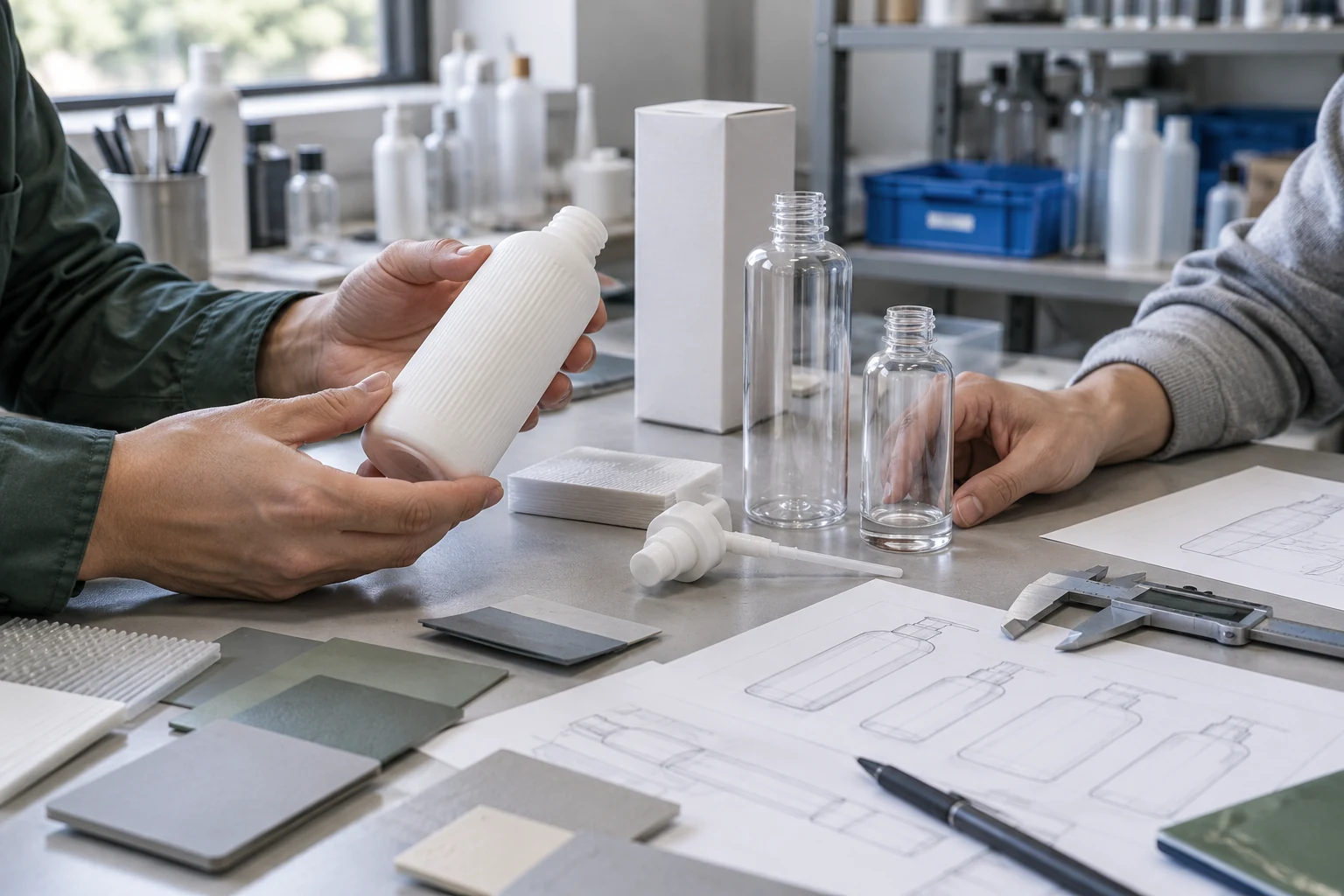
Keep the current bottle and proposed PCR sample clearly identified.
Use the same light, background and sample state when assessing color or haze.
Review the filled appearance, label and closure as well as the empty bottle.
Identify when a material-source or formulation change requires a new comparison.
PCR bottle appearance should be reviewed on the intended resin, content level, color and bottle geometry. A clear sample from another construction is not a reliable reference for the final pack. Compare samples in the same lighting and against the same background, then review them with the actual cap and decoration.
Haze, tint and surface condition are different observations. Record which feature matters to your product presentation rather than calling every difference a clarity issue. Wall sections, bottle shape, resin selection and processing can affect the visible result. Use representative samples to discuss the acceptable range.
A pale tint may look different after filling or beside another component. Review the selected coating, label or printed area on the real bottle and compare the complete collection together. A finish can change the visual effect, but it should not hide an unresolved functional or material question.
Agree the sample reference and the material information that supports the recycled-content description. Neither a photograph nor the appearance of a bottle establishes its recycled content. For repeat orders, identify the selected material and agreed appearance range so an unexpected change can be reviewed against a clear reference.
When appearance is important, compare the proposed PCR option using a sample that represents the intended material and construction. View it beside the closure, label and any outer packaging, because those elements influence the overall impression. A photograph can support the discussion, but it may not show the same effect under your lighting or with the product inside.
Describe the visual characteristics that matter to the brand and establish a reference for the selected direction. If the initial option is unsuitable, PauPack can help discuss other material or presentation routes rather than treating clarity as the only design tool. The project decision should connect the desired appearance, function and recycled-content information for the specific pack.
People behind your packaging
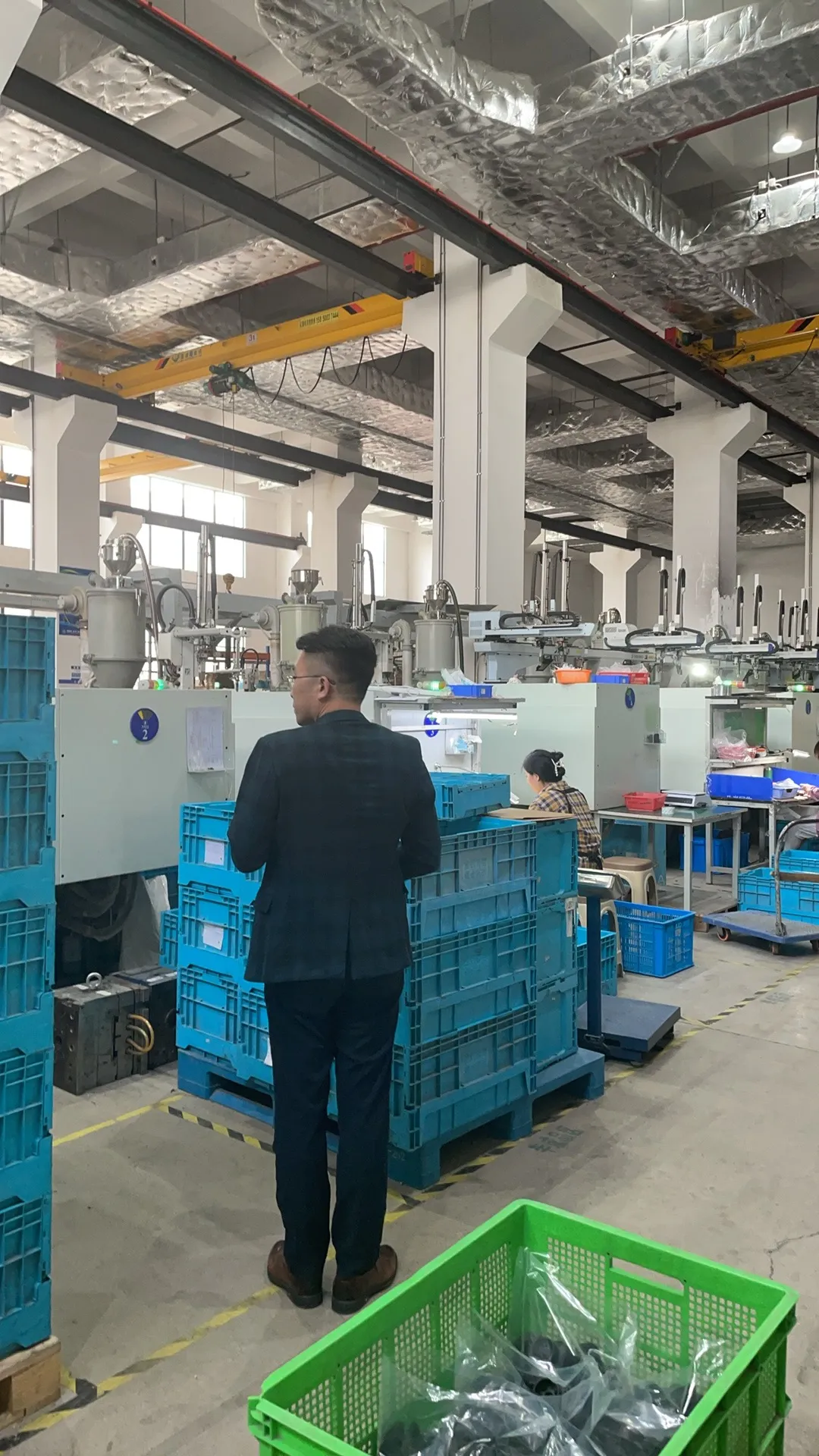
Since 2013, PauPack has combined manufacturing and trade services for packaging projects. Investment in four factories supports our work across bottle development, production and complete packaging coordination.
Explore our history ↗
Customer feedback
“Their attention to detail, from material selection to final finishing, ensures our products always stand out on shelves.”
Claud** Wagn** · Watsons
Published in PauPack’s customer feedback
Packaging questions
Do not assume an identical appearance. Compare the proposed resin, content level, color and geometry on representative samples. Decide which visible differences are acceptable for your collection and record the agreed reference alongside the component specification.
Review both. The empty sample helps compare the material and surface, while the filled and decorated pack shows the final presentation. Assess the bottle with its closure and neighboring products under consistent viewing conditions.
A coating, print or label can change what is visible, but it also adds its own finish and application considerations. Compare the decorated sample and retain the material and functional checks. Choose the treatment because it suits the pack, not as a substitute for understanding a defect.
Identify the resin route, selected recycled-content specification, bottle reference, color and acceptable appearance range. Keep those records with representative samples and review material or process changes before accepting a revised version.
Compare representative samples of the proposed resin and bottle construction under consistent lighting. Set an accepted visual reference or range and view it beside the cap and label. Keep that approval tied to the recycled-content specification instead of expecting every PCR source to reproduce a virgin-resin sample.
No. State which component contains PCR, the resin and the agreed content. Review the cap, pump, liner and decoration separately. Request supporting information for the supplied item and keep the description consistent with the components actually ordered.
CONTINUE YOUR PROJECT
 CONTINUE READING
Explore related guides and practical project tools.
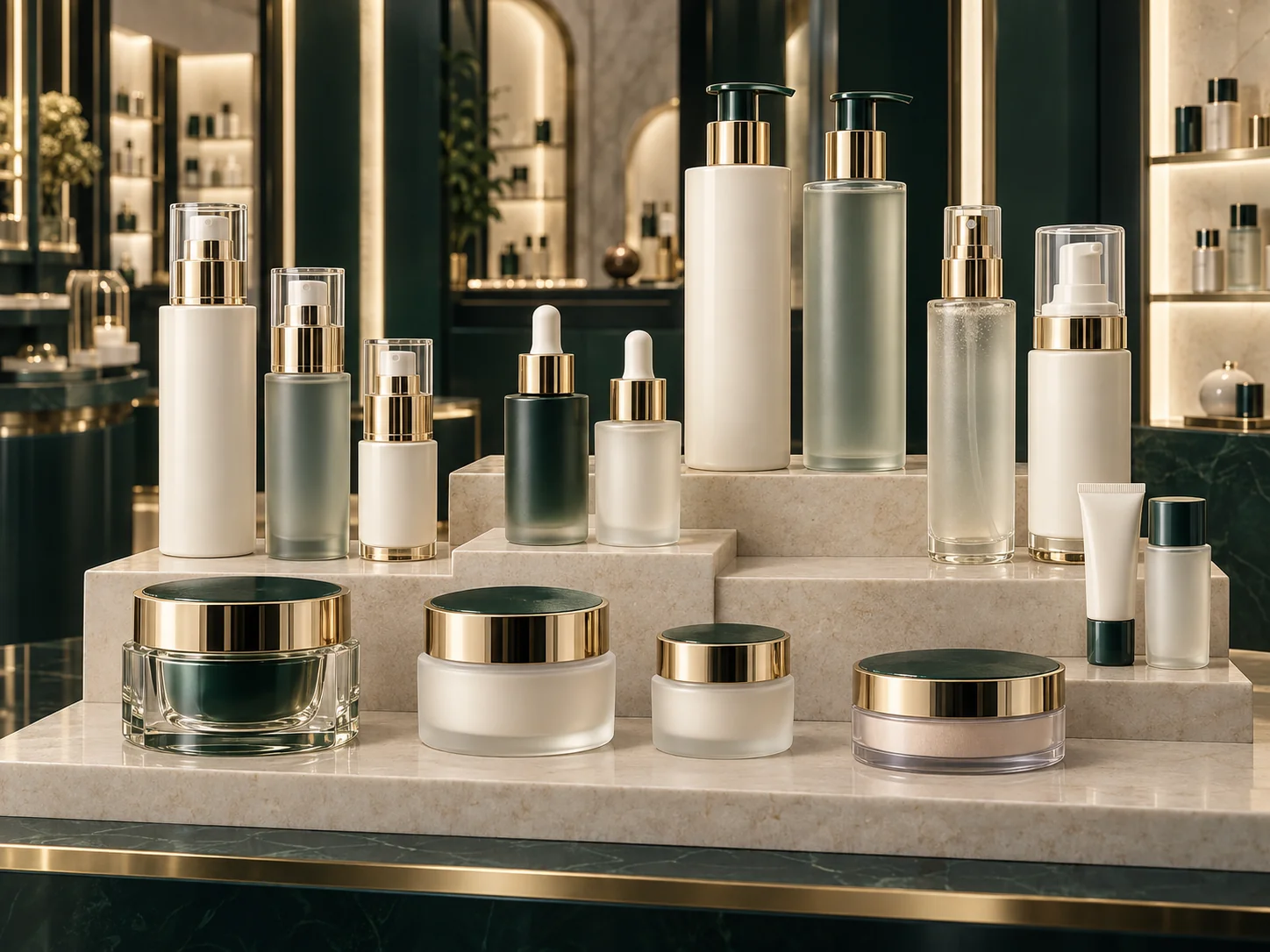 APPLY THE GUIDANCE
Build skincare packs around formula protection, pump performance, decoration durability, launch speed and brand consistency.
APPLY THE GUIDANCEClean Beauty Packaging manufacturer and supplier for custom bottles, jars, closures, decoration and complete packaging systems.
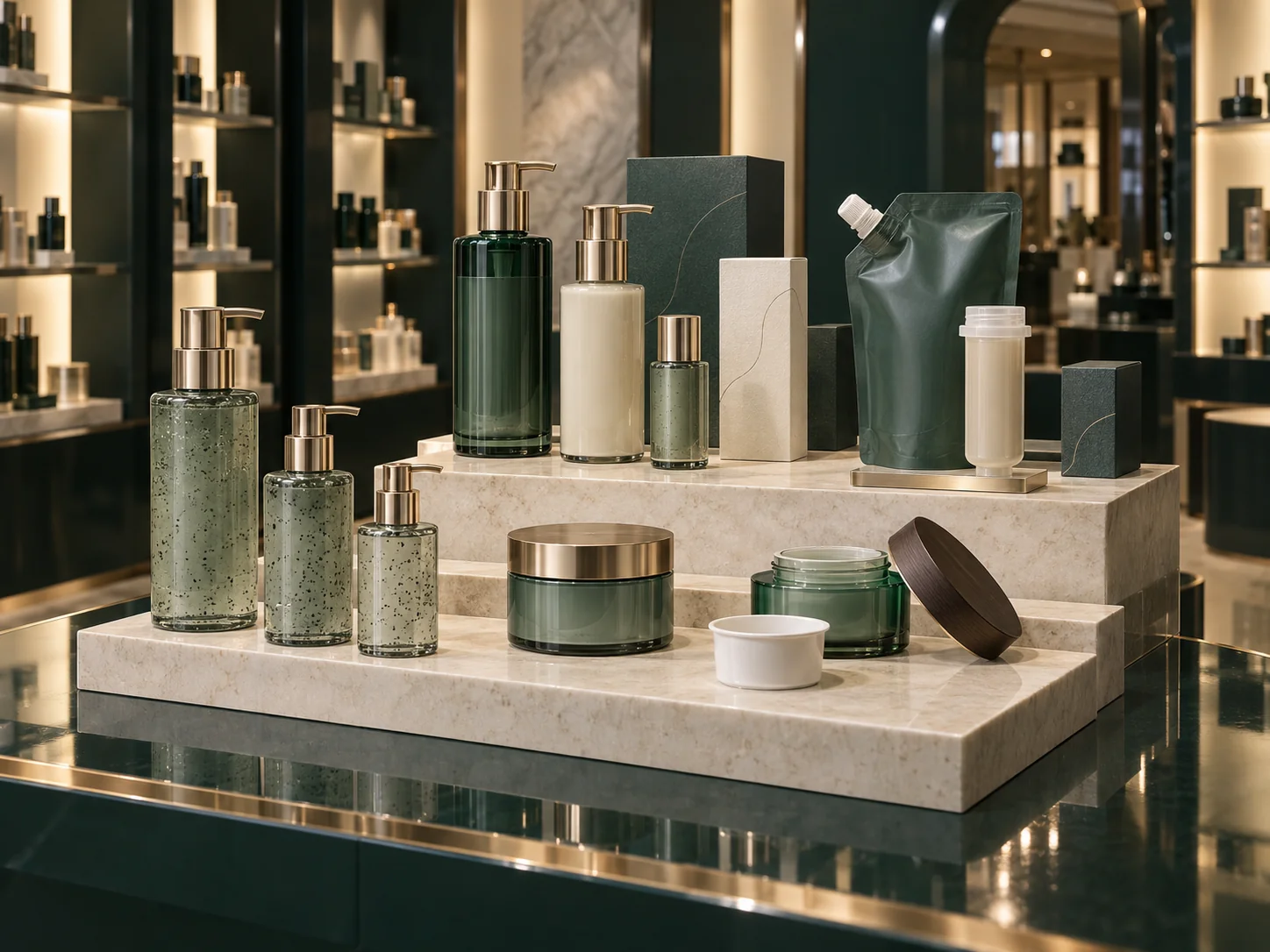 APPLY THE GUIDANCE
Compare material and refill options. Confirm performance and evidence for the chosen specification.