
PCR route
Review the selected recycled-content option, appearance and component performance.
Resources
PCR changes the material source of a packaging component; a refill system changes which components your customer keeps and replaces. Compare those different decisions against your product, customer routine and supply model.
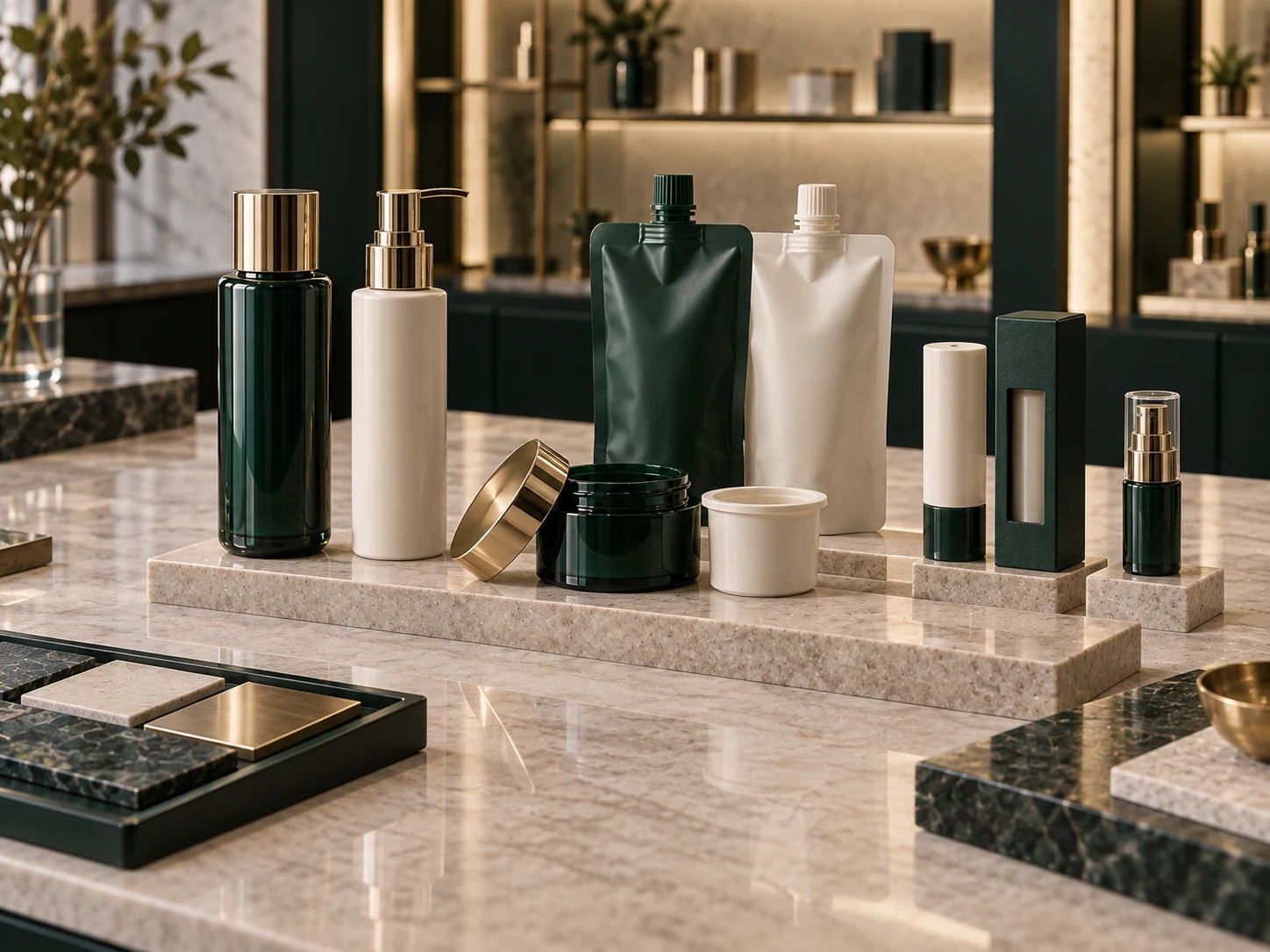
Your packaging choices
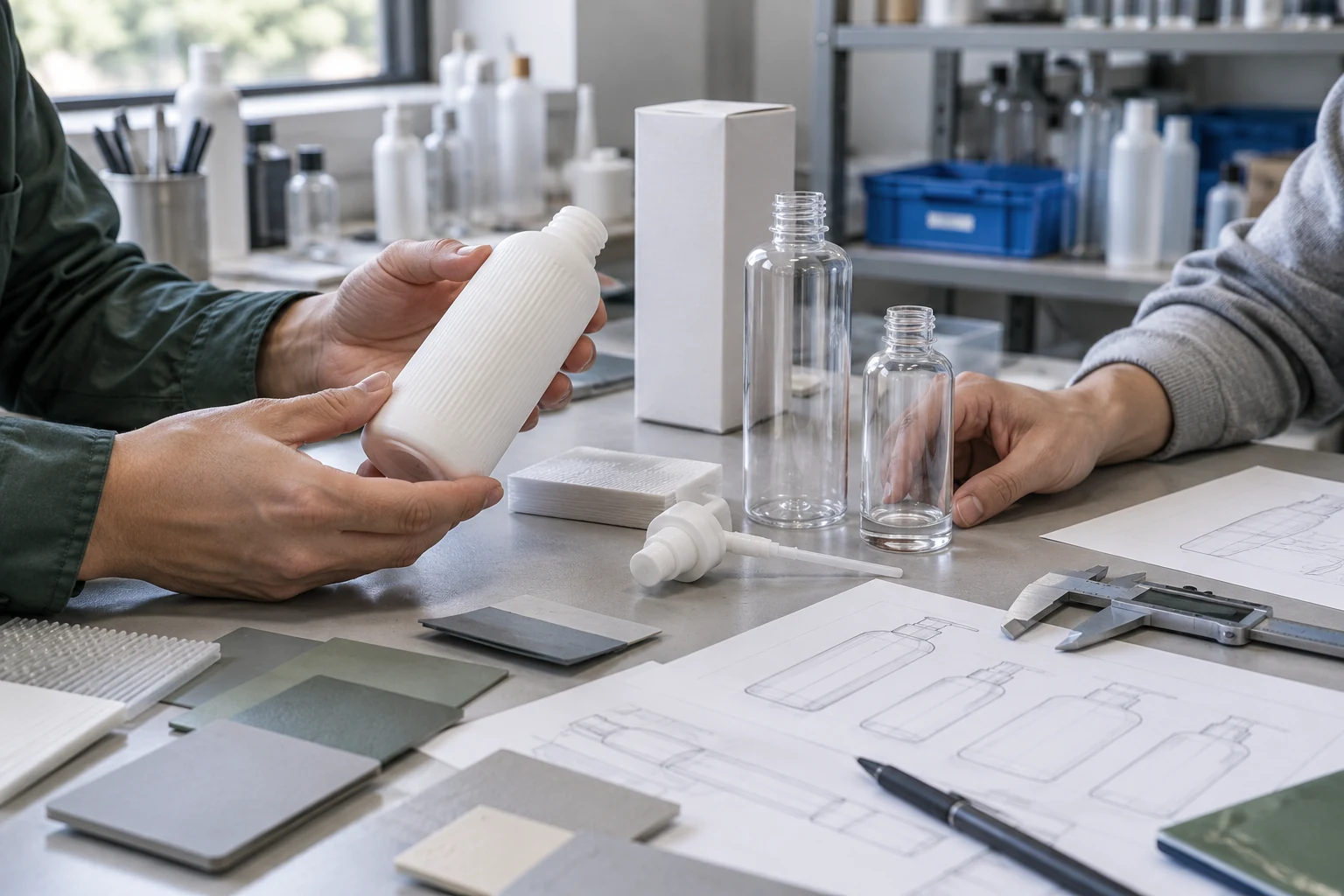
Review the selected recycled-content option, appearance and component performance.
Identify the retained container, replacement unit and the refill operation.
Compare the original pack and refill supply, not only the first container price.
Keep the material information and assumptions about reuse attached to each option.
Execution controls
Your sample review should connect the selected components with the current product and production requirements. Keep the material, drawing and artwork versions identifiable, then record the decision each sample supports. If a component changes, revisit the checks that depend on it before the next order is released.
PCR describes a material route; refillable packaging describes how a pack is intended to be used again. They are not interchangeable descriptions. Begin with the change you want to make, then compare the container, dispenser and any replacement component needed to deliver that experience.
Map how the customer opens the pack, removes or replaces the product container and closes it again. Review the proposed outer pack, insert or refill vessel and dispenser together. Agree which parts are retained and which are replaced, with suitable product-contact and repeated-use checks for the design.
Compare the selected resin and content specification on the intended bottle geometry and color. Review the complete decorated and filled presentation beside the closure. Keep the supporting material information with the agreed appearance sample so the next order can be assessed against the same reference.
A refill concept needs a practical refill offer and a clear use sequence; a recycled-content statement needs information for the selected material. Compare the actual pack, expected use and destination market. Avoid a blanket environmental ranking that ignores components, use conditions or the evidence available for the project.
Your selection priorities
Refillable vs PCR packaging is not a simple environmental comparison. Refillable cosmetic packaging can introduce new components, user steps and reverse or refill logistics, while PCR packaging changes the material route and may affect appearance, color consistency, decoration and supply conditions.
A sustainable beauty packaging decision should be reviewed against the full system, including the closure, decoration, product use, commercial quantity, customer experience and the evidence available for the final market claim.
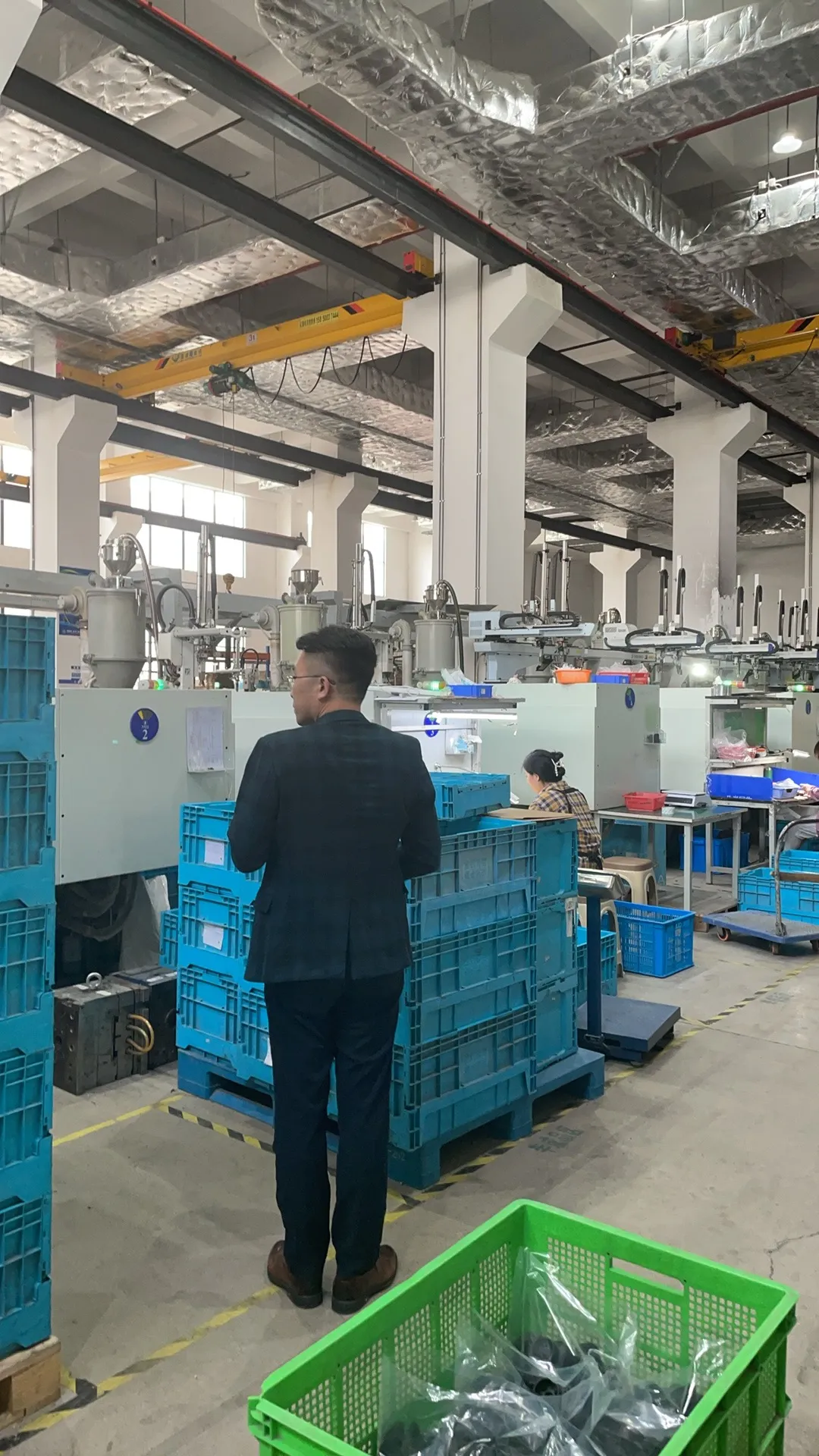
People behind your packaging
Since 2013, PauPack has combined manufacturing and trade services for packaging projects. Investment in four factories supports our work across bottle development, production and complete packaging coordination.
Explore our history ↗
Customer feedback
“Their attention to detail, from material selection to final finishing, ensures our products always stand out on shelves.”
Claud** Wagn** · Watsons
Published in PauPack’s customer feedback
Packaging questions
The two approaches can be considered together, but the selected components still need review. Check material suitability, appearance, assembly and the intended refill sequence. Record the specification for both retained and replaced parts.
That conclusion needs evidence for the actual system and its use. Consider the retained pack, refill unit, components, distribution and expected reuse. A refill mechanism on its own does not establish the result.
Review opening, replacement, reclosure and dispensing with the intended product and components. Agree suitable repeated-use and product-contact checks with your team. The sample should demonstrate the complete customer sequence.
Review the proposed resin, recycled-content specification, bottle construction, color, finish and matching closure. Compare representative samples and the supporting material information before finalizing appearance or environmental wording.
Identify what the customer keeps, what is replaced and how the refill is opened, installed and sealed. Compare the outer pack and refill as an assembly, with the intended formula. Keep the refill reference clear so that a repeat purchase matches the original container.
Show the opening and replacement sequence on a physical sample and agree clear instructions for that system. Check grip, orientation, closing and any protective seal. Evaluate the intended repeat-use conditions before making a durability or reuse claim.
CONTINUE YOUR PROJECT
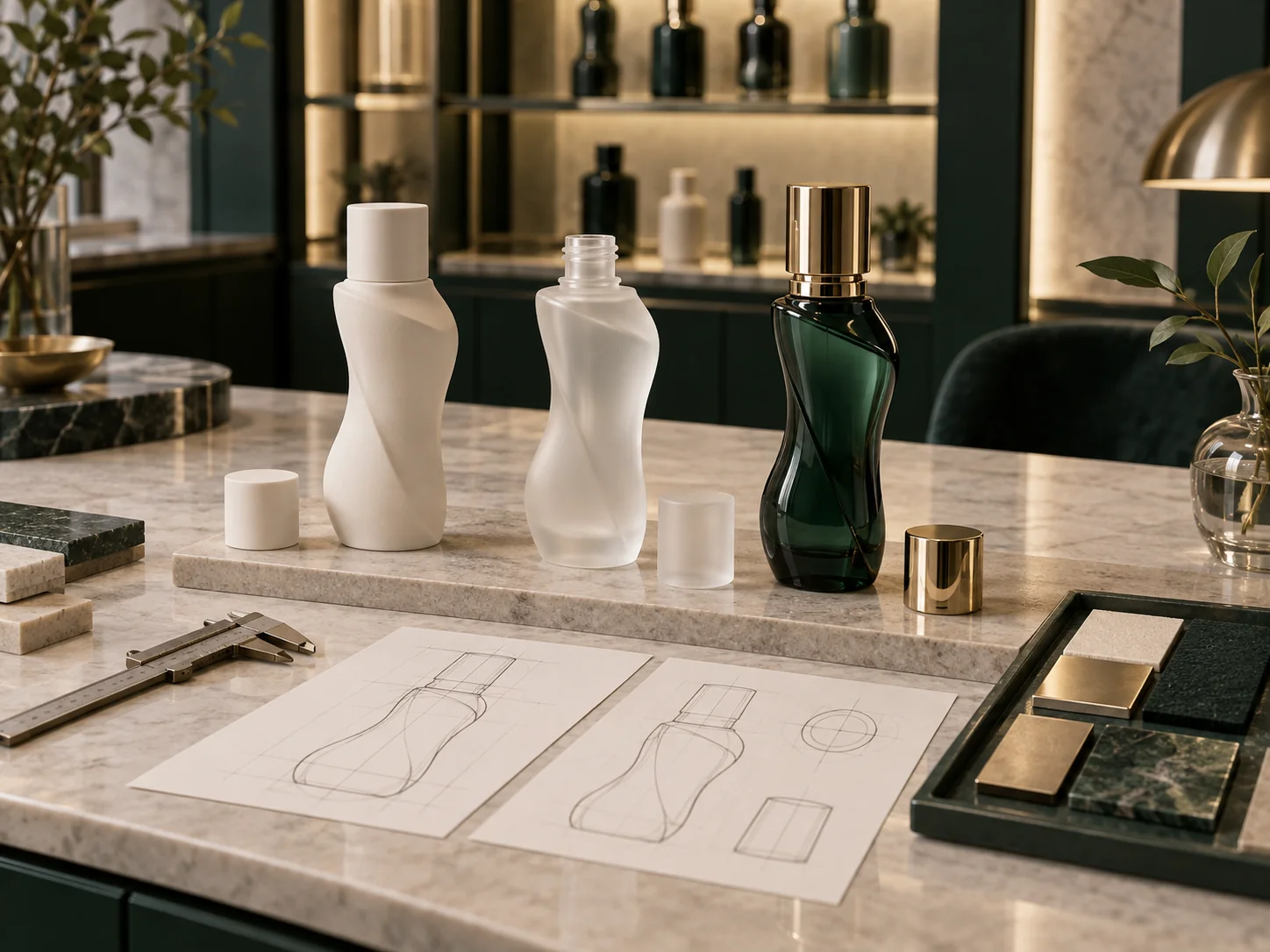 CONTINUE READING
Explore related guides and practical project tools.
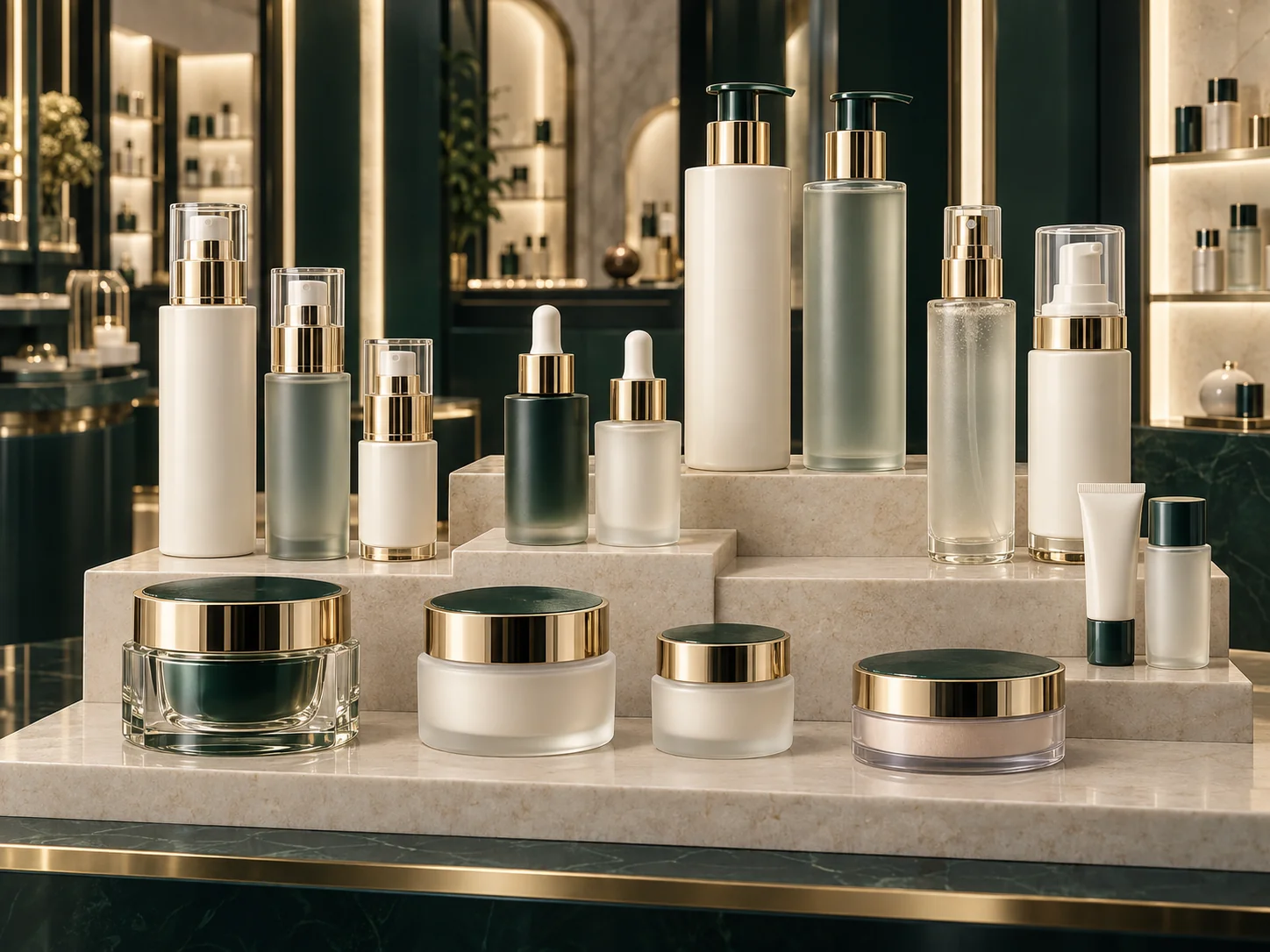 APPLY THE GUIDANCE
Build skincare packs around formula protection, pump performance, decoration durability, launch speed and brand consistency.
APPLY THE GUIDANCEClean Beauty Packaging manufacturer and supplier for custom bottles, jars, closures, decoration and complete packaging systems.
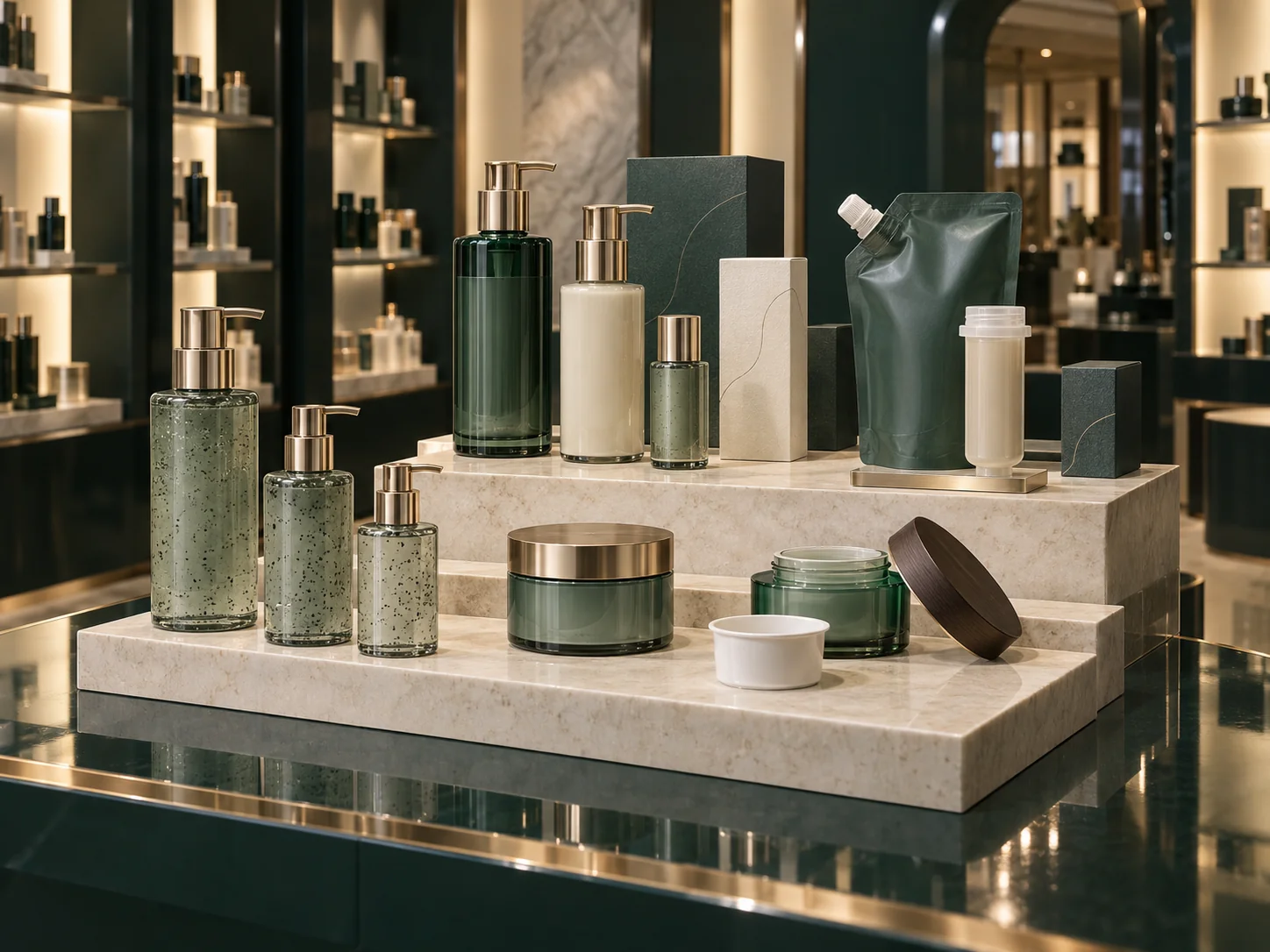 APPLY THE GUIDANCE
Compare material and refill options. Confirm performance and evidence for the chosen specification.
YOUR NEXT STEP
Plan the complete packaging system
For a new form, custom tooling, decoration or a coordinated packaging system.
CHECK A REFERENCEFor a bottle, pump, cap or assembly that needs a fit and performance review.
COMPARE OPTIONSFor a selected product family and an initial commercial discussion.