Bottle selection
Compare the container and dispensing format against your product and use.
Find practical answers about bottle selection, custom development, quantities, samples and complete packaging. Follow the topic links when you need a closer comparison or want to connect an answer with a product family.
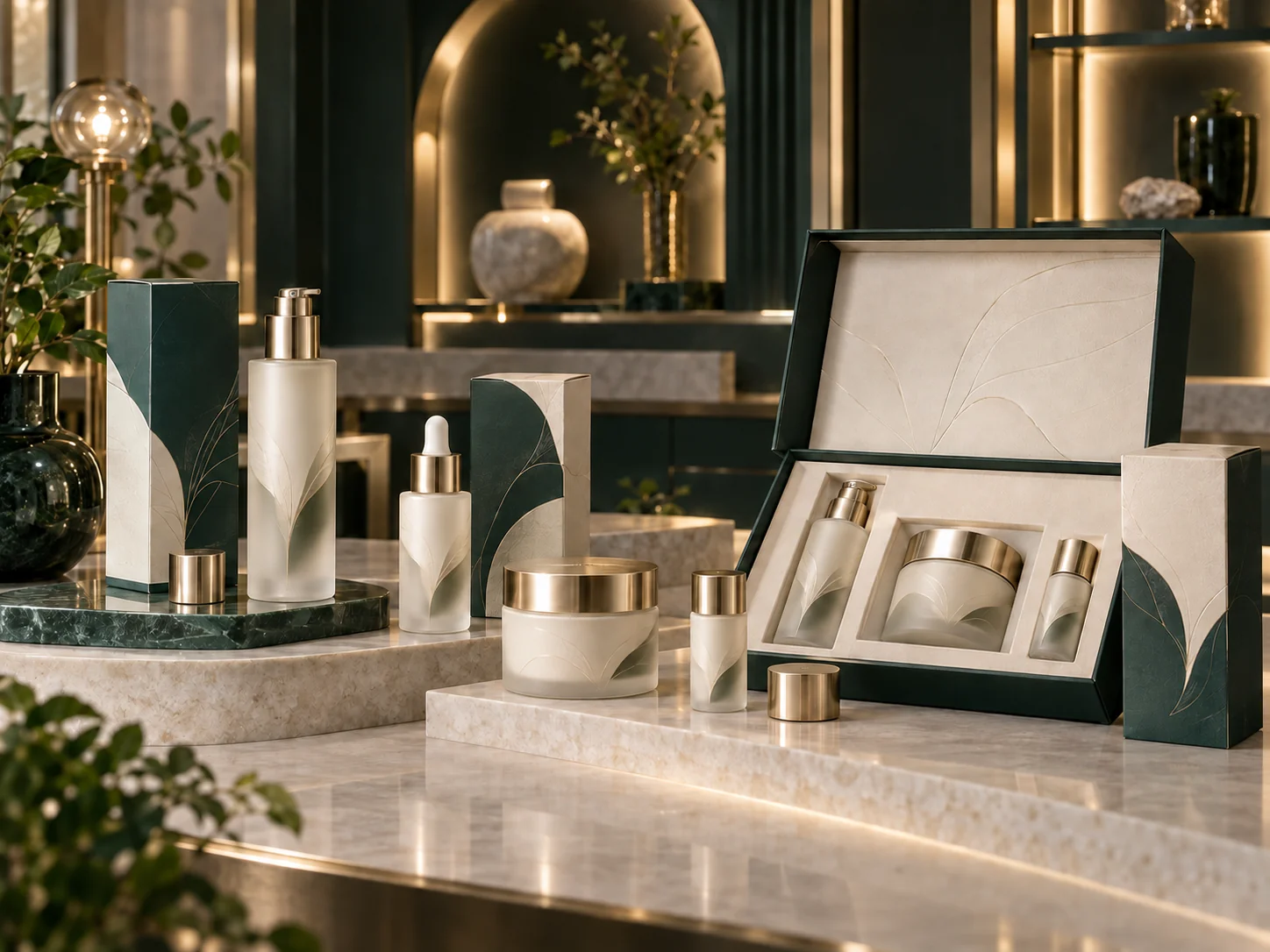
Your packaging choices
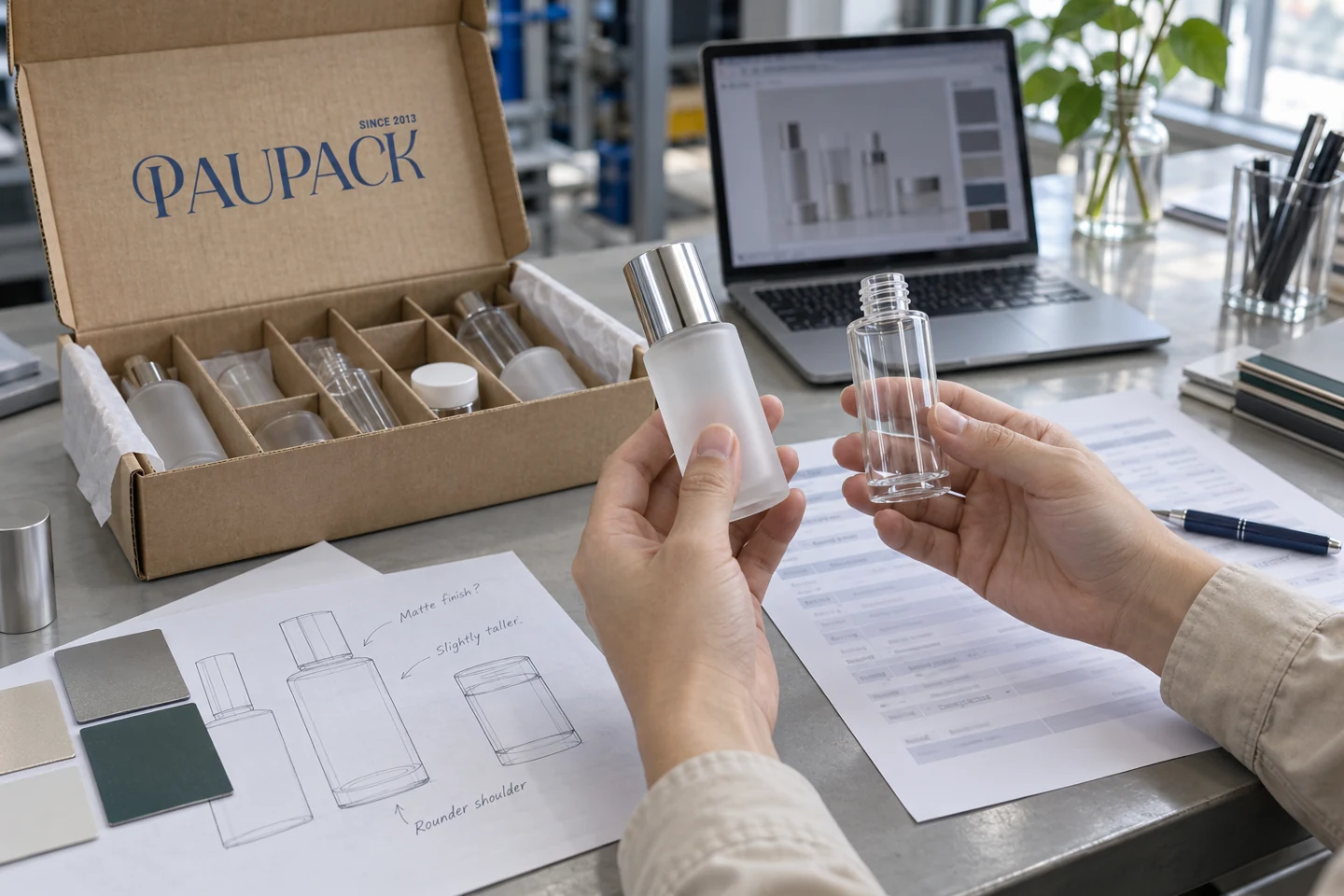
Compare the container and dispensing format against your product and use.
Separate a new silhouette from changes to color, print or an existing closure.
Review the whole component set when comparing cost and minimum quantities.
Identify what the sample needs to demonstrate before placing the order.
Component fit, formula contact, decoration and distribution conditions should be reviewed together.
Your sample review should connect the selected components with the current product and production requirements. Keep the material, drawing and artwork versions identifiable, then record the decision each sample supports. If a component changes, revisit the checks that depend on it before the next order is released.
Yes. Start by identifying what the packaging needs to do and which visual details are essential to your brand. An existing design can be compared with a modified version and a new development against that same brief. Include the closure, finish and supporting box so the alternatives describe a complete pack. PauPack can help explain where the routes differ and what needs further review before a selection is made.
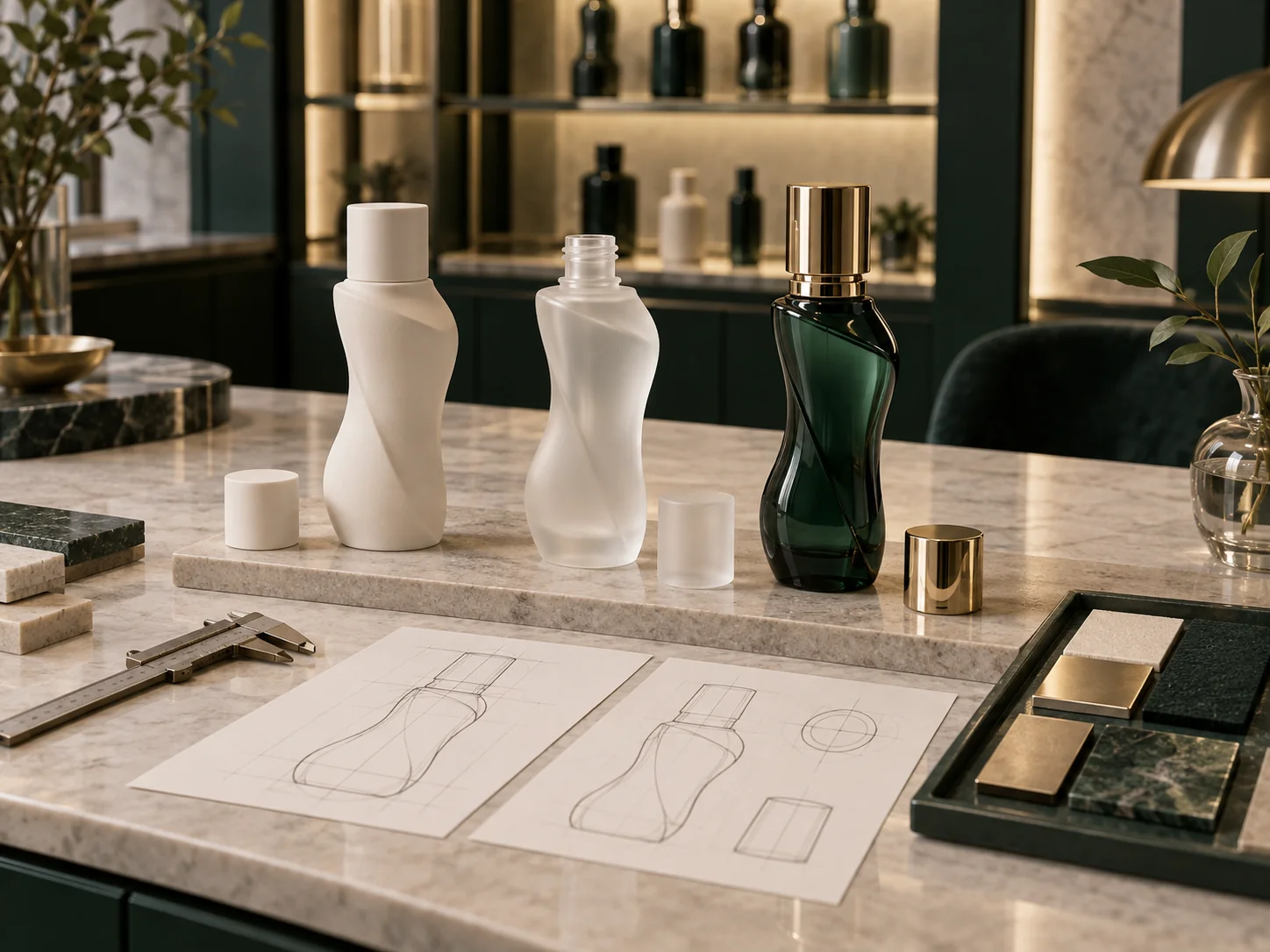
A reference image is a useful starting point for discussing shape, proportions and presentation. Tell us what you like about it and what you want to change. The image does not establish the material, dimensions or component interfaces, so those become part of the development conversation. If you also have a sample or a product-use description, include that context. The design and tooling guides explain how a visual direction can progress toward a more specific packaging brief.
Choose the guide that matches the question the sample needs to answer. Component matching is relevant when the bottle and closure must work together. Decoration guidance is useful when color or surface appearance is the priority. The sample-approval checklist helps organize the review once the reference is available. Where the formula or filling process is involved, include the people responsible for evaluating those conditions so the packaging sample is considered in the right context.
Keep the selected references and open decisions in one brief. Identify the current bottle, closure, finish and artwork versions, then record why a change is being considered. This allows your team and PauPack to review the connected parts together. The downloadable planning tools provide a starting format, but the important part is a clear shared record. When you are ready to discuss the project, use the relevant quote, custom-project or sample-matching page and describe the next decision you need help with.
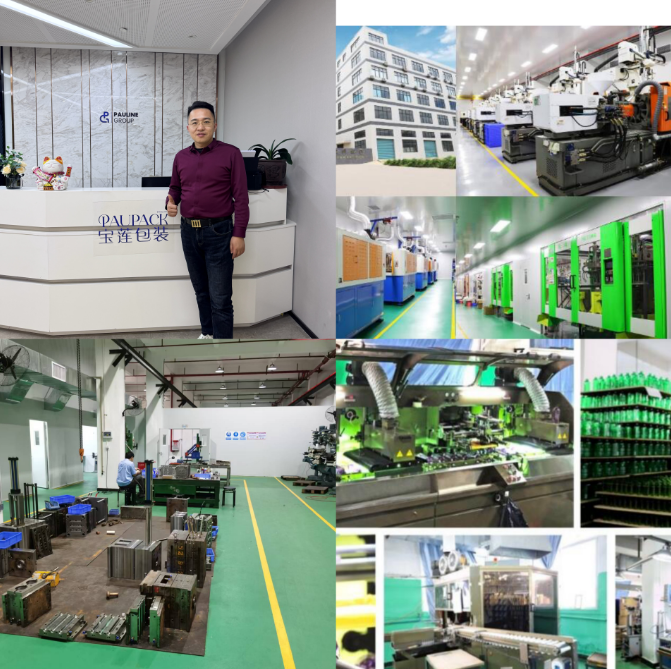
People behind your packaging
Since 2013, PauPack has combined manufacturing and trade services for packaging projects. Investment in four factories supports our work across bottle development, production and complete packaging coordination.
Explore our history ↗
Customer feedback
“Their attention to detail, from material selection to final finishing, ensures our products always stand out on shelves.”
Claud** Wagn** · Watsons
Published in PauPack’s customer feedback
Packaging questions
We can review the complete packaging combination with you, including the container, matching components, decoration and paper presentation. Share what your filling team will assemble and what should arrive assembled so the proposed scope is clear.
Start with the feature you want to change. An existing shape with a new finish or closure may achieve the required presentation. If the geometry itself must change, compare the design, prototype and tooling route alongside quantities and timing.
Share your product category, fill volume, formula or use requirements, preferred material and dispenser. A reference photograph or sample helps communicate the appearance. Include your quantities and delivery target so the options fit the project.
Identify what that sample represents: shape, color, decoration, function or the complete pre-production pack. Agree the checks needed for the intended product and filling process, and keep accepted component and artwork references together.
They depend on the exact bottle, closure, finish and paper packaging, with quantities split by version. The quotation should identify those assumptions and distinguish development, samples and production. Review changes before treating an earlier quote as current.
Use the material comparisons for a bottle selection, the cost and MOQ guides for order planning, and the quality checklist for sample approval. Each guide links to relevant containers, manufacturing capabilities and project support.
CONTINUE YOUR PROJECT
 CONTINUE READING
Explore related guides and practical project tools.
APPLY THE GUIDANCETurn your references and product requirements into a design, sample and production brief.
 APPLY THE GUIDANCE
Agree the test conditions, acceptance limits and records needed for your packaging and formula.