Keep the references identifiable
Record the material description, bottle reference and finish for each sample. If several options are being reviewed, avoid relying on a photograph or an informal color name to tell them apart.
Development example / PCR bottle appearance
When a brand moves to recycled-content packaging, a familiar bottle can need a new appearance review. The practical challenge is to connect the material choice with a color and finish that purchasing, design and production can judge consistently.
This example explains the development approach and approval records, rather than reporting a completed customer order.
Your packaging challenge
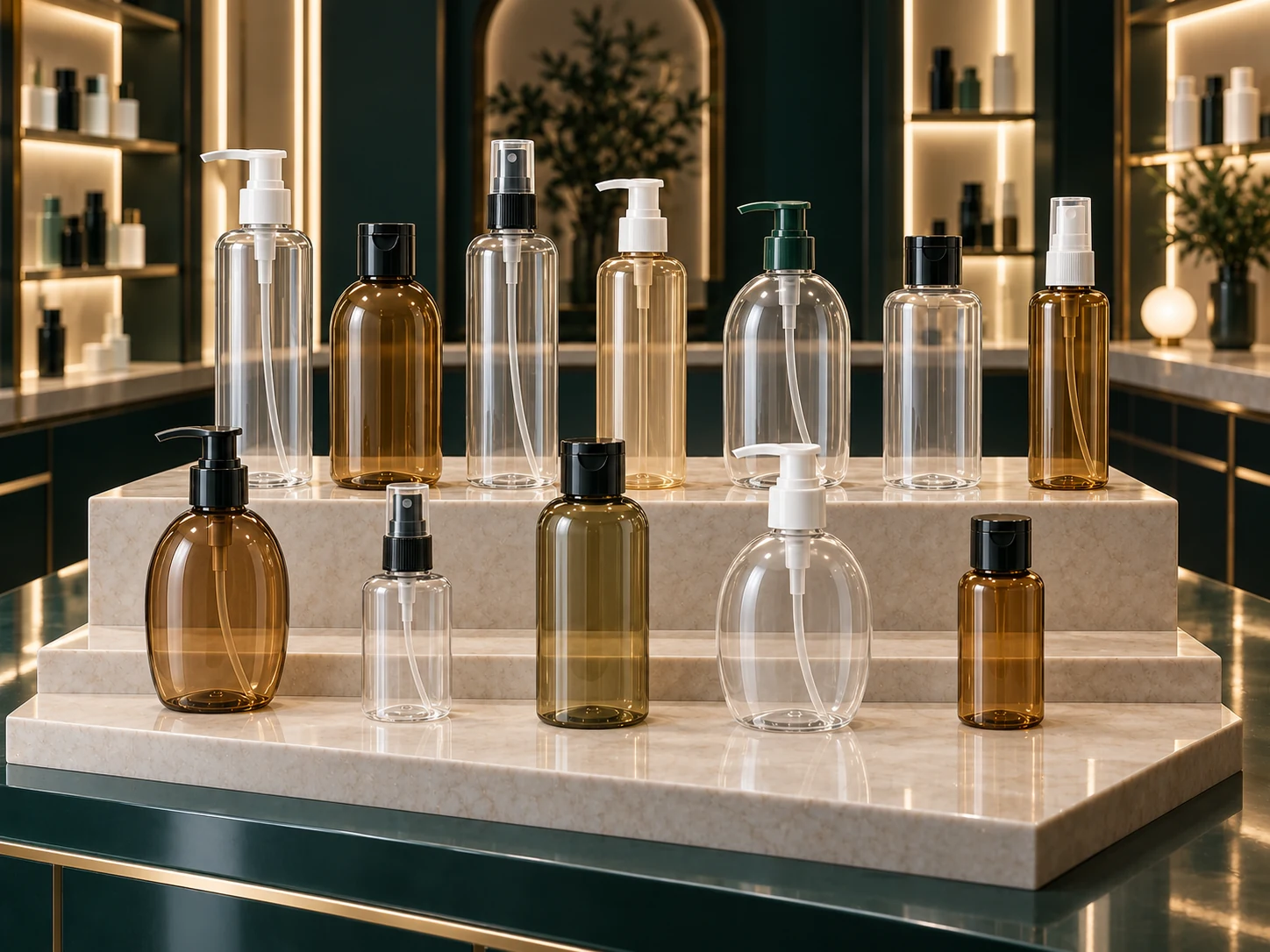
Consider a personal-care collection with an approved silhouette, cap and label. The brand wants a PCR option while keeping the range visually coordinated. Comparing a new sample against the old bottle is useful, but the old sample alone does not define what variation is acceptable in the proposed material.
The review needs to identify which features must remain fixed and which can be developed. A change in resin, color, wall construction or decorative treatment should be visible in the sample record so the team knows what it is comparing.
The development solution
Give each candidate a clear identity. Separate a material comparison from a shape or finish change, then return to the complete pack before approval.
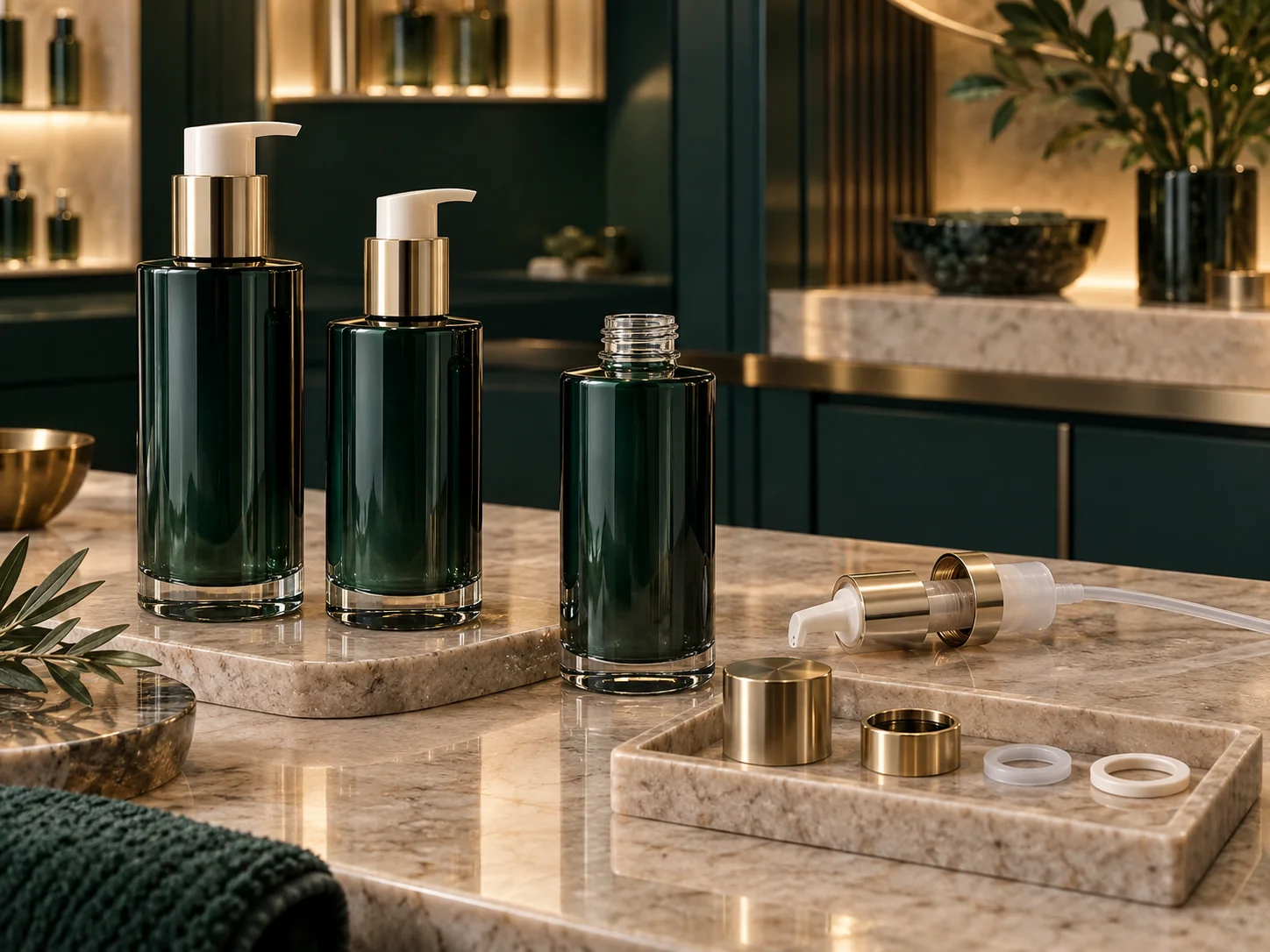
Record the material description, bottle reference and finish for each sample. If several options are being reviewed, avoid relying on a photograph or an informal color name to tell them apart.
Compare samples under the same agreed lighting and background. Review the empty bottle and, where relevant, a representative filled appearance. Place the cap and label beside it to judge the intended presentation.
Discuss which differences matter to the brand: tint, clarity, surface effect or the relationship with other components. Keep the agreed physical references with a written description that the inspection team can use.
From sample review to production reference
Appearance approval is one part of development. The selected construction must also follow the relevant component, filling and quality reviews.
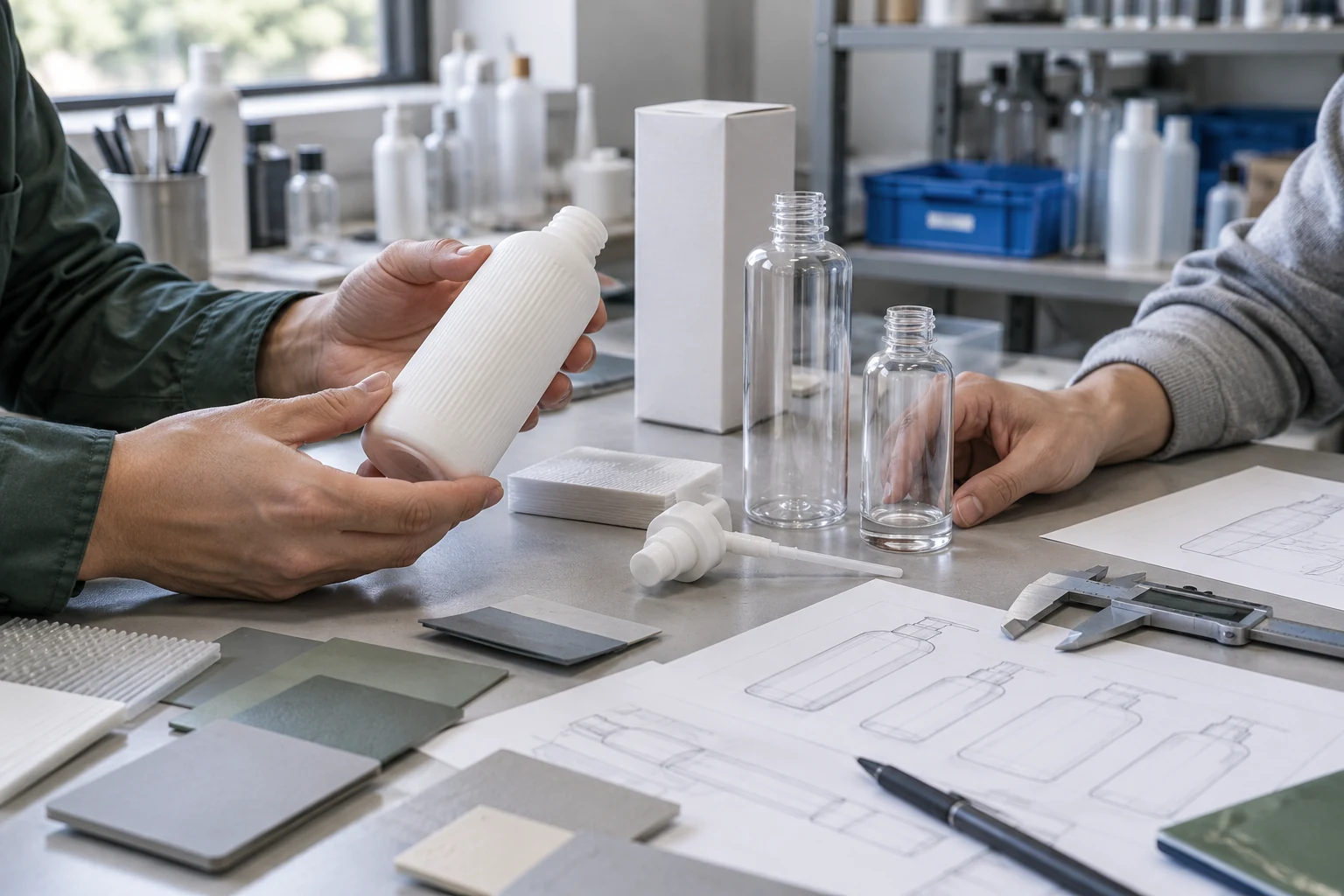
Connect the sample identity with the bottle drawing, proposed material and recycled-content specification.
Record viewing conditions and approved appearance limits. Include decoration when it forms part of the final presentation.
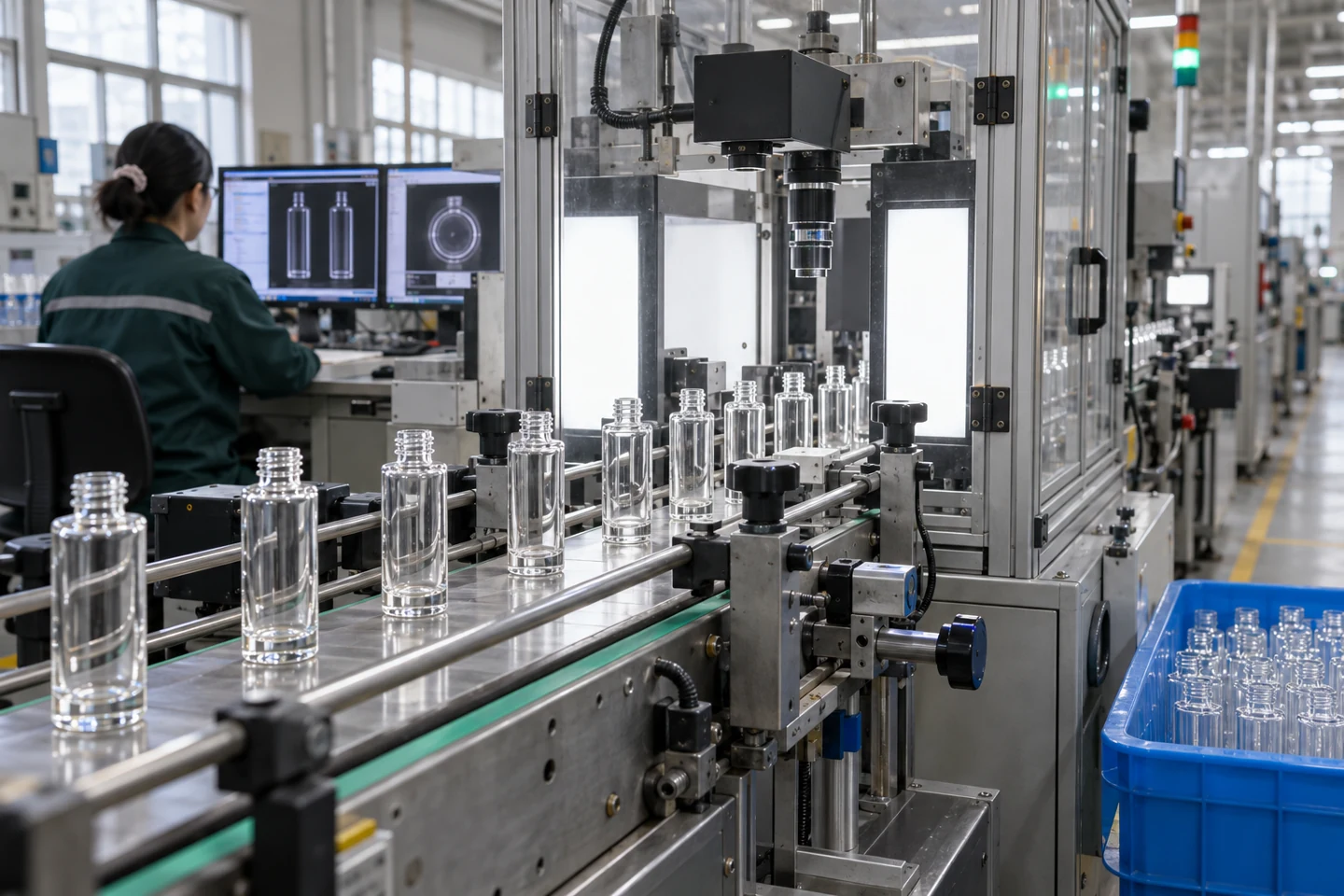
Review the selected closure, product compatibility and filling requirements with the responsible teams.
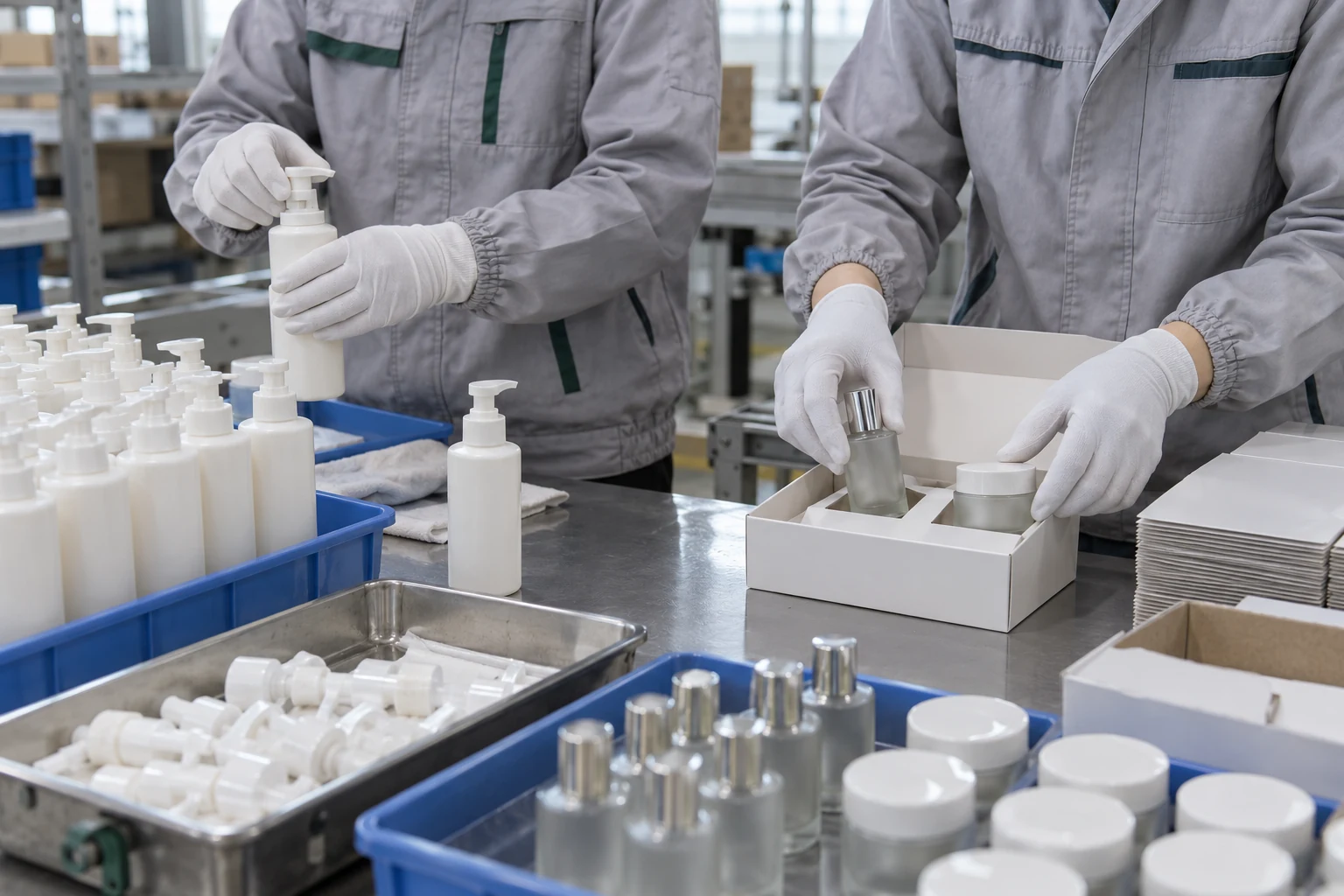
Use current references for inspection, assembly and protective packing. Review any proposed material or component change.
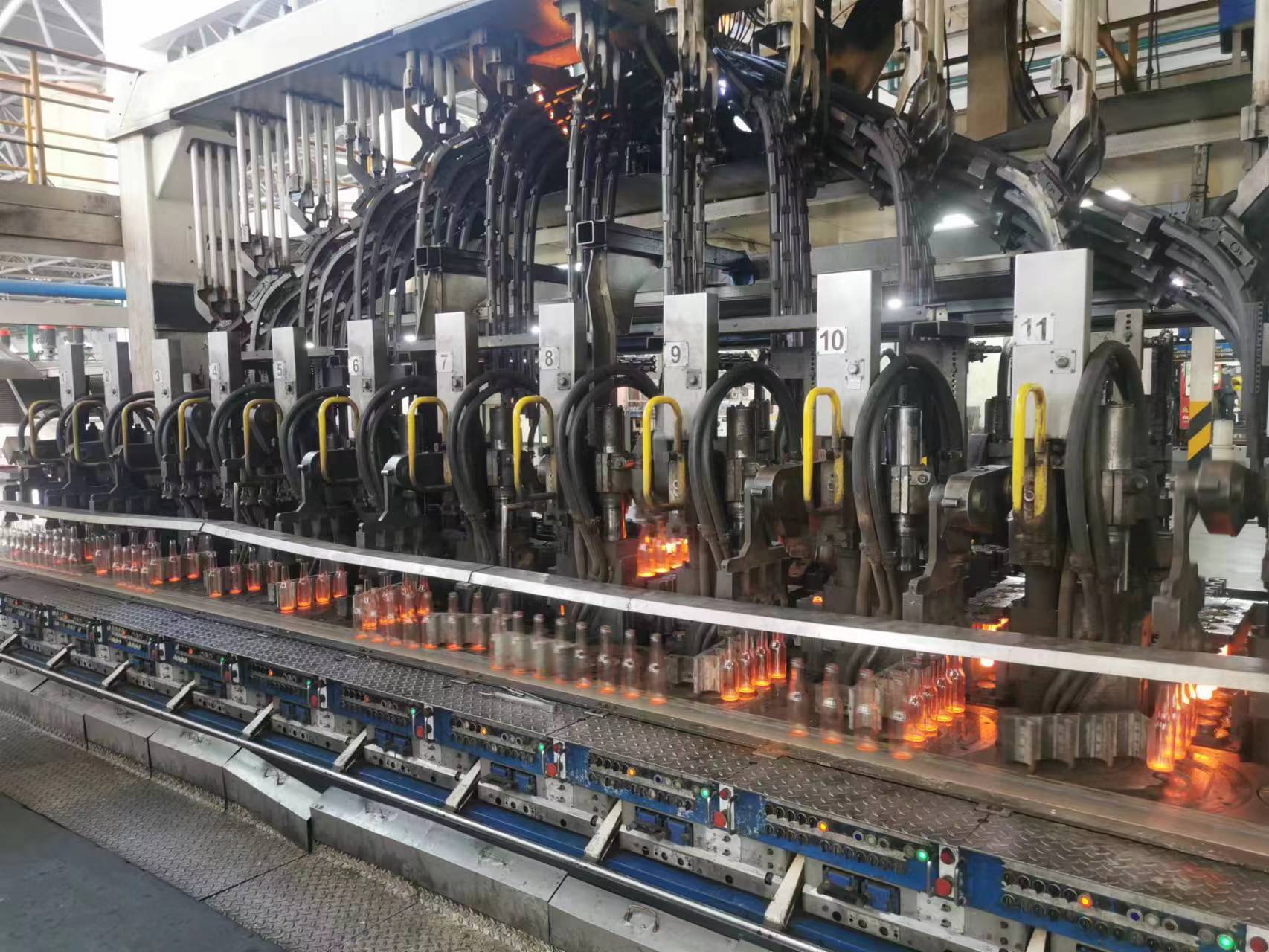
AI process illustrations; the example describes a development method, with project-specific checks agreed separately.
The outcome to establish
The aim is a usable decision record: which bottle and material were selected, what appearance was accepted, which checks were completed and what the order includes. This is more useful than an unqualified instruction to “match the last sample.”
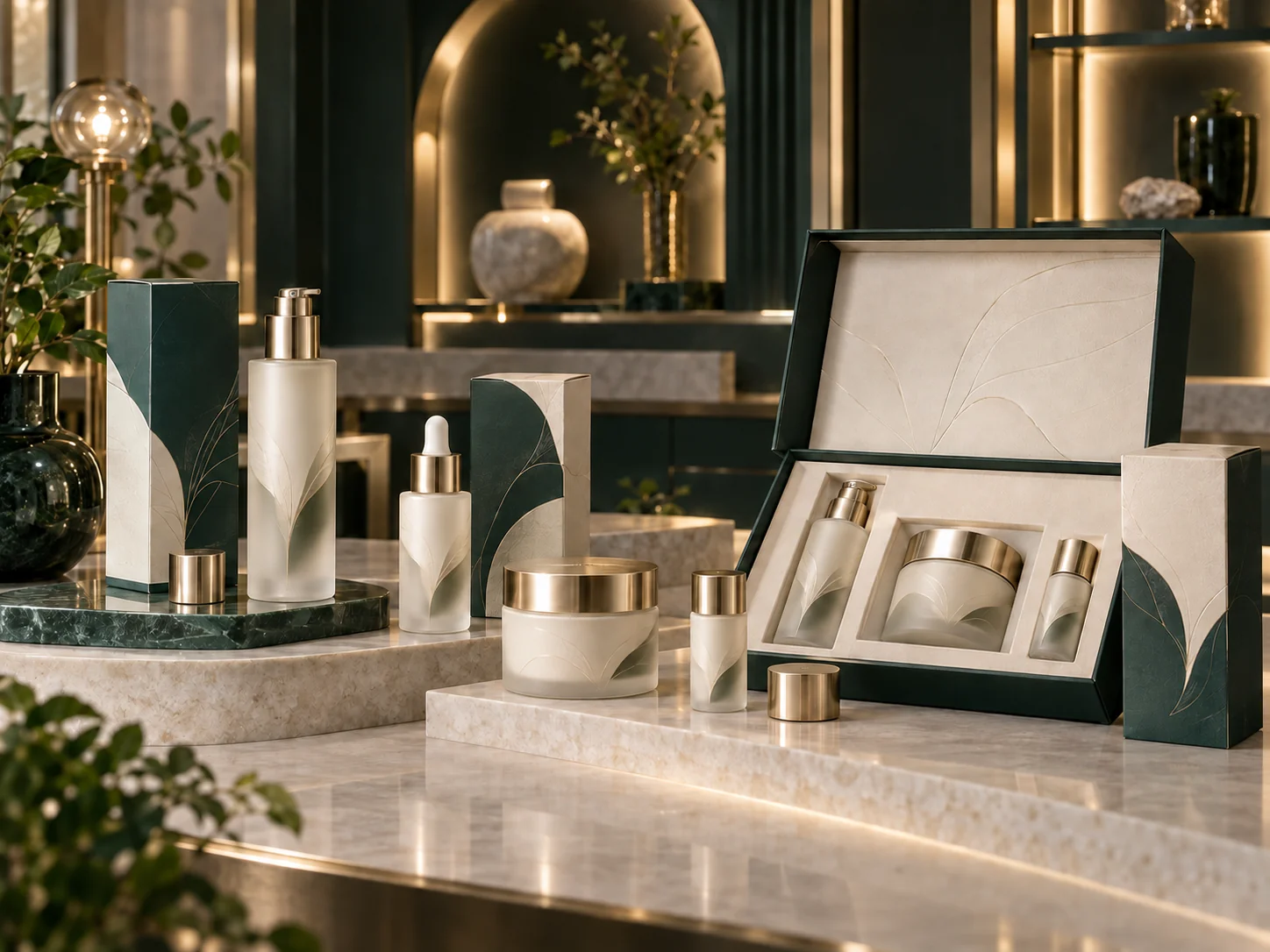
A defined visual direction for the bottle, cap, label and collection, with any agreed variation understood before launch artwork is finalized.
A component and material reference that connects the quotation with the approval. Recycled-content wording stays tied to the item and evidence supplied.
A current sample record and a clear way to review changes. The next run can be discussed against the same identified requirements.
Use our quality control approach to organize the approval, then explore PCR cosmetic bottle formats for your collection.
People behind your packaging
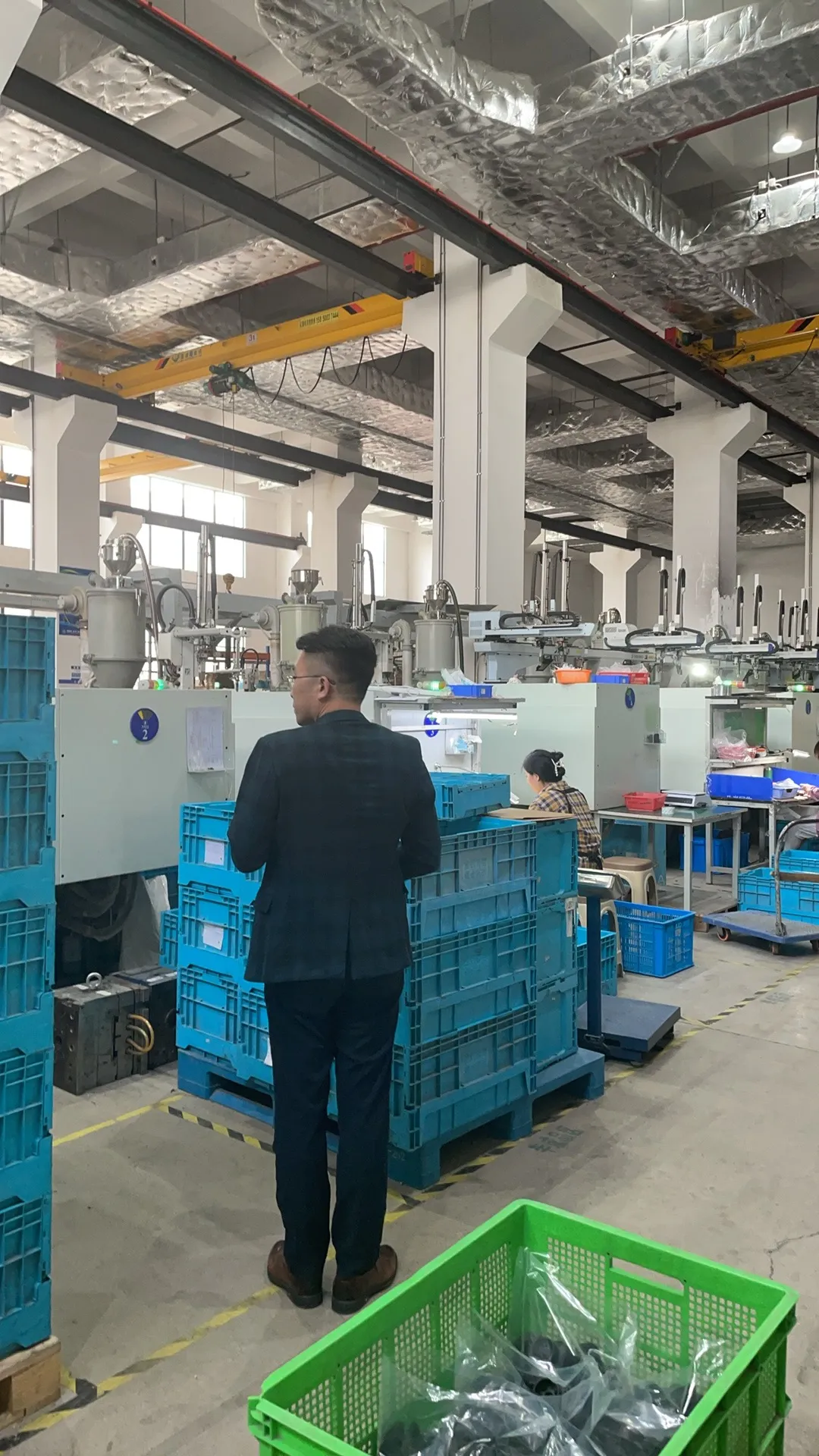
Since 2013, PauPack has combined manufacturing and trade services for packaging projects. Investment in four factories supports our work across bottle development, production and complete packaging coordination.
Explore our history ↗
Customer feedback
“Their attention to detail, from material selection to final finishing, ensures our products always stand out on shelves.”
Claud** Wagn** · Watsons
Published in PauPack’s customer feedback
Questions about this development example
Yes, use it to explain the desired design and appearance. Also approve representative samples of the proposed PCR construction. Record the acceptable differences instead of assuming the previous reference fully defines the new material.
Photos help discussion but screens, lighting and camera settings change their appearance. Agree identified physical references and viewing conditions for the final review. Keep photographs as supporting records rather than the only standard.
Discuss both where the contents affect the appearance. Use a representative presentation agreed with the product team and keep visual review separate from compatibility or stability approval.
No. Review each proposed format with its construction and finish. Keep the collection together during the visual discussion, while recording the individual bottle and component references.
Identify the proposed change and review the relevant material evidence, appearance and performance requirements. Agree the samples and checks needed before treating the new source as covered by the earlier approval.
This is a development example showing the decisions and records used to plan a PCR appearance project. For your brief, ask us about relevant samples and available project references.
Bring the sample and the question
Share your current bottle, intended material route and the differences your team wants to review.