
Reference sample
Compare bottles from identified lots and retain an accepted earlier reference.
A yellow tone in a PET bottle needs a comparison of material, process and sample history before a cause is assigned. Keep reference bottles and the information available about production, filling and storage with the appearance review.
Your packaging choices
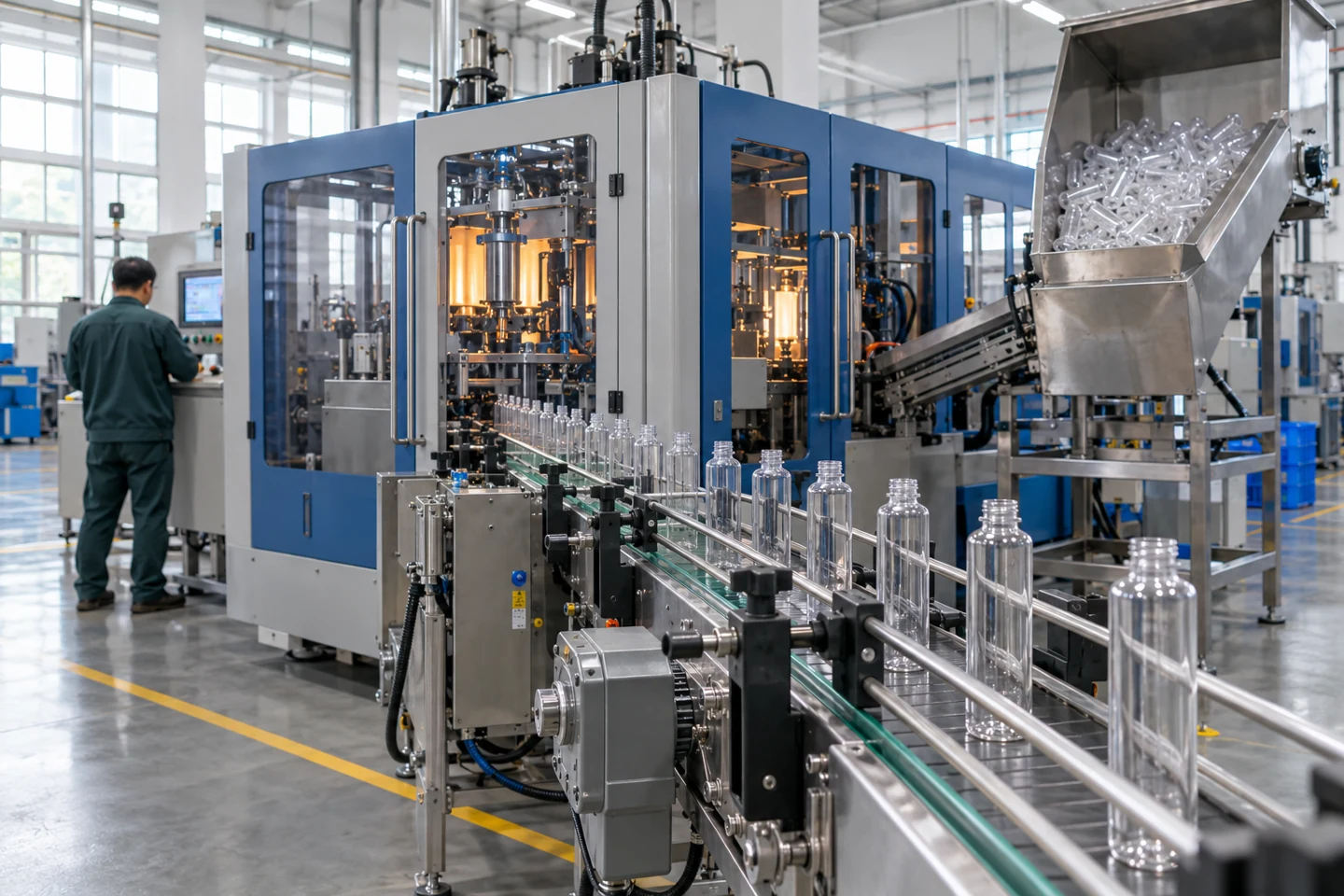
Compare bottles from identified lots and retain an accepted earlier reference.
Use consistent light, background and empty or filled conditions.
Review the resin and relevant source or content changes with the material team.
Compare the production and later handling conditions for the affected samples.
Record whether the color difference is visible in an empty bottle, after filling, after decoration or during storage. Compare against an agreed reference under consistent lighting. A yellow-looking sample does not identify a single cause on its own.
Keep the resin route, bottle reference and production or batch information with the samples. Review processing and any material changes with the manufacturing team. If recycled material is involved, compare the proposed appearance range and its supporting specification rather than assuming every bottle should look identical.
The formula, background and viewing conditions can change how a clear bottle appears. Compare empty and filled samples side by side and identify any surface treatment. Review relevant storage exposure with your product team before deciding which variable needs investigation.
Choose a representative physical reference and a practical assessment method. If the proposal includes a tint, coating or other visual adjustment, review the finished pack and retain the functional checks. Keep the accepted material and process conditions identifiable for the next order.
A color difference should be reviewed with the relevant material, sample history and viewing conditions in mind. Keep an earlier reference where available and identify when the difference was first noticed. Images taken under different lighting or against different backgrounds can make comparison difficult, so a consistent physical review is useful when appearance is the concern.
Share the selected bottle reference and the information available about the material, filling and storage conditions. PauPack can help organize the packaging discussion and identify which parts of the evaluation require the material or product team. A visible change alone does not establish a single cause. Keeping the sample references and observations together provides a more practical starting point for deciding what to investigate next.
People behind your packaging
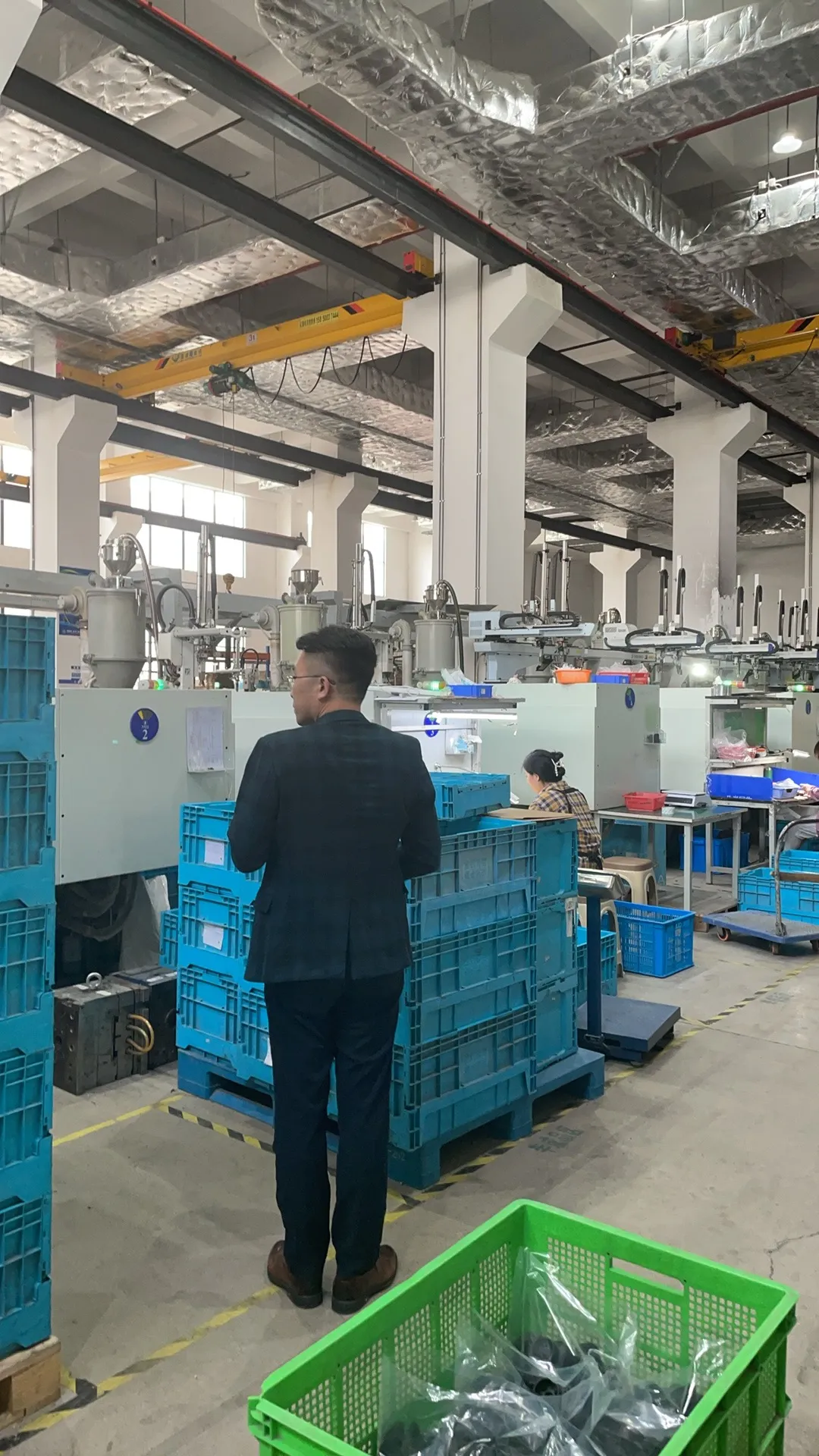
Since 2013, PauPack has combined manufacturing and trade services for packaging projects. Investment in four factories supports our work across bottle development, production and complete packaging coordination.
Explore our history ↗
Customer feedback
“Their attention to detail, from material selection to final finishing, ensures our products always stand out on shelves.”
Claud** Wagn** · Watsons
Published in PauPack’s customer feedback
Packaging questions
A photograph can show the observation but usually does not establish its cause. Compare physical samples under consistent lighting and record whether the change occurred before or after filling, decoration or storage. Connect those observations to the material and batch references.
Yes. Review the empty container, the contents and the finished decorated pack separately and together. This helps distinguish a visible material or surface difference from an effect of the product, lighting or surrounding components.
No single visual observation establishes that conclusion. Review the selected resin, processing, storage and product-contact conditions with representative samples. Keep material information and the agreed appearance range with the investigation.
A tint or finish may change the appearance, but it should be assessed as a design choice after the underlying observation is understood. Confirm that the selected bottle still meets the product and functional requirements before approving the final finish.
Compare affected and accepted samples under consistent lighting and keep their material, production and storage records identifiable. Note whether the difference appeared before or after filling or decoration. Those observations help the responsible technical team narrow the investigation instead of attributing every color change to one cause. Plastic Bottle Manufacturing →
Review the exact resin, bottle construction, neck and closure with the formula and filling method. Compare clarity and finish on physical samples rather than assuming PET and PETG are interchangeable. Keep the selected material description visible in the quotation and approval record.
CONTINUE YOUR PROJECT
 CONTINUE READING
Explore related guides and practical project tools.
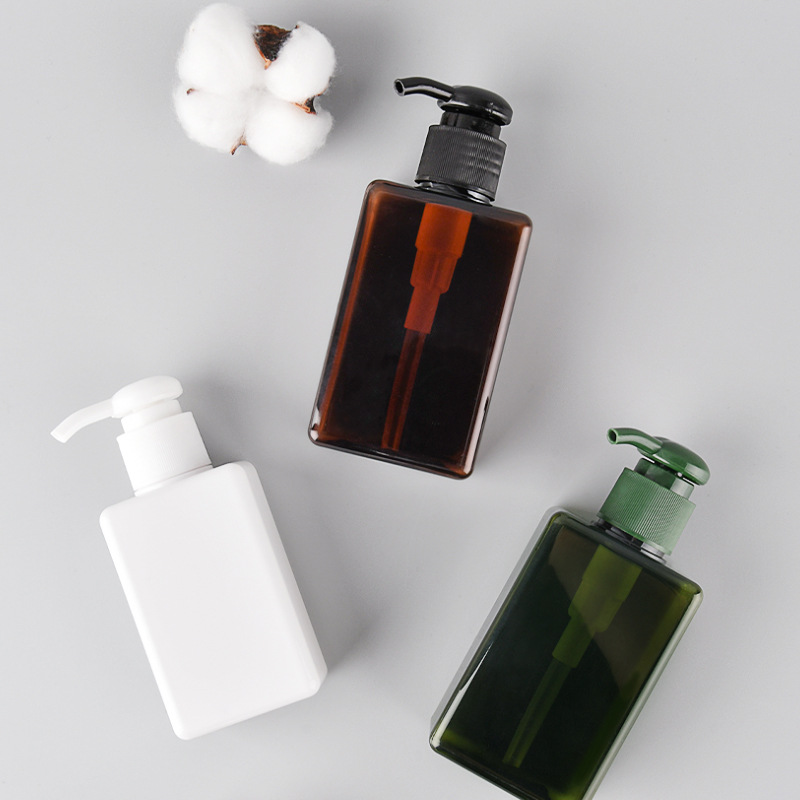 APPLY THE GUIDANCE
Select bottles and dispensing systems for shampoos, conditioners, scalp care, body care and professional-use formats.
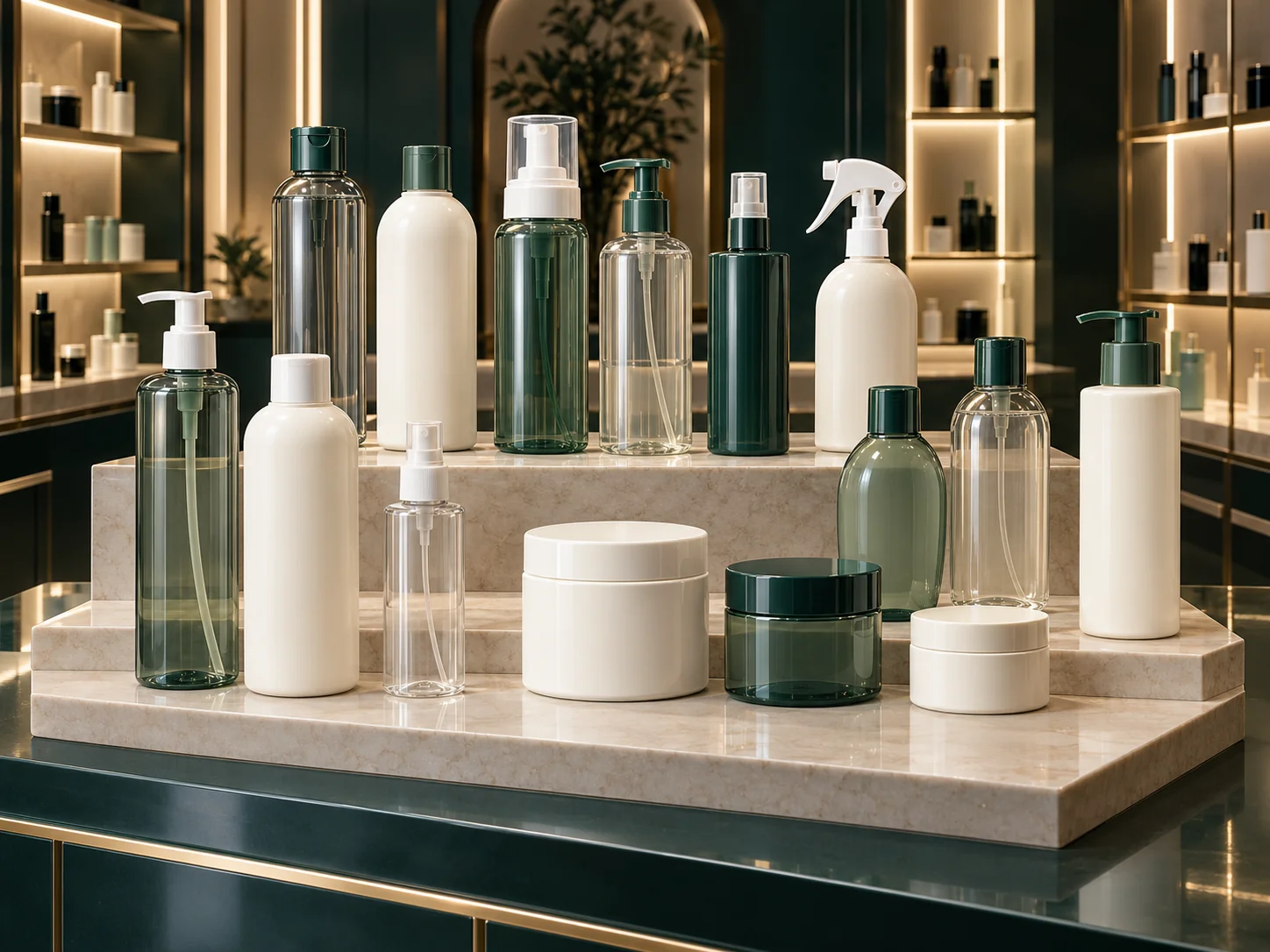 APPLY THE GUIDANCE
Personal Care Packaging manufacturer and supplier for custom bottles, jars, closures, decoration and complete packaging systems.
APPLY THE GUIDANCECompare bottle and jar formats alongside resin, closure and dispensing requirements.