Shape and capacity
Review the bottle profile, usable fill and base with the intended product.
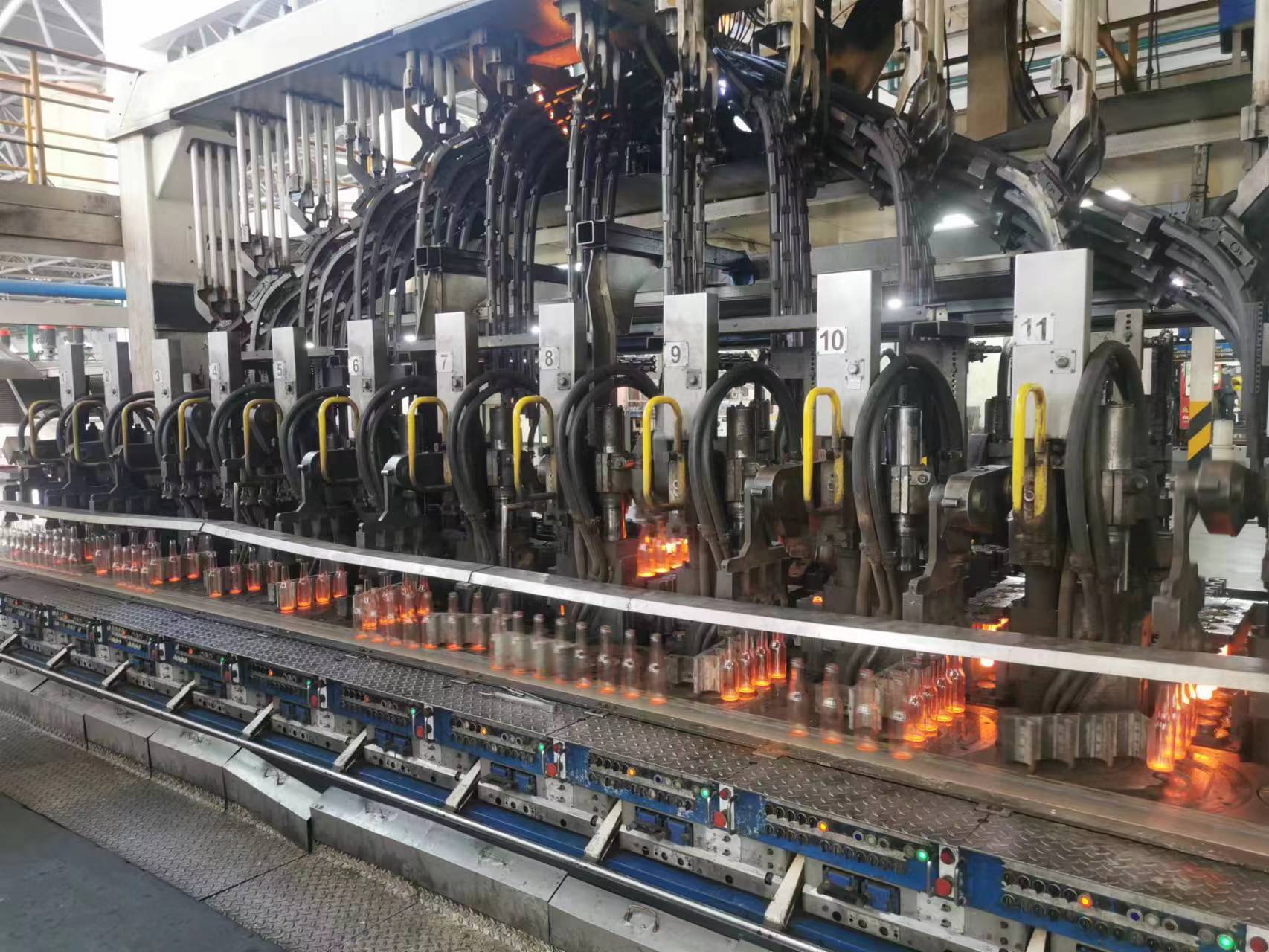
Develop your glass bottle around its capacity, appearance and closure system. We coordinate the selected glass-forming route with tooling, decoration, inspection and packing so the bottle works as part of your finished product.
PROJECT HANDOVER
Bottle geometry, glass appearance, closure drawing and intended contents.
Review forming limits, dimensional checks and decoration compatibility.
A confirmed sample and specification for the selected bottle route.
Your packaging choices
Review the bottle profile, usable fill and base with the intended product.
Keep the finish dimensions and sealing interface linked to the selected cap or pump.
Agree references for color, visible surfaces and decoration placement.
Protect contact areas and separate decorated bottles for the intended transport route.
Component fit, formula contact, decoration and distribution conditions should be reviewed together.
A glass bottle sample should be reviewed with its closure and finished presentation. The mold and forming route establish the container geometry; downstream decoration and packing add further requirements. Keep the drawing, accepted appearance and inspection priorities tied to the selected version. Before changing the glass, tooling or a mating component, identify the sample checks needed for that revision.
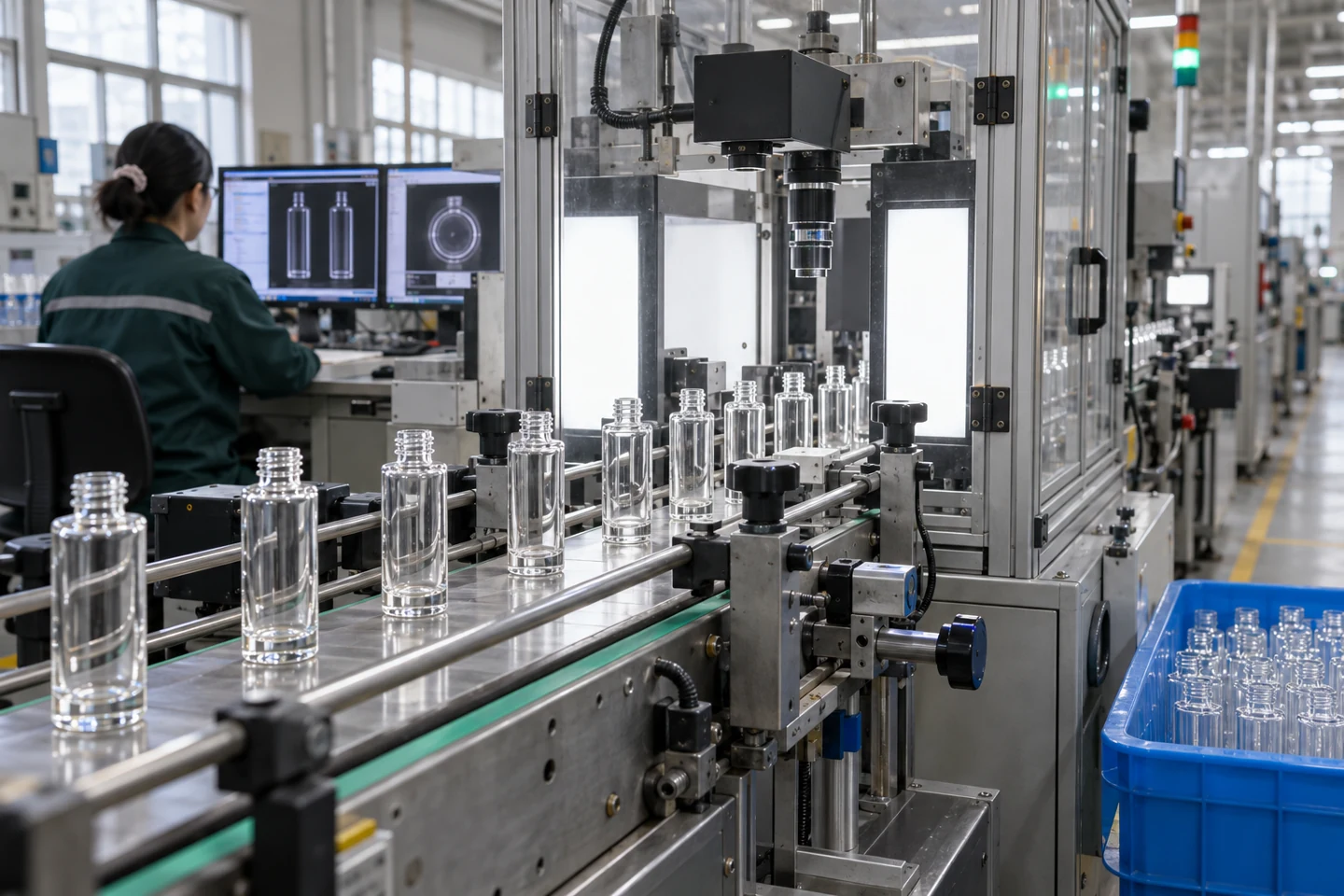
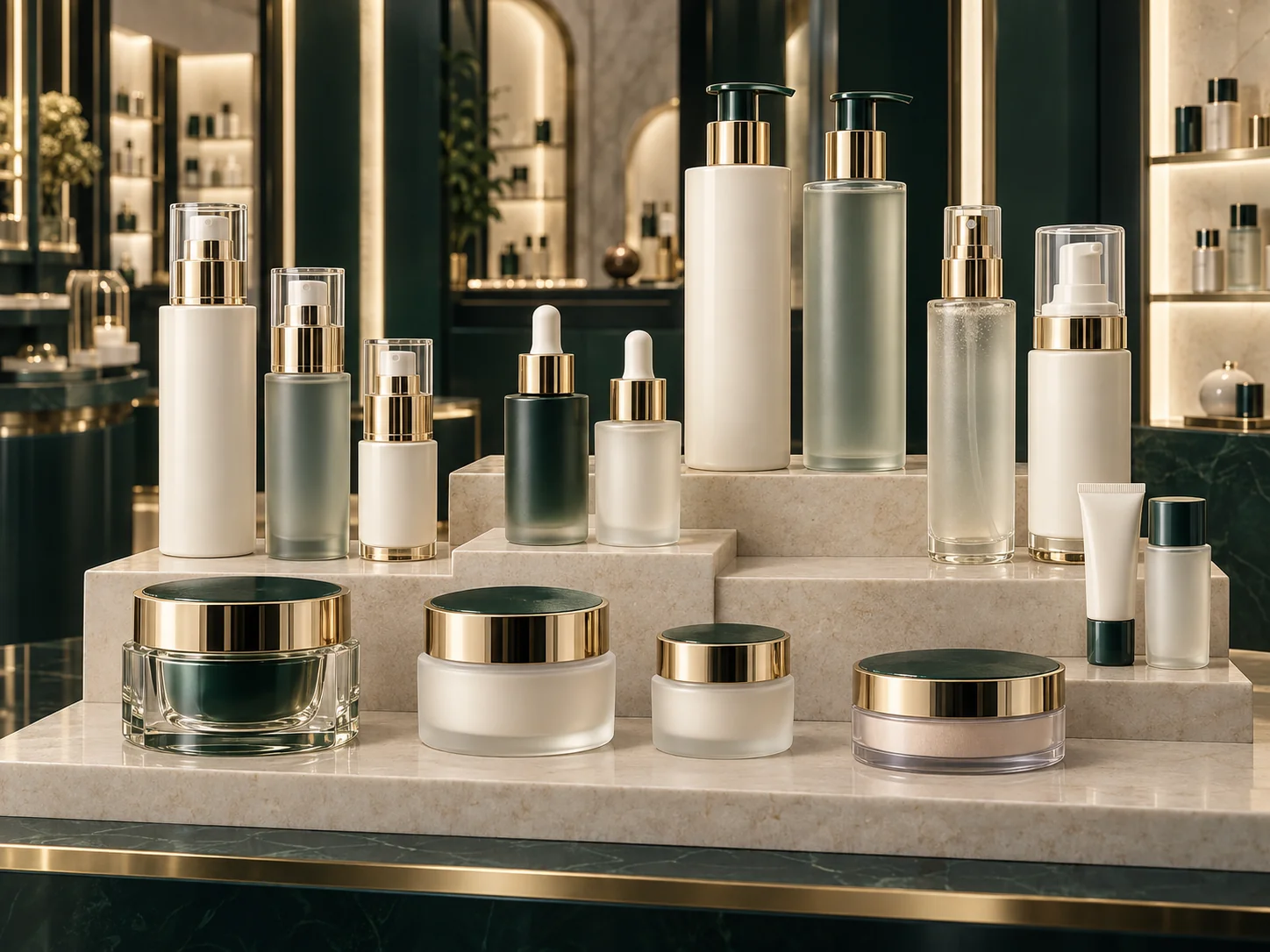
Glass gives a brand many ways to express its identity through proportion, transparency, color and surface treatment. PauPack starts with the product and the intended presentation, then connects those design choices with the bottle format, closure and decoration. An existing shape may provide the right starting point. A custom form may be worth exploring when the desired silhouette or family of sizes cannot be achieved through an available design.
The neck and base deserve attention early. The closure interface needs to suit the selected pump, cap or stopper, while the standing surface and overall proportions affect handling and display. Label and decoration areas should also be considered before a distinctive shape is finalized. Reviewing these details together helps maintain the design intent as the project moves from a visual reference to a physical sample.
A glass sample provides information that a rendering cannot: the feel in the hand, the appearance through the wall, the relationship between the shoulder and closure, and the way light interacts with the surface. We encourage an assembled review with the intended cap or pump and the proposed decoration. Where several sizes form one collection, they should be viewed together rather than approved independently.
Production discussions then need a clear reference for dimensions, appearance and packing. The appropriate inspection and testing depend on the container, contents and distribution route; one generic specification does not cover every glass project. PauPack coordinates the bottle, finishing and supporting packaging requirements so your team can approve a complete scope. Share your reference shape, intended capacity, closure and visual direction to begin that conversation.
People behind your packaging
Since 2013, PauPack has combined manufacturing and trade services for packaging projects. Investment in four factories supports our work across bottle development, production and complete packaging coordination.
Explore our history ↗
Customer feedback
“Their attention to detail, from material selection to final finishing, ensures our products always stand out on shelves.”
Claud** Wagn** · Watsons
Published in PauPack’s customer feedback
Packaging questions
Surface treatment affects color, tactile feel, artwork placement, handling marks and the visual standard that needs approval. Confirm the decoration zones, reference sample, protective packing and acceptable variation before commercial production.
The decision depends on desired appearance, transport weight, sustainability direction, available component system, decoration and commercial timing. Compare the material route against the actual product and market rather than assuming one glass option fits every program.
Approve the container dimensions and visual reference, selected closure or dispenser, decoration, packing configuration and project-relevant quality criteria. Record any material or sustainability evidence separately from the design approval.
Glass container production includes preparing and melting the batch, forming the container, controlled cooling and inspection. For your project, focus on the approved geometry, neck finish, wall and base consistency, appearance and decoration. The inspection plan should follow the selected bottle and filling use rather than assume that every glass format needs identical checks. Glass Bottles And Jars →
Compare the intended shelf presence with filled handling, closure fit and shipping protection. Review the actual dimensions and weight for the selected model. A heavier base can change proportions and freight, so assess it with the complete carton and order rather than as an isolated feature.
CONTINUE YOUR PROJECT
 CONNECTED PROJECT STEP
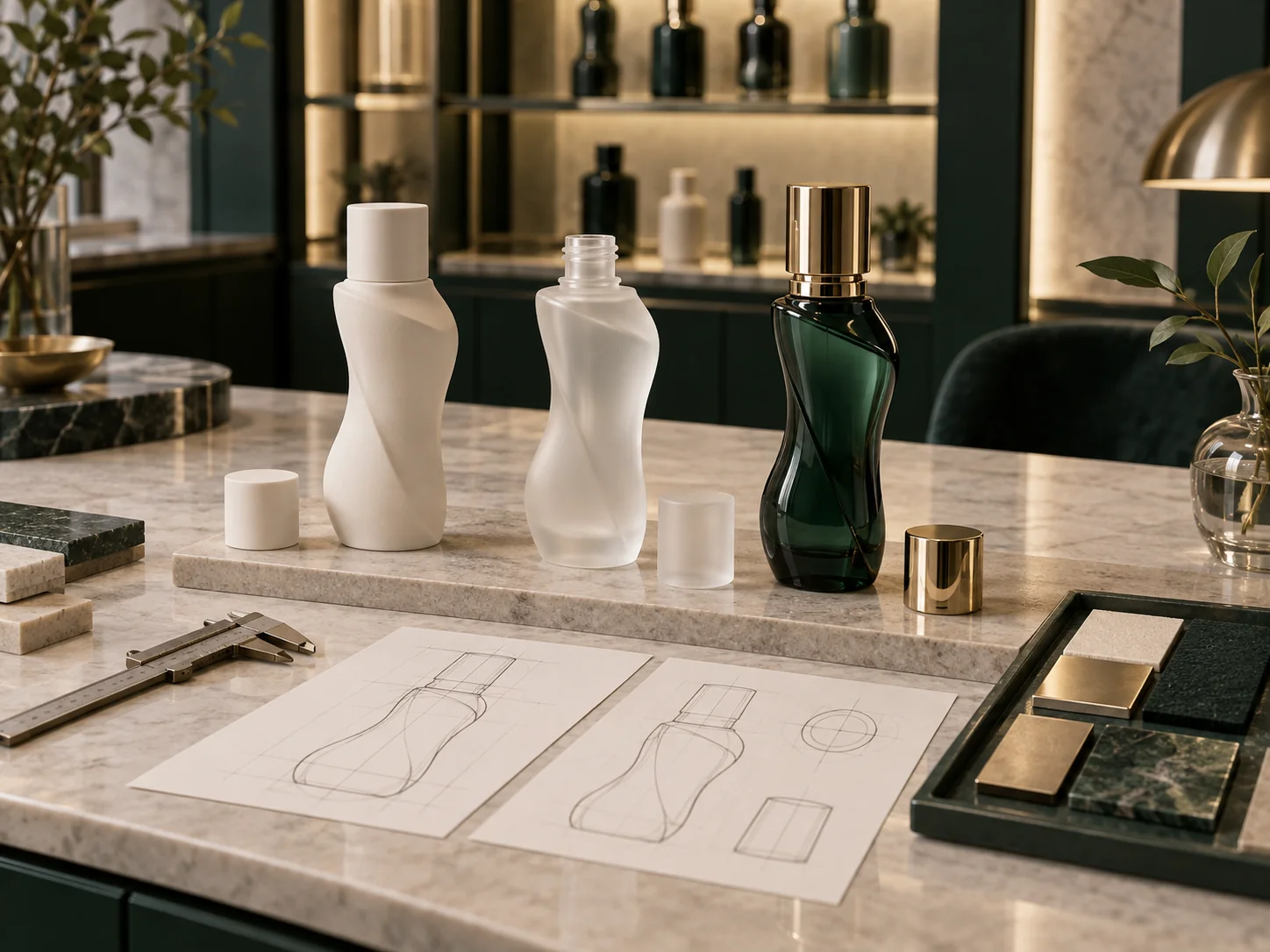
See how PauPack manages feasibility, mold development, manufacturing, decoration and validation before your packaging reaches the filling line.
 CONNECTED PROJECT STEP
Build skincare packs around formula protection, pump performance, decoration durability, launch speed and brand consistency.
CONNECTED PROJECT STEPCompare packaging for skincare, cosmetics, fragrance and beauty programs with material, component, decoration, sustainable-option and custom-development guidance.
PACKAGING GUIDESUse the related guidance before confirming the next selection or sample.