
Location and timing
Note where the liquid appears and when the issue occurs.
A leak can arise from the assembled bottle-and-pump system even when individual parts appear acceptable. Begin with the actual components, formula and assembly conditions, then investigate the interface using identified comparison samples.

Your packaging choices
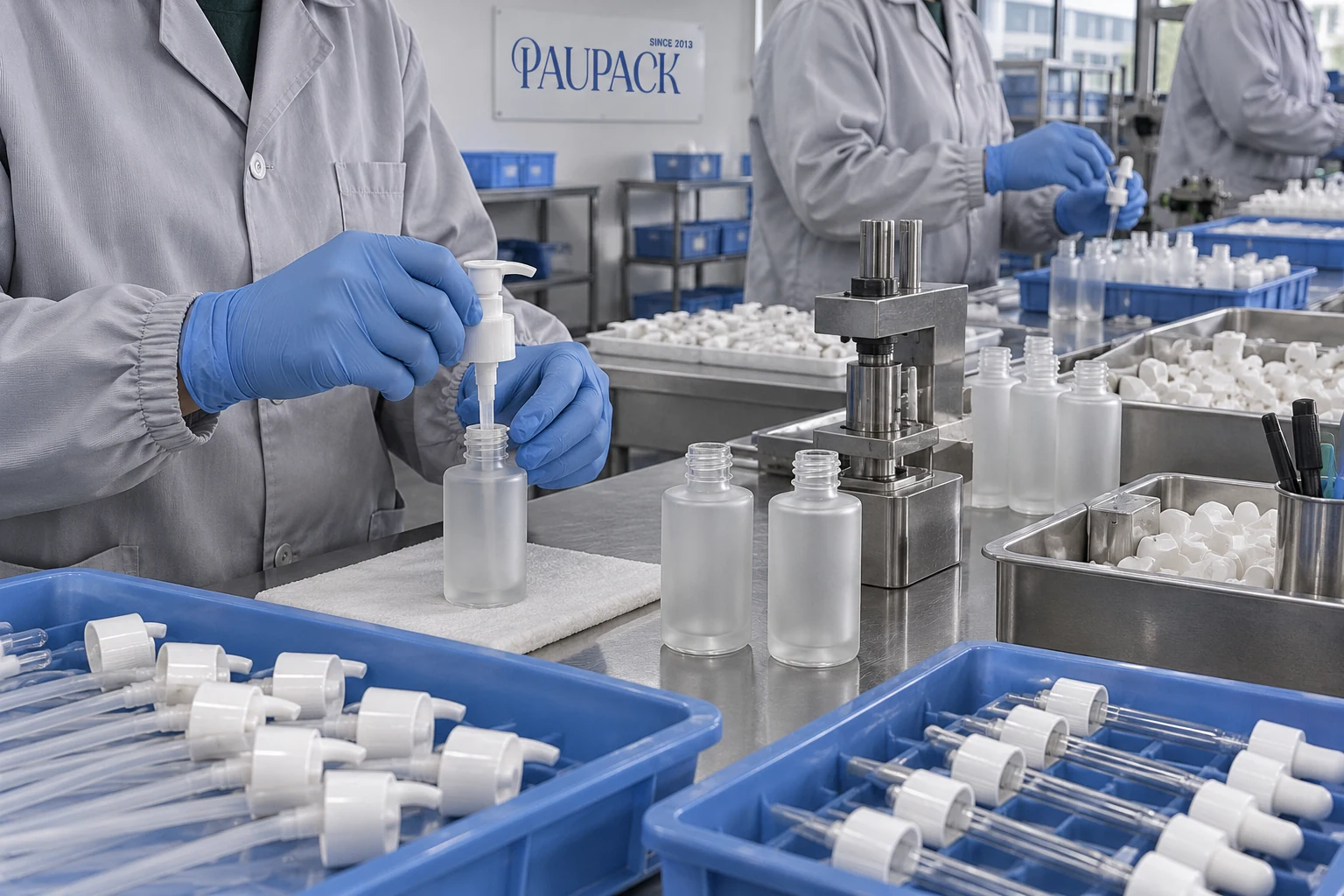
Note where the liquid appears and when the issue occurs.
Review neck geometry, engagement and the selected gasket or sealing arrangement.
Keep closing method and relevant settings with the sample record.
Change one defined variable and compare the revised set with the original.
A leak at the neck, actuator, vent or bottle body points to different questions. Record the location, fill, storage orientation and handling conditions. Photograph the affected assembly and keep representative leaking and non-leaking samples from the same component set for comparison.
Check the bottle finish, threads or attachment geometry, sealing surfaces, liner and pump engagement. Include the actual assembly method. A nominal neck match does not establish that every dimension and sealing feature is compatible, particularly when components come from different sources.
Review the formula, filling, closure application and distribution conditions with the responsible teams. Compare assemblies under an agreed method rather than changing several variables at once. If a different liner, closure or setting is proposed, identify that change clearly so its effect can be assessed.
Keep the corrected component references with the sample and the agreed checks. Review dispensing and opening as well as the original leak location, because a change can affect more than one function. Carry the accepted construction into the production and packing specification before repeat supply.
A useful leakage review starts with the actual assembly and the conditions in which the issue was observed. Identify the bottle and pump references, how they were fitted and whether the observation occurred during storage, handling or transport. A photograph may show the result, while the physical components and available drawings help the team investigate the interface.
Avoid changing several parts at once without recording what has changed. Keeping the original and revised combinations identifiable makes the review more meaningful. PauPack can help coordinate the component discussion and sample-matching route; the appropriate evaluation should reflect the intended contents and use. The objective is to understand the relevant combination rather than assign a cause from the appearance of a single image.
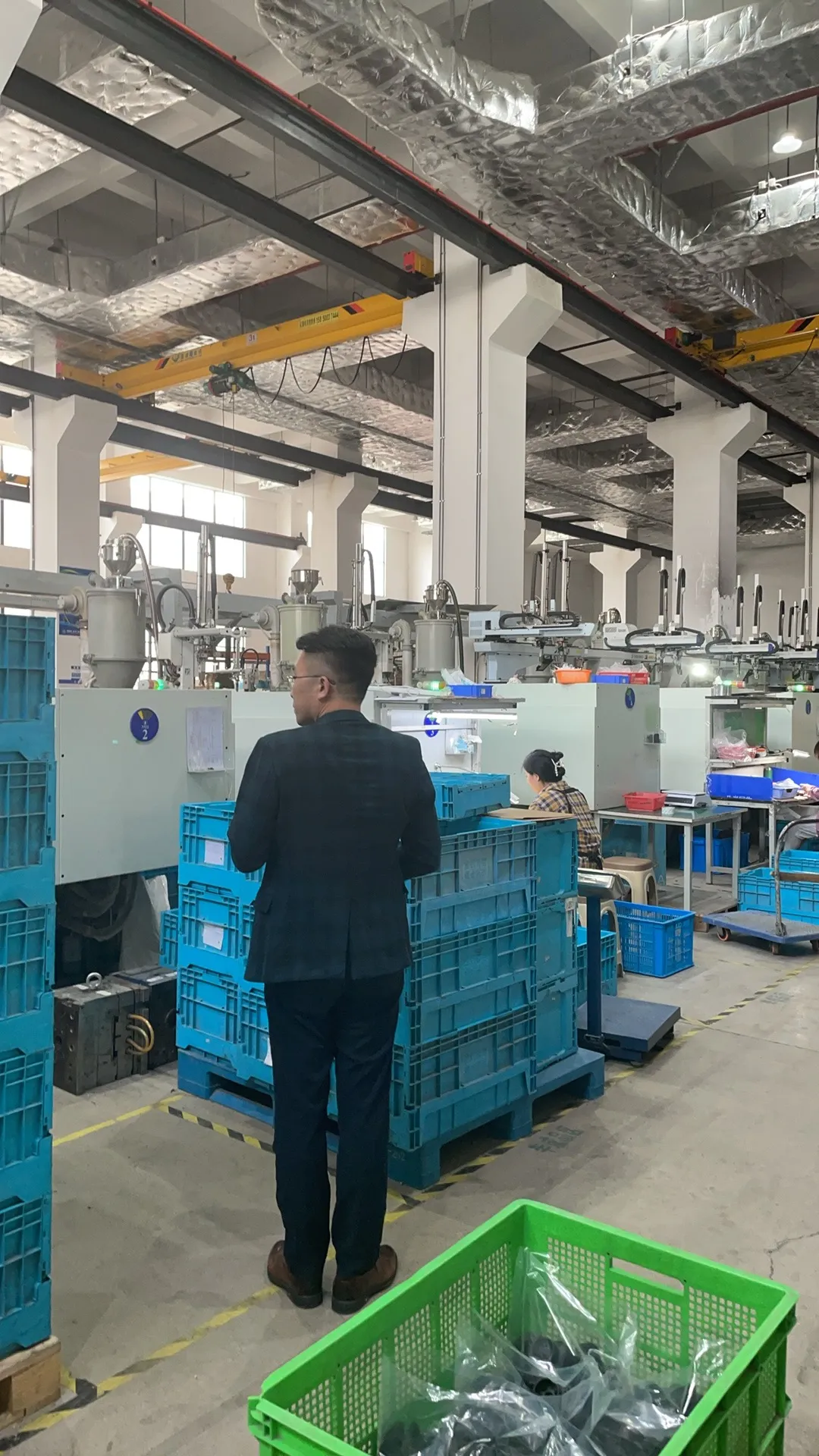
People behind your packaging
Since 2013, PauPack has combined manufacturing and trade services for packaging projects. Investment in four factories supports our work across bottle development, production and complete packaging coordination.
Explore our history ↗
Customer feedback
“Their attention to detail, from material selection to final finishing, ensures our products always stand out on shelves.”
Claud** Wagn** · Watsons
Published in PauPack’s customer feedback
Packaging questions
No. Review the complete neck finish, sealing surfaces, engagement and any liner or gasket. Test the selected bottle and pump together using the intended contents and assembly conditions. The diameter is only one part of the interface.
First review the intended application conditions and the cause of the leak. Increasing force without understanding the interface can create another problem. Use the component requirements and an agreed sample assessment to decide what should change.
Share component references, photos of the leak location, formula category, fill conditions, closure application method and when the leak appears. Include the storage orientation and packing configuration so the affected conditions can be reproduced.
An empty assembly may answer some dimensional or mechanical questions, but it does not represent every interaction with the contents. Agree a review using the intended formula, filling and handling conditions where those affect performance.
Keep the affected sample and identify the bottle, pump, seal, formula and assembly conditions. Describe when leakage appears and the storage or transport conditions involved. Compare the assembly with the approved reference before changing parts so the review can address the observed cause. Closure Compatibility →
CONTINUE YOUR PROJECT
 CONTINUE READING
Explore related guides and practical project tools.
 APPLY THE GUIDANCE
Build skincare packs around formula protection, pump performance, decoration durability, launch speed and brand consistency.
APPLY THE GUIDANCECompare packaging for skincare, cosmetics, fragrance and beauty programs with material, component, decoration, sustainable-option and custom-development guidance.
APPLY THE GUIDANCECompare dispensing formats, neck interfaces, liners and the parts needed to complete the pack.