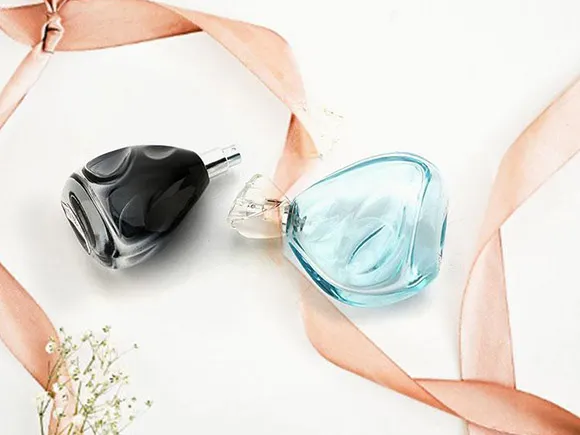
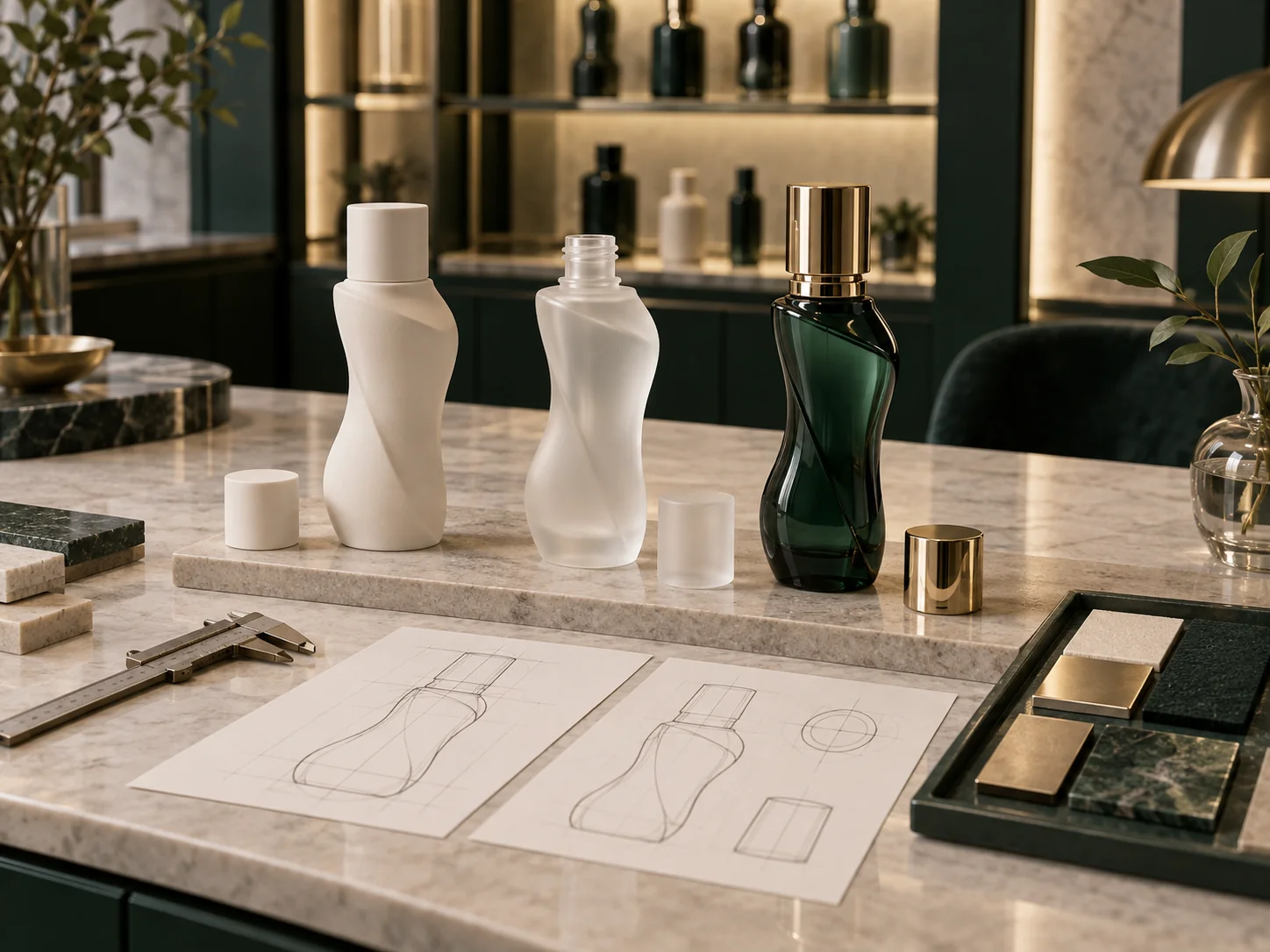
Bottle character
Compare proportions, base shape and the way the bottle feels in the hand.
Develop a distinctive perfume presentation around the bottle, spray system, cap and fitted box. This example follows the design decisions that connect a recognizable silhouette with an assembled sample your team can evaluate.
Your packaging choices
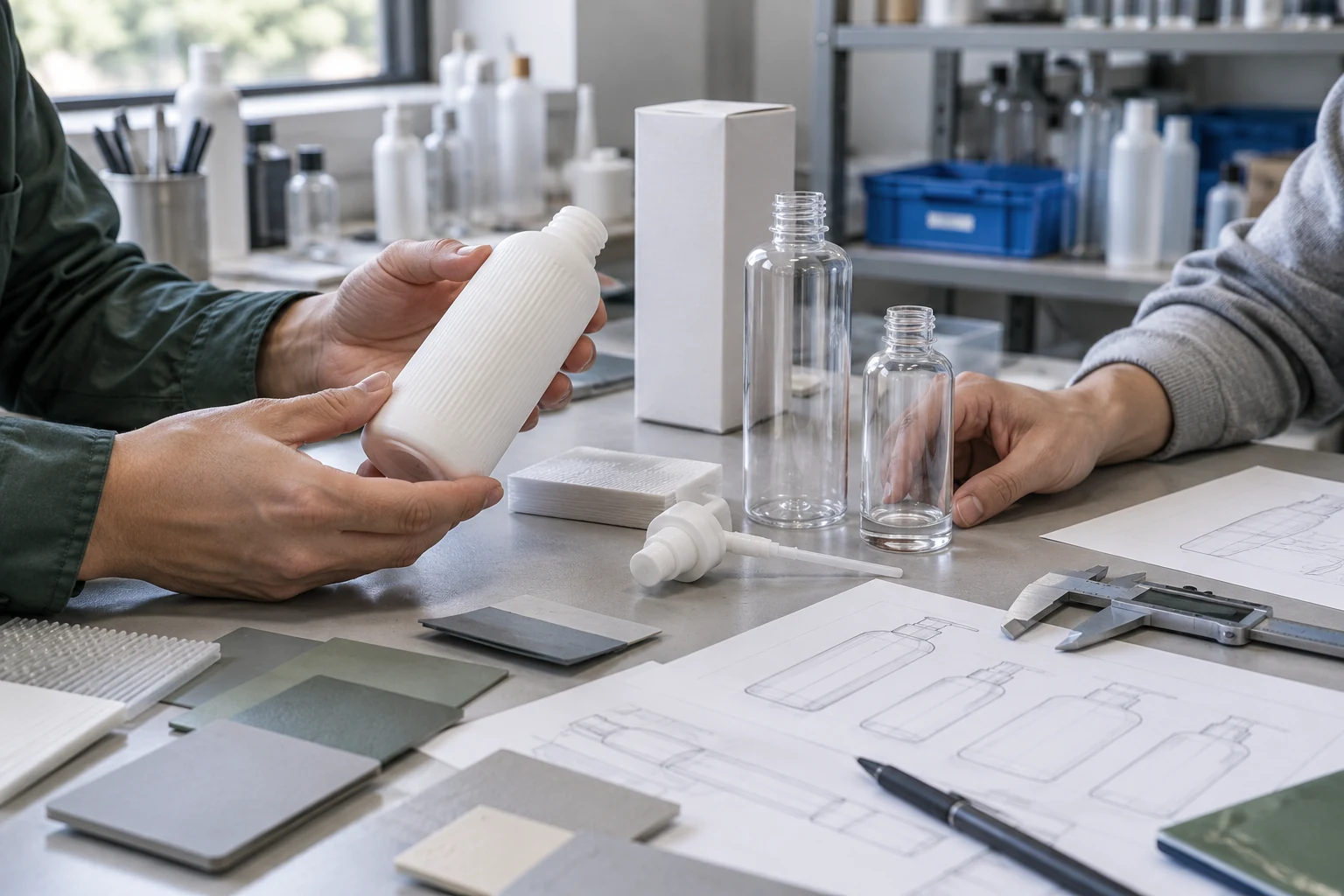
Compare proportions, base shape and the way the bottle feels in the hand.
Match the neck, pump, collar and cap with the intended closing method.
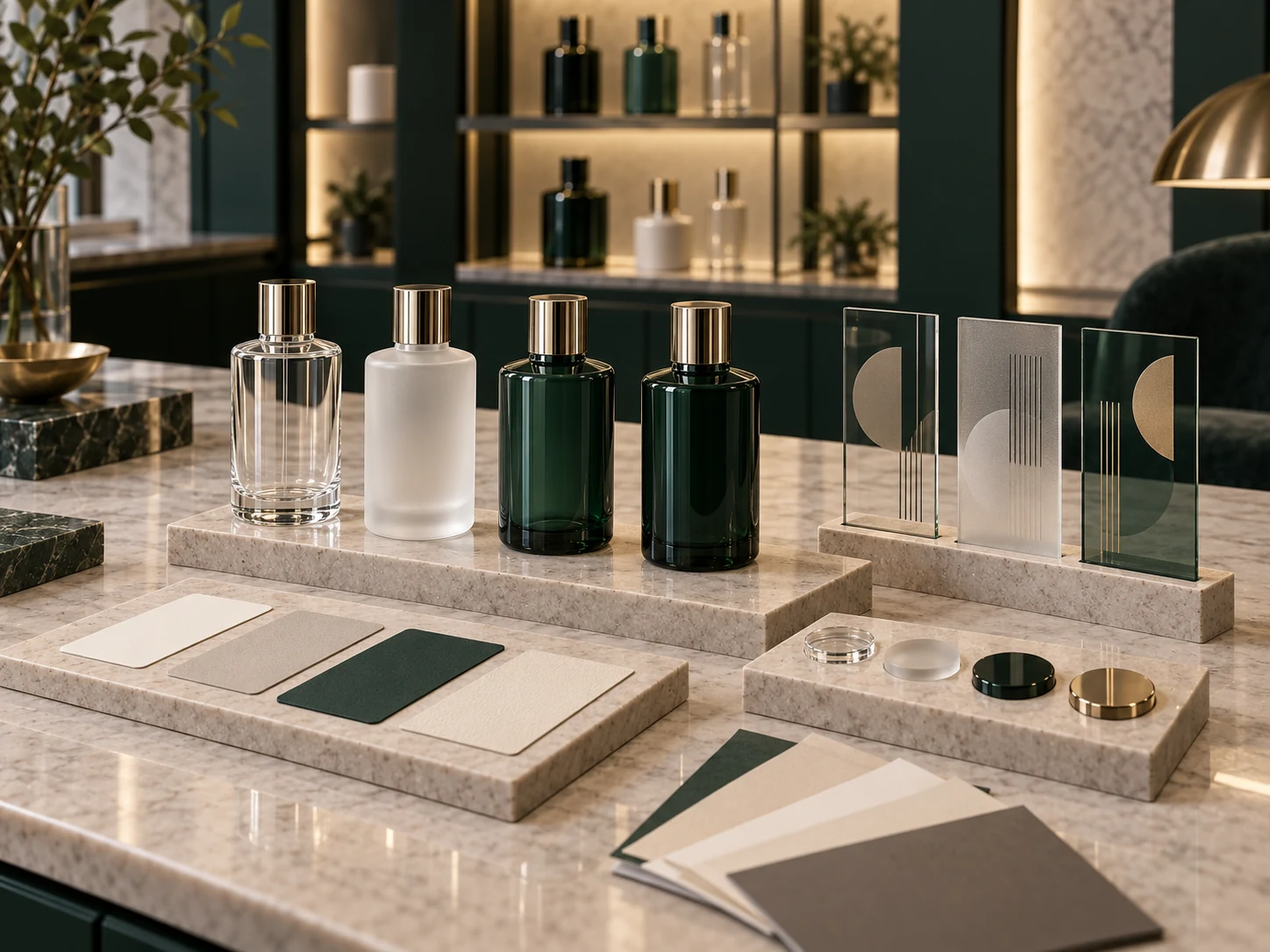
Review glass, decoration and cap appearance under the same lighting.
Assess insert fit, protection and the sequence in which the product is revealed.
Component fit, formula contact, decoration and distribution conditions should be reviewed together.
A fragrance development sample should bring the selected bottle and closure together early. A distinctive cap can change the balance and assembled height even when the bottle shape stays the same. Once those interfaces are established, compare decorated samples and the fitted box. The approved combination becomes the reference for quoting, production planning and future sizes in the collection.
01 / The design challenge
A fragrance concept often starts with a strong visual reference: the curve of the bottle, the scale of the cap or the way light moves through the glass. PauPack connects that direction with the pump, collar and bottle interface before treating the appearance as settled. The objective is a pack that looks coherent when assembled and supports the intended filling and dispensing experience.
Begin by identifying which features are essential to the brand. An existing bottle with considered decoration may provide the desired character. If the silhouette itself is essential, a design and tooling review can establish the development work required. This comparison gives the custom route a clear reason and a scope that can be discussed commercially.
02 / Dispensing and appearance
Bring the bottle, pump, collar and cap together for review. Check the proportions at actual size, including how the cap sits and how it is removed. Agree the intended spray experience with the fragrance and filling teams so sample feedback is specific. Appearance alone does not establish that the pump and product work well together.
Keep the reference for each component with the sample. If an early sample uses a different liquid or an unfinished component, record that difference and the work still needed. PauPack can coordinate the related decoration and box discussions so a late component change does not leave the rest of the pack disconnected.
03 / Complete-pack validation
The carton and insert should be reviewed with the finished assembly, including its tallest or widest features. Consider the contact points around the cap and decorated surfaces, the opening sequence and the packing operation. A bottle that looks balanced on its own may need a different support arrangement inside the box.
For quotation, include the intended bottle, dispenser, decoration and paper pack in the same component list. Separate development or tooling work from the recurring supply scope. This makes it easier to compare an existing design with a newly developed form and to understand what the opening order includes.
04 / Future sizes
A second size can share the visual language of the original without sharing every component. Review the new bottle and pump combination on its own, then place both packs side by side. Keep the agreed color, finish and artwork direction connected to the component references. PauPack can use that approved direction to discuss travel sizes, discovery formats or a later line extension while making the differences clear.
People behind your packaging
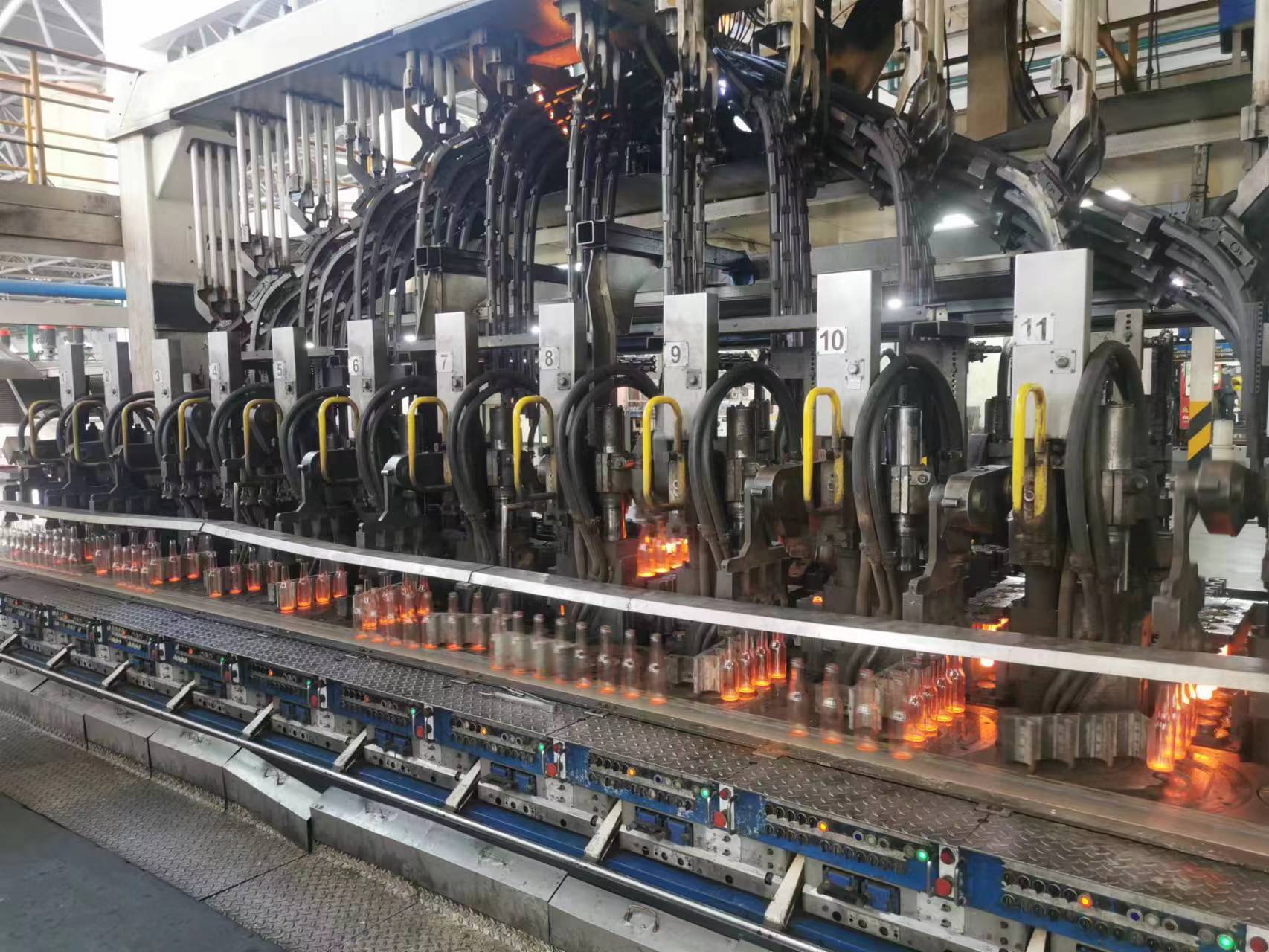
Since 2013, PauPack has combined manufacturing and trade services for packaging projects. Investment in four factories supports our work across bottle development, production and complete packaging coordination.
Explore our history ↗
Customer feedback
“Their attention to detail, from material selection to final finishing, ensures our products always stand out on shelves.”
Claud** Wagn** · Watsons
Published in PauPack’s customer feedback
Packaging questions
Yes. A suitable existing bottle can be developed through coordinated pumps, caps, decoration and paper packaging. If the silhouette itself is essential to the brand, we can discuss a new form. Compare the complete presentation and the development scope before deciding which route is appropriate.
This guide explains how PauPack approaches the packaging challenge. It does not report a named customer order or claim a measured project outcome. Discuss your requirements with us to identify the relevant development route and available project-specific references.
Set the required function, capacity, main geometry and interfaces with closures or other components. Identify decoration and packing constraints, then agree the drawing revision and trial-sample route. A distinctive feature should have a clear purpose and a practical way to be produced and checked.
Use a named drawing and artwork revision for each approval. Record changes to the container, components and assembly rather than reviewing each in isolation. Keep the approved sample and agreed tooling terms with the order so repeat production follows the same design decisions.
CONTINUE YOUR PROJECT
CONNECTED PROJECT STEPCoordinate bottle shape, pump, collar, cap, decoration, inserts and boxes to create a consistent fragrance presentation.
CONNECTED PROJECT STEPPerfume Packaging manufacturer and supplier for custom bottles, jars, closures, decoration and complete packaging systems.
CONNECTED PROJECT STEPCompare bottle forms alongside the pump, collar, cap, decoration and presentation box.
 PACKAGING GUIDES
Use the related guidance before confirming the next selection or sample.
 READ THE GUIDE
Connect bottle form, pump, cap and decoration decisions.