Material
Compare PET, PETG, HDPE, PP or an applicable recycled-content route for the intended use.
Select a plastic bottle route around your formula, shape, dispensing and appearance. We compare the appropriate resin and forming approach, then coordinate color, closure fit, decoration and packing for the selected container.
PROJECT HANDOVER
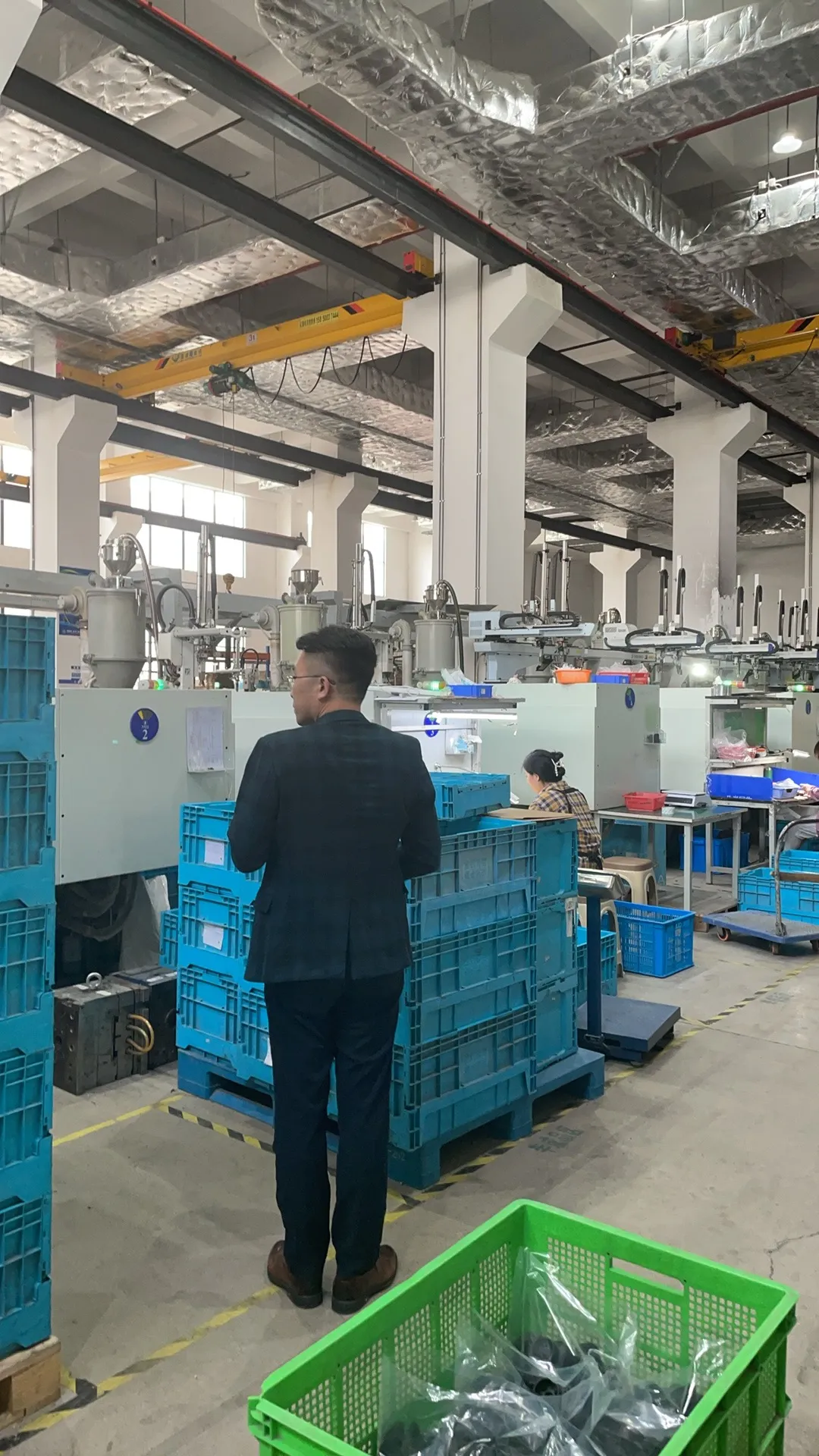
Resin direction, geometry, neck interface and intended formula.
Review process feasibility, appearance variation and performance checks.
A confirmed material and sample route with agreed controls.
Your packaging choices
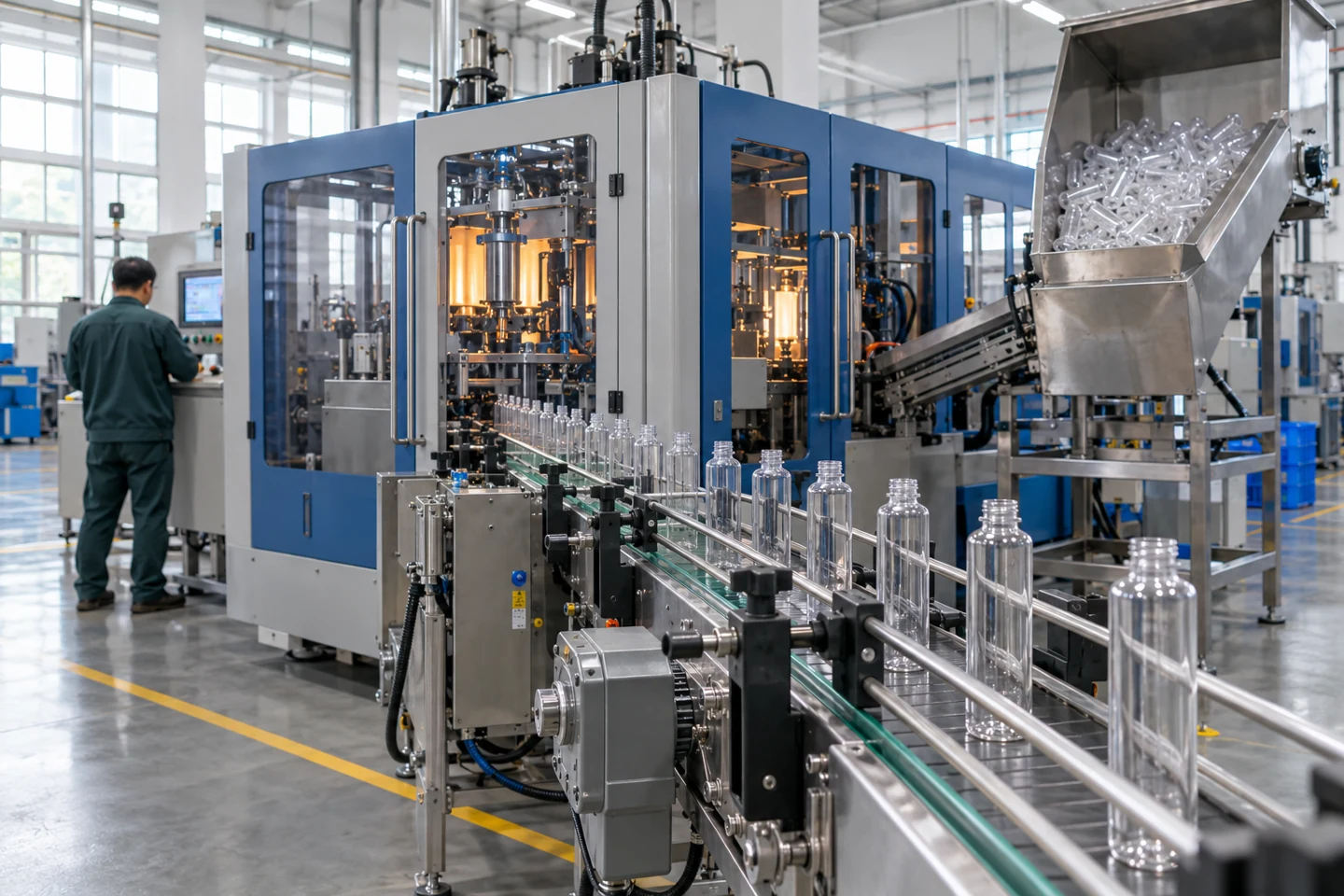
Compare PET, PETG, HDPE, PP or an applicable recycled-content route for the intended use.
Review shoulders, panels, neck and base with the manufacturing approach.
Match the bottle finish to the actual pump, cap or dispensing component.
Review clarity, color and decoration on a representative sample.
Component fit, formula contact, decoration and distribution conditions should be reviewed together.
A plastic bottle specification should identify the material and intended production route alongside its dimensions. A resin or wall-distribution change can affect the appearance and behavior of a familiar shape. Review samples with your product and filling conditions where relevant, and keep the accepted closure and finish connected to the bottle reference. Your quality plan should follow that complete assembly.
Plastic packaging can create a clear, soft, rigid, opaque or refillable presentation, depending on the selected material and construction. PauPack reviews the expected product use before narrowing the options. A squeezable personal-care bottle, a rigid cosmetic jar and an airless dispenser have different handling and assembly requirements. The right starting point is the complete pack in use, including the way it is filled, opened and emptied.
Material selection also influences the appearance of the finished design. Transparency, color, texture and decoration should be considered together, particularly when several components use different materials. We can help compare available formats with a custom development route and identify which visible details deserve a sample trial. An attractive reference photograph is helpful, but it should be supported by a clear description of the function you expect.
When a new shape is proposed, the design discussion needs to include its production route, closure interface and assembly. This is where engineering input can help preserve the important visual features while resolving details that may complicate manufacture. A prototype can support the design review, while the production sample establishes a different and more specific approval point. PauPack helps distinguish these stages so the team knows what each sample is intended to demonstrate.
For repeat supply, the selected material, component combination, decoration reference and packing arrangement should remain connected to the approved specification. Proposed changes deserve review before release. PCR content, refill structures and other sustainability options can be included in that same development discussion, with the required appearance, function and documentation considered for the actual project.
People behind your packaging
Since 2013, PauPack has combined manufacturing and trade services for packaging projects. Investment in four factories supports our work across bottle development, production and complete packaging coordination.
Explore our history ↗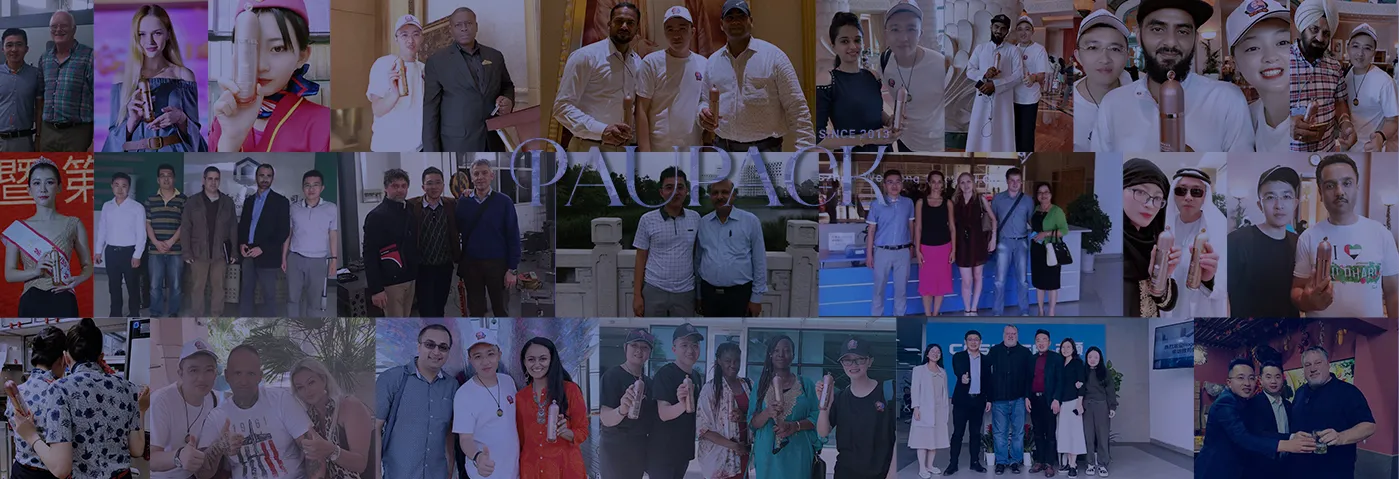
Customer feedback
“Their attention to detail, from material selection to final finishing, ensures our products always stand out on shelves.”
Claud** Wagn** · Watsons
Published in PauPack’s customer feedback
Packaging questions
They are practical when the selected route can meet function, visual expectation, component match, MOQ, supply conditions and supportable claim language. Recycled or renewable content should be evaluated with the complete package rather than selected only from a material name.
Confirm the neck finish, dip tube, actuator, liner, cap engagement and any expected output or lock function. Sampling should use the specified container-and-component combination because minor dimensional changes can affect the finished system.
Provide capacity, material direction, color or finish, closure type, decoration, initial and annual quantity, target market, delivery location and timing. State whether the project needs a stock item, modified design, custom mold or a sustainable material review.
Confirm the material, bottle drawing, neck and closure references, artwork and approved sample. A beauty packaging manufacturer also needs the filling and inspection requirements for the actual product. Keep any proposed change linked to the same specification before allowing it into the order.
No. Ask for the exact polymer and bio-based-content description rather than choosing by the feedstock name. A sugarcane-derived polymer and PLA can have different processing, use and disposal requirements. Review the selected material, closure and filling conditions before approving a bottle.
CONTINUE YOUR PROJECT
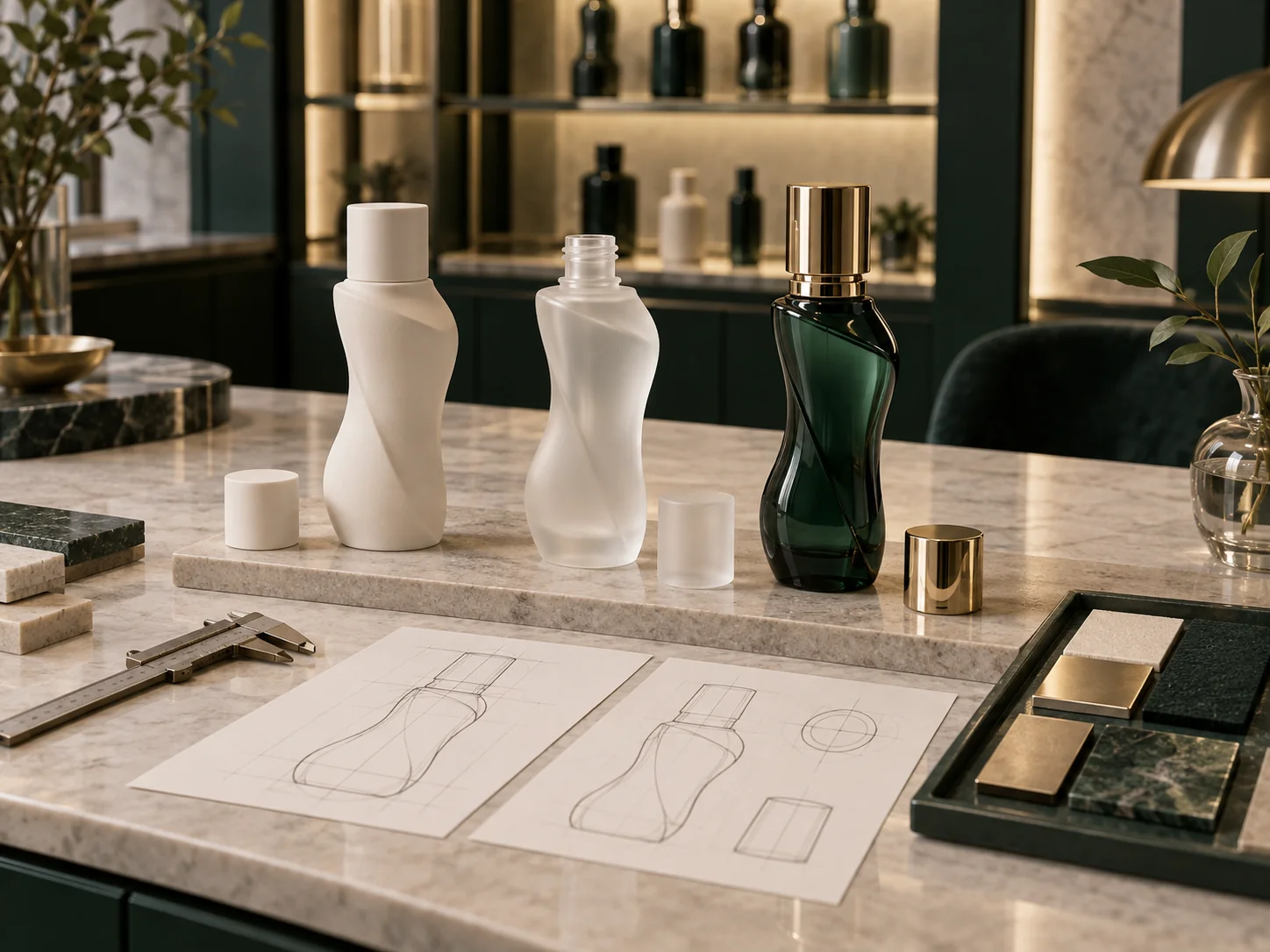 CONNECTED PROJECT STEP
See how PauPack manages feasibility, mold development, manufacturing, decoration and validation before your packaging reaches the filling line.
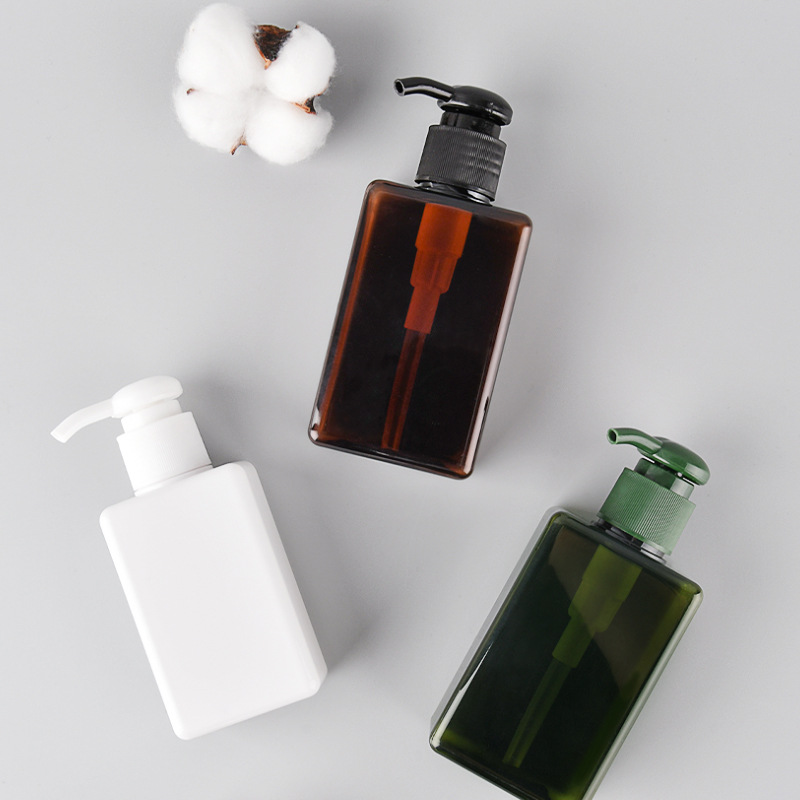 CONNECTED PROJECT STEP
Select bottles and dispensing systems for shampoos, conditioners, scalp care, body care and professional-use formats.
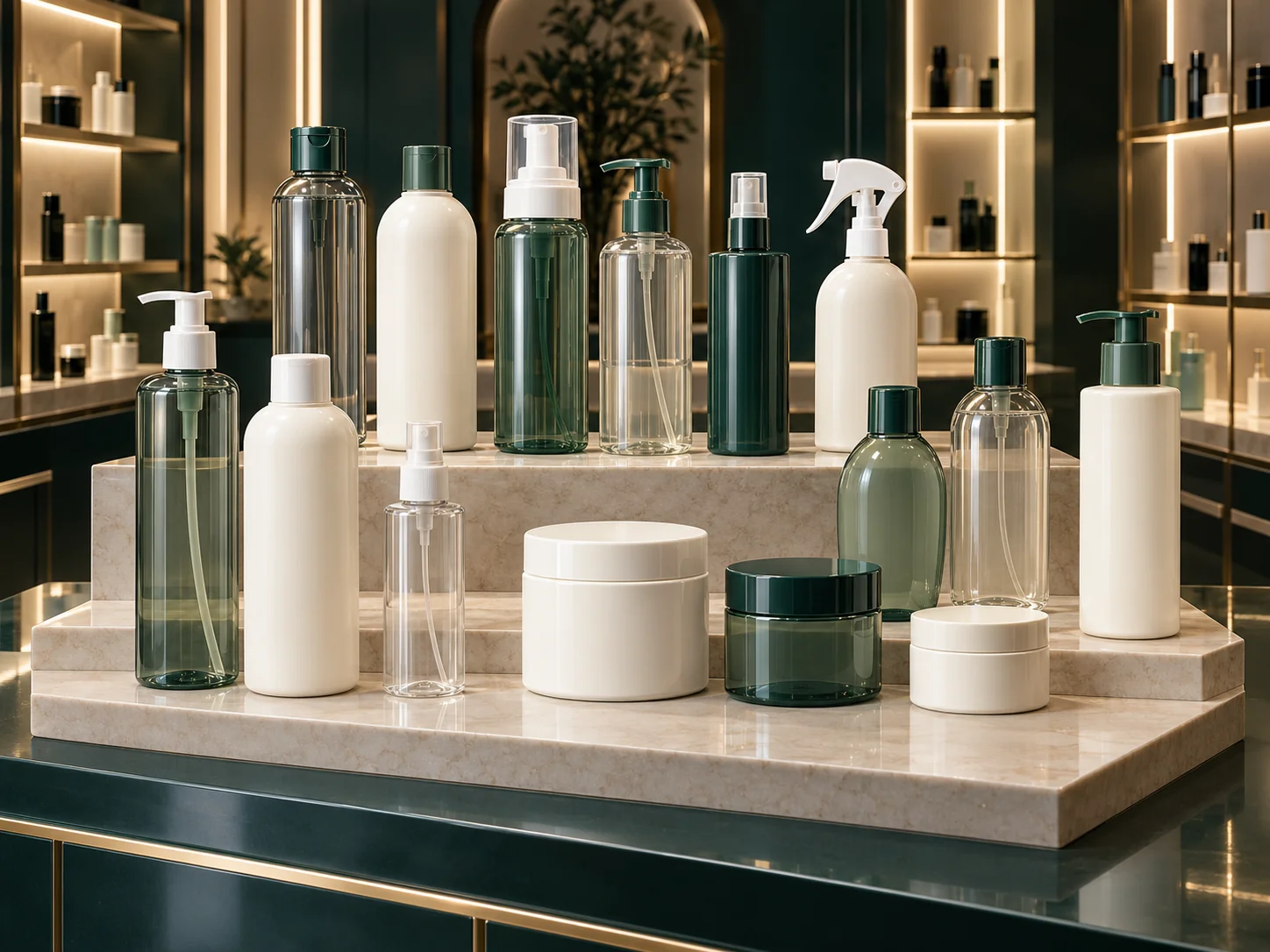 CONNECTED PROJECT STEP
Personal Care Packaging manufacturer and supplier for custom bottles, jars, closures, decoration and complete packaging systems.
PACKAGING GUIDESUse the related guidance before confirming the next selection or sample.