Color and clarity
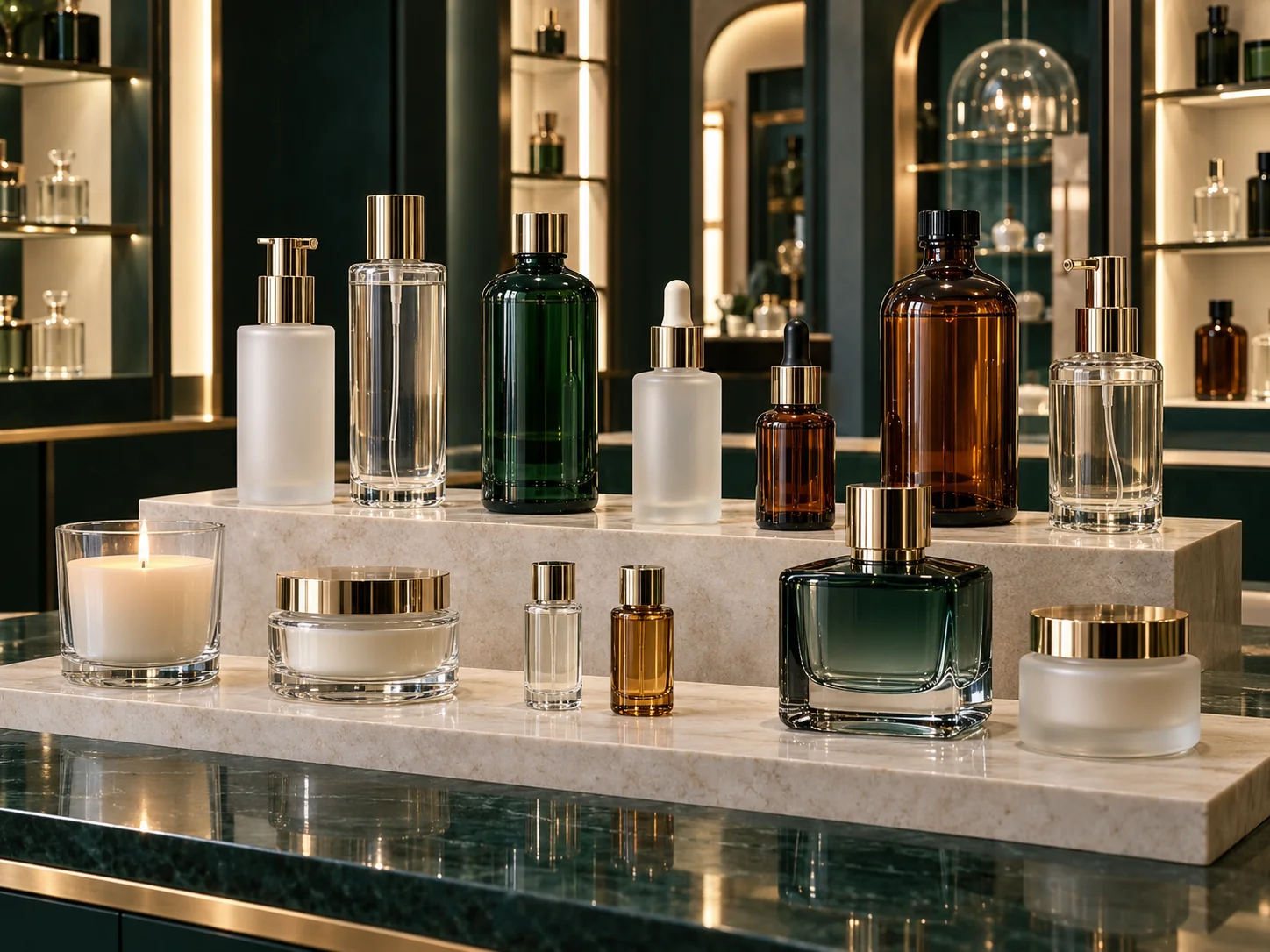
Compare representative samples under consistent lighting and beside the intended contents.
Sustainability
Compare recycled-glass options with the color, clarity and weight your bottle collection needs. We connect the selected glass route with closure fit, decoration and protective packing, supported by the material information available for that production scope.
Your packaging choices
Compare representative samples under consistent lighting and beside the intended contents.
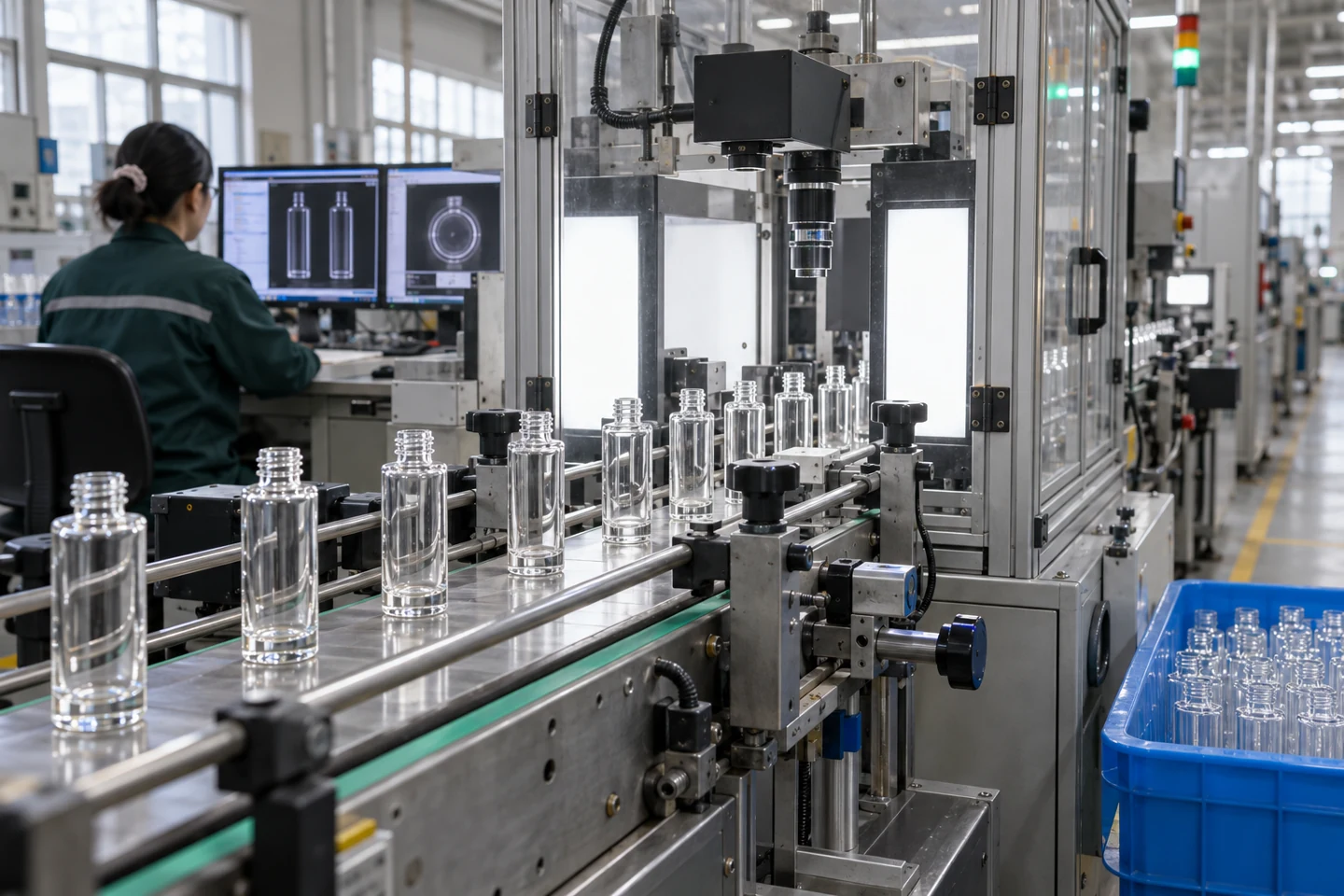
Keep the capacity, base and shoulder proportions connected to the chosen forming route.
Review print, coating and cap appearance with the actual glass sample.
Confirm the recycled-content basis for the selected supply rather than a general glass claim.
Execution controls
Your visual reference should show the appearance you are prepared to accept for the selected glass route. Recycled content, material supply and glass color can affect how a proposed bottle fits the collection. Compare the decorated bottle and closure as a set, and keep the relevant material information with the quotation. Transit packing remains part of the project because the complete pack must arrive in the intended condition.
Review a representative bottle at the intended capacity and with the proposed glass source. Compare its color, dimensions and visible finish beside the closure and other products in your range. A catalogue photograph or a sample from a different construction cannot establish the appearance of the final supply. Agree the physical reference and any acceptable variation before decoration and paper packaging are finalized.
Keep material information alongside that approval. Identify the scope of any recycled-content statement and the supporting records for the selected bottle. Review pumps, caps, liners and decoration separately because a glass container does not determine the material story of every component. For a repeat order, connect the approved bottle reference, artwork and packing specification so a proposed source or component change can be assessed as a complete pack.
People behind your packaging
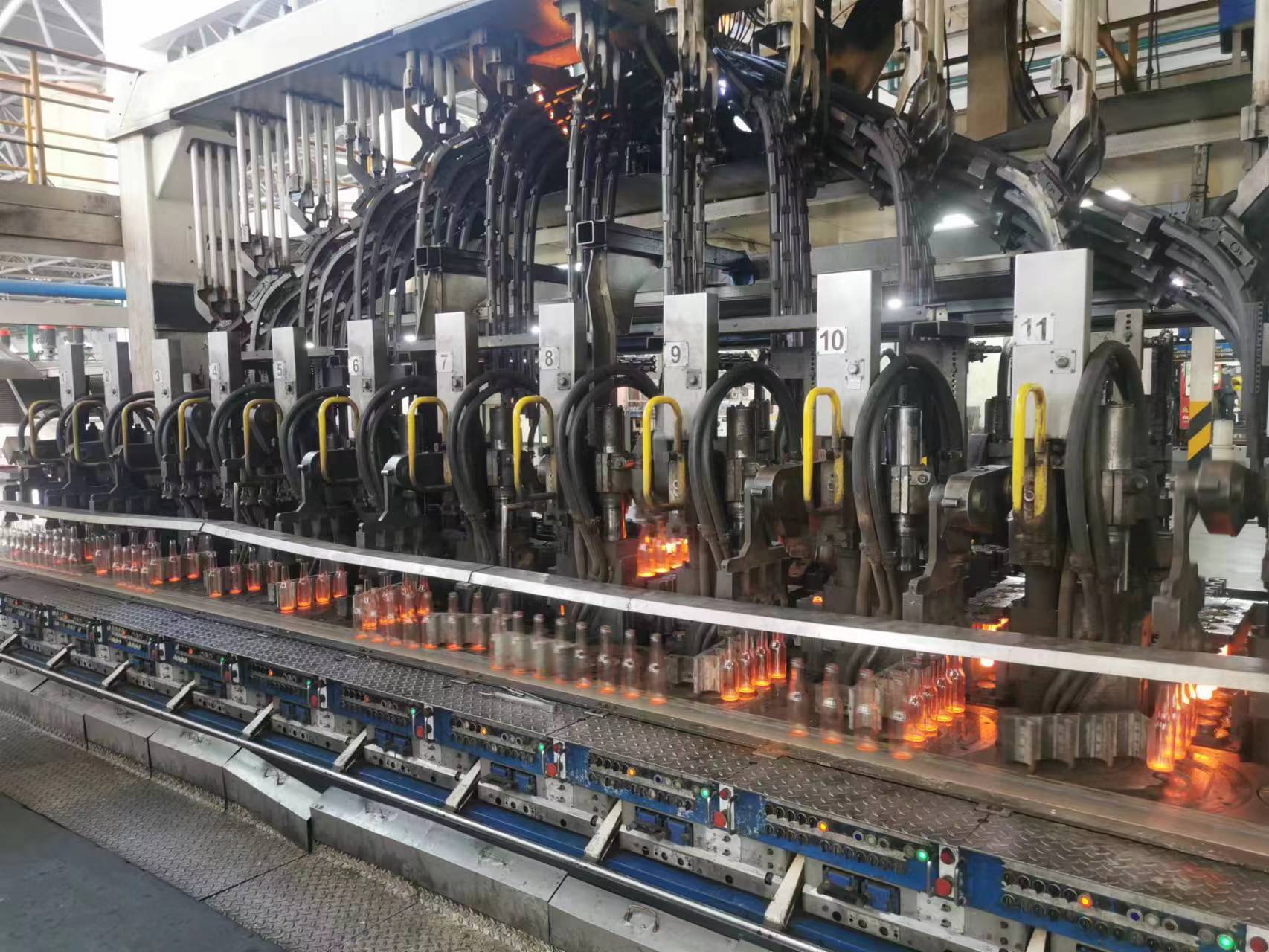
Since 2013, PauPack has combined manufacturing and trade services for packaging projects. Investment in four factories supports our work across bottle development, production and complete packaging coordination.
Explore our history ↗
Customer feedback
“Their attention to detail, from material selection to final finishing, ensures our products always stand out on shelves.”
Claud** Wagn** · Watsons
Published in PauPack’s customer feedback
Packaging questions
Mixed materials, metallized finishes, labels, inks, adhesives and non-removable accessories can alter sorting or recycling outcomes. Review the full assembly, including the cap or pump and secondary pack, instead of judging the container by itself.
PCR and recycled glass can influence color consistency, surface appearance, supply availability, decoration response, MOQ and commercial timing. These are project decisions to be tested against the approved visual reference, not defects to be hidden after a claim is chosen.
Ask for material scope, relevant supplier documentation, project-specific specifications, component breakdown and the conditions behind any stated recycled, refillable or recyclable attribute. Confirm the final wording against the destination market and responsible-party requirements.
Identify the selected glass route, stated recycled content, component scope and available supporting records. Agree appearance on representative samples and review the closure and decoration separately. The description should apply to the bottle actually supplied, not a general claim about glass as a material.
Compare the proposed sample with the approved dimensions, neck finish, color and decorated appearance. Keep the closure and packing requirements attached to the review. Agree any change before the repeat order proceeds so the finished pack remains consistent.
CONTINUE YOUR PROJECT
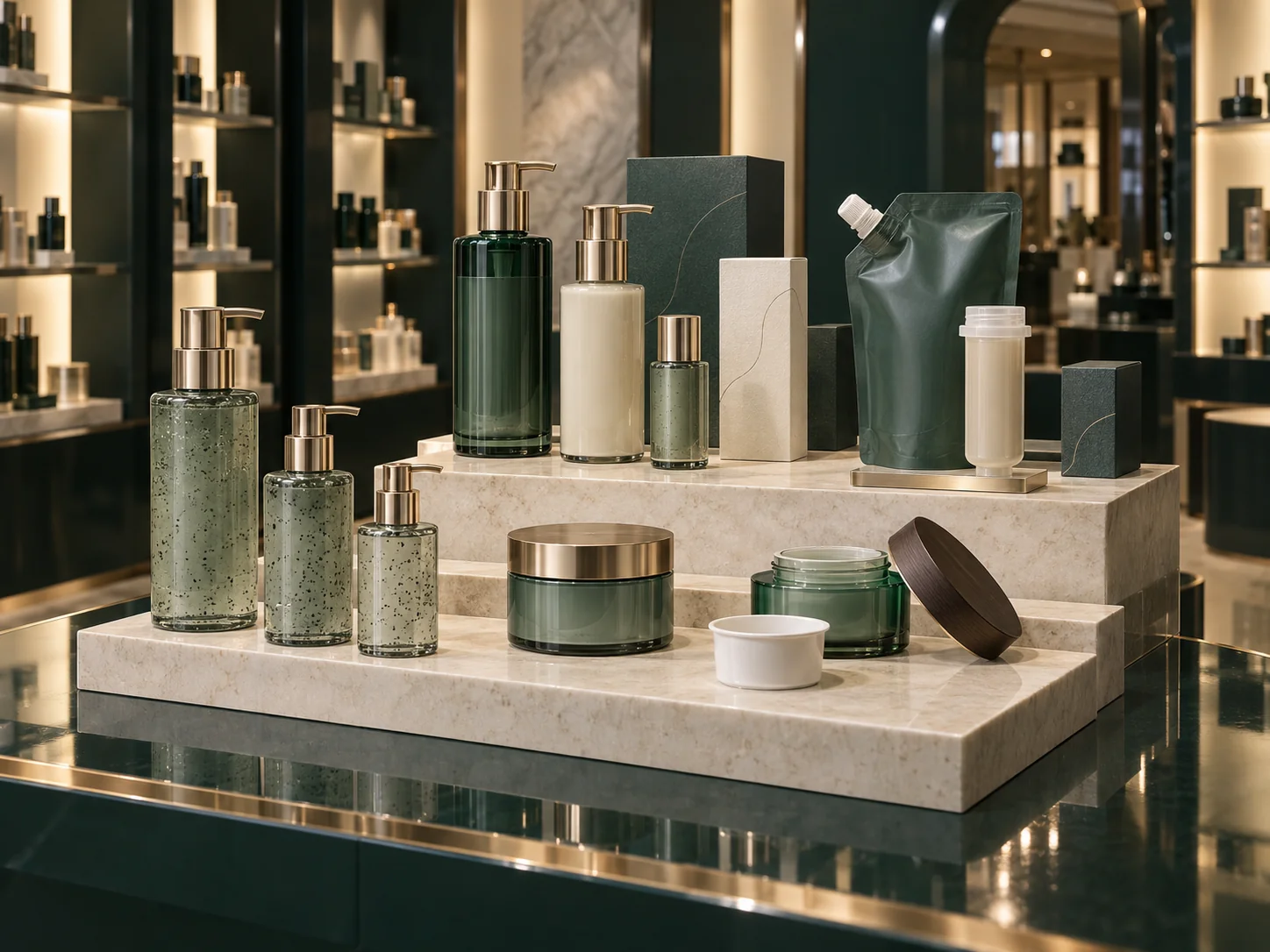 CONNECTED PROJECT STEP
Review the material route alongside performance and evidence requirements.
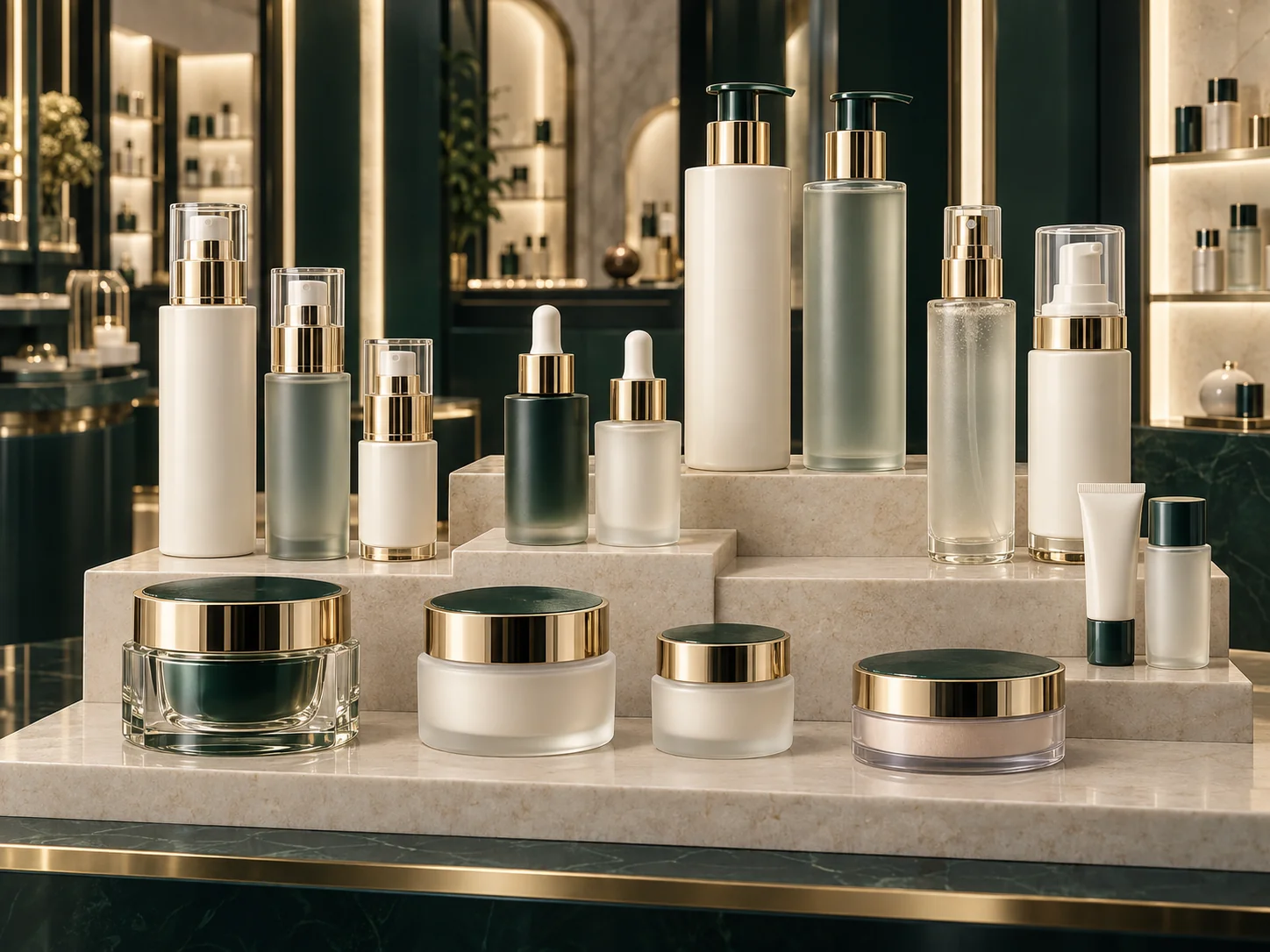 CONNECTED PROJECT STEP
Build skincare packs around formula protection, pump performance, decoration durability, launch speed and brand consistency.
CONNECTED PROJECT STEPClean Beauty Packaging manufacturer and supplier for custom bottles, jars, closures, decoration and complete packaging systems.
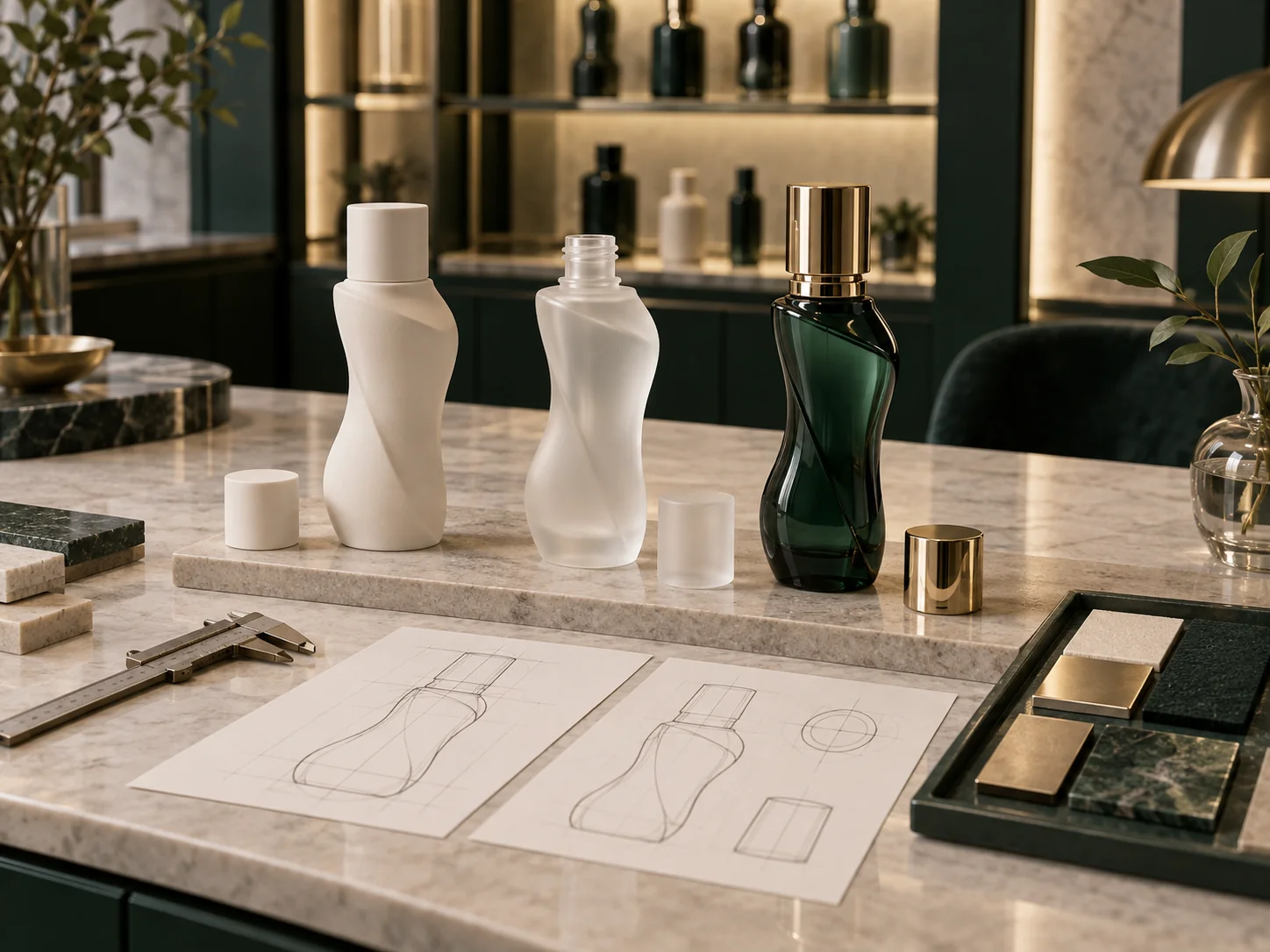 PACKAGING GUIDES
Use the related guidance before confirming the next selection or sample.
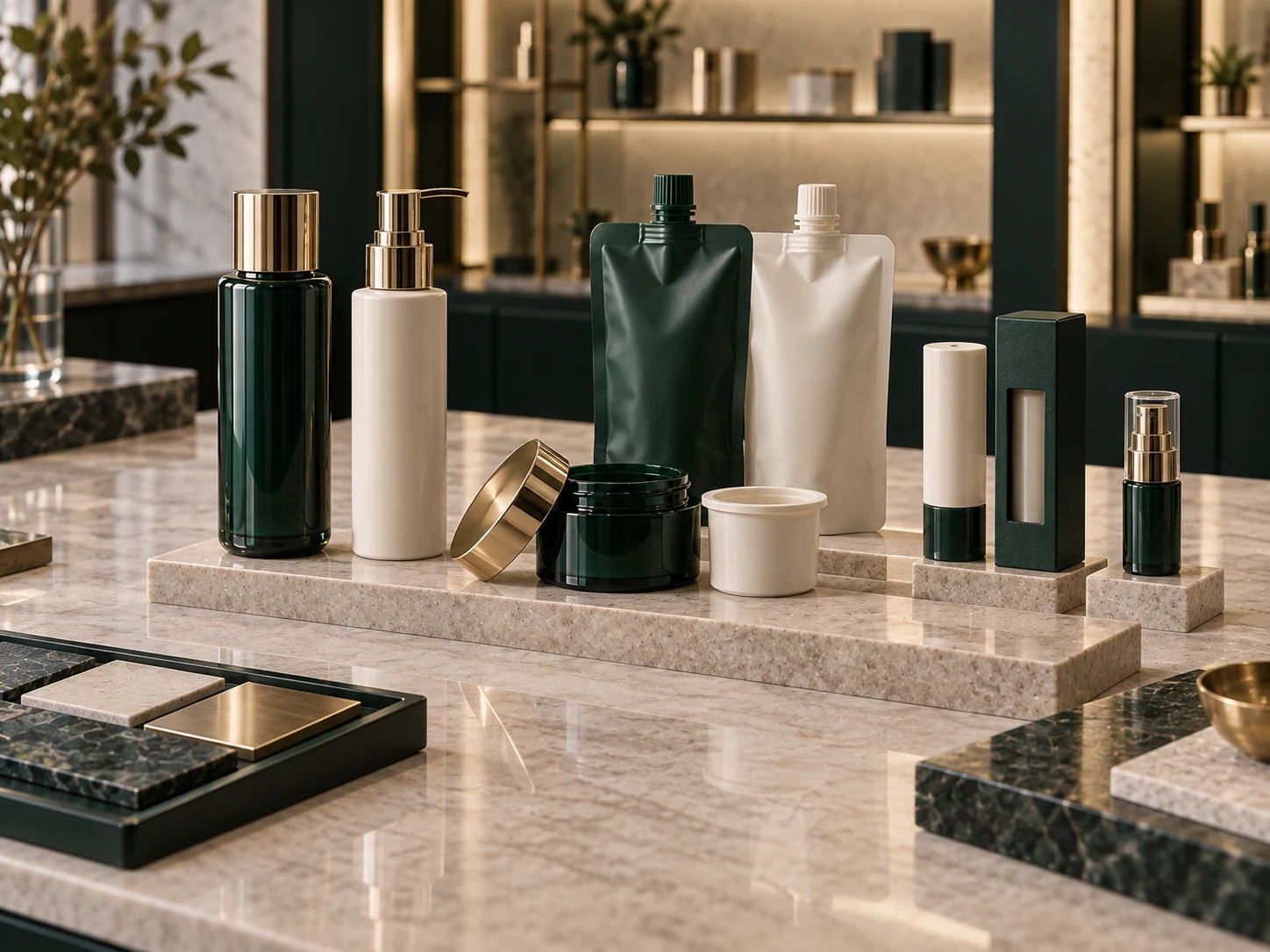 READ THE GUIDE
Compare material trade-offs and the checks needed for the intended use.
YOUR NEXT STEP
Share the product use, target size, material direction, estimated quantity and launch needs. Choose the route that matches the information you have today.
For a new form, custom tooling, decoration or a coordinated packaging system.
CHECK A REFERENCEFor a bottle, pump, cap or assembly that needs a fit and performance review.
COMPARE OPTIONSFor a selected product family and an initial commercial discussion.