Material identification
Request the material information for the selected jar. A thin wall or clear appearance does not identify a glass composition.
Your product. Your packaging.
Compare borosilicate glass jars for your storage or presentation project through a defined material specification. Match the jar, lid and intended temperature conditions before deciding how the finished item will be described and used.
Your packaging choices

Request the material information for the selected jar. A thin wall or clear appearance does not identify a glass composition.
Define filling, storage and cleaning conditions. Review the exact assembly before making a heat-resistance or appliance-use statement.
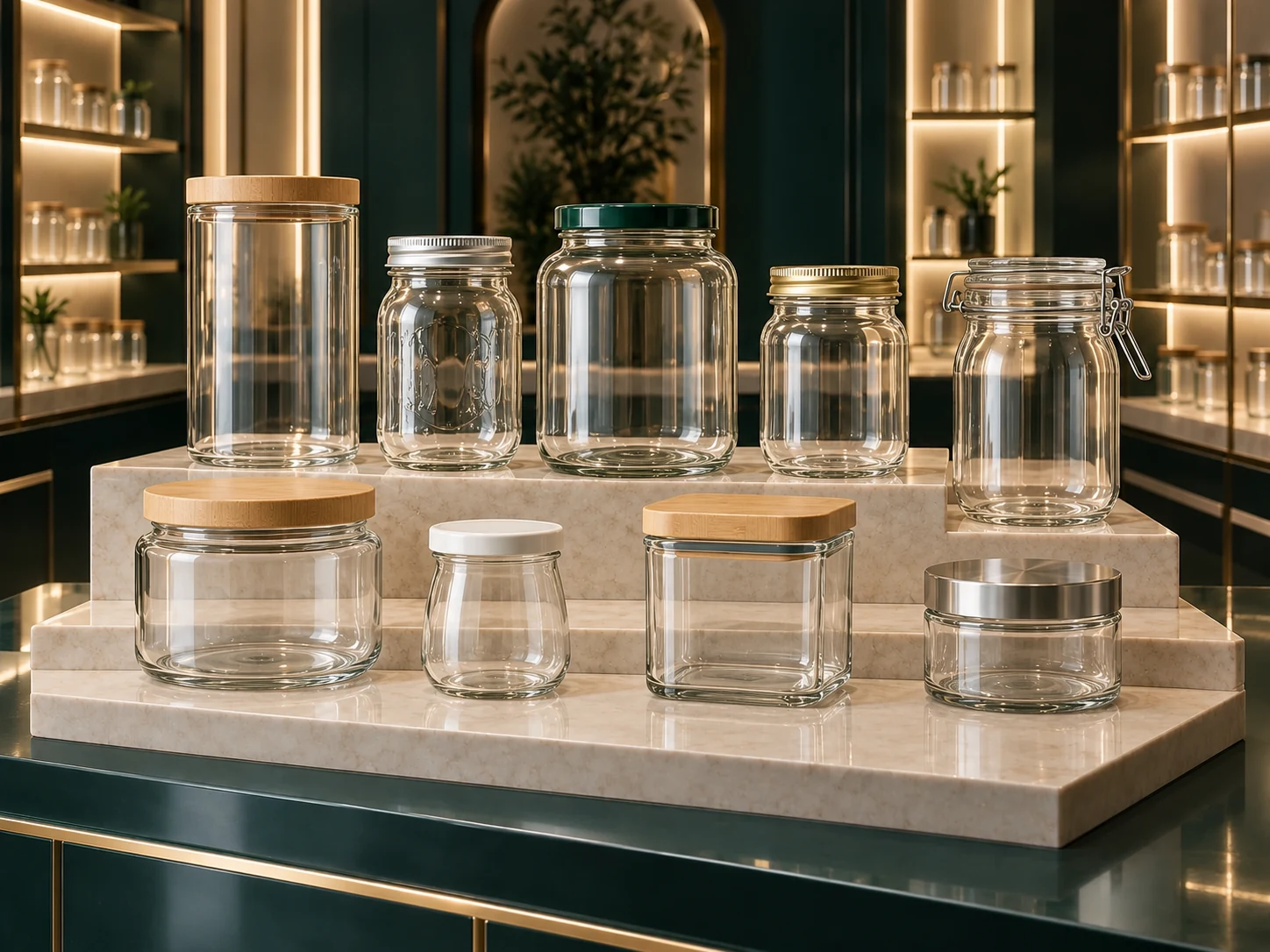
Compare glass, metal or other lids with their seals and intended use. The closure may have different limitations from the jar body.
Inspect the rim, base and fit on samples, then review dividers and protective packing for the delivery route.
One coordinated specification
A food jar must be reviewed with its contents and process. Define filling temperature, storage conditions and the way the closure is applied before approving the format. Your technical team can then assess the selected assembly and the relevant documentation. Review the label and case arrangement with the same final dimensions.
We coordinate your container, closure, decoration and paper packaging. Compare complete options with development costs, production quantities and finish variants identified before committing to samples or tooling.
Explore complete packaging support ↗An existing shape with a different color, print or closure may achieve the look you want. Where the bottle itself needs a new form, we can review drawings, prototypes and the tooling scope. Compare these choices against the feature you want to change, your quantities and the required arrival date.
For a repeat range, retain the approved references for every version. When a material, component or artwork changes, review the affected samples before combining the revised parts with an existing order.
See the manufacturing route ↗From selection to supply
Compare your product, fill and use requirements with existing containers. Identify the exact components to sample, including any opening or dispensing accessory.
Check material identification and intended temperatures on the selected pack. Review the final finish and any paper packaging alongside functional checks.
Keep the accepted sample with component references, drawings and artwork revisions. Agree inspection priorities, packing and the approvals needed to begin production.
Confirm quantities by version, the required delivery point and any changes since approval. Keep repeat orders tied to the same agreed specification.
SPECIFICATIONS & SUPPLY
Dimensions, materials and supply terms are confirmed for the selected model and complete assembly.
| Specification | What your quotation should define |
|---|---|
| Capacity & dimensions | Nominal fill, brimful capacity, overall height and width, and the drawing revision used for filling and packing. |
| Material & appearance | Compare glass, PETG, PET, PP, airless and PCR-content options against product use, desired transparency or color, surface quality, decoration approach, recycled-content direction and destination-market expectations. |
| Neck & dispensing interface | Finish drawing, attachment method, sealing surfaces and the required dispensing action. |
| Matched components | Specify the airless pump, treatment pump, dropper, sprayer, cap or spatula as part of the assembled pack. |
| Color & decoration | Color reference, artwork area, print or coating process, and the assembled appearance sample. |
| MOQ & development | Compare stock, decorated, modified and custom development routes by the complete scope: component availability, MOQ driver, sampling gate, decoration, quality plan, production timing and delivery point. |
| Lead time & approvals | Confirm the sample stages, production start conditions and required arrival date together. |
| Packing & freight | Agree unit weight, units per case, case dimensions, pallet configuration and delivery point for the selected pack. |
Related formats
Food jars for sauces, honey, spices, spreads and premium pantry products.
Give your coffee a glass jar that is easy to open, scoop from and recognize on the shelf.
Select pickle jars around the size of the food pieces, your filling process and the closure system.
Create a glass yogurt jar presentation that suits your serving size, filling line and refrigerated display.
People behind your packaging
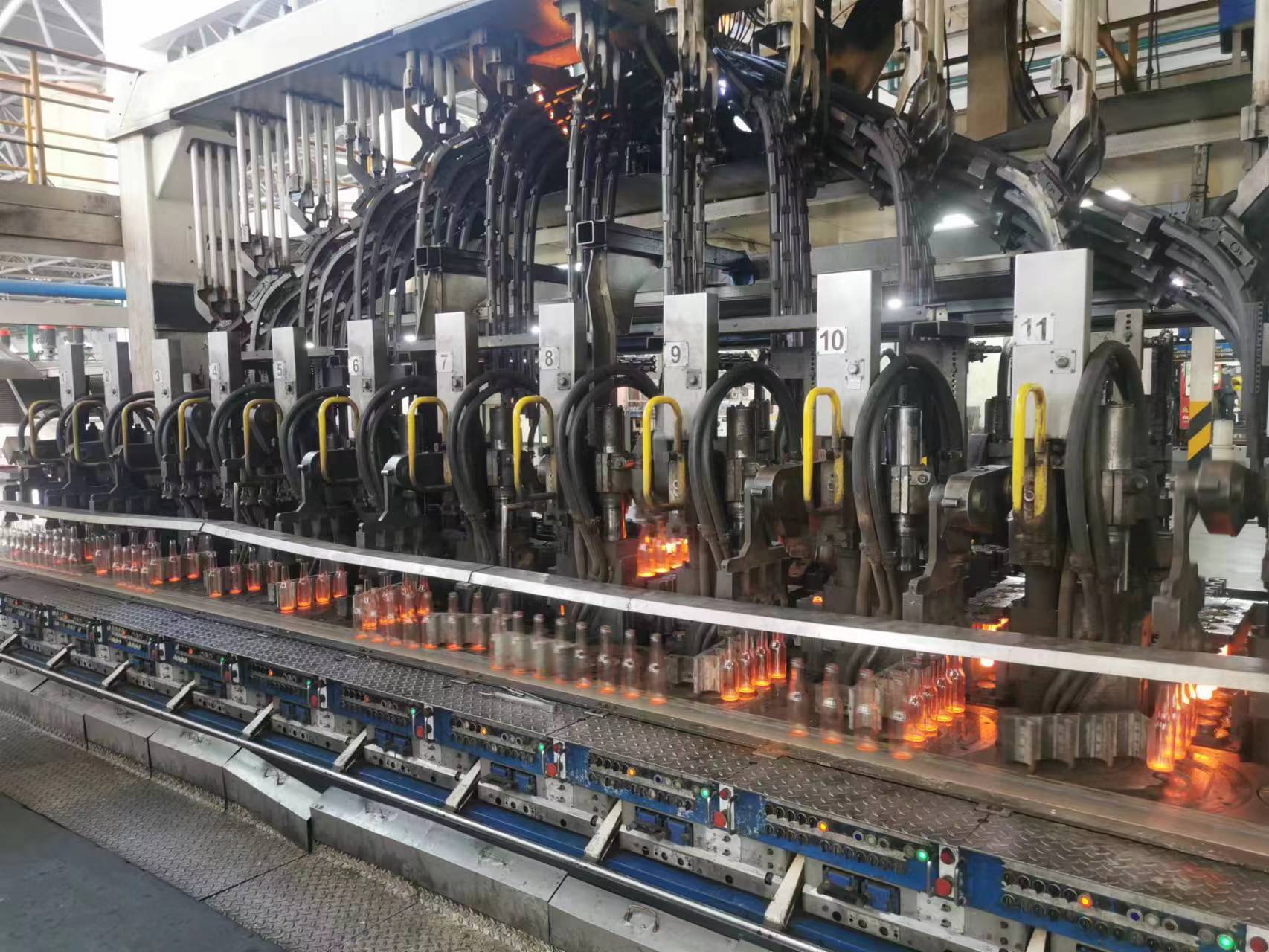
Since 2013, PauPack has combined manufacturing and trade services for packaging projects. Investment in four factories supports our work across bottle development, production and complete packaging coordination.
Explore our history ↗
Customer feedback
“Their attention to detail, from material selection to final finishing, ensures our products always stand out on shelves.”
Claud** Wagn** · Watsons
Published in PauPack’s customer feedback
Your questions
Request the material information for the selected jar. A thin wall or clear appearance does not identify a glass composition. Define filling, storage and cleaning conditions. Review the exact assembly before making a heat-resistance or appliance-use statement.
Compare glass, metal or other lids with their seals and intended use. The closure may have different limitations from the jar body. Inspect the rim, base and fit on samples, then review dividers and protective packing for the delivery route.
Yes. Compare an available shape with your preferred color, artwork and compatible closure before deciding whether a new mold is needed. Keep the final component list and quantities by version together so the quote covers the pack you intend to supply.
The selected container, accessories and decoration each affect the order minimum and schedule. We review these together with sampling, packing and your required arrival date. Confirm the agreed specification and approval steps before treating a preliminary timing estimate as a production commitment.
State the contents, fill volume, filling temperature and process, storage conditions and closure requirements. Include the documentation and checks required by your product team and market. Review the selected container-and-closure assembly; a familiar jar shape does not establish suitability for every filling process.
Review them while selecting the container, before fixing the artwork or order quantity. Check the opening, seal, application method and available label area on the actual sample. Keep filling, storage and distribution conditions with the specification so the finished pack can be assessed as a whole.
Continue your project
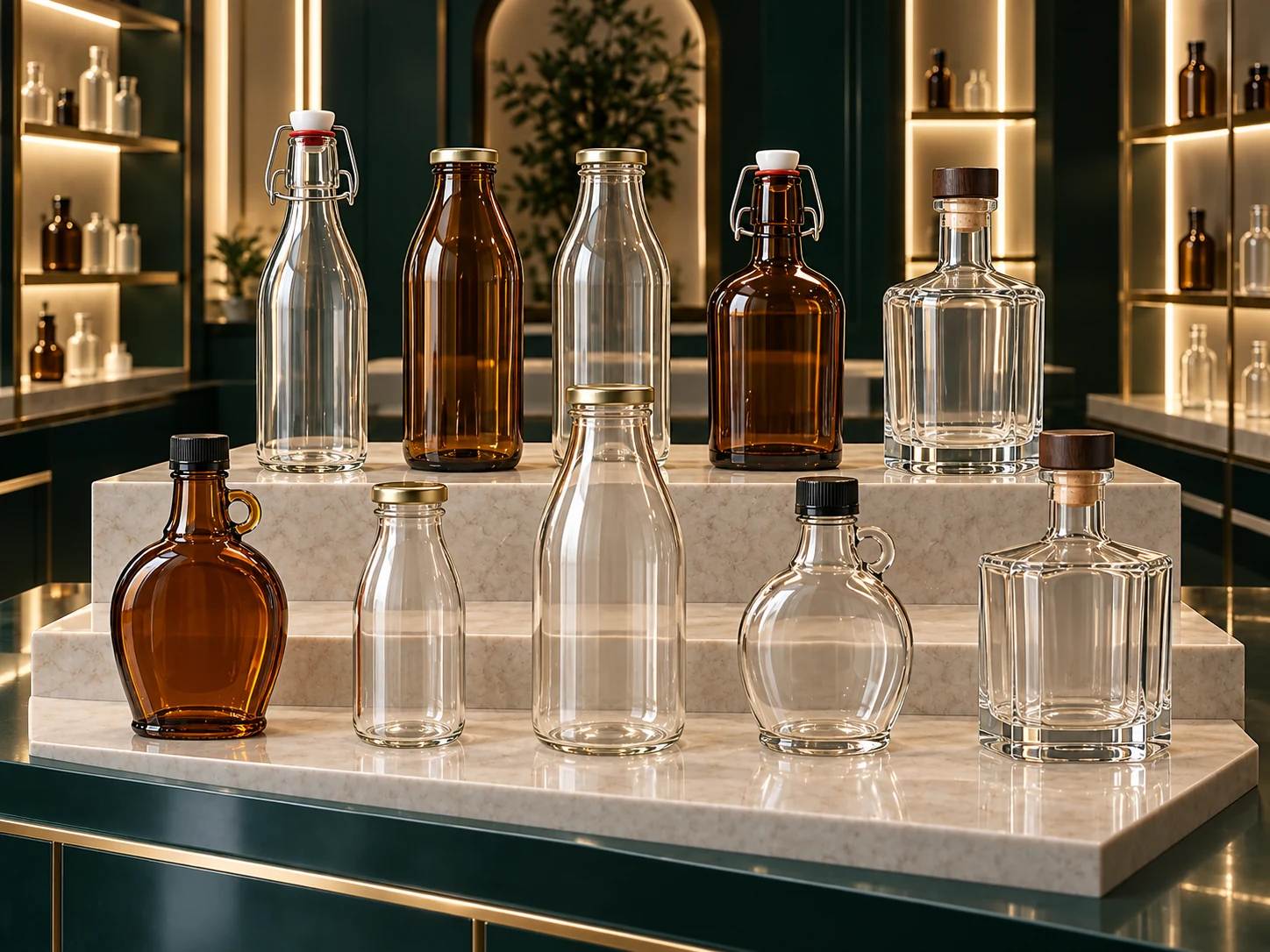
Glass and plastic containers for sauces, supplements, condiments and selected beverages.

Coordinate bottles, pumps, caps, decoration and paper boxes with PauPack.
Plan bottle quality control with clear sample references, component checks, inspection scope and approval records.
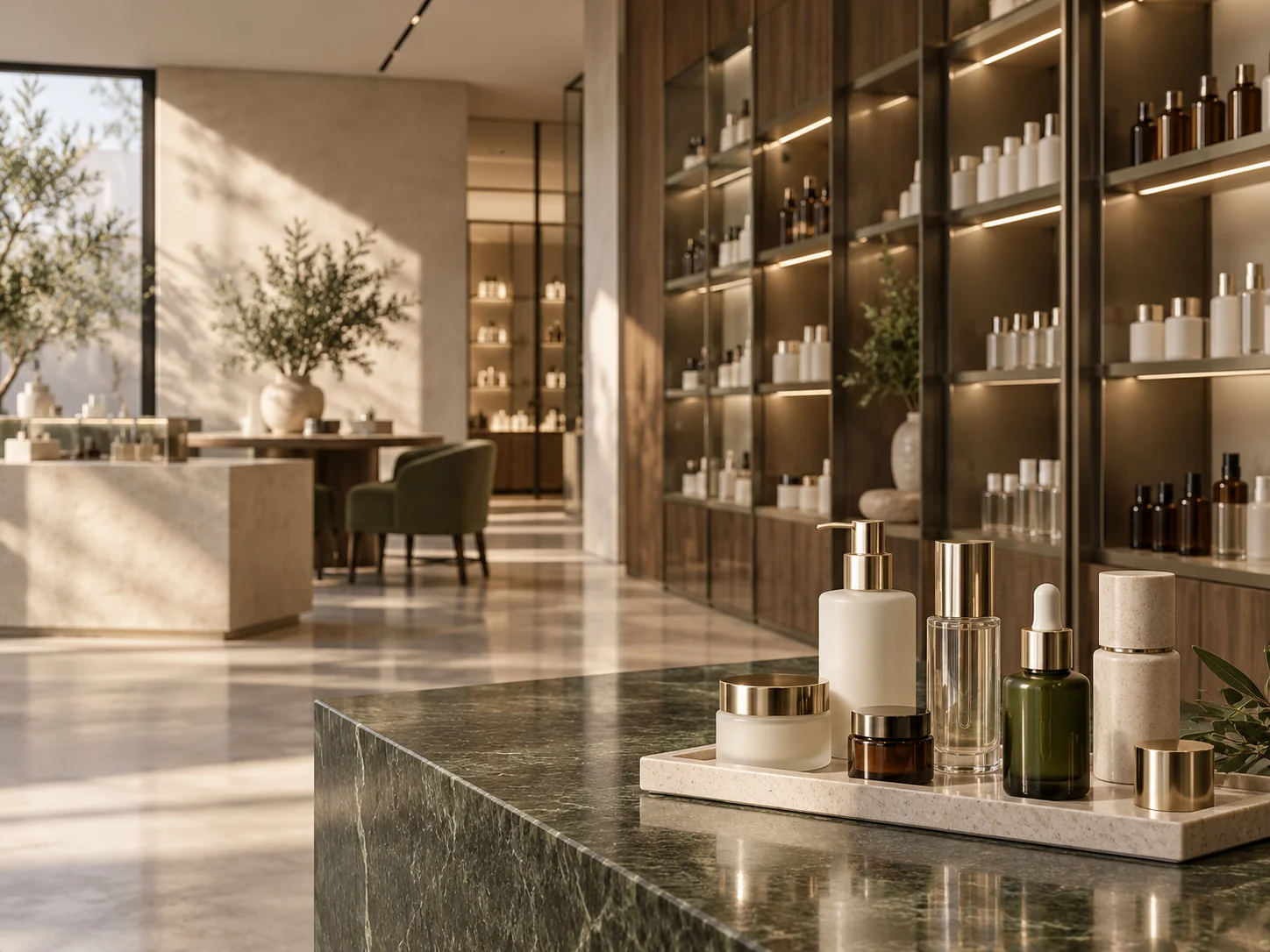
The effective MOQ is usually set by the highest-minimum component or process, not only the bottle.
Project enquiry
Send the product use, capacity, material direction, closure or dispensing need, quantity, finish reference, target market and requested timing. PauPack can help define the next selection, sample or custom-development step.