Artwork placement
Check usable area, curvature and how the bottle is oriented beside its closure.
PAUPACK / RESOURCES
Review color, print, coating and paper packaging as one presentation. A finish that works on a flat artwork file may need adjustment on a curved bottle, molded cap or textured carton, so samples should show the intended materials together.
Your packaging choices
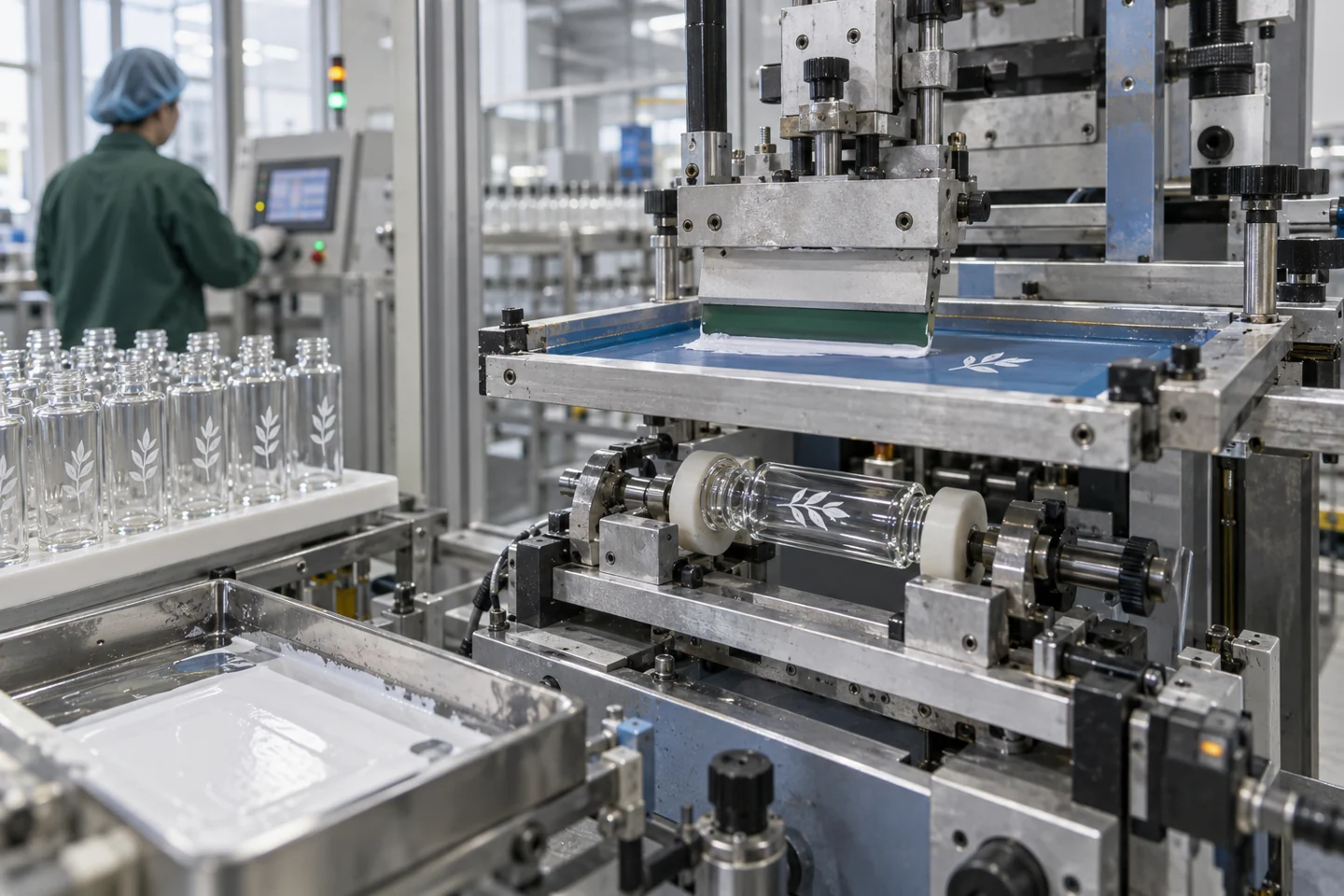
Check usable area, curvature and how the bottle is oriented beside its closure.
Compare representative finishes on glass, plastic and paper under consistent lighting.
Design around the assembled bottle height and the surfaces that need protection.
Keep the decorated sample, artwork version and component list together.
Coordinate the bottle and its supporting pack
Identify the information and approvals needed before production release.
READ THE GUIDEConnect bottle form, pump, cap and decoration decisions.
READ THE GUIDEUse the guide to prepare the next product selection or development discussion.
FROM LEARNING TO A PROJECT
Bring artwork and color references. Confirm the finish on the chosen material and assembled pack.
EXPLOREDefine which components arrive assembled, how the pack is protected and who checks the finished set.
EXPLORECoordinate the bottle, pump or cap, decoration, carton and insert in one specification.
PREPARE THE BRIEF
Download the project brief and review checklists, then bring the relevant drawings, formula category and samples to the discussion.
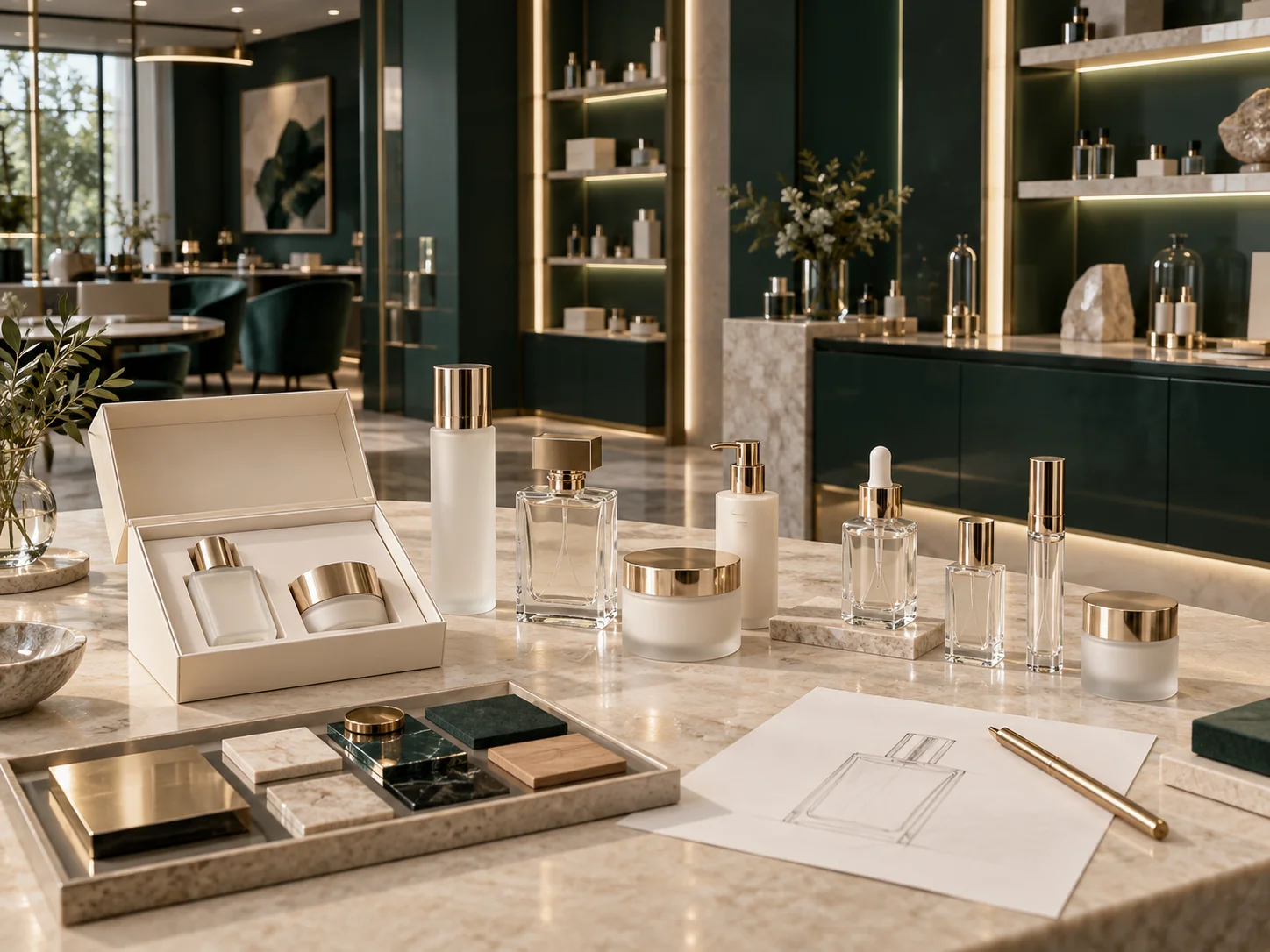
Get the checklistsA premium bottle needs the right company: a cap with balanced proportions, a finish that supports the color direction and a carton that feels like part of the same collection. PauPack brings these elements into one packaging discussion. The purpose is to develop a coherent presentation rather than choosing an attractive bottle, closure and box independently and hoping they work together.
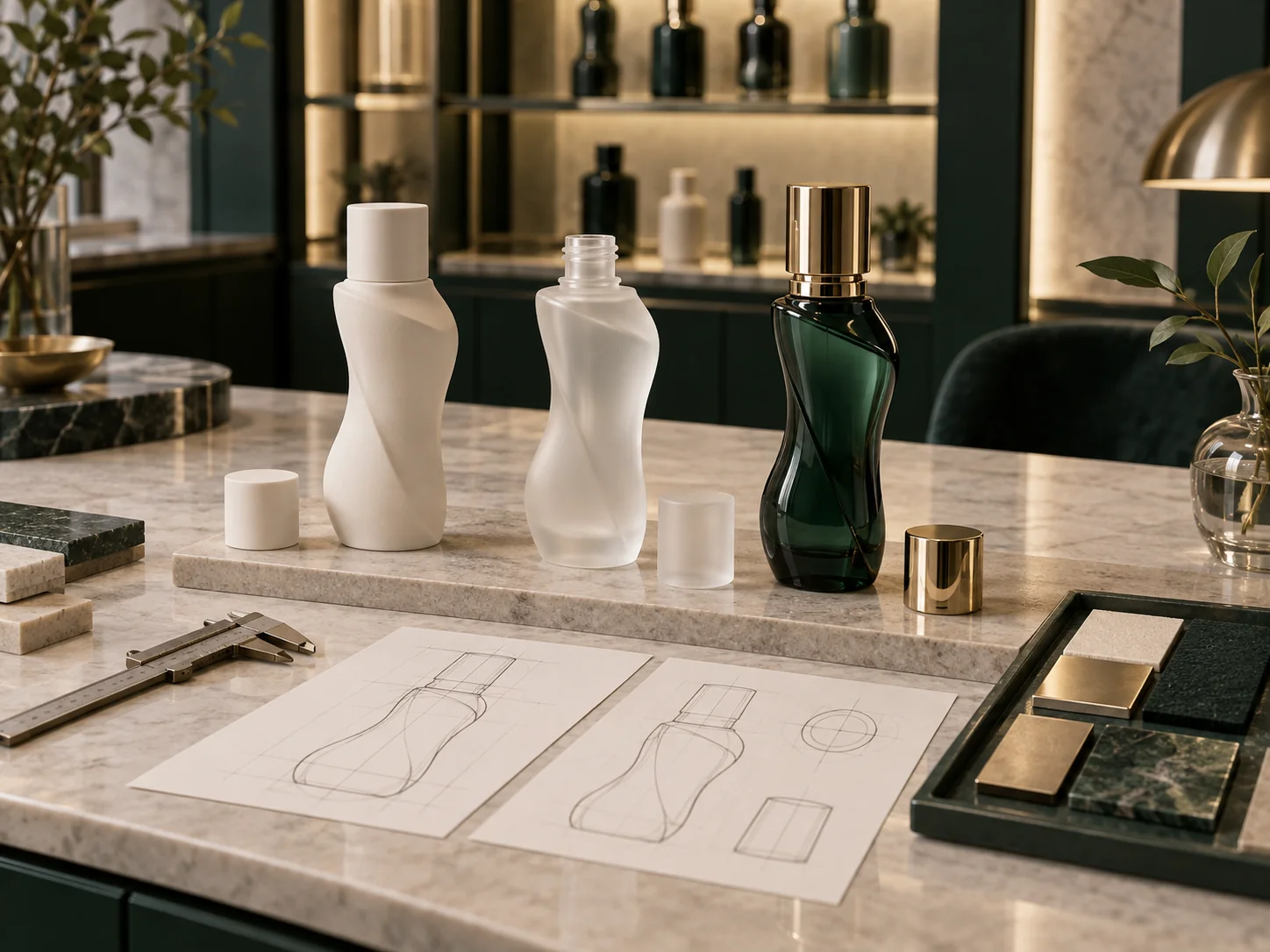
Start with your brand references and the product line you plan to launch. Explain the intended visual contrast, the surfaces that should feel understated and the details that deserve emphasis. An existing container can sometimes provide the foundation for a distinctive presentation through decoration and component selection. A more unusual form may call for a different development route.
Printing, labels, coatings and decorative effects each interact with the selected material and shape. A finish seen on a flat reference may look different on a curved or textured container. Artwork placement also needs enough usable space around shoulders, corners and changes in profile. Bringing the selected bottle and artwork into the same review makes those relationships visible.
Consider how the pack will be handled after decoration. Assembly, filling and transport may place surfaces in contact with equipment or neighboring components. The appropriate checks depend on the chosen finish and intended conditions. A completed decorated sample is more useful than separate approvals for color, print and container because it shows their combined effect.
The outer box contributes to the first impression, but it also needs to accommodate and protect the finished pack. Work from the complete bottle and closure assembly when considering the internal space and insert. If a gift set includes several items, their arrangement, removal and replacement are part of the experience. The design should be reviewed with those actions in mind.
Retail packaging and shipping protection have different jobs. A presentation box may still need an outer carton and additional protection for distribution. PauPack can coordinate these requirements so the visible pack, supporting insert and delivery arrangement are discussed together. This is particularly helpful when several suppliers or production stages contribute to one finished set.
Consistency does not require every component to be identical. A collection can share a color relationship, decoration position, type treatment or recognizable silhouette while adapting to different products. Establish those design rules with the actual sizes and components in view. Small differences in material or surface can change how a color or effect appears, so the pieces should be compared together during approval.
Use the decoration and complete-pack resources to prepare your references, then explore the related development and assembly capabilities. PauPack can help review the bottle, pump or cap, decoration, carton and insert as one coordinated project, with the agreed sample providing the reference for the finished presentation.
People behind your packaging
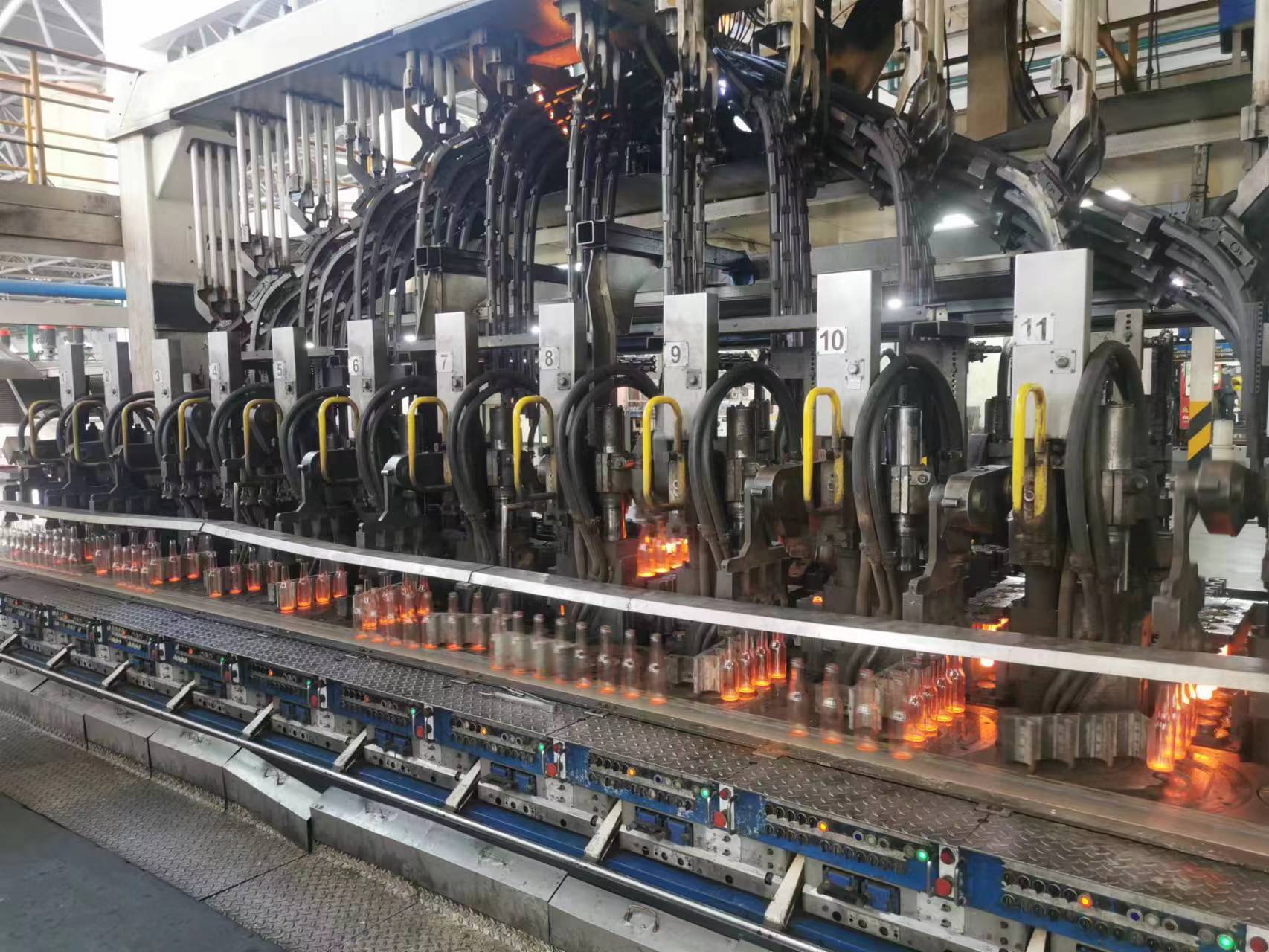
Since 2013, PauPack has combined manufacturing and trade services for packaging projects. Investment in four factories supports our work across bottle development, production and complete packaging coordination.
Explore our history ↗
Customer feedback
“Their attention to detail, from material selection to final finishing, ensures our products always stand out on shelves.”
Claud** Wagn** · Watsons
Published in PauPack’s customer feedback
Questions & answers
Review the palette, surface finish, artwork hierarchy and opening experience together. Use the actual assembled bottle dimensions for the insert and internal space. Confirm both physical samples so a color approved on paper is not assumed to look identical on glass or plastic. Complete Packaging Systems →
Send editable artwork, color and finish references, the selected container and the intended print or label area. Identify details that must align with the cap or box. Approve the actual decorated surface before relying on a rendering to set the production appearance.
CONTINUE YOUR PROJECT
YOUR NEXT STEP
Share the product use, target size, material direction, estimated quantity and launch needs. Choose the route that matches the information you have today.
For a new form, custom tooling, decoration or a coordinated packaging system.
CHECK A REFERENCEFor a bottle, pump, cap or assembly that needs a fit and performance review.
COMPARE OPTIONSFor a selected product family and an initial commercial discussion.