
Handling
Review the weight, grip and use setting of the assembled bottle.
Compare PET and glass bottles using the same skincare product, capacity and closure requirements. Weight, appearance, handling, decoration and protective packing all affect the finished experience; neither material is the best choice for every formula or collection.
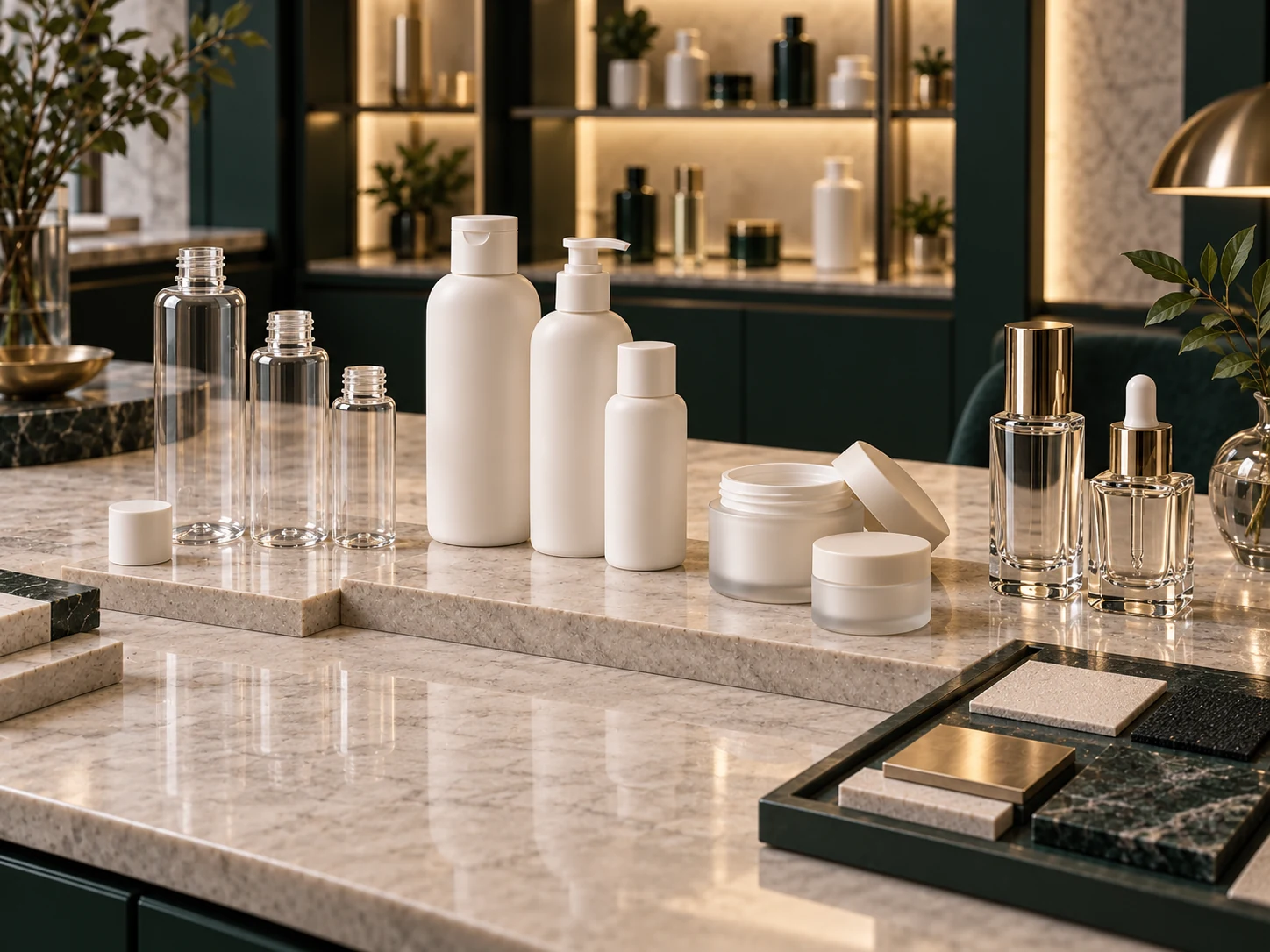
Your packaging choices
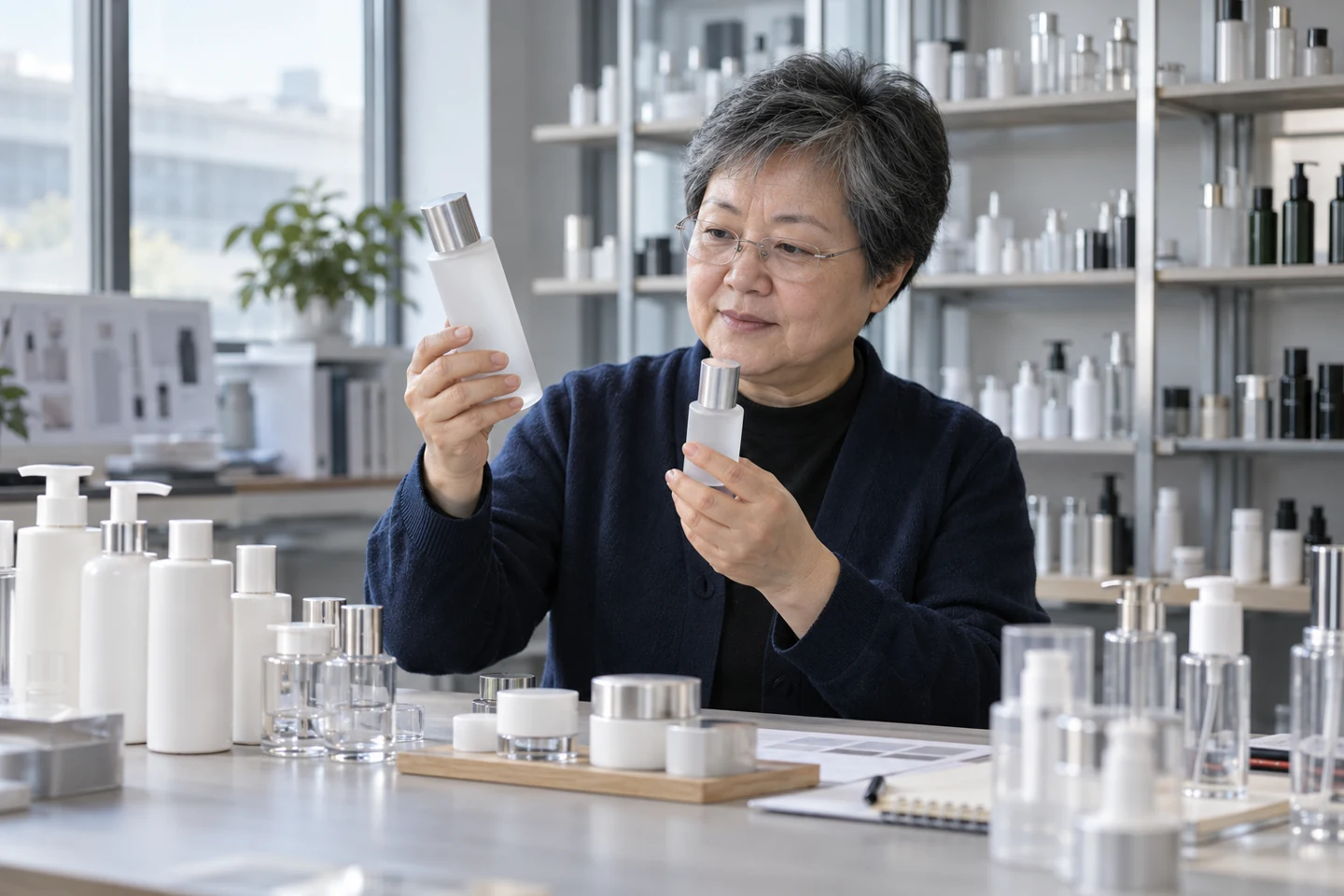
Review the weight, grip and use setting of the assembled bottle.
Compare transparency, color and surface finish beside the rest of the range.
Match the pump or dropper to each proposed container and the intended formula.
Include protective packing and the way the product will be shipped or displayed.
A skincare bottle has to suit the formula, filling route and way it will be handled. Compare PET and glass at the intended capacity with the selected closure. Review filled weight, grip and storage requirements before deciding which appearance works best for your range.
A material name does not specify the bottle geometry or its dispenser. Look at the neck, pump or dropper, liner and decoration together. A change from glass to PET may require a new component review even when the two bottles have a similar silhouette or nominal neck size.
Glass and PET offer different possibilities for weight, transparency, finish and handling. Compare the actual samples inside the proposed box or shipping case. A bottle that photographs well still needs practical protection for the distribution route and a comfortable experience in the customer’s hands.
Compare the actual material, weight, components and intended disposal or reuse route. Avoid assuming that one material is always the lower-impact choice. If your product description includes recycled content or another environmental attribute, support the statement for the selected construction and destination market.
A material comparison becomes more useful when the intended product and use are clear. Consider how the pack will be handled, dispensed, stored and presented alongside the rest of the collection. The bottle is only one part of that experience; the pump or dropper, closure and decoration also need to work with the selected route.
Use the same requirements when comparing PET and glass options. Review the proposed size, assembled appearance, filling conditions and supporting packaging, then identify what needs a physical sample or product-specific evaluation. PauPack can help coordinate that comparison without assuming that one material is always the premium or practical choice. The best route is the one that supports the complete product and brand brief.
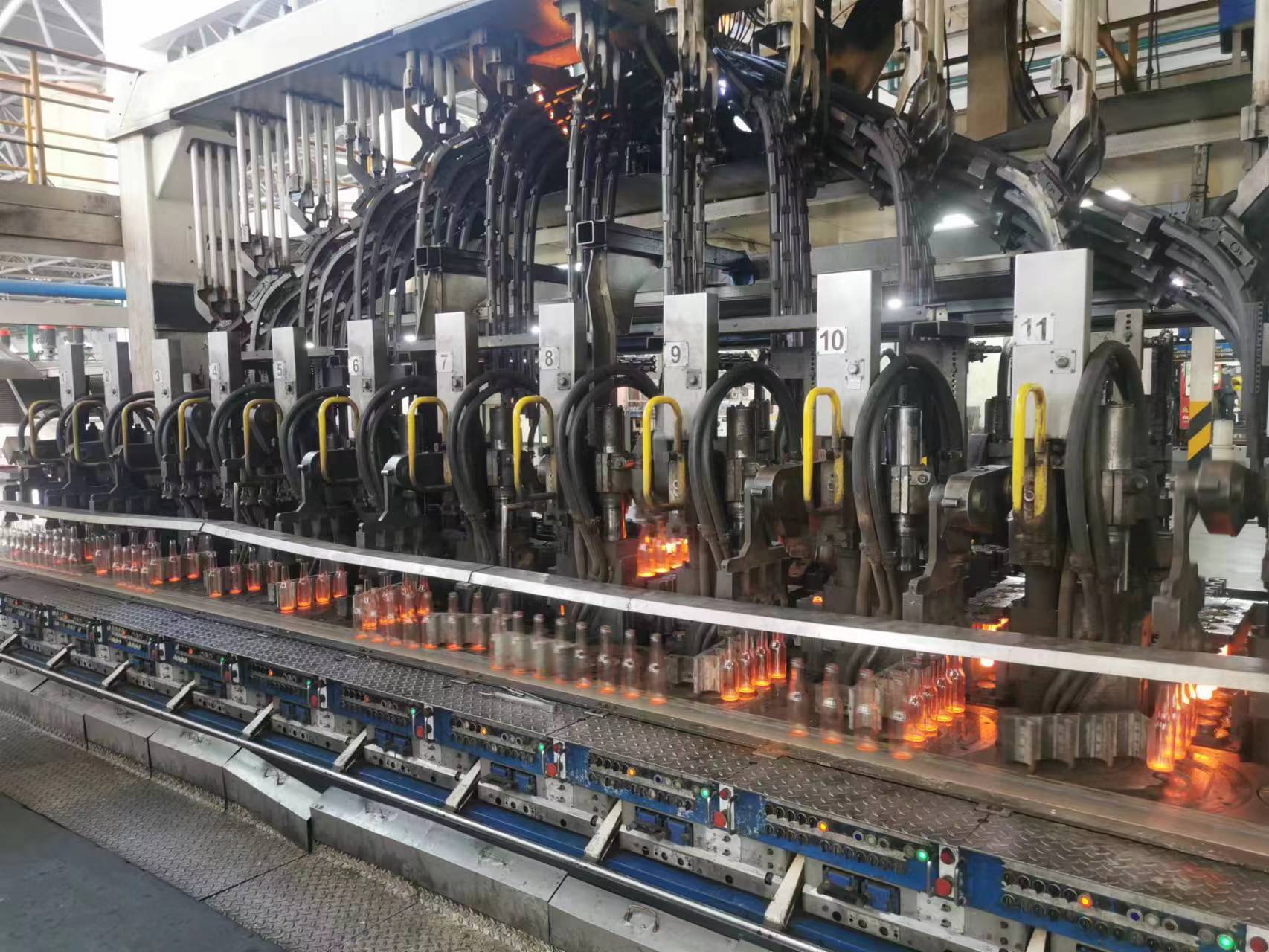
People behind your packaging
Since 2013, PauPack has combined manufacturing and trade services for packaging projects. Investment in four factories supports our work across bottle development, production and complete packaging coordination.
Explore our history ↗
Customer feedback
“Their attention to detail, from material selection to final finishing, ensures our products always stand out on shelves.”
Claud** Wagn** · Watsons
Published in PauPack’s customer feedback
Packaging questions
No. The finished impression depends on proportions, decoration, dispensing and the way the pack feels in use. Compare representative glass and plastic samples with matching components and paper presentation rather than deciding from material names alone.
Only after reviewing the exact interface and assembly. Check the neck drawing, sealing surfaces, engagement, dip-tube length and filled performance. A similar nominal diameter is not enough to approve the change.
Review the filled unit weight, closure protection, glass contact or scuffing risk, insert and shipping case. Use the transport conditions appropriate to your distribution route and assess the complete packed product.
Identify the proposed resin or glass route, content information, appearance and component construction. Compare the full pack and the evidence supporting the intended claim rather than treating a recycled label as proof of suitability.
Compare the formula-contact requirements, clarity or opacity, desired weight, squeeze action and distribution conditions. PET, HDPE and glass create different presentations, but none is the universal choice for skincare. Evaluate the complete container and dispensing system with your actual formula and filling team before committing to a material or a larger order. Plastic Bottles And Jars →
Compare the intended shelf presence with filled handling, closure fit and shipping protection. Review the actual dimensions and weight for the selected model. A heavier base can change proportions and freight, so assess it with the complete carton and order rather than as an isolated feature.
CONTINUE YOUR PROJECT
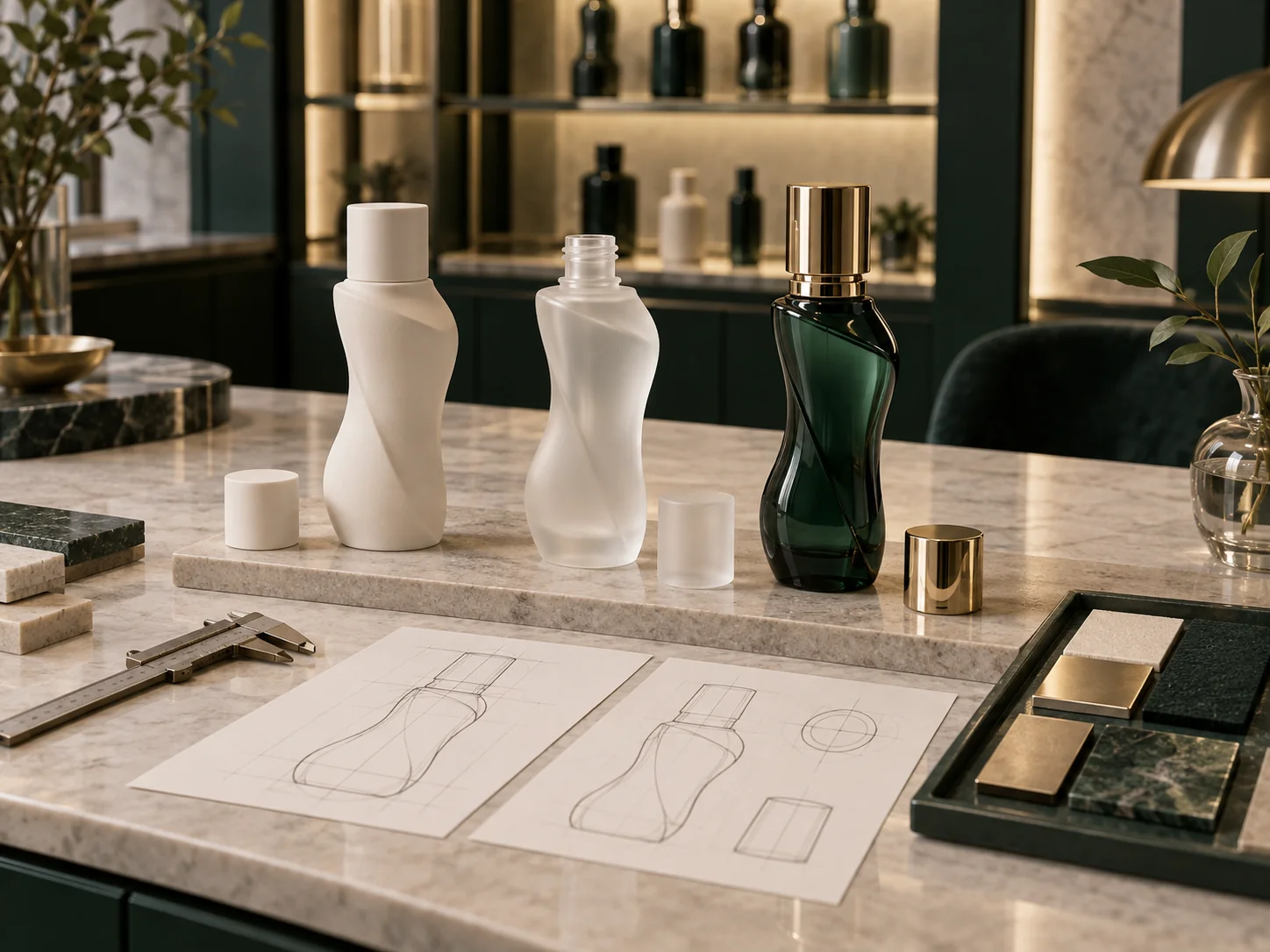 CONTINUE READING
Explore related guides and practical project tools.
 APPLY THE GUIDANCE
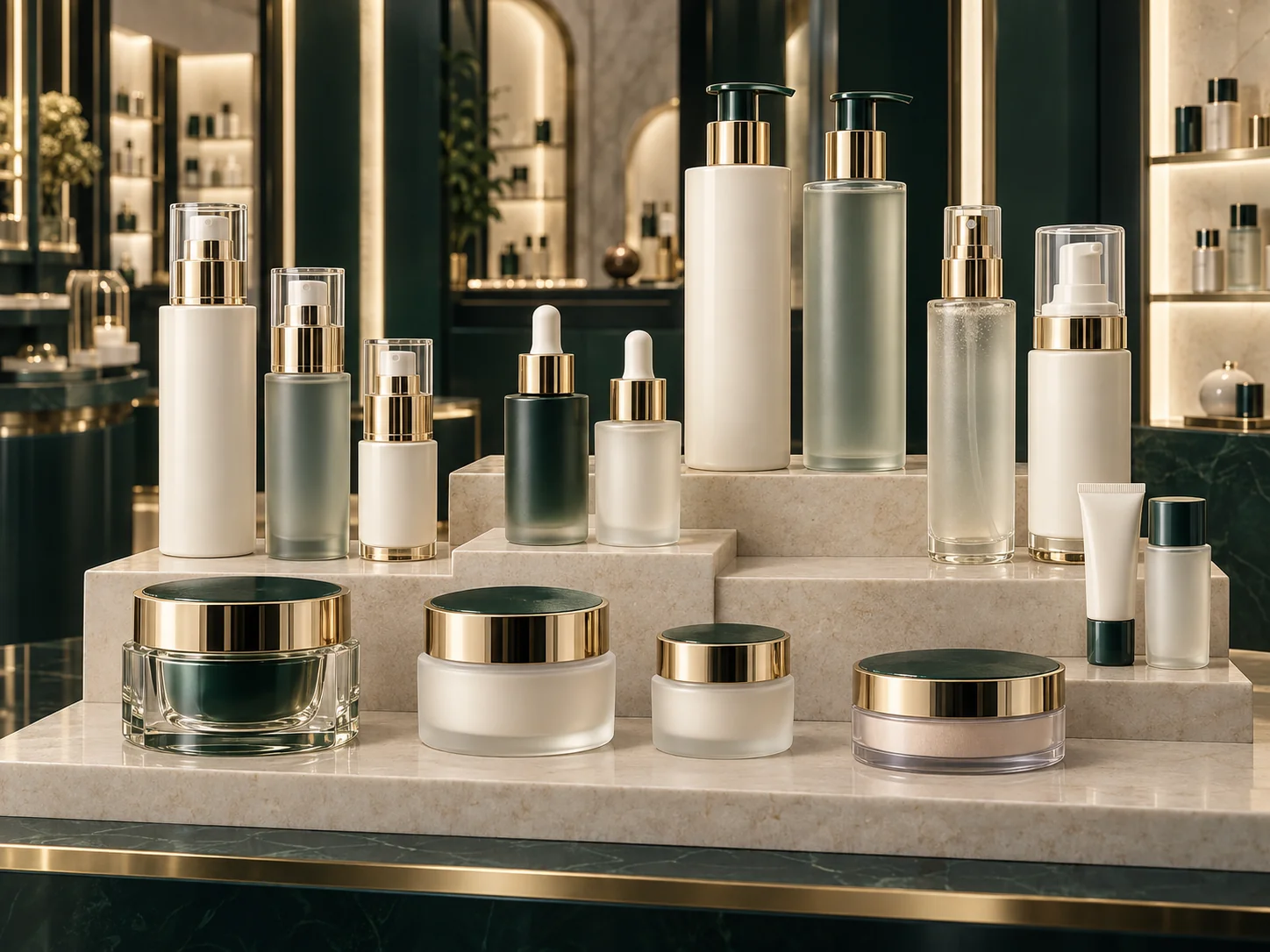
Build skincare packs around formula protection, pump performance, decoration durability, launch speed and brand consistency.
APPLY THE GUIDANCESkincare Packaging manufacturer and supplier for custom bottles, jars, closures, decoration and complete packaging systems.
 APPLY THE GUIDANCE
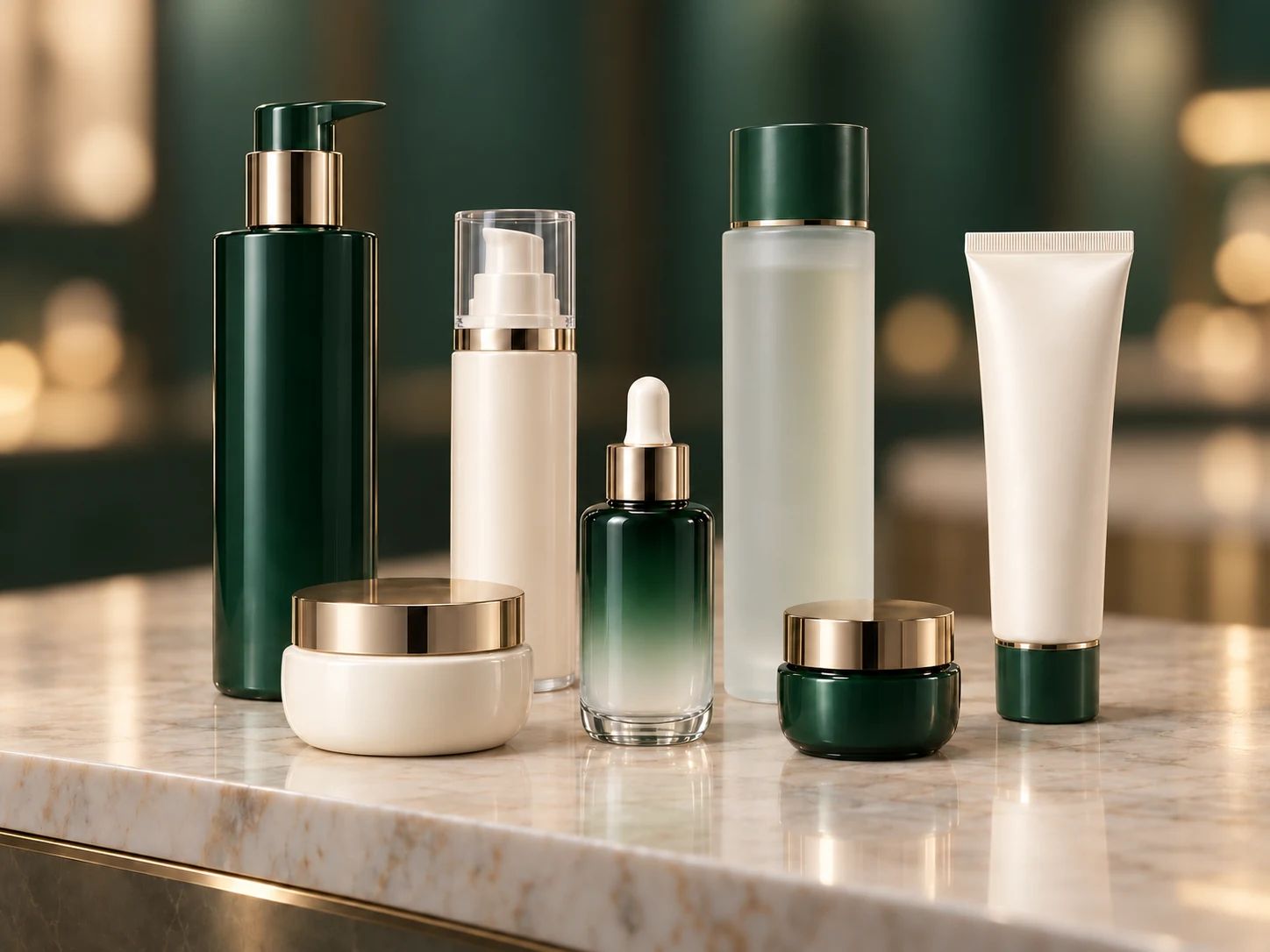
Compare bottles, jars and dispensing formats against the formula and daily-use requirements.