
Reference container
Record the current size, weight and closure arrangement before comparing alternatives.
Reduce packaging weight while preserving the handling, filling and presentation your product needs. We compare container geometry, material distribution and protective packing so a lighter bottle is evaluated as a complete pack.

Your packaging choices

Record the current size, weight and closure arrangement before comparing alternatives.
Review grip points, closing loads and the way the container moves through your line.
Consider shoulders, panels and base geometry alongside the material reduction.
Compare the insert and shipping carton as well as the primary container.
Component fit, formula contact, decoration and distribution conditions should be reviewed together.
A lighter container is a revised packaging design, even when its silhouette looks familiar. Review the proposed sample with your filling team and the intended closure. Compare the finished pack under relevant handling and transport conditions. If extra outer protection is needed, include that material in the comparison. State any weight saving against a clearly identified reference rather than a broad environmental promise.
Weight contributes to handling, transport and the feel of a pack. Reducing it should begin with the parts of the design that can change while preserving the intended use. PauPack can discuss lighter container routes alongside shape, closure, decoration and protective packing. For a premium product, ask which physical details create the sense of quality: proportion, finish, opening feel or the balance of the assembled pack.
The selected material and geometry determine which options deserve further review. A lighter version of a familiar silhouette may behave differently during filling, closing or transport. Treat it as a packaging-development decision with a defined sample review, rather than assuming that removing material leaves everything else unchanged.
Share the handling requirements from the filling site and the intended distribution route early. They help focus the discussion on the actual stresses and packing needs of the project. Your team may need to review how the proposed container is held, closed, packed or received before approving the change.
Review the outer packaging at the same time. A reduction in container weight that requires a different insert or carton should be compared as a complete pack. PauPack can help bring these connected decisions into the same project brief.
Use the proposed container and its reference version when discussing a weight change. Record the size, material, component arrangement and packing scope so the comparison remains meaningful. Any statement about reduced material should identify what was measured. Broader environmental conclusions need appropriate supporting evidence. For your next collection or packaging update, send the current reference and the features you want to preserve; we can discuss where a lighter route may be worth exploring.
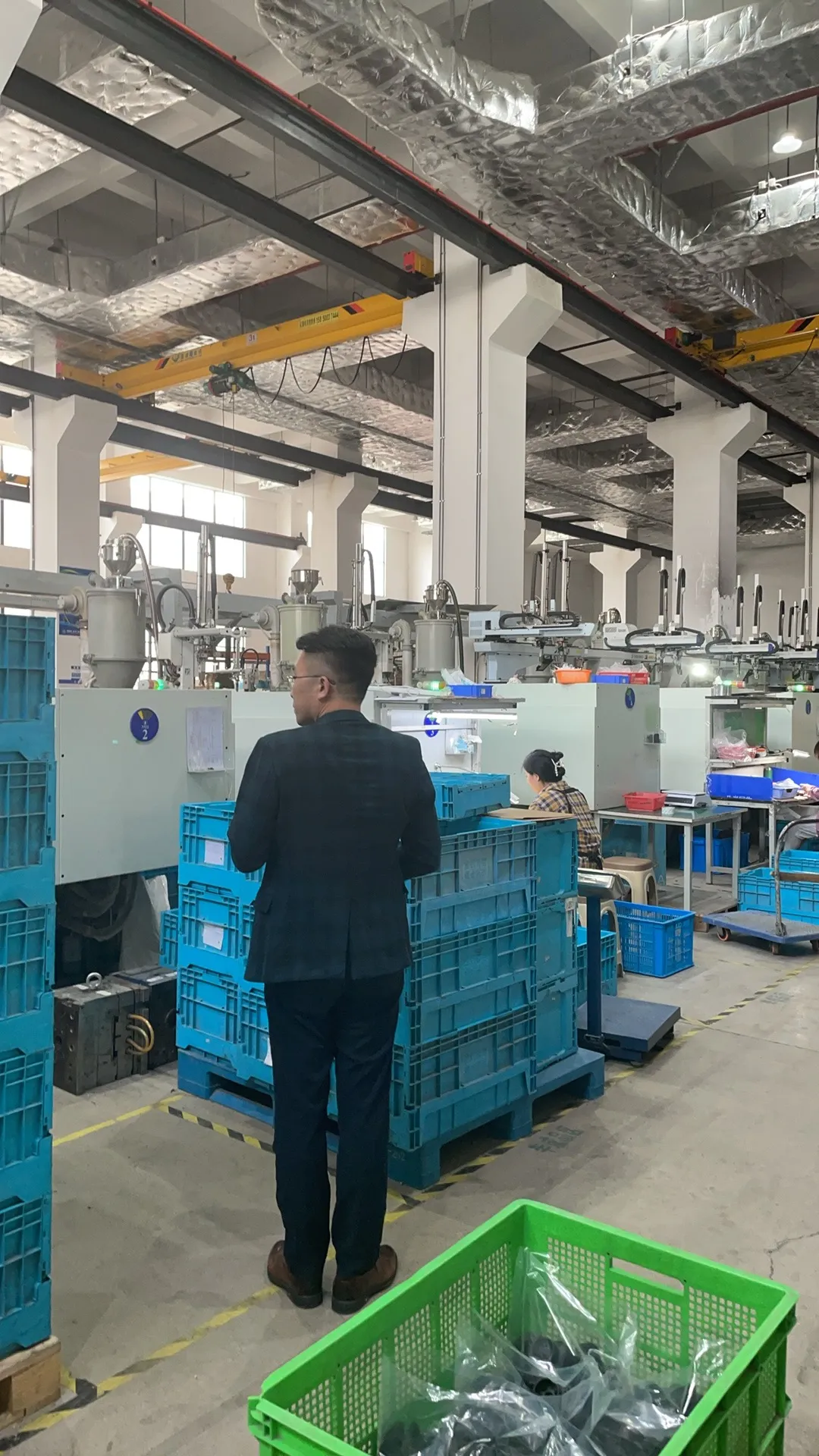
People behind your packaging
Since 2013, PauPack has combined manufacturing and trade services for packaging projects. Investment in four factories supports our work across bottle development, production and complete packaging coordination.
Explore our history ↗
Customer feedback
“Their attention to detail, from material selection to final finishing, ensures our products always stand out on shelves.”
Claud** Wagn** · Watsons
Published in PauPack’s customer feedback
Packaging questions
Mixed materials, metallized finishes, labels, inks, adhesives and non-removable accessories can alter sorting or recycling outcomes. Review the full assembly, including the cap or pump and secondary pack, instead of judging the container by itself.
PCR and recycled glass can influence color consistency, surface appearance, supply availability, decoration response, MOQ and commercial timing. These are project decisions to be tested against the approved visual reference, not defects to be hidden after a claim is chosen.
Ask for material scope, relevant supplier documentation, project-specific specifications, component breakdown and the conditions behind any stated recycled, refillable or recyclable attribute. Confirm the final wording against the destination market and responsible-party requirements.
Compare the proposed weight with the approved geometry, closure fit, filling and distribution requirements. Review representative samples and the agreed performance checks before changing the specification. Reducing material is useful only if the container still works through filling, transport and normal use.
Not necessarily. Compare bottle cost, packing protection, units per case, freight and the development work required for the change. Use figures for the selected design and shipment. A reduction in container weight alone does not establish the total saving.
CONTINUE YOUR PROJECT
 CONNECTED PROJECT STEP
Review the material route alongside performance and evidence requirements.
 CONNECTED PROJECT STEP
Build skincare packs around formula protection, pump performance, decoration durability, launch speed and brand consistency.
CONNECTED PROJECT STEPClean Beauty Packaging manufacturer and supplier for custom bottles, jars, closures, decoration and complete packaging systems.
 PACKAGING GUIDES
Use the related guidance before confirming the next selection or sample.
 READ THE GUIDE
Compare material trade-offs and the checks needed for the intended use.