
Project brief
Bring product use, capacity, visual references and the intended order together.
PAUPACK / RESOURCES
Use the packaging brief, component-matching checklist and sample-approval checklist to organize your product references. Choose the file for the decision you are making now and keep it with the current bottle, closure and artwork versions.
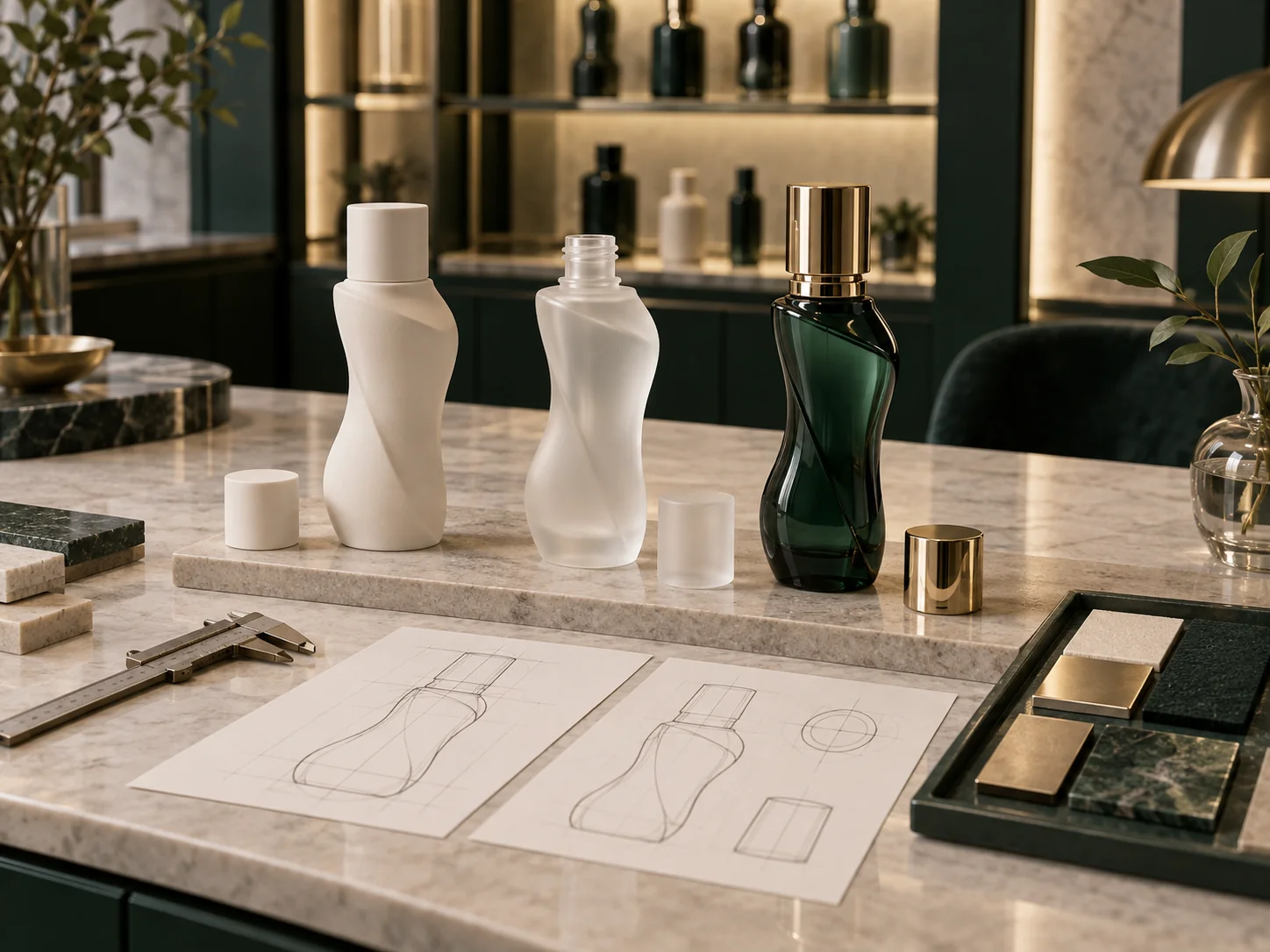
Your packaging choices
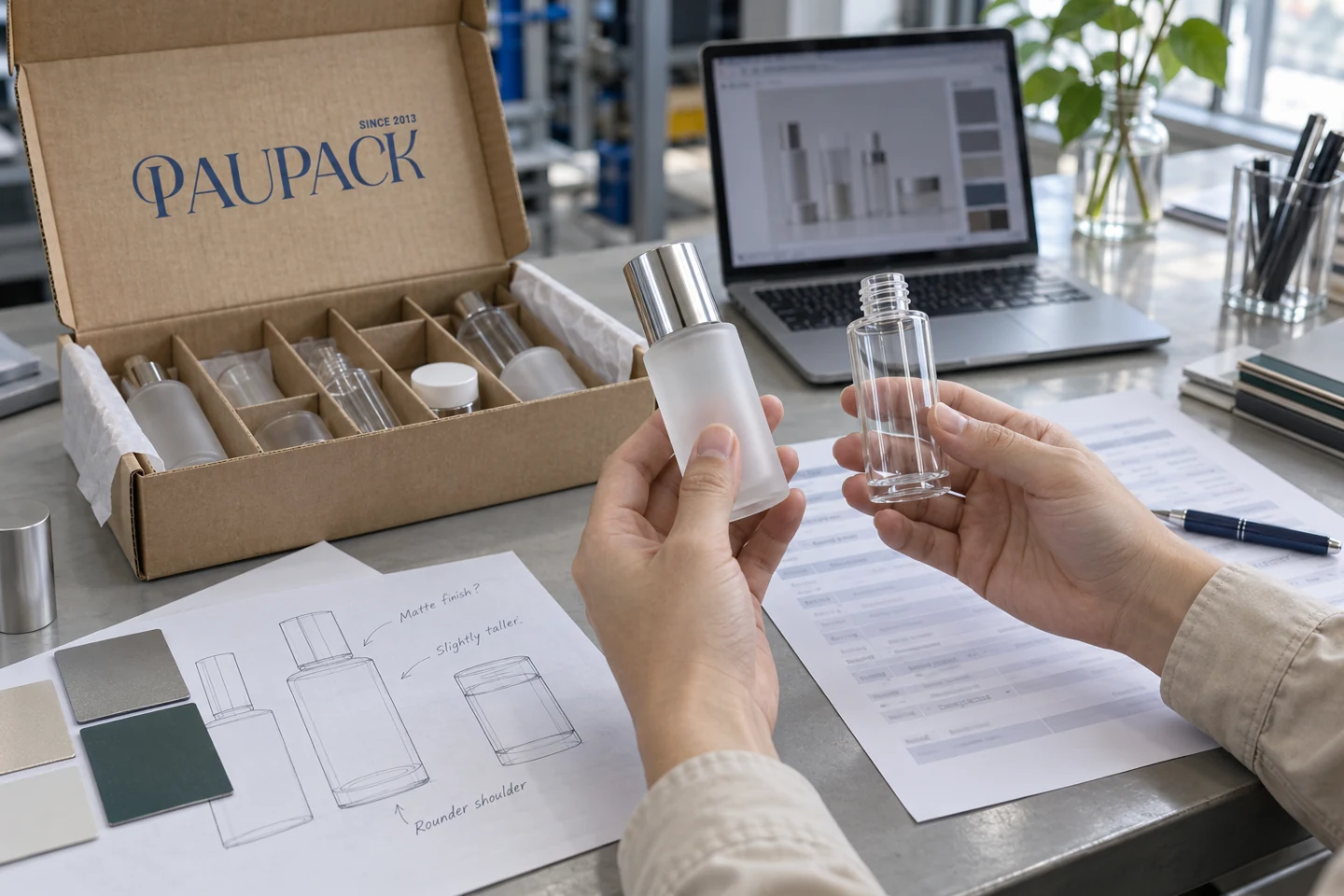
Bring product use, capacity, visual references and the intended order together.
Record the bottle, closure and dispensing requirements for the selected assembly.
Identify the sample version, checks completed and any point still needing a decision.
Keep the agreed files accessible to your design, product and filling teams.
PROJECT BRIEF / PDF + TEXT
Record use, target size, material direction, components, quantity, market and launch needs.
COMPONENT MATCHING / PDF + TEXT
Review interfaces, dispensing, formula testing, decoration clearances and assembly requirements.
SAMPLE APPROVAL / PDF + TEXT
Record the sample revision, agreed checks, deviations, responsibilities and release decision.
CHOOSE YOUR PROJECT CHECKLIST
These are blank planning tools, not product test reports or acceptance standards. Agree the required test methods, limits and responsibilities for the selected packaging, formula and market.
Read the quality and sample guidanceThe downloads in this library are practical working tools for developing a packaging project. They help you organize the information behind a design choice, a component match or a sample approval. You can use them with your own team before speaking with PauPack, or work through the relevant sections together during development. They are designed to make the conversation clearer, especially when several people contribute references and requirements.
You do not need a completed technical specification to begin. Record what you know and identify the decisions that are still open. A useful brief explains the product and the result you want, while leaving room for the development team to compare suitable options. The tools can be updated as those choices become more specific.
Use the project brief to connect the product, brand direction and commercial context. Include the intended application, proposed container format, visual references and the components you expect to need. Your target quantity, destination and launch timing help frame the discussion. If you have an existing sample or drawing, note the reference and explain which features you want to keep or change.
This brief is especially useful when the project includes a bottle, closure, decoration and paper packaging. Instead of sending separate instructions for each item, it gives the team one description of the complete result. Keep the latest version with the project so later choices can be checked against the original priorities.
Use the matching checklist when a bottle, pump, cap or other component needs to work with an existing or proposed counterpart. Record the available references and the intended function. A photograph can communicate appearance, while a drawing or physical sample provides more information for reviewing the interface. Include any known filling, handling or dispensing requirements.
The checklist helps keep the complete combination visible during selection. If a component changes, update the reference and review the effect on the assembly. Similar appearance or a shared nominal size should be treated as a starting point for evaluation, rather than proof that two parts will perform identically.
Use the approval checklist to identify the sample version, the points reviewed and the result of that review. Separate appearance, component fit, function and packing, and record any open questions. Where a change is requested, describe the affected area so the next sample has a clear purpose. Keep relevant artwork and component references alongside the approval notes.
These downloads are planning checklists, not product specifications or test reports. Product-specific drawings, material information and other documents are discussed for the selected project. Once your brief is ready, follow the relevant quote, custom-project or sample-matching link and tell PauPack which decisions you would like help resolving.
The printable versions are useful for a meeting or sample review. The editable versions allow you to keep the information with the project and revise it as decisions are made. Add reference names consistently so your designer, filling partner and packaging contact are discussing the same items. The value comes from a clear shared record, not from completing every field before the first conversation.
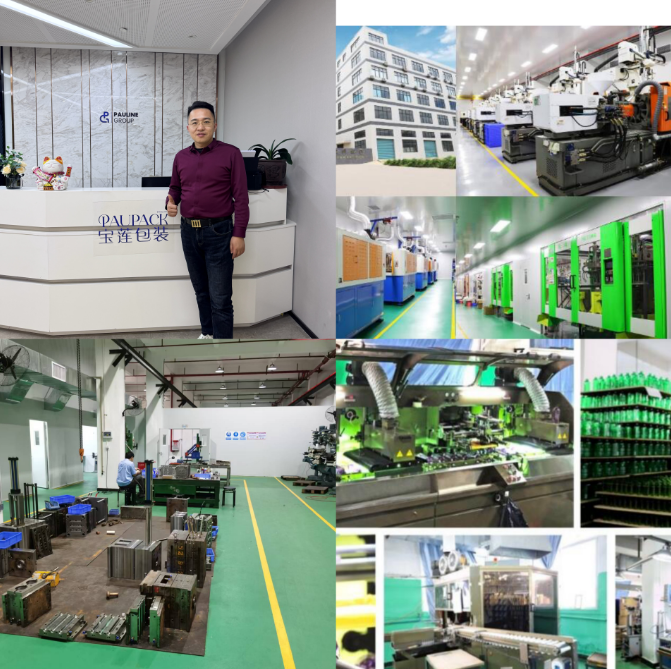
People behind your packaging
Since 2013, PauPack has combined manufacturing and trade services for packaging projects. Investment in four factories supports our work across bottle development, production and complete packaging coordination.
Explore our history ↗
Customer feedback
“Their attention to detail, from material selection to final finishing, ensures our products always stand out on shelves.”
Claud** Wagn** · Watsons
Published in PauPack’s customer feedback
Questions & answers
Start with the packaging project brief if the container or project scope is still open. Use the component-matching checklist once the bottle and closure are selected. The sample-approval checklist helps record the accepted appearance, function and packing before the order proceeds. Packaging Guides →
CONTINUE YOUR PROJECT
CONTINUE READINGExplore related guides and practical project tools.
APPLY THE GUIDANCETurn your references and product requirements into a design, sample and production brief.
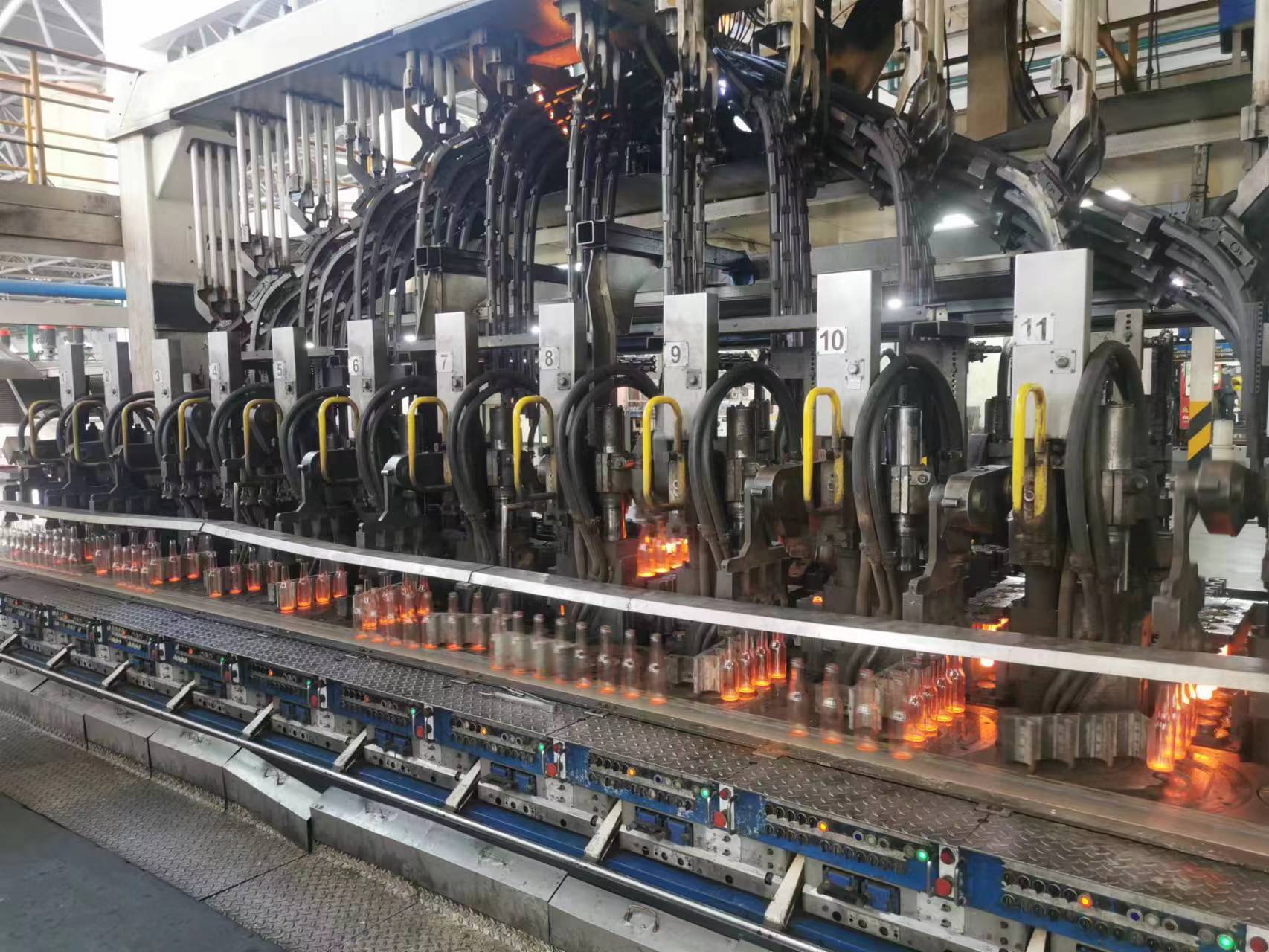 APPLY THE GUIDANCE
Agree the test conditions, acceptance limits and records needed for your packaging and formula.
YOUR NEXT STEP
Share the product use, target size, material direction, estimated quantity and launch needs. Choose the route that matches the information you have today.
For a new form, custom tooling, decoration or a coordinated packaging system.
CHECK A REFERENCEFor a bottle, pump, cap or assembly that needs a fit and performance review.
COMPARE OPTIONSFor a selected product family and an initial commercial discussion.