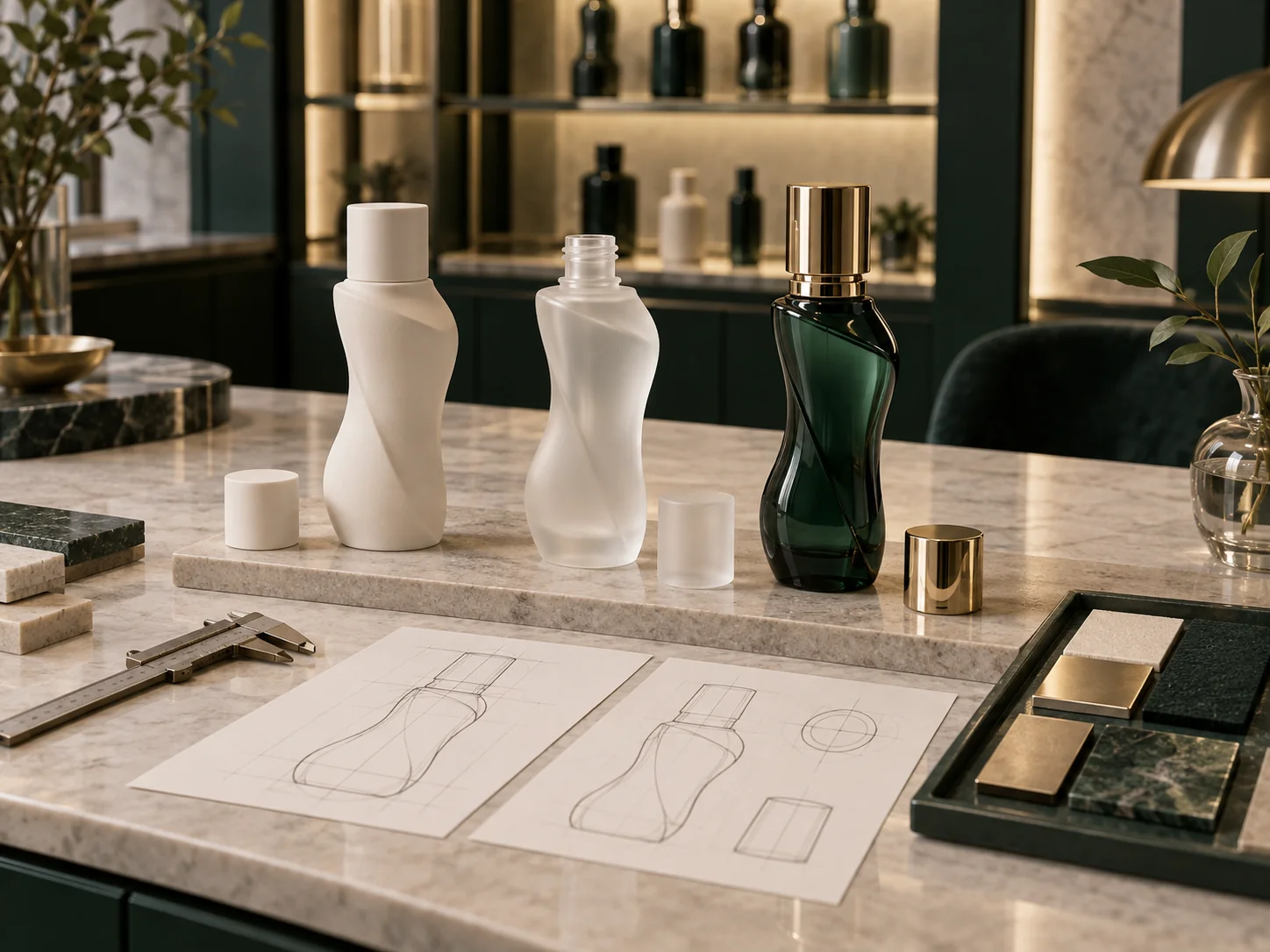
Design definition
Review the current bottle drawing, capacity and closure interface.
Create a new bottle mold when your shape or functional detail needs more than an existing format can offer. We connect design feasibility, tooling scope, trial samples and the terms for future production around your selected packaging route.
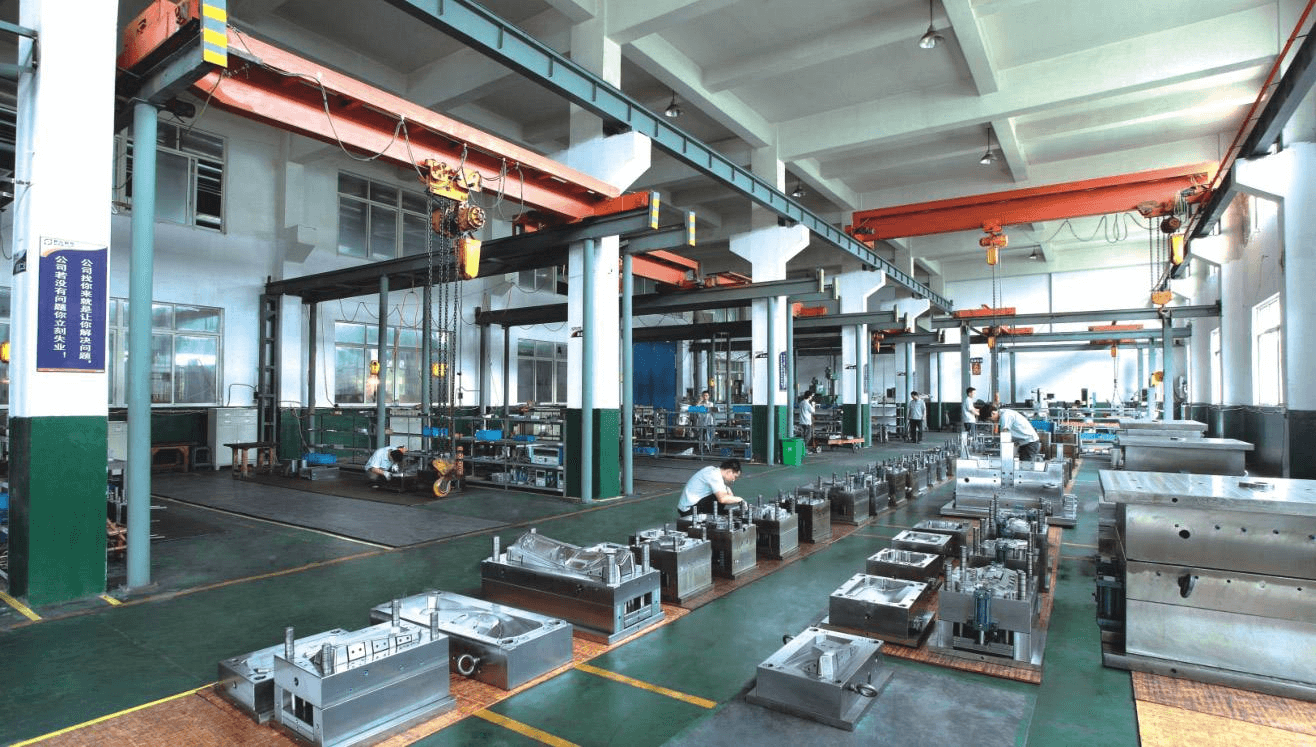
PROJECT HANDOVER
Approved concept, component interface and target production route.
Confirm tooling scope, ownership, sample rounds and change control.
Tooling review and sample acceptance criteria before release.
Your packaging choices
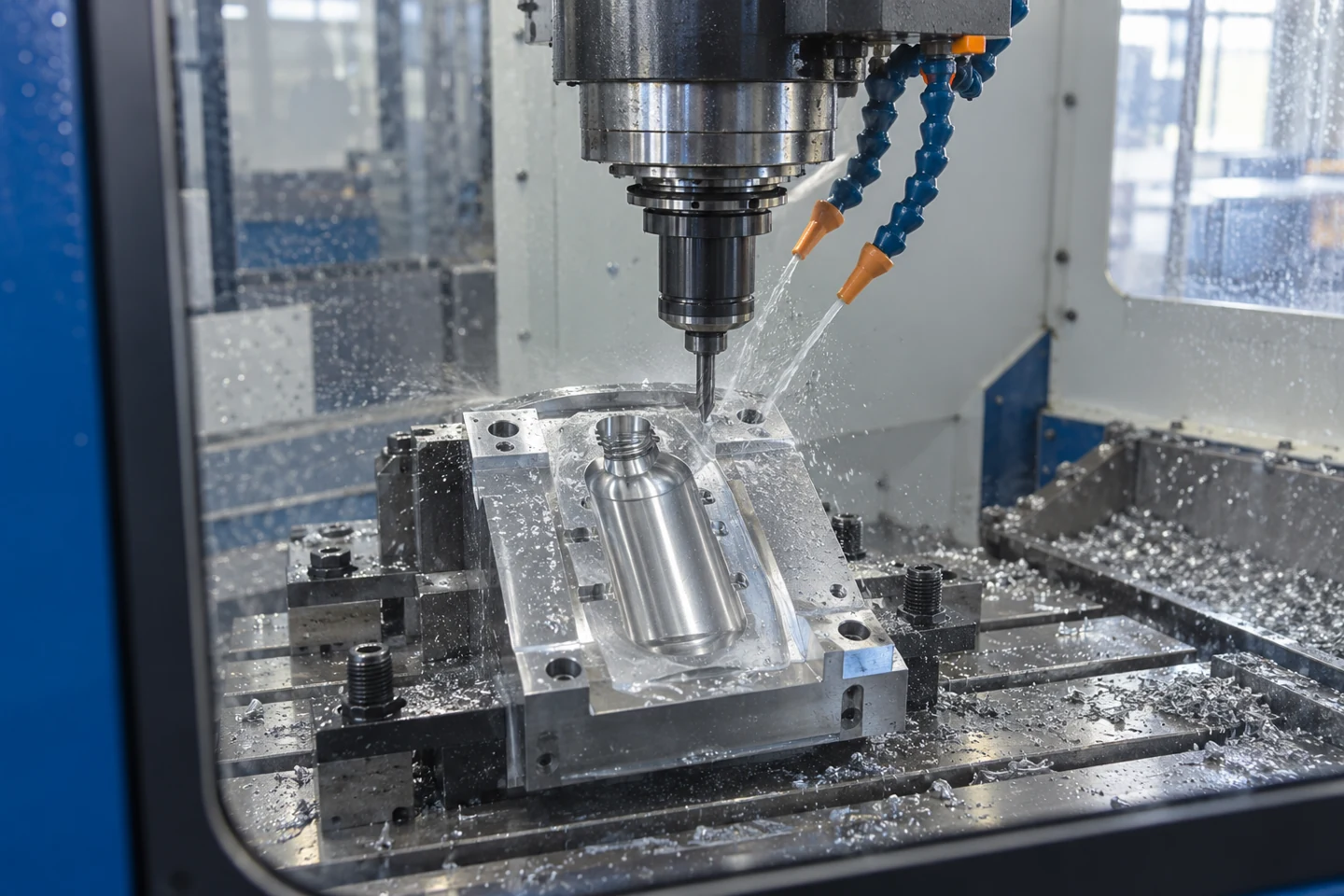
Review the current bottle drawing, capacity and closure interface.
Identify the mold components and production assumptions included in the proposal.
Distinguish shape review, tooling trials and decorated assembly approval.
Agree ownership, maintenance responsibilities and the route for subsequent orders.
Review tooling cost, intellectual property and lead time with the project team before sample approval.
Explore method options with matching components, decoration and a clear sample route.
Explore →Explore equipment options with matching components, decoration and a clear sample route.
Explore →Explore quality evidence options with matching components, decoration and a clear sample route.
Explore →Explore release criteria options with matching components, decoration and a clear sample route.
Explore →PauPack brings the container, components and finish into one project. We help you compare the available designs, decide where customization adds value and prepare an assembled sample for approval.
Identify failure modes before production
Define equipment, tolerance and controls
Generate samples, records and test results
Approve production and shipment criteria
Your selection priorities
Custom bottle mold development requires more than a concept image. The project needs an agreed product use, capacity, target shape, material, neck or closure interface, decoration direction, annual quantity, sample milestones and ownership terms before packaging tooling is released.
Custom bottle mold cost varies with design complexity, material route, number of components, development work and validation needs. A clear feasibility review gives you a clearer basis for deciding between stock, modified and private mold packaging.
People behind your packaging
Since 2013, PauPack has combined manufacturing and trade services for packaging projects. Investment in four factories supports our work across bottle development, production and complete packaging coordination.
Explore our history ↗
Customer feedback
“Their attention to detail, from material selection to final finishing, ensures our products always stand out on shelves.”
Claud** Wagn** · Watsons
Published in PauPack’s customer feedback
PROJECT FAQ
Inspection can cover dimensions, appearance, leakage, drop performance, closure fit, decoration adhesion and packing.
Cost depends on the bottle design, material, tooling complexity, component interface, development work, samples and validation route. Useful inputs include a drawing or 3D reference, capacity, product use, material direction, closure requirement, quantity, decoration and target timing.
Custom development is justified when an available component cannot deliver the required silhouette, proprietary functionality, line-extension logic or premium visual distinction. The decision should be based on the product brief, expected quantity, tooling investment, timing and long-term value of the platform.
Convert the reference into measurable choices: capacity, overall dimensions, neck finish, wall or base treatment, material, closure interface, decoration zones, filling conditions and packing assumptions. This turns a visual direction into a feasibility discussion instead of an unsupported promise.
Agree the approved drawing or 3D direction, material route, key dimensions, closure and assembly interface, intended decoration, ownership terms, sample milestones and change-control process. Changes after tooling release can affect cost, timing and the ability to keep an approved reference consistent.
Review the assembled sample against a written reference for appearance, dimensions, component fit, dispensing or sealing needs, decoration placement, handling and packing. The review should identify what is approved, what remains conditional and who provides final project sign-off.
Agree the drawing revision, capacity, neck finish, dimensions, decoration areas and the cap or pump interface. Include trial samples, acceptance criteria, tooling cost, ownership and permitted use in the project agreement. Review how the bottle will be filled, decorated and packed before approving the mold, because those requirements can affect the design. Custom Shaped And Heavy Base Glass Bottles →
Ownership and permitted use should be agreed in writing before commissioning the mold. The agreement should also cover storage, maintenance, revisions, access, repeat-order arrangements and what happens when the project ends. PauPack discusses these terms for the selected development route; payment for tooling should not be treated as a substitute for a clear ownership agreement. NDA →
CONTINUE YOUR PROJECT
 CONNECTED PROJECT STEP
See how PauPack manages feasibility, mold development, manufacturing, decoration and validation before your packaging reaches the filling line.
CONNECTED PROJECT STEPReview the shape, wall sections, neck interface and decoration area before finalizing the design.
CONNECTED PROJECT STEPConnect the approved drawing and sample to material, process and inspection requirements.
PACKAGING GUIDESUse the related guidance before confirming the next selection or sample.
 READ THE GUIDE
Identify the information and approvals needed before production release.