Glass
Review forming, neck finish, appearance and protective packing.
Translate your approved bottle design into a repeatable production specification. We connect material selection, forming, component matching, decoration and packing, with the samples and inspection priorities relevant to your glass or plastic packaging.
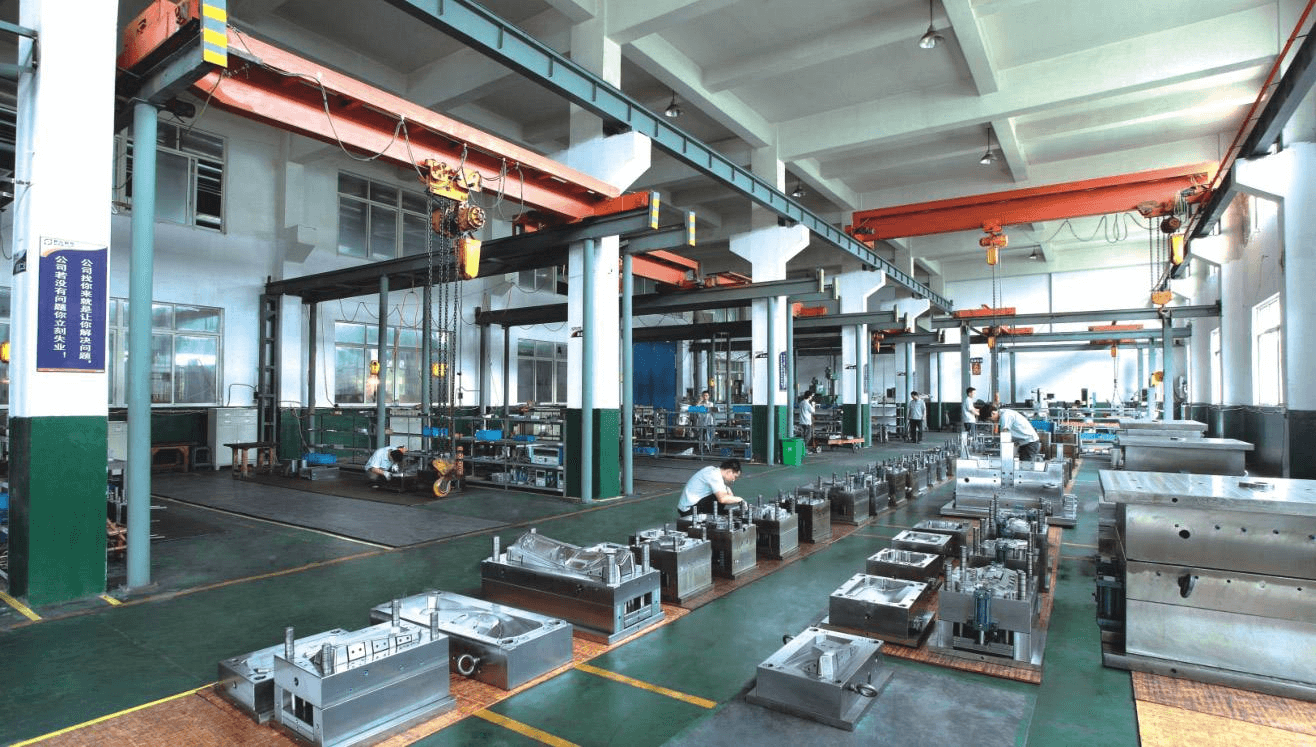
PROJECT HANDOVER
Approved specifications, sample version and quantity plan.
Define material, process controls, inspection points and packing.
Production records and the agreed inspection and release route.
Your packaging choices
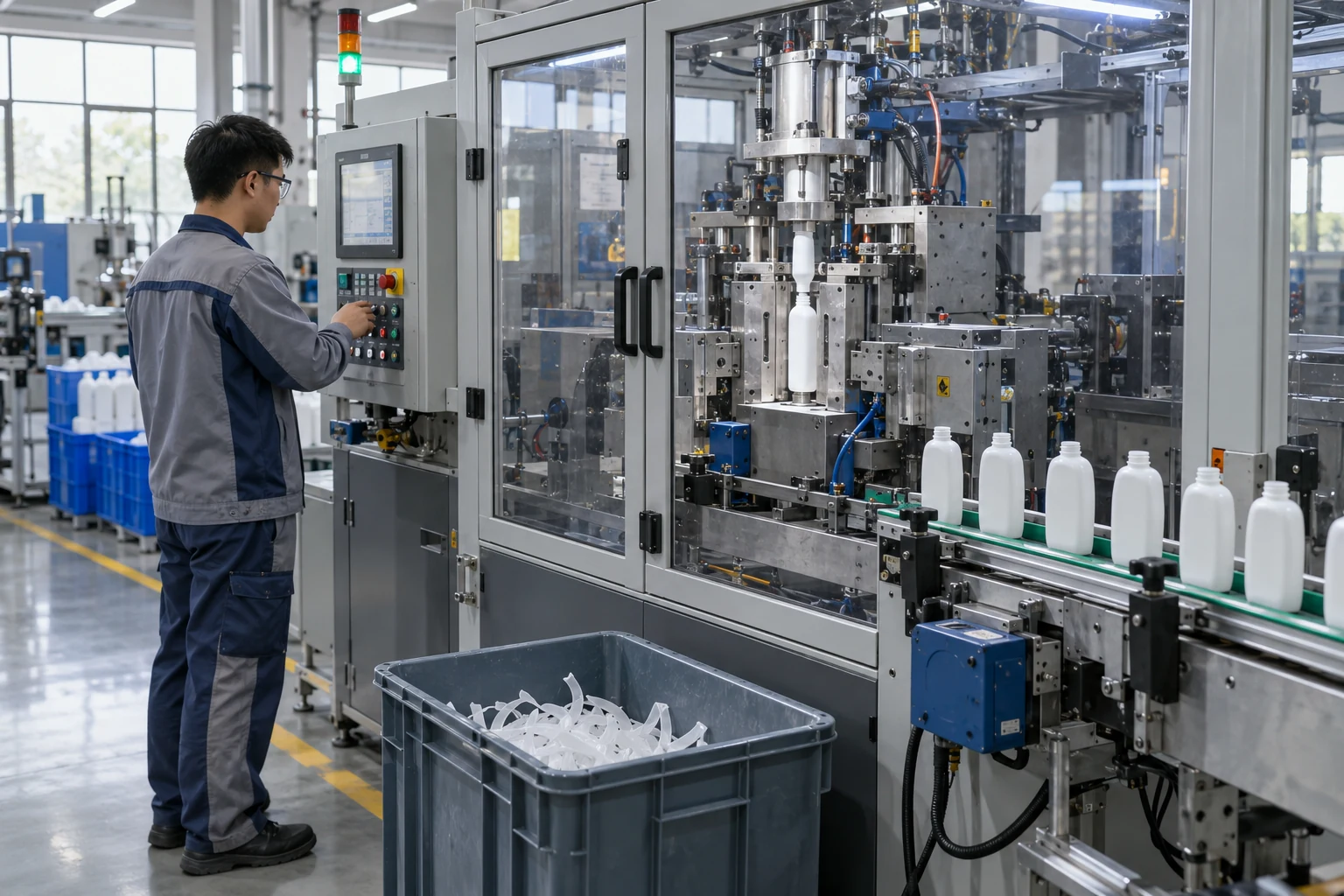
Review forming, neck finish, appearance and protective packing.
Match the resin, shape and forming process to the product and closure.
Carry the approved color and decoration through the selected production route.
Keep the assembled sample and component references with the order.
Confirm batch-consistency criteria and capacity requirements with the project team before sample approval.
Explore method options with matching components, decoration and a clear sample route.
Explore →Explore equipment options with matching components, decoration and a clear sample route.
Explore →Explore quality evidence options with matching components, decoration and a clear sample route.
Explore →Explore release criteria options with matching components, decoration and a clear sample route.
Explore →PauPack brings the container, components and finish into one project. We help you compare the available designs, decide where customization adds value and prepare an assembled sample for approval.
Identify failure modes before production
Define equipment, tolerance and controls
Generate samples, records and test results
Approve production and shipment criteria
The handover from development to manufacture should describe more than the bottle shape. It brings together the chosen material, closure interface, finish, decoration, assembly and packing requirements. PauPack helps coordinate that complete reference so an approved visual detail is not lost between separate suppliers or stages. If a component, artwork version or finish changes, we review its effect on the rest of the pack before proceeding. This is how the design discussion remains useful through sampling, order preparation and repeat supply.
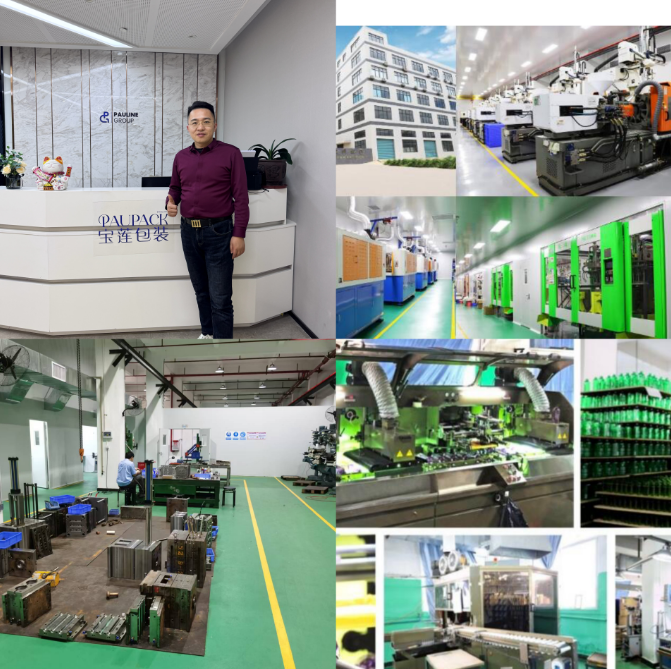
People behind your packaging
Since 2013, PauPack has combined manufacturing and trade services for packaging projects. Investment in four factories supports our work across bottle development, production and complete packaging coordination.
Explore our history ↗
Customer feedback
“Their attention to detail, from material selection to final finishing, ensures our products always stand out on shelves.”
Claud** Wagn** · Watsons
Published in PauPack’s customer feedback
PROJECT FAQ
Yes. Engineering review helps identify closure, tolerance, tooling and decoration risks.
Yes. Functional assembly testing is recommended before mass production.
Inspection can cover dimensions, appearance, leakage, drop performance, closure fit, decoration adhesion and packing.
Glass, plastic and lower-impact material options each influence component fit, appearance, label or print response, weight, transit protection and supply conditions. Review the full package so the selected closure, decoration and secondary pack work with the chosen container.
MOQ and timing are usually controlled by the highest-minimum element in the finished package, such as the bottle, cap, pump, decoration batch, insert or carton. A useful proposal identifies that dependency and the approvals needed before production can start.
Approve the assembled component set, material and finish reference, relevant fit or performance criteria, artwork, packing configuration, delivery instructions and any required project documentation. Record the decisions so every stakeholder works from the same version.
Keep the selected material, drawings, component references, artwork and appearance sample in one approval record. Confirm inspection requirements and packing before release. Changes to materials, components or processes should be reviewed against that record instead of treated as equivalent by appearance alone. Quality System →
CONTINUE YOUR PROJECT
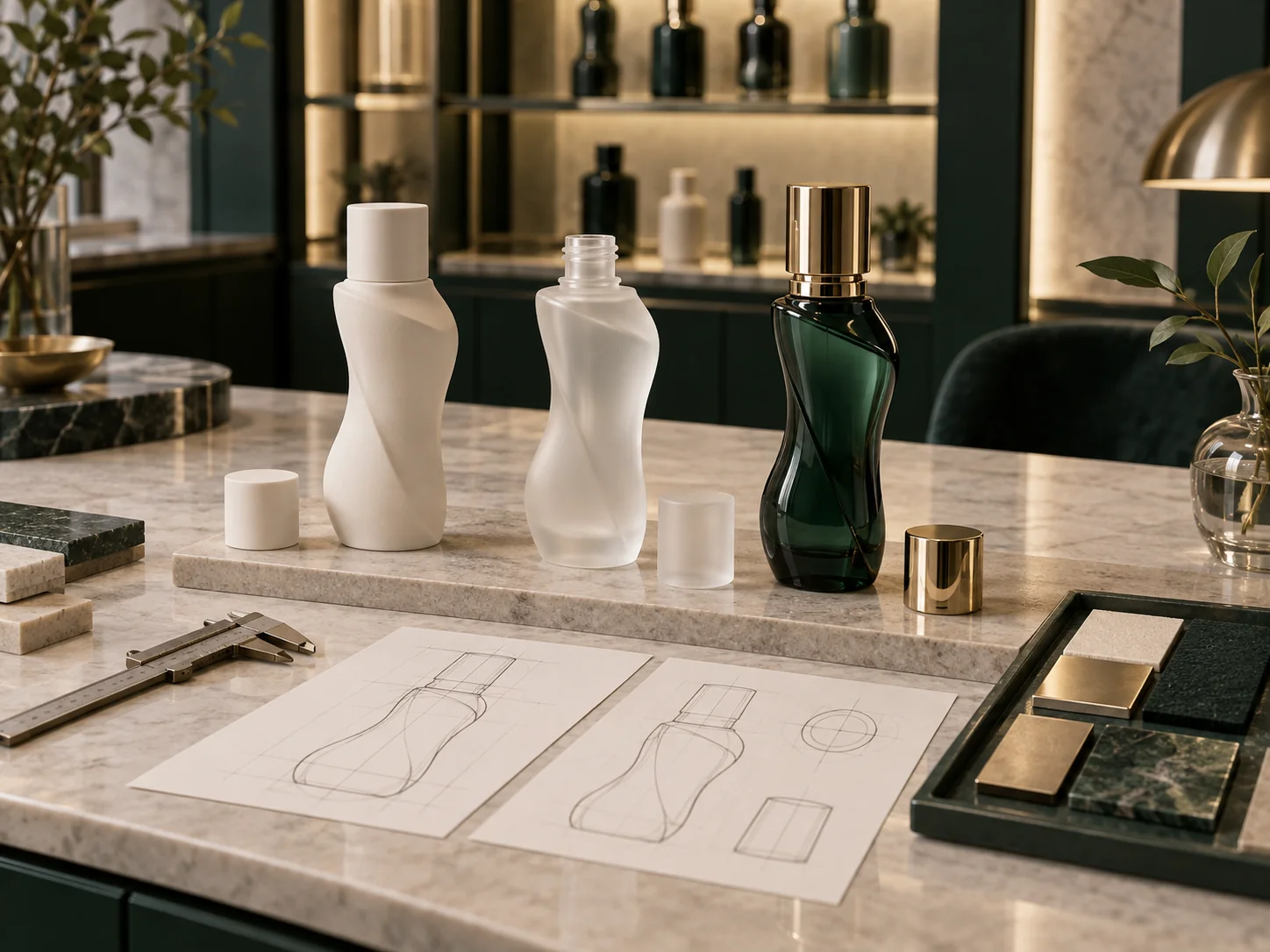 CONNECTED PROJECT STEP
See how PauPack manages feasibility, mold development, manufacturing, decoration and validation before your packaging reaches the filling line.
CONNECTED PROJECT STEPAgree the tooling scope, ownership, trial samples and change process before work begins.
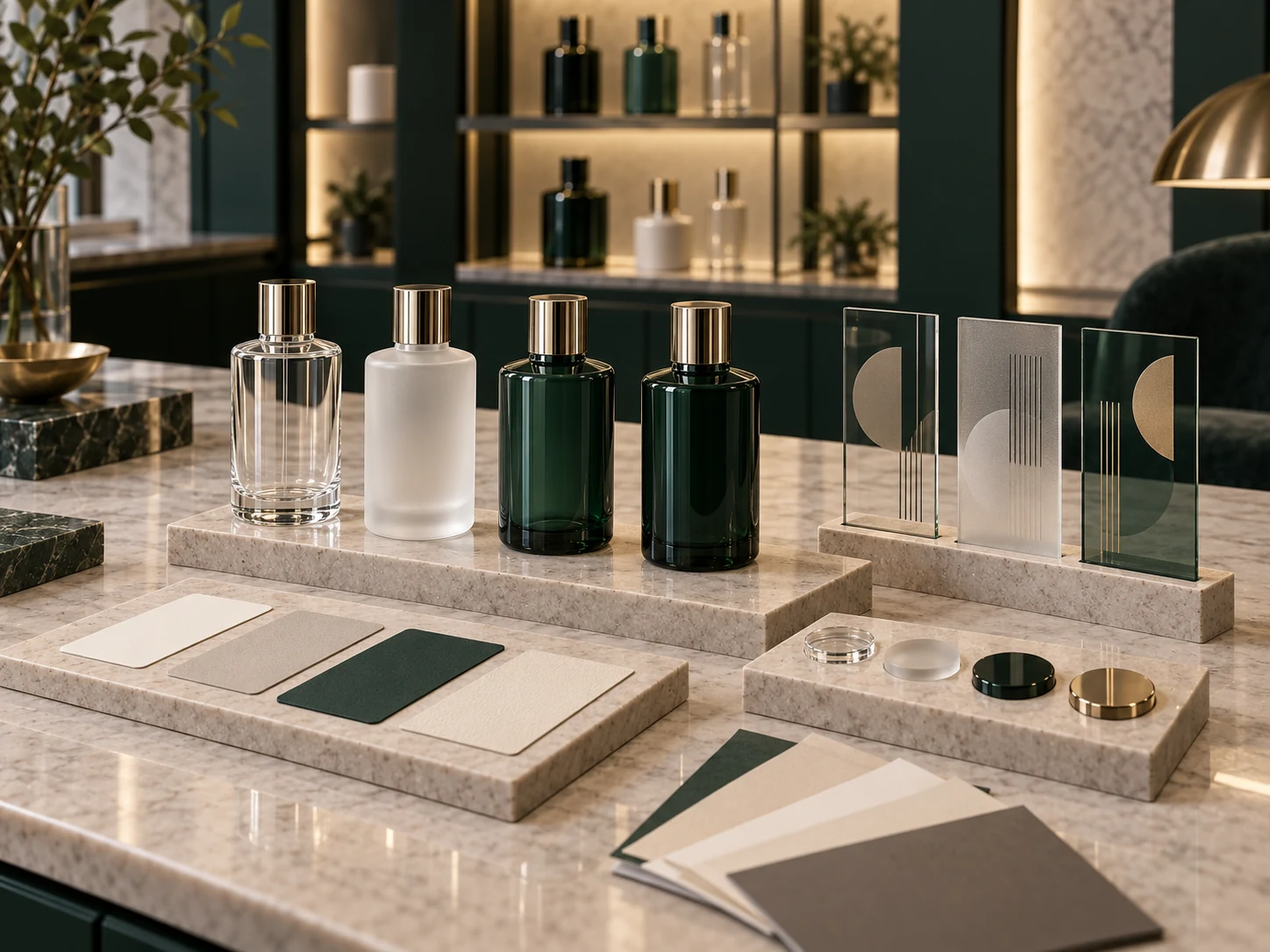 CONNECTED PROJECT STEP
Bring artwork and color references. Confirm the finish on the chosen material and assembled pack.
PACKAGING GUIDESUse the related guidance before confirming the next selection or sample.
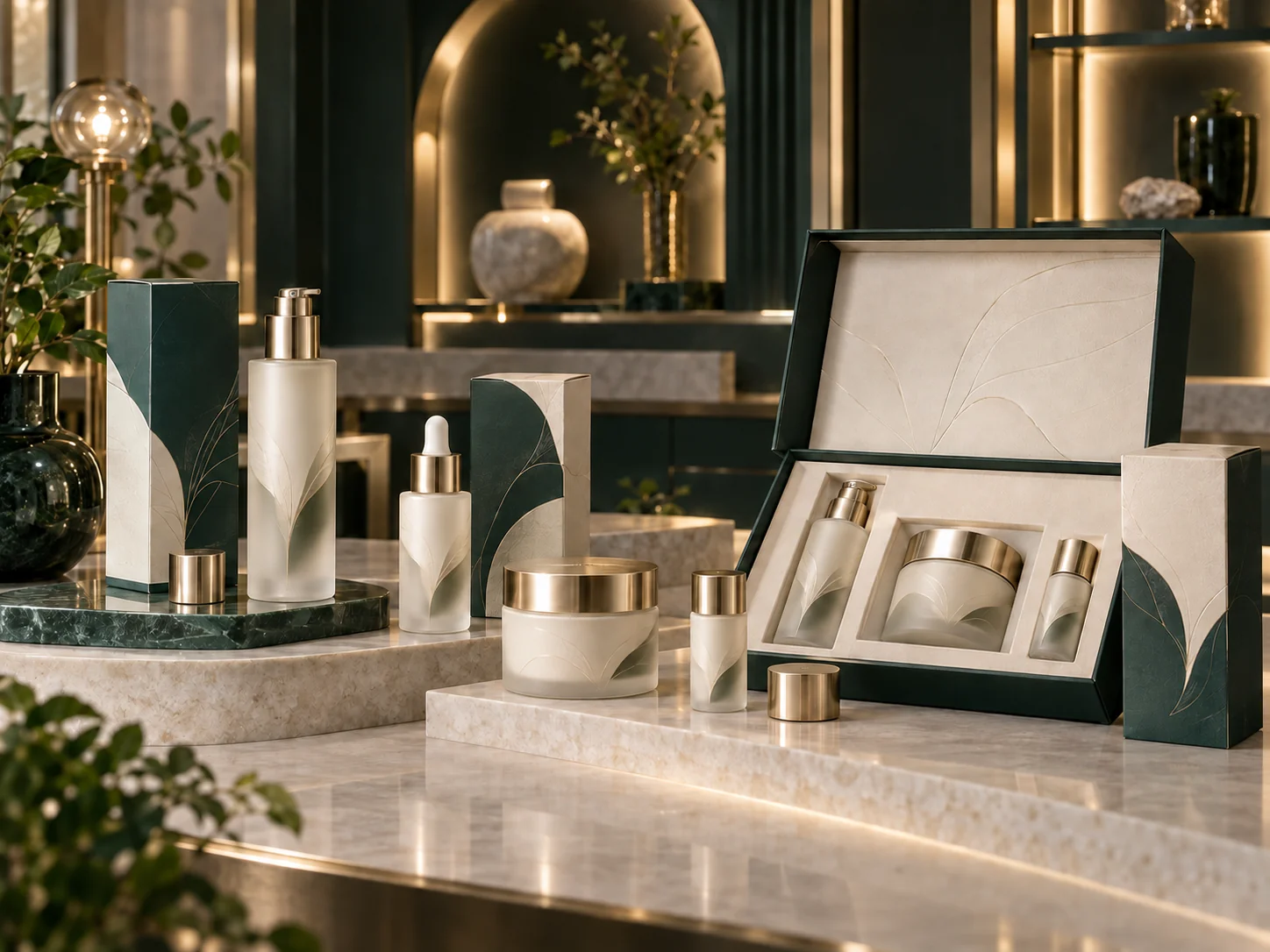 READ THE GUIDE
Identify the information and approvals needed before production release.