Capacity and form
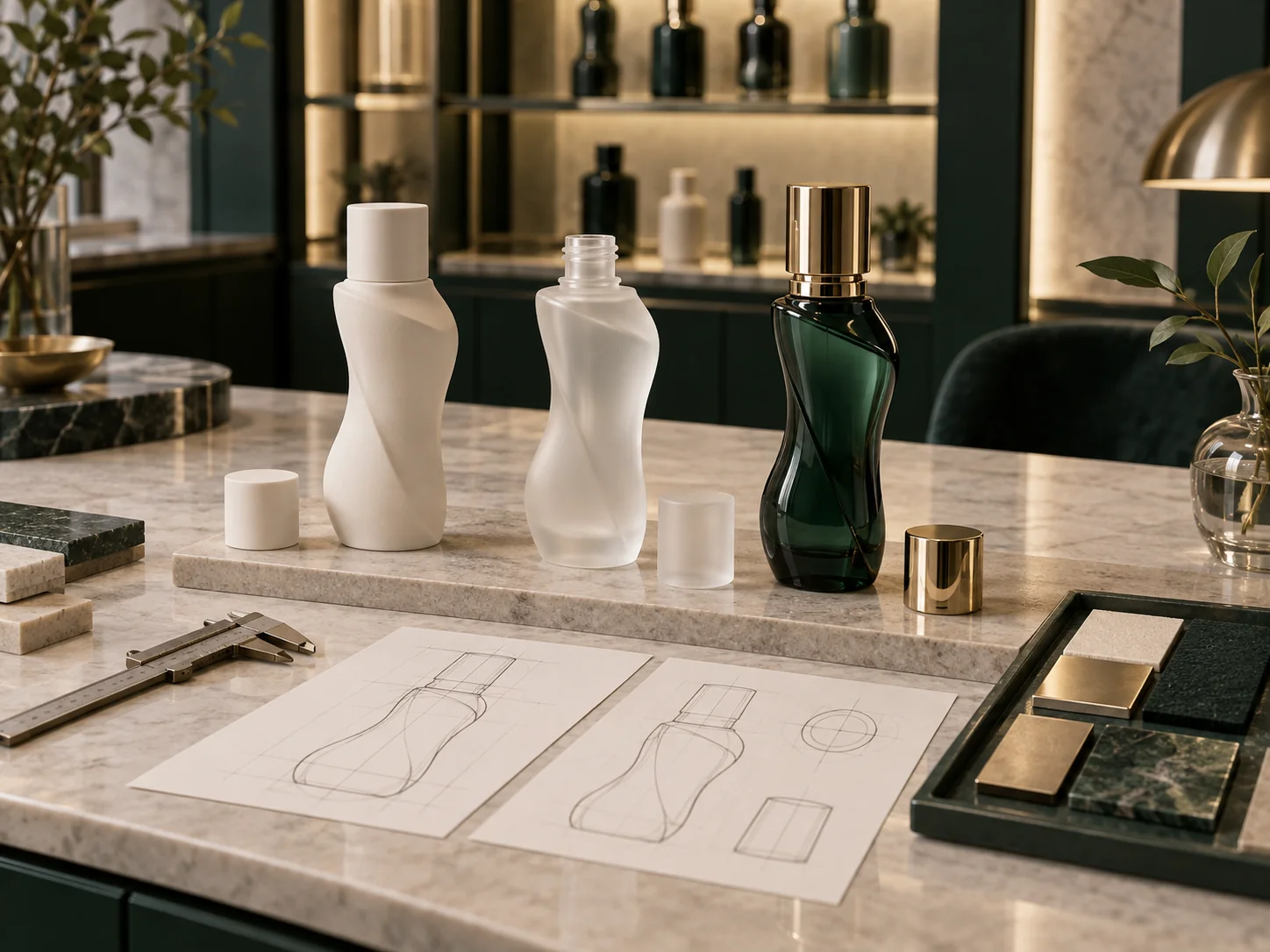
Distinguish nominal fill from overall container volume while developing the silhouette.
Develop the bottle shape you want with the dimensions and interfaces it needs to work. PauPack connects capacity, wall distribution, neck finish, closure selection and decoration space before the design moves into tooling and samples.
PROJECT HANDOVER
Reference direction, intended use and critical dimensions.
Review geometry, material, interfaces and decoration limits.
An agreed design direction and the open feasibility questions.
Your packaging choices
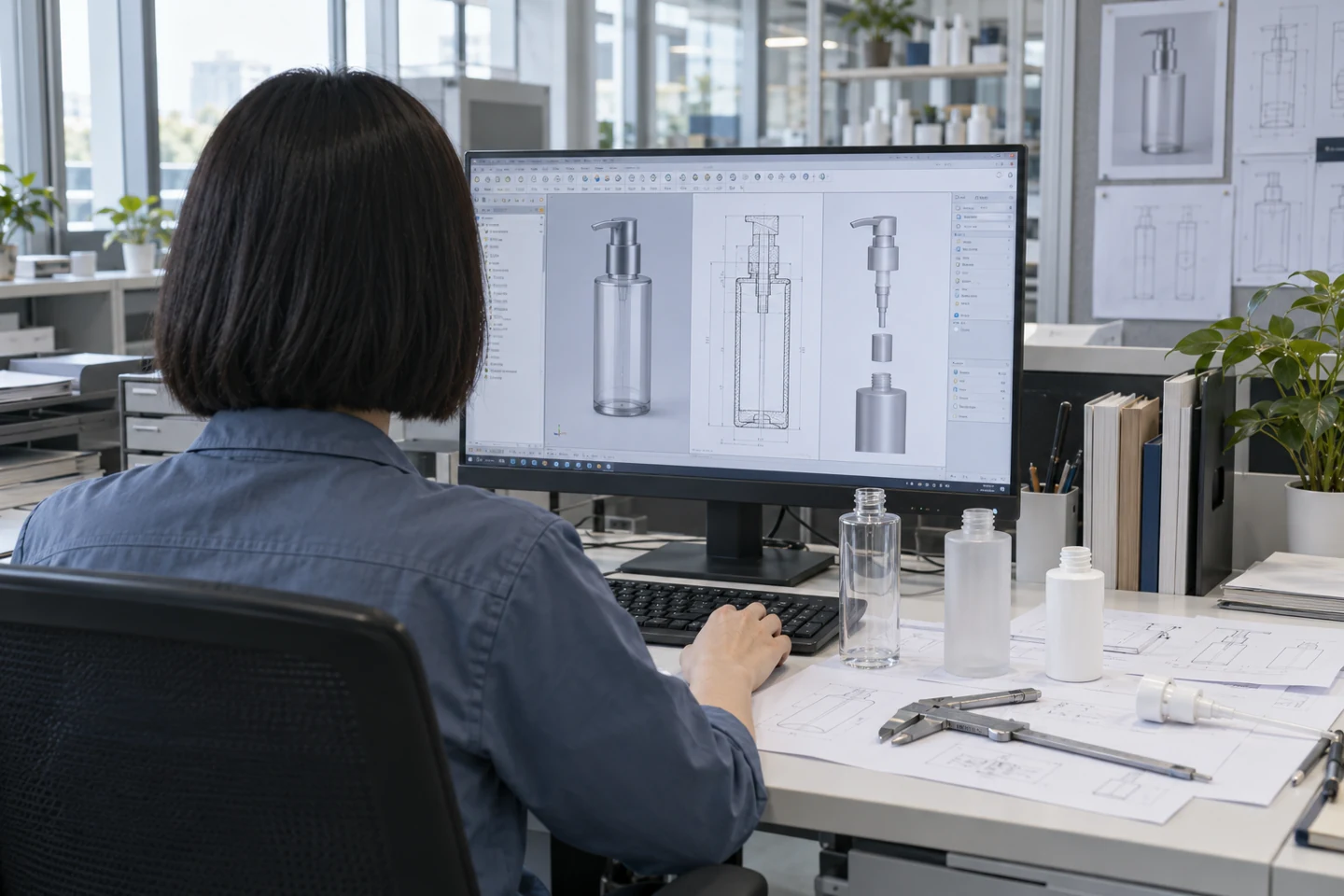
Distinguish nominal fill from overall container volume while developing the silhouette.
Review neck geometry, closure engagement and assembled height.
Consider the selected material, forming route and tooling implications.
Keep print zones, color and carton dimensions connected to the current drawing.
Review design feasibility and manufacturing constraints with the project team before sample approval.
Explore method options with matching components, decoration and a clear sample route.
Explore →Explore equipment options with matching components, decoration and a clear sample route.
Explore →Explore quality evidence options with matching components, decoration and a clear sample route.
Explore →Explore release criteria options with matching components, decoration and a clear sample route.
Explore →PauPack brings the container, components and finish into one project. We help you compare the available designs, decide where customization adds value and prepare an assembled sample for approval.
Identify failure modes before production
Define equipment, tolerance and controls
Generate samples, records and test results
Approve production and shipment criteria
Not every feature of a reference design carries the same value for your brand. We first identify what makes the concept recognizable: perhaps the shoulder, the relationship between bottle and cap, a tactile finish or a consistent silhouette across sizes. That gives the engineering discussion a clear priority. We can then consider how to preserve that character while reviewing component fit, decoration areas and the proposed production route. The result is a more useful design conversation than simply asking whether a picture can be copied.
People behind your packaging
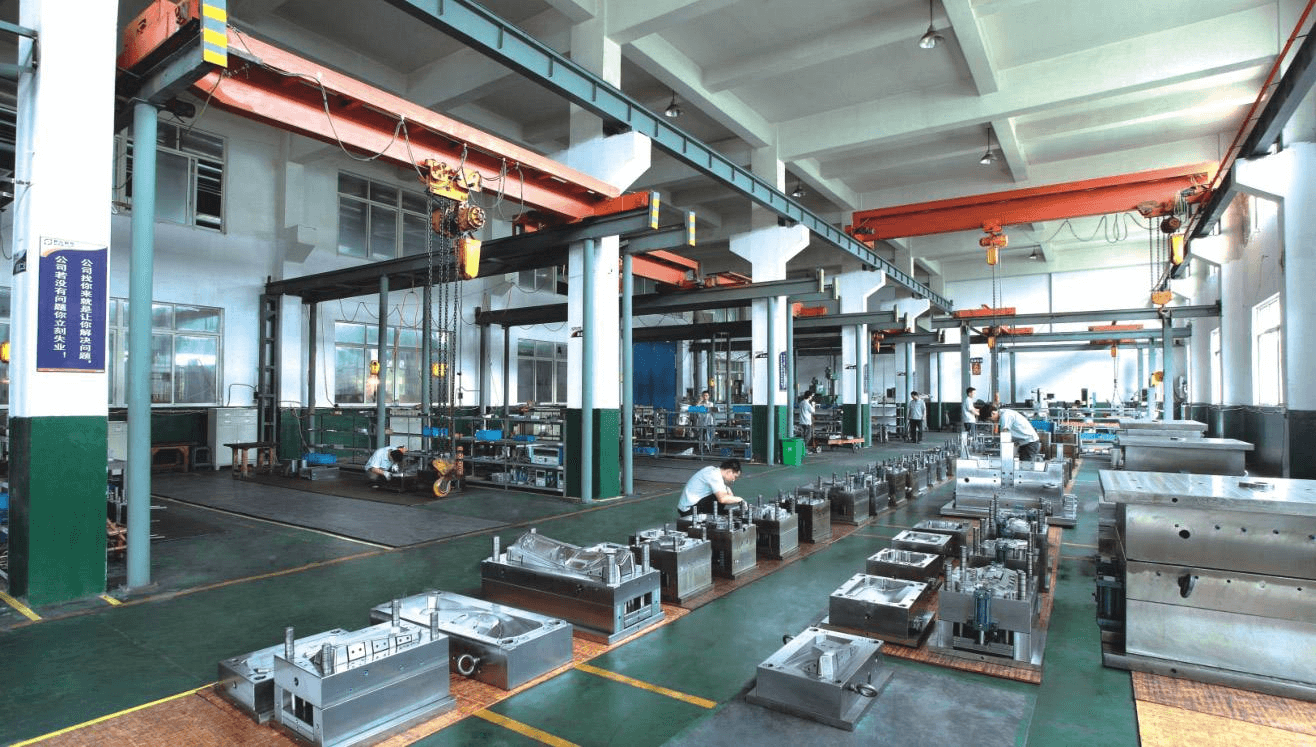
Since 2013, PauPack has combined manufacturing and trade services for packaging projects. Investment in four factories supports our work across bottle development, production and complete packaging coordination.
Explore our history ↗
Customer feedback
“Their attention to detail, from material selection to final finishing, ensures our products always stand out on shelves.”
Claud** Wagn** · Watsons
Published in PauPack’s customer feedback
PROJECT FAQ
Inspection can cover dimensions, appearance, leakage, drop performance, closure fit, decoration adhesion and packing.
Custom development is justified when an available component cannot deliver the required silhouette, proprietary functionality, line-extension logic or premium visual distinction. The decision should be based on the product brief, expected quantity, tooling investment, timing and long-term value of the platform.
Convert the reference into measurable choices: capacity, overall dimensions, neck finish, wall or base treatment, material, closure interface, decoration zones, filling conditions and packing assumptions. This turns a visual direction into a feasibility discussion instead of an unsupported promise.
Agree the approved drawing or 3D direction, material route, key dimensions, closure and assembly interface, intended decoration, ownership terms, sample milestones and change-control process. Changes after tooling release can affect cost, timing and the ability to keep an approved reference consistent.
Review the assembled sample against a written reference for appearance, dimensions, component fit, dispensing or sealing needs, decoration placement, handling and packing. The review should identify what is approved, what remains conditional and who provides final project sign-off.
Compare recycled content, refill, lightweighting or renewable elements alongside surface quality, color variation, component fit, decoration limits, MOQ and stated evidence. A credible route is one that meets the actual product and commercial requirements, not simply the most attractive material description.
Provide the bottle geometry, intended capacity, neck interface, cap proportions, decoration zones and artwork files. Separate essential brand features from details that can change during engineering. Before tooling, agree the drawing revision and sample approval stages with the filling team. A visual rendering alone does not define a production-ready fragrance bottle. Perfume And Fragrance Packaging →
Set the required function, capacity, main geometry and interfaces with closures or other components. Identify decoration and packing constraints, then agree the drawing revision and trial-sample route. A distinctive feature should have a clear purpose and a practical way to be produced and checked.
CONTINUE YOUR PROJECT
CONNECTED PROJECT STEPSee how PauPack manages feasibility, mold development, manufacturing, decoration and validation before your packaging reaches the filling line.
CONNECTED PROJECT STEPTurn your references and product requirements into a design, sample and production brief.
CONNECTED PROJECT STEPAgree the tooling scope, ownership, trial samples and change process before work begins.
PACKAGING GUIDESUse the related guidance before confirming the next selection or sample.
 READ THE GUIDE
Identify the information and approvals needed before production release.