PauPack Request Quote

Industries Served / Perfume & Fragrance

Perfume packaging that feels right before the first spray.

The bottle, the weight of the cap, the spray and the box all contribute to a fragrance’s first impression. PauPack coordinates these details as one packaging system, from an existing glass bottle with a distinctive finish to a custom-developed form.

Bring your fragrance concept and commercial brief. We’ll help you compare the bottle, atomizer, collar and presentation together.

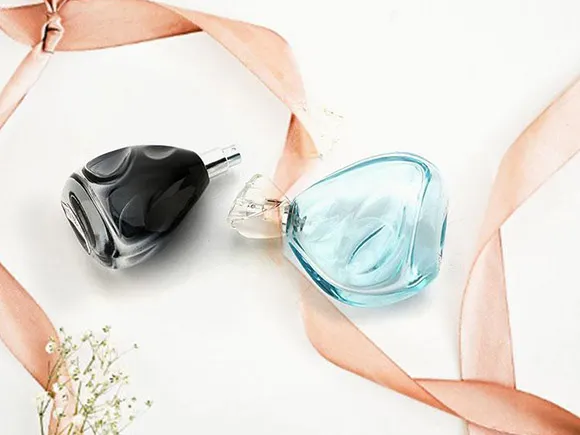
Sculptural glass perfume bottles from the PauPack product archive
PauPack product reference · Components and finish selected by project.

The complete fragrance experience

Choose the assembly, then refine the appearance.

A perfume bottle is only one part of the purchase. Agree the component combination and filling route before committing to decoration or a presentation box.

Bottle, spray and closure

Confirm the fill volume, neck finish and crimp or screw construction. Review the atomizer, collar, dip tube and cap engagement as a set. The desired spray experience should be checked with the intended fragrance and selected components.

Glass and brand character

Compare the silhouette, base, clarity and weight at actual size. A substantial base can change the feel of the pack, but also its packed weight. Allow the bottle and cap to balance visually before fixing the carton dimensions.

Finish and protection

Coating, printing and other decorative treatments need sample review on the chosen bottle. Consider handling marks, contact between components and protection in transit. Ask for the bottle, insert and box to be reviewed together.

Turning the concept into components

A controlled route to the finished presentation.

Our design and engineering team connects the bottle drawing with the selected atomizer, collar, cap and paper pack. Decoration and assembly requirements are recorded alongside the component specifications.

  1. Glass perfume bottle references for fragrance packaging selection
    01

    Define the design

    Set the fragrance format, desired silhouette and quantity. Compare existing shapes before opening a tooling discussion.

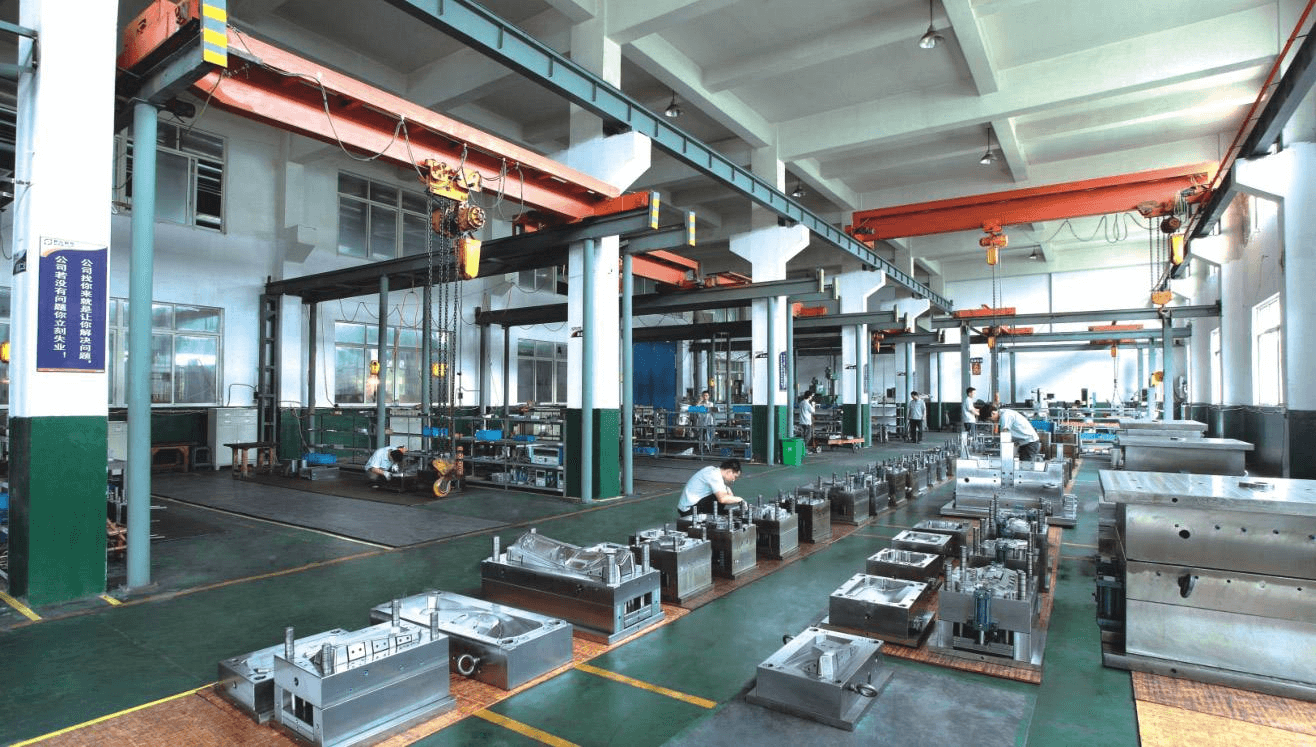
  2. Mold tooling workshop from PauPack company materials
    02

    Develop where needed

    Review custom geometry and tooling feasibility when an available bottle cannot deliver the chosen form.

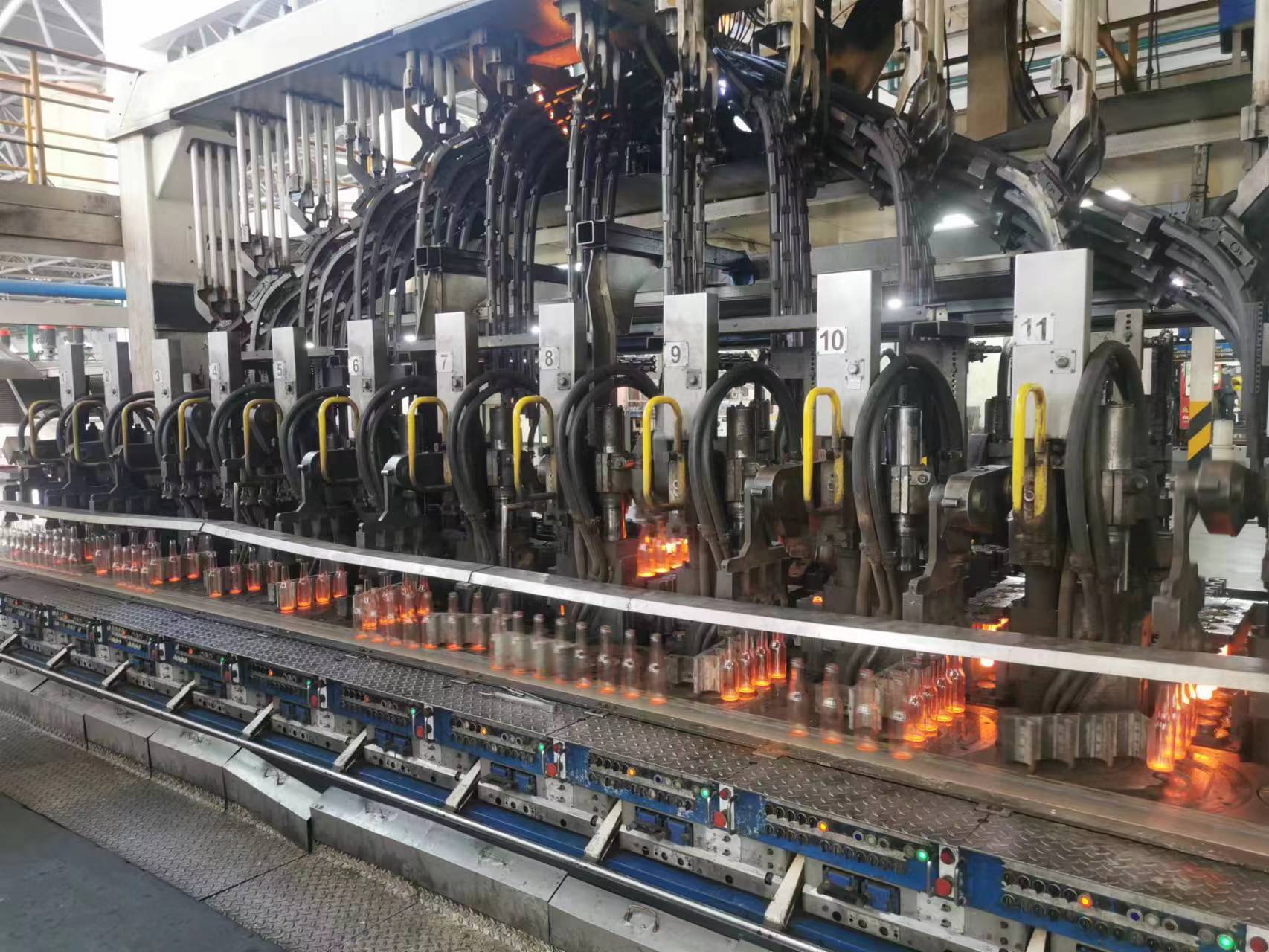
  3. Glass bottle forming equipment used to illustrate the manufacturing stage
    03

    Produce & decorate

    Coordinate glass production, the approved finish and matching components around the agreed sample and specification.

  4. AI process illustration: checking bottle dimensions and component fit
    04

    Approve the assembly

    Check spray, sealing, cap fit and presentation with the intended filling route. Retain the approved component list.

Product and workshop references from company materials; inspection scene is an AI process illustration.

For coordinated inserts and gift boxes, explore our complete packaging service.

A development example

Where should a fragrance project invest in customization?

A distinctive cap and decorated bottle may create the intended identity using an existing form. A proprietary silhouette may justify new tooling. Compare both routes against the same fill volume, component scope and presentation requirements before deciding.

Our perfume development guide walks through this decision and the sample checks that follow. It describes a project approach, rather than reporting an individual customer result.

Explore the perfume development approach
Glass forming equipment from the PauPack manufacturing archive.

People behind your packaging

Connected with manufacturing.

Since 2013, PauPack has combined manufacturing and trade services for packaging projects. Investment in four factories supports our work across bottle development, production and complete packaging coordination.

Explore our history ↗
Customer meetings from the PauPack company archive

Customer feedback

“Their attention to detail, from material selection to final finishing, ensures our products always stand out on shelves.”

Claud** Wagn** · Watsons
Published in PauPack’s customer feedback

Read the customer stories ↗

Fragrance packaging questions

The details behind the first impression.

How can our fragrance look distinctive without new bottle tooling?

Compare existing bottle proportions with a different cap, color treatment, printed artwork and a coordinated carton. Review the complete presentation at actual size. New tooling is most useful when the bottle geometry itself carries the identity.

Should we choose a crimp or screw-neck perfume bottle?

Base the choice on the selected pump, filling equipment, assembly method and whether refilling is intended. Confirm the precise neck and component specifications with your filling partner. A closure that looks similar may require a different assembly route.

Can the same bottle use different perfume pumps?

Only after checking the selected combination. Neck dimensions, sealing parts, collar construction and assembly requirements must work together. Approve the intended pump on the actual bottle instead of treating a nominal neck size as a fit guarantee.

What belongs in the approval sample for a fragrance collection?

Bring the bottle, atomizer, collar, cap, decoration and paper pack together. Check spray experience, cap engagement and presentation with the intended fragrance and filling route. Identify each component and artwork revision so approval applies to the full set.

Does heavier glass always make a better luxury bottle?

No. Weight is one part of the design. Balance it against the silhouette, handling, finish and shipping needs. Compare decorated samples and their protective packing before deciding how much weight adds value to the presentation.

What do you need to quote custom perfume packaging?

Share the bottle capacity, quantity by design, fragrance format and reference images. Include the preferred neck or pump, cap direction, decoration, box requirements and delivery destination. Tell us whether an existing form or a new mold is preferred.
Your fragrance. A complete presentation.

Let’s review the bottle and everything around it.

Send a visual brief or assembled reference to begin the design and sample conversation.