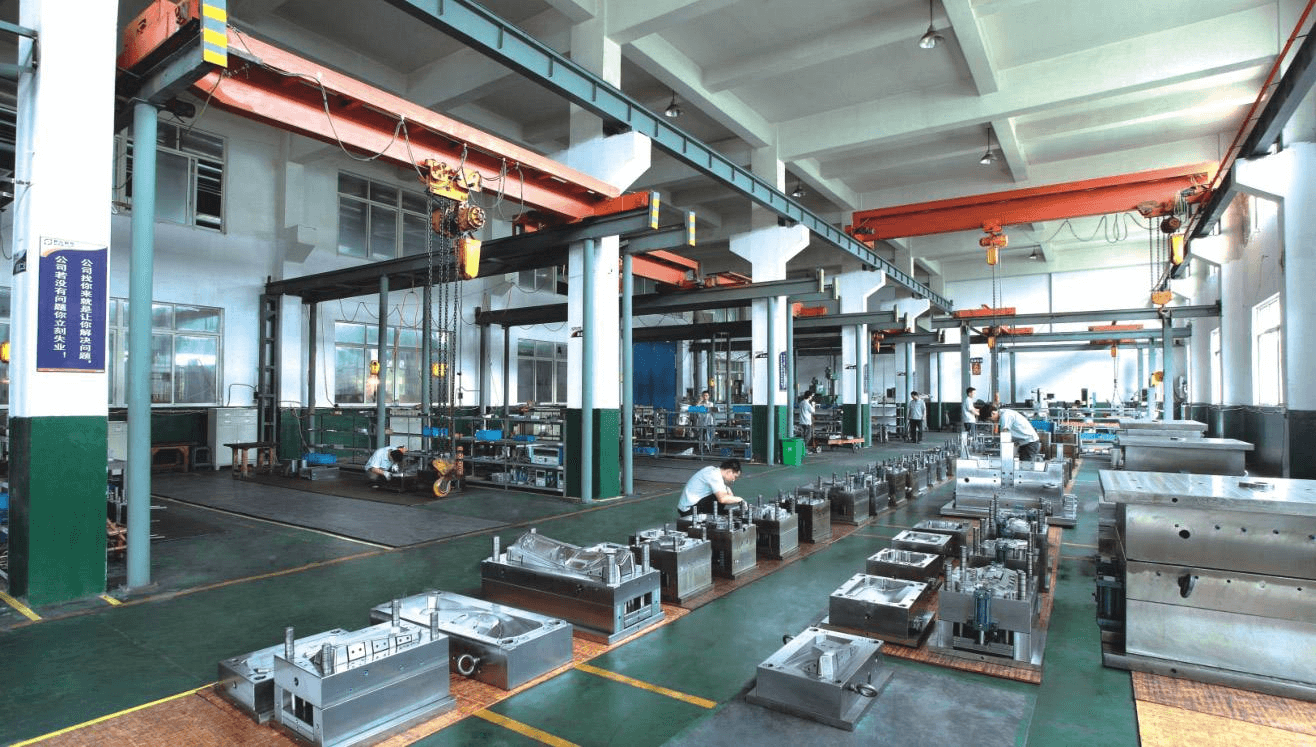
Which decisions should be locked before mold manufacture?
Agree the approved drawing or 3D direction, material route, key dimensions, closure and assembly interface, intended decoration, ownership terms, sample milestones and change-control process. Changes after tooling release can affect cost, timing and the ability to keep an approved reference consistent.
How should samples for Custom Mold & Limited-Edition Packaging Collection be reviewed before mass production?
Review the assembled sample against a written reference for appearance, dimensions, component fit, dispensing or sealing needs, decoration placement, handling and packing. The review should identify what is approved, what remains conditional and who provides final project sign-off.
How can sustainable options be assessed without weakening the premium appearance?
Compare recycled content, refill, lightweighting or renewable elements alongside surface quality, color variation, component fit, decoration limits, MOQ and stated evidence. A credible route is one that meets the actual product and commercial requirements, not simply the most attractive material description.
Which design decisions should be fixed before tooling?
Set the required function, capacity, main geometry and interfaces with closures or other components. Identify decoration and packing constraints, then agree the drawing revision and trial-sample route. A distinctive feature should have a clear purpose and a practical way to be produced and checked.
How do we keep a custom design controlled through revisions?
Use a named drawing and artwork revision for each approval. Record changes to the container, components and assembly rather than reviewing each in isolation. Keep the approved sample and agreed tooling terms with the order so repeat production follows the same design decisions.