

Quick answer. Define one complete component list, check each interface, and separate feasibility, sample and production approvals. Include the carton, insert and shipping configuration before comparing the final quotations.
Use one checklist for components, interfaces, approvals and production readiness. It gives design, purchasing, filling and quality teams the same reference.
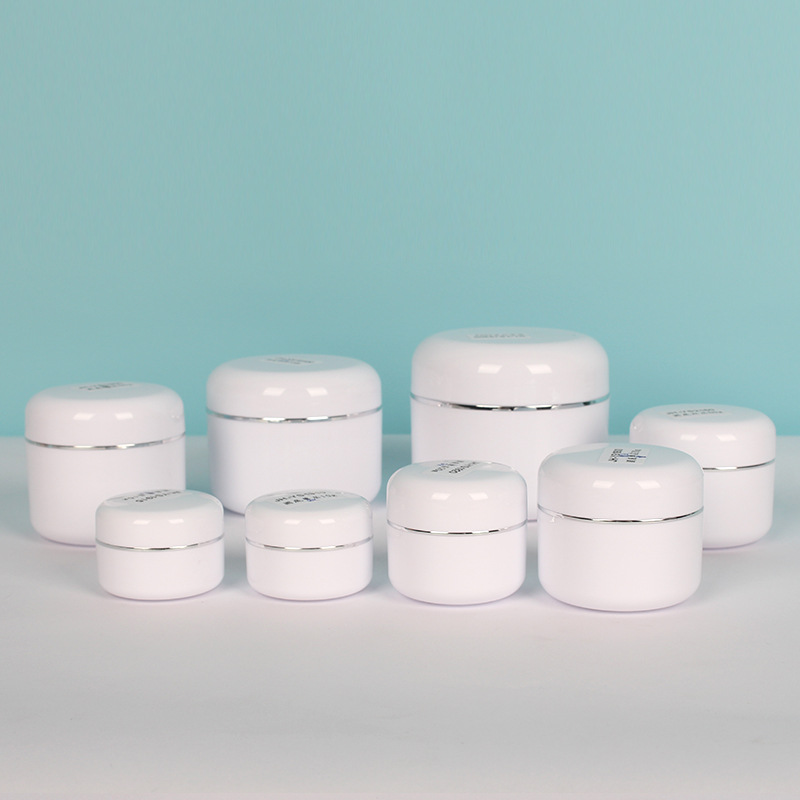
1. Define the product and the supplied scope
Begin with the finished product's intended use, fill volume, dispensing action, target market and sales channel. State whether you are developing one SKU, a coordinated range or a gift set. Record the opening quantity, reorder expectations and required arrival point.
Then define where the packaging supplier's responsibility begins and ends. Does the order include empty containers only, matched components, decoration, retail packaging or specified assembly work? Who supplies the formula, fills the product and approves the information printed on the pack?
2. Build a component list for every SKU
Create a bill of materials: a list of the parts needed for one sellable unit. Give each item a reference, specification version, supplier and quantity per unit. Mark optional parts clearly so they do not enter the quotation by assumption.
Check the applicable items:
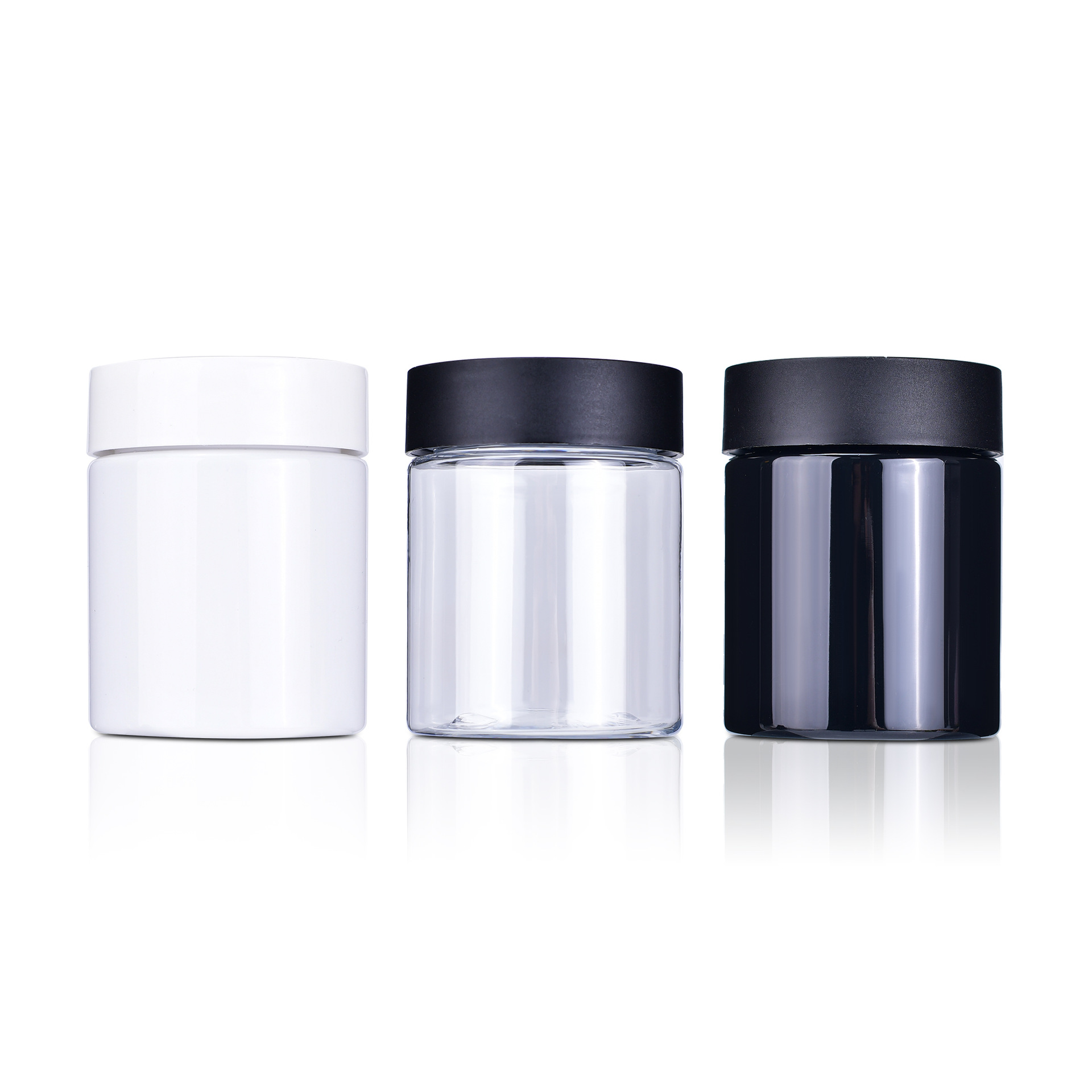
- Bottle or jar, including material and capacity specification.
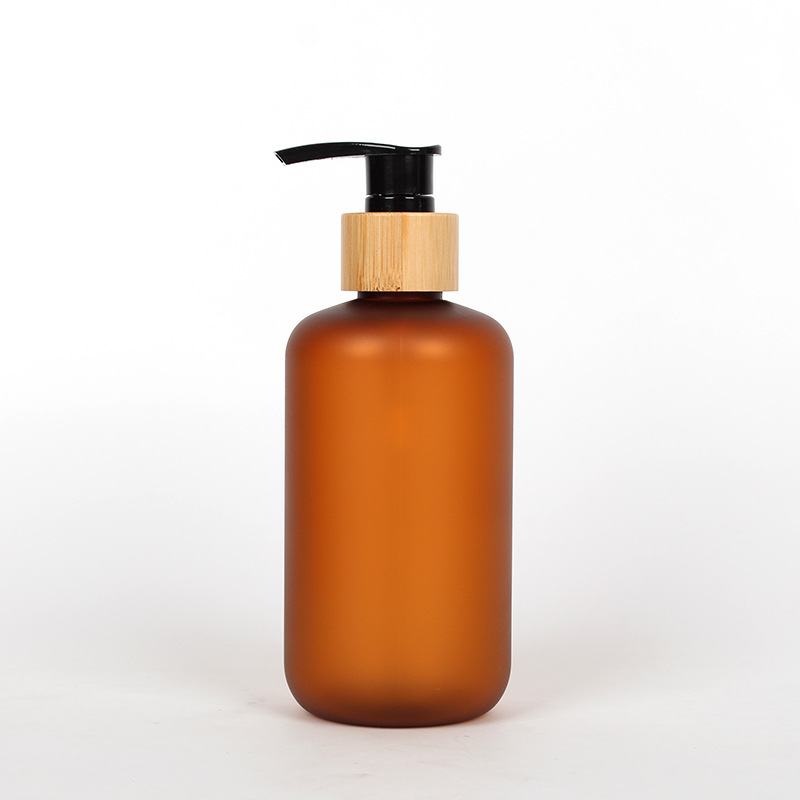
- Pump, sprayer, dropper or closure.
- Collar, cap, liner and other required fittings.
- Coating, printing, label and artwork reference.
- Retail carton, sleeve, insert or other presentation packaging.
- Protective materials and the agreed shipping case.
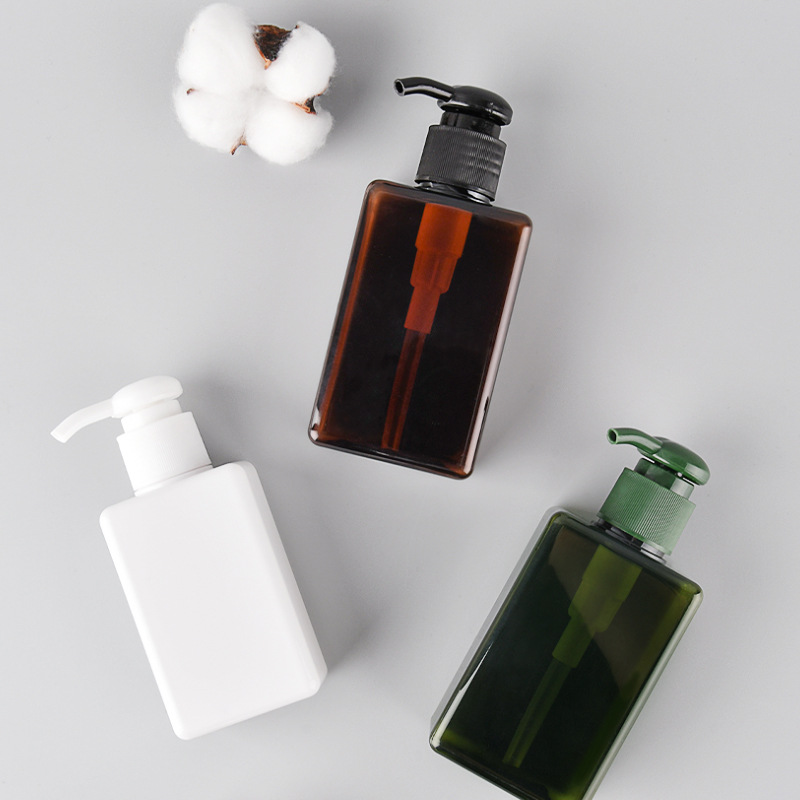
3. Check the interfaces before finalizing artwork
Review the points where parts meet. For the primary pack, this includes bottle neck and closure, pump and collar, cap and actuator, or jar and lid. For outer packaging, consider the assembled pack's dimensions, support and contact with the insert and carton.
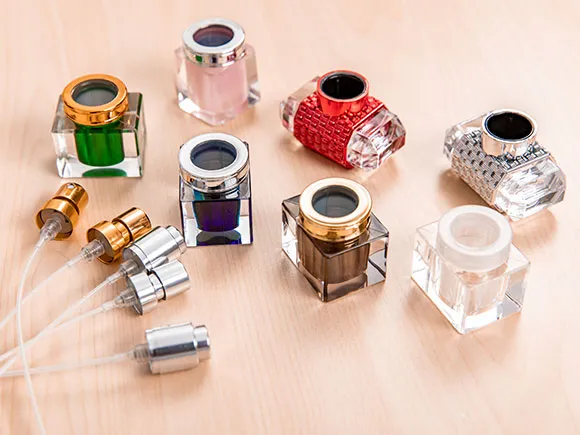
4. Separate structural and appearance approvals
Structural approval concerns dimensions, component relationships and the way the package functions. Appearance approval concerns color, artwork, finish and the agreed visual result. Both matter, but a sample may represent only one of them.
Label samples by purpose. A shape model can help the team assess proportions, while a decorated sample can support an appearance decision. Record which materials, components or processes differ from the proposed production build and which checks remain open.
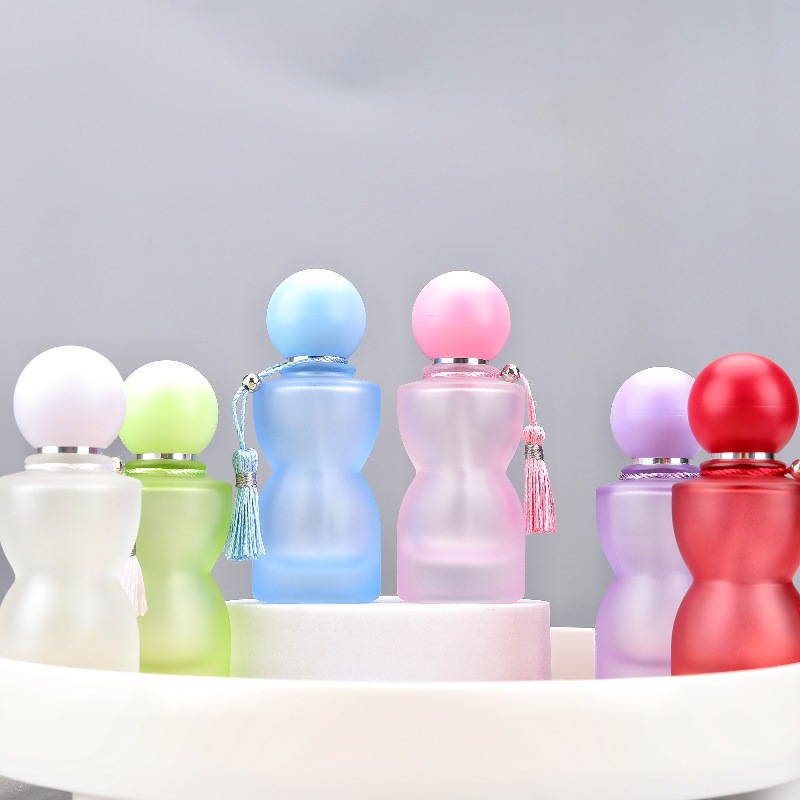
5. Include the carton, insert and shipping configuration
Outer packaging should enter the brief while bottle and component decisions are still being made. Specify the intended carton structure, material direction, artwork and insert arrangement. Review the complete assembled item inside it, including the cap and any projecting features.
Distinguish presentation packaging from transport protection. A retail carton may support shelf presentation without supplying all the protection needed for a particular delivery route. Agree the master case, separation between units, packing orientation, case quantity and relevant pallet requirements.
6. Make quotations comparable and ownership visible
Issue the same scope to everyone preparing a quote. Request separate lines for development, tooling if needed, components, decoration, cartons, inserts, agreed testing, assembly and shipping preparation. Define the delivery point and record assumptions about freight and timing.
7. Use three clear approval gates
| Approval gate | Decision and record |
|---|---|
| Feasibility | Feasibility: confirm that the proposed materials, components, decoration and packing can be developed within the agreed scope. Record open questions, required samples and the next decision date. Use PauPack's bottle design process when structural development is part of the project. |
| Representative sample | Representative sample: review the assembled appearance and relevant function with the intended product and packing conditions. Agree the checks with the brand, filler and supplier. Retain results against an identified sample configuration. |
| Production release | Production release: approve the final component list, drawings, artwork, appearance standards, inspection criteria and packing instructions. Confirm quantity, delivery assumptions and remaining responsibilities. PauPack's quality management information provides a contact point for aligning the agreed checks. Release should refer to a controlled set of records that all parties can access. |
8. Keep the approved system intact through reorders
Maintain one current specification set and keep superseded versions identifiable. Before a reorder, confirm component references, artwork, finishes and packing instructions. Ask suppliers to flag proposed substitutions before they are introduced.
Questions before you order
What is the minimum useful starting brief?
Provide the product use, capacity, material direction, dispensing need, visual reference, estimated quantity, required arrival date and supplied scope. Add available samples or drawings to reduce ambiguity.
Can one supplier coordinate the complete system?
Confirm supply scope, contacts and approval responsibilities in the quotation and project records.
Does approving the empty bottle complete sample approval?
No. The final decision should address the applicable component, appearance, function and packing requirements. Record what each sample proves and what still needs confirmation before production release.
Start with one shared packaging brief
Bring your component list and open questions to PauPack. Together we can connect container selection, accessories, decoration and packing with clear approval milestones.