
Current components
Identify what is already approved and which parts remain under development.
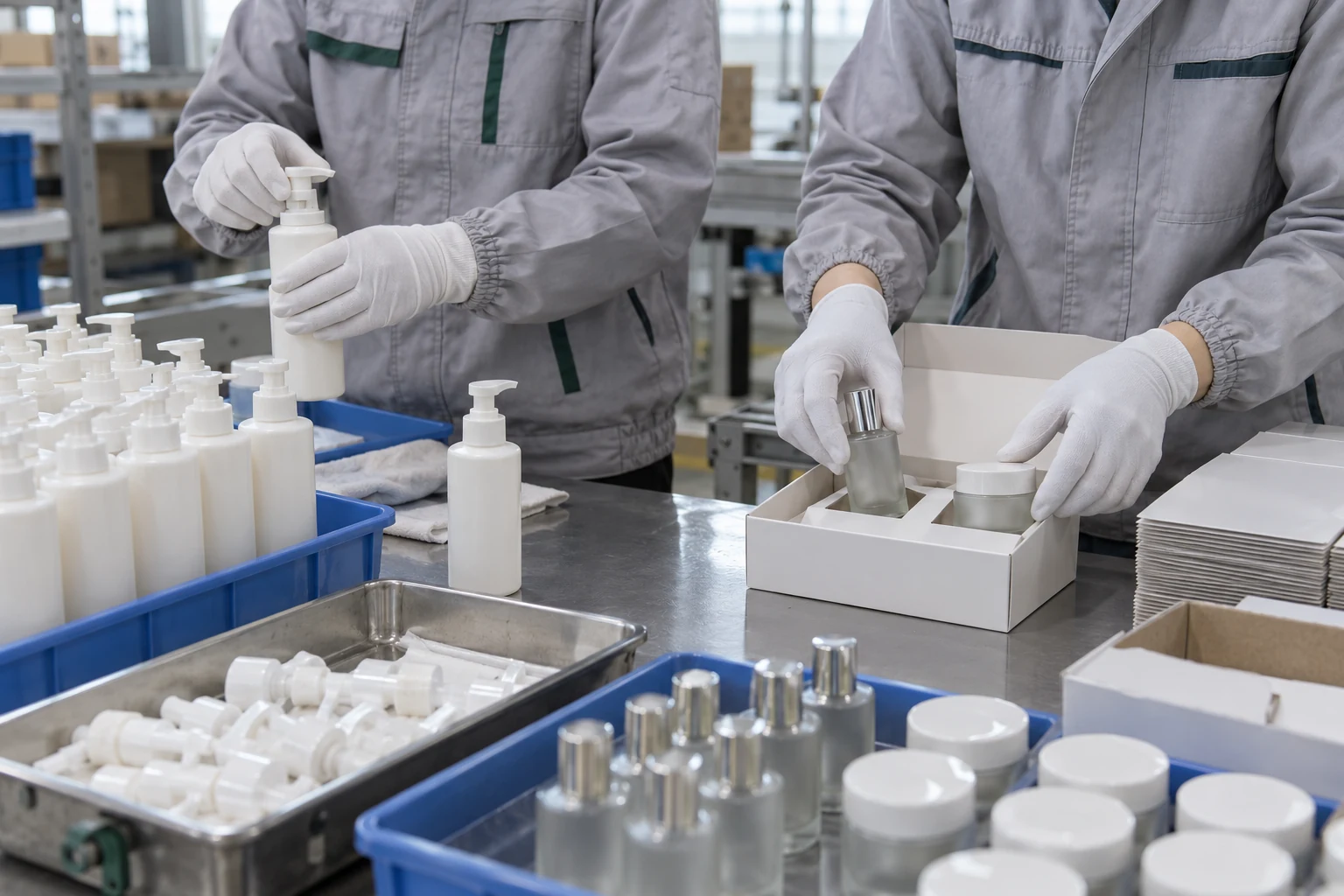
Bring disconnected packaging components into a coordinated supply plan. This example follows the bottle, closure, decoration and carton from a shared component list to an assembled sample and a clearer production handover.

Your packaging choices
Identify what is already approved and which parts remain under development.
Review the neck, assembled height, dip tube and insert fit together.
Compare quotations that include the same components, finishes and assembly work.
Define component identification, packing and responsibility for the remaining operations.
Component fit, formula contact, decoration and distribution conditions should be reviewed together.
Consolidation can begin with the handoffs that create the most rework; it does not require replacing every approved component. Bring the current references together and identify where a change affects another part of the pack. An assembled sample and a clear supply scope make it easier to coordinate the next order while retaining the design work that already serves your product.
01 / Supplier handoffs
A bottle, pump, decorator and carton supplier can each meet an individual instruction while the finished pack remains difficult to coordinate. PauPack begins a consolidation discussion by identifying those interfaces. Which items are already approved? Which decisions are open? Where does a change in one part affect another? The answers define where coordination will be most useful.
The objective is a clear complete-pack scope. Existing approved components do not necessarily need to be replaced. They may instead become fixed references around which the remaining work is organized. Share the current component list and the recurring problems so the review focuses on your actual project.
02 / Comparable quotations
A consolidated proposal should identify the components, decoration, paper packaging, assembly and delivery work included. Compare that scope with the current arrangement rather than with a bottle-only price. Separate one-time development tasks from the parts and services needed for each order.
For a distributor or a brand with several products, show the quantity split and the parts shared between items. Discuss how changes, replenishment and artwork versions will be coordinated. These details help explain the practical value of the arrangement beyond the number of suppliers on an invoice.
03 / Finished-pack approval
Review the bottle, closure, decoration and outer packaging together, keeping their individual references attached to the complete assembly. Identify who accepts the visual result, who reviews filling or functional requirements and who confirms the order scope. A single coordination point should make those responsibilities clearer, not hide them.
PauPack works with specialist production resources for the relevant processes. The supply arrangement for your project should make those roles and handoffs understandable. If a component changes, assess the effect on the other parts and on the agreed schedule before the next stage proceeds.
04 / Repeat supply
Retain a current specification set and keep superseded artwork or component versions identifiable. For repeat orders, confirm what remains the same and review proposed substitutions before production. If a problem is reported, the component references, order information and agreed standard give the team a common basis for investigation. Bring your current pack and the coordination issues to PauPack; we can discuss which parts of the project can be managed together and what needs a separate technical review.

People behind your packaging
Since 2013, PauPack has combined manufacturing and trade services for packaging projects. Investment in four factories supports our work across bottle development, production and complete packaging coordination.
Explore our history ↗
Customer feedback
“Their attention to detail, from material selection to final finishing, ensures our products always stand out on shelves.”
Claud** Wagn** · Watsons
Published in PauPack’s customer feedback
Packaging questions
The starting point is the problem you need to solve. Existing approved parts may remain useful references while PauPack coordinates the missing components, finish or supporting pack. Define the scope and responsibilities so the arrangement improves the handoffs that currently take the most time.
Share the current sample or visual reference, intended contents, approximate quantity and target dates. Explain the issue you need to solve or the feature you want to develop. We can help identify which product, engineering and sample decisions need attention next.
This guide explains how PauPack approaches the packaging challenge. It does not report a named customer order or claim a measured project outcome. Discuss your requirements with us to identify the relevant development route and available project-specific references.
Identify the recurring delays or mismatches between bottles, components, decoration and paper packaging. Keep approved references and responsibilities together, then assess where shared coordination helps. This page describes a planning approach rather than measured results from an individual customer project. Supplier Consolidation →
CONTINUE YOUR PROJECT
 CONNECTED PROJECT STEP
Turn your references and product requirements into a design, sample and production brief.
CONNECTED PROJECT STEPReview the shape, wall sections, neck interface and decoration area before finalizing the design.
 CONNECTED PROJECT STEP
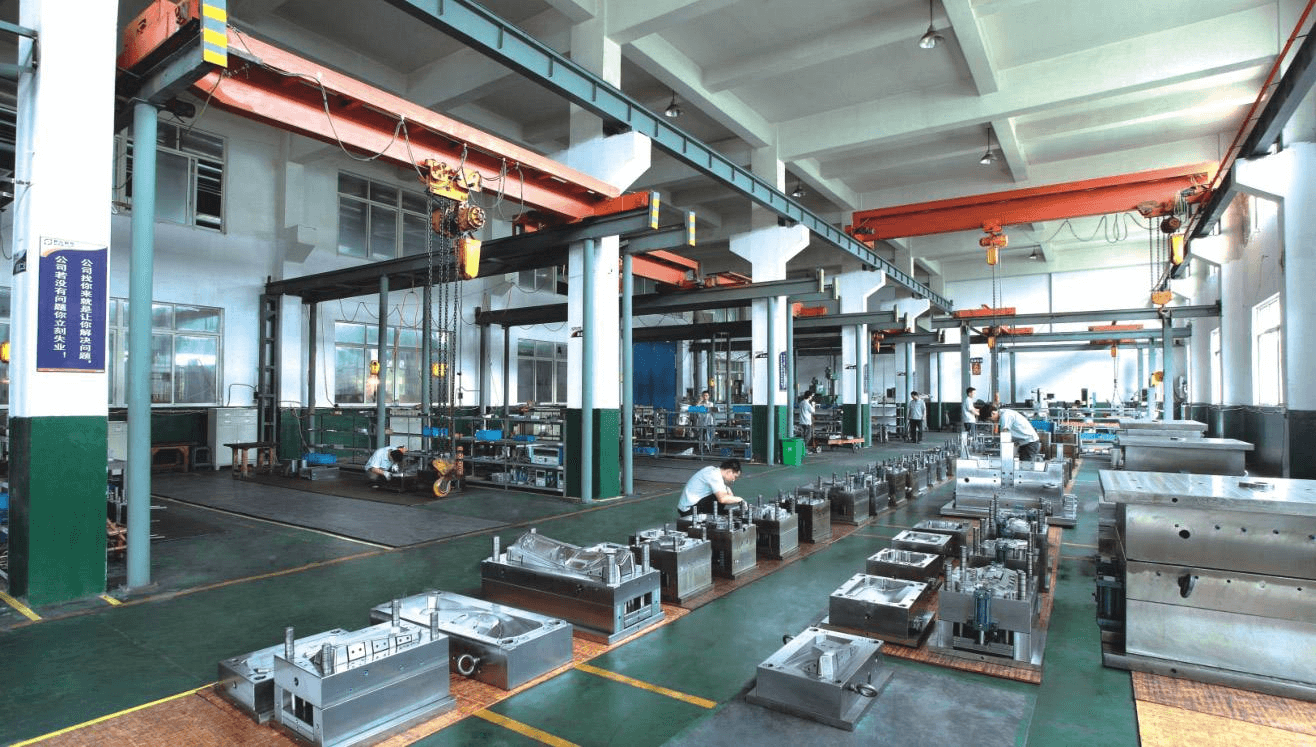
Agree the tooling scope, ownership, trial samples and change process before work begins.
PACKAGING GUIDESUse the related guidance before confirming the next selection or sample.
 READ THE GUIDE
Identify the information and approvals needed before production release.