First product range
Separate the products you will launch now from sizes and variations planned for later.
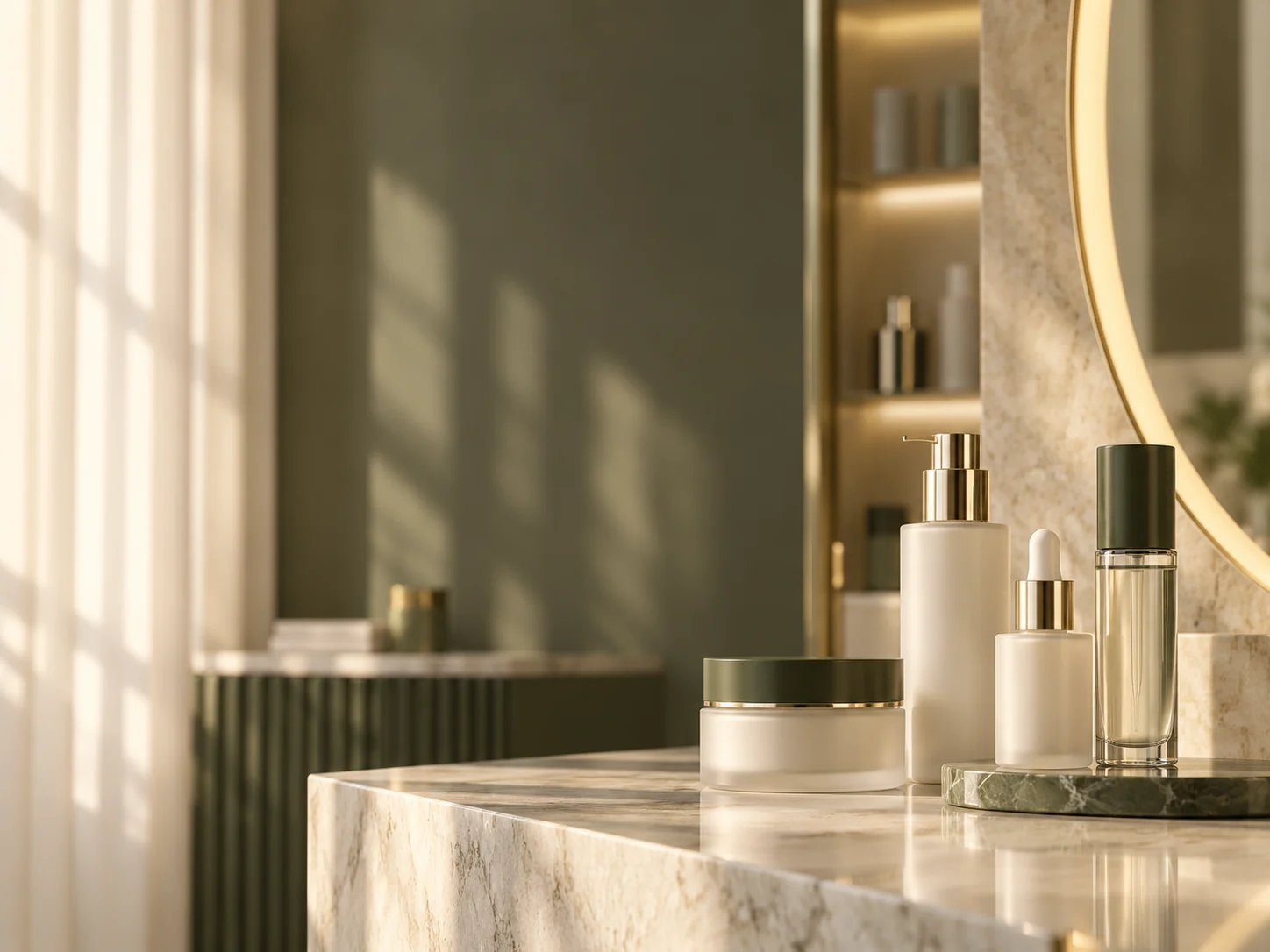
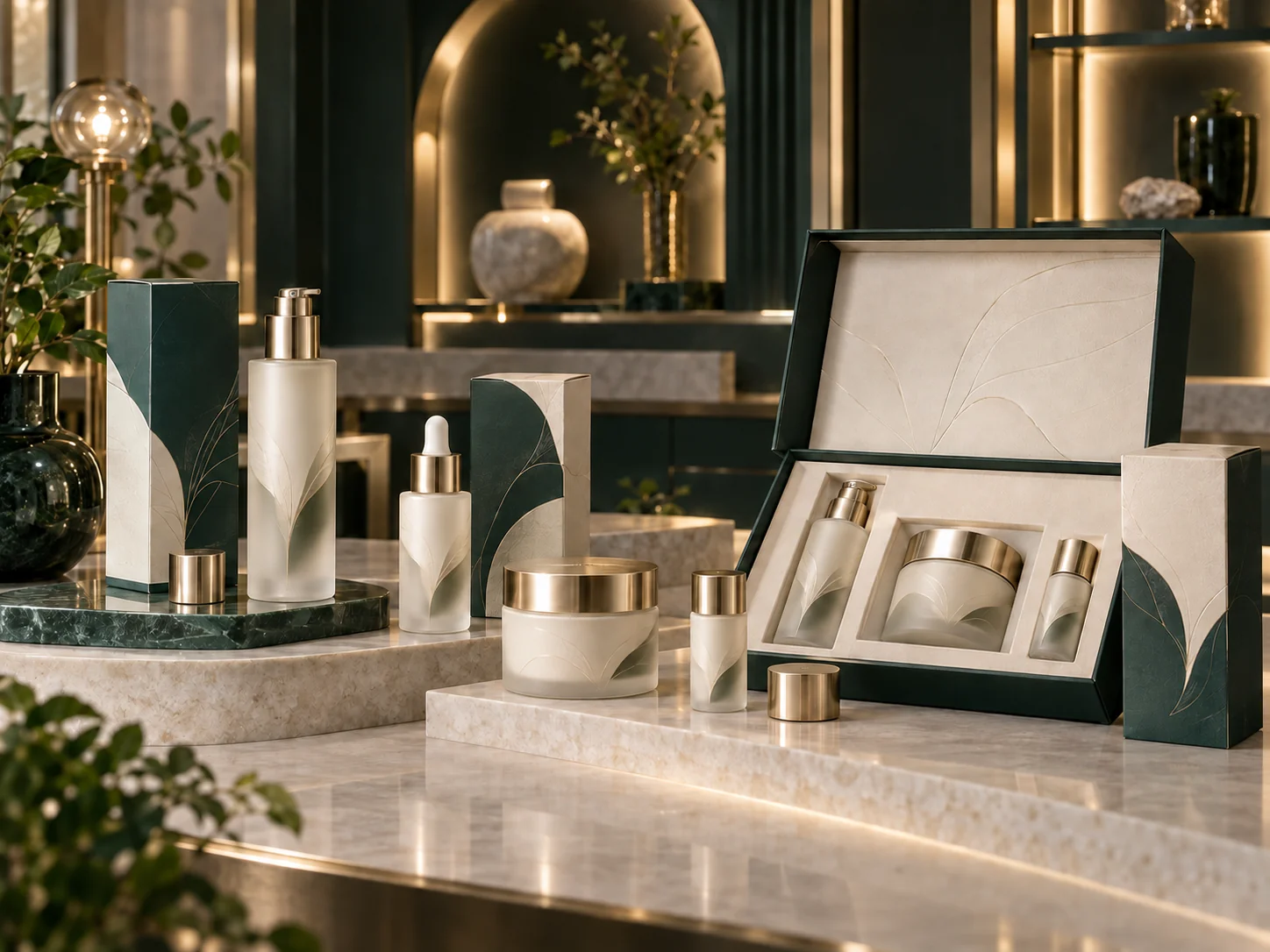
Launch your first product with packaging that fits your brand and the scale of your order. Start with suitable existing bottles or jars, add a coordinated finish and closure, and reserve custom tooling for the features that truly need a new design.
Your packaging choices
Separate the products you will launch now from sizes and variations planned for later.
Compare available bottle families before committing to a new mold.
Use a considered cap, decoration and carton to establish your identity.
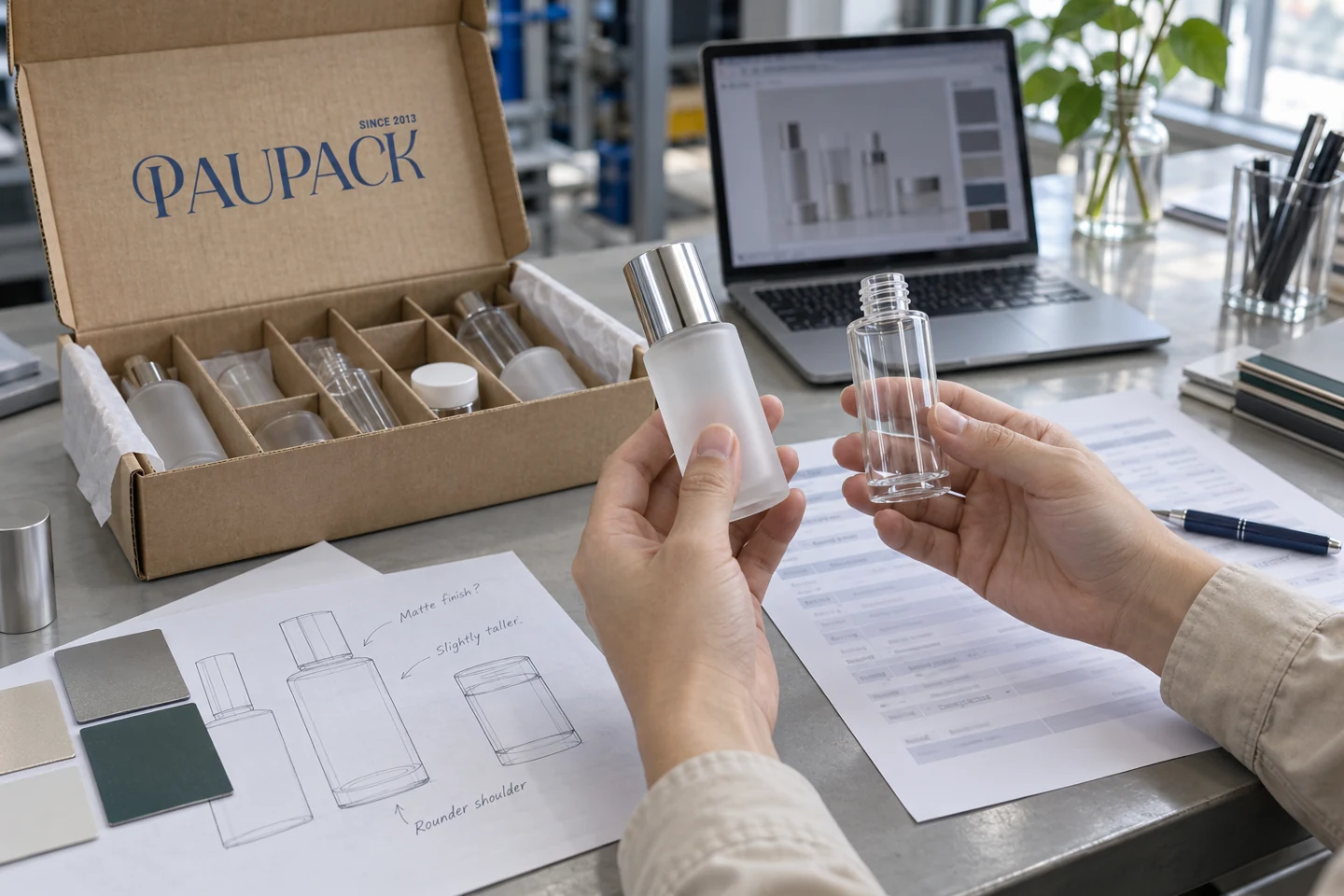
Give each sample review a purpose: shape, color, dispensing or assembled presentation.
Component fit, formula contact, decoration and distribution conditions should be reviewed together.
Your first quotation should show quantities per size, color and artwork, plus the selected closure and outer pack. Different parts can have different minimums, so the lowest bottle price may not describe the total commitment. A shared component or finish may simplify a small collection. We help you compare those options while keeping the features that make the launch recognizable.
A first launch does not need to begin with a completely new mold. PauPack can help compare existing formats, customized existing designs and a new development around the product and the brand idea. Start with the visual features that matter most. A coordinated closure, thoughtful decoration and a suitable carton may provide the difference you need, while leaving a more complex form for a later stage.
Describe the product range you want to launch first and separate it from future possibilities. This helps keep the initial project focused. Your target quantity, timing and budget direction provide context for reviewing the available routes, without requiring every technical detail to be decided before the first discussion.
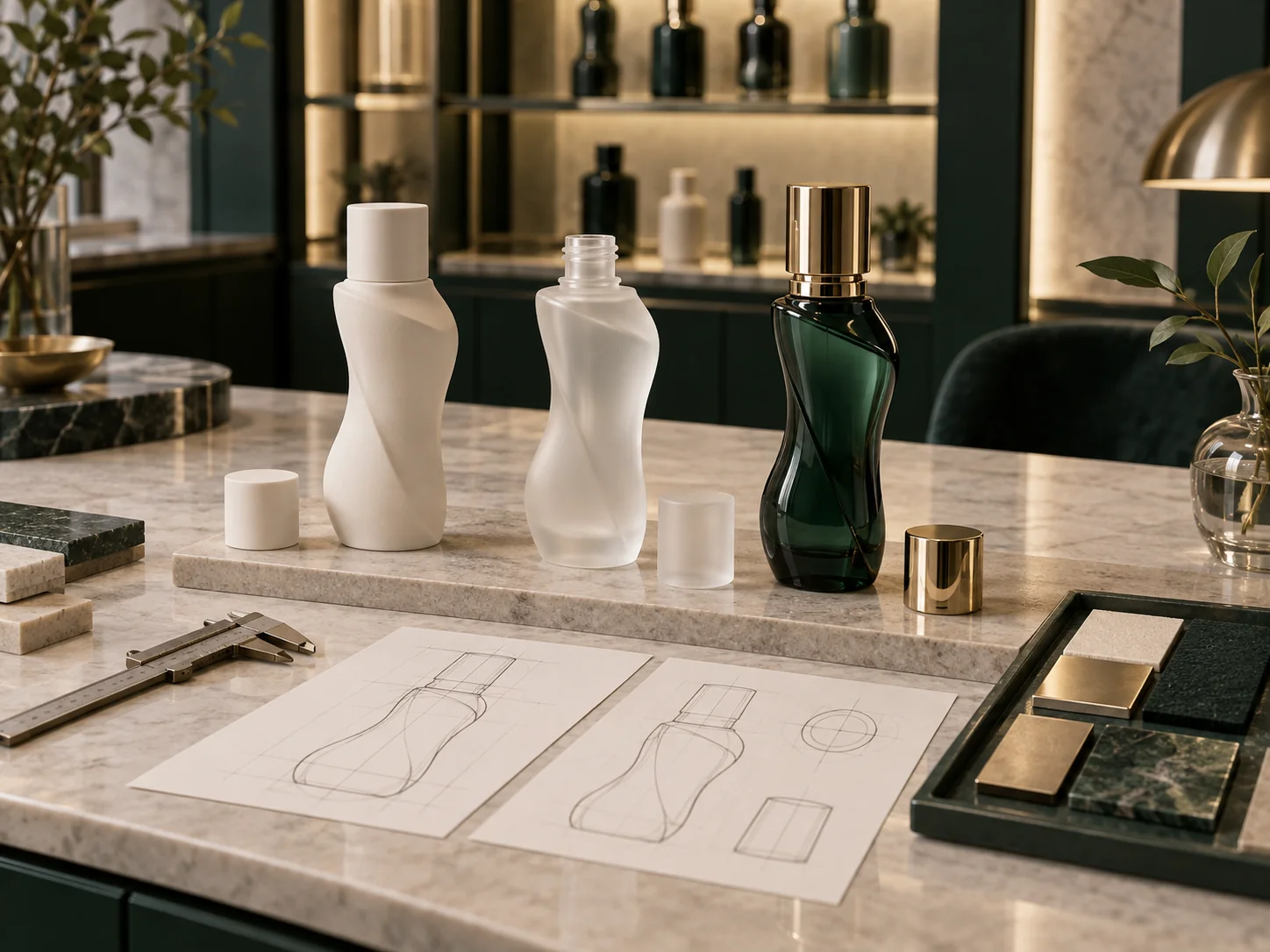
A sample should help you decide something specific. You may need to compare two bottle shapes, see a finish on the intended material or review how a pump feels on the selected container. PauPack can help organize those questions into a practical sequence so the design develops through clear decisions.
Bring the supporting pack into that process as well. A first collection may need labels, cartons, inserts or a presentation set, and those details affect the completed result. Keep the approved references together as the project progresses. They provide a starting point when you add a new size, reorder the collection or refine the design after launch.
If you already have a filling partner, include their requirements with the initial brief so the shortlisted packaging suits your launch operation.
Include any packaging you already use and explain what should change for the launch, so the discussion begins with a clear reference.
People behind your packaging
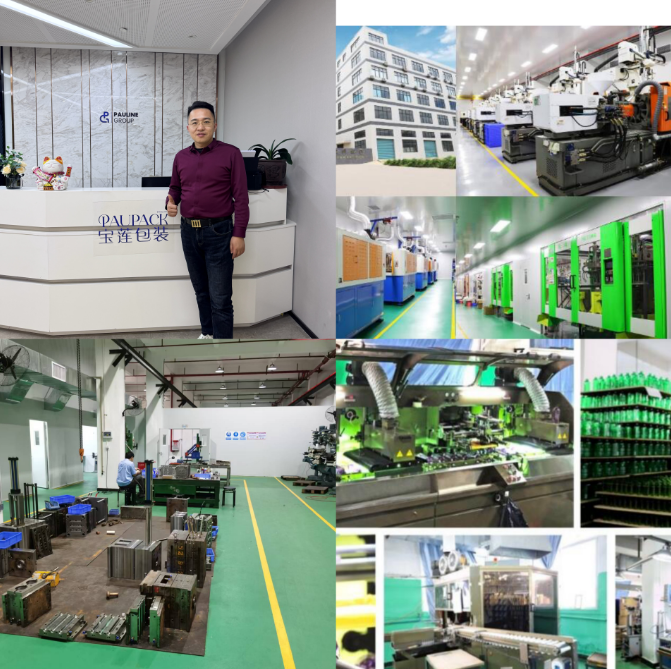
Since 2013, PauPack has combined manufacturing and trade services for packaging projects. Investment in four factories supports our work across bottle development, production and complete packaging coordination.
Explore our history ↗
Customer feedback
“Their attention to detail, from material selection to final finishing, ensures our products always stand out on shelves.”
Claud** Wagn** · Watsons
Published in PauPack’s customer feedback
Packaging questions
Glass, plastic and lower-impact material options each influence component fit, appearance, label or print response, weight, transit protection and supply conditions. Review the full package so the selected closure, decoration and secondary pack work with the chosen container.
Compare the requested differentiation, product function, quantity, budget, launch timing and need for a proprietary feature. The practical route is the one that meets the brand requirement with clear technical and commercial assumptions.
MOQ and timing are usually controlled by the highest-minimum element in the finished package, such as the bottle, cap, pump, decoration batch, insert or carton. A useful proposal identifies that dependency and the approvals needed before production can start.
Approve the assembled component set, material and finish reference, relevant fit or performance criteria, artwork, packing configuration, delivery instructions and any required project documentation. Record the decisions so every stakeholder works from the same version.
Start with a focused range and compare existing bottle formats with a coordinated finish and closure. Identify the features customers will notice most, then assess the cost and minimums of those choices. Reserve new tooling for a feature that the available formats genuinely cannot provide. Stock Low Moq Packaging →
CONTINUE YOUR PROJECT
 CONNECTED PROJECT STEP
PauPack solutions connect product selection, custom development, decoration, component matching, quality coordination and commercial delivery.
 CONNECTED PROJECT STEP
Turn your references and product requirements into a design, sample and production brief.
CONNECTED PROJECT STEPReview the shape, wall sections, neck interface and decoration area before finalizing the design.
PACKAGING GUIDESUse the related guidance before confirming the next selection or sample.
READ THE GUIDEIdentify the information and approvals needed before production release.