
Selected parts
Identify the exact bottle, pump, gasket and dip-tube references.
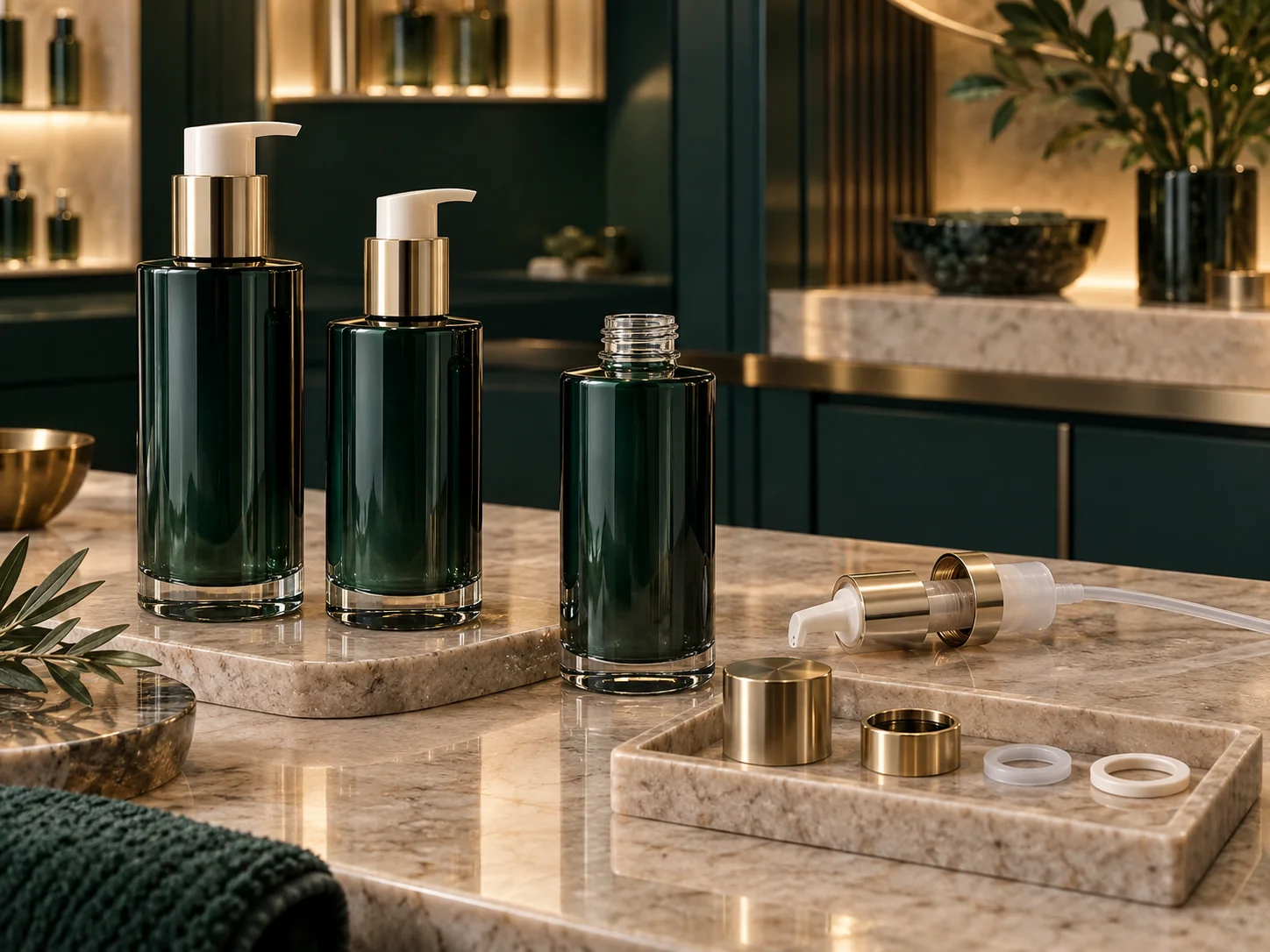
A PET bottle and pump can look well matched while still needing an interface review. This example connects neck geometry, sealing, dip-tube length and assembly conditions with the way your formula is dispensed.
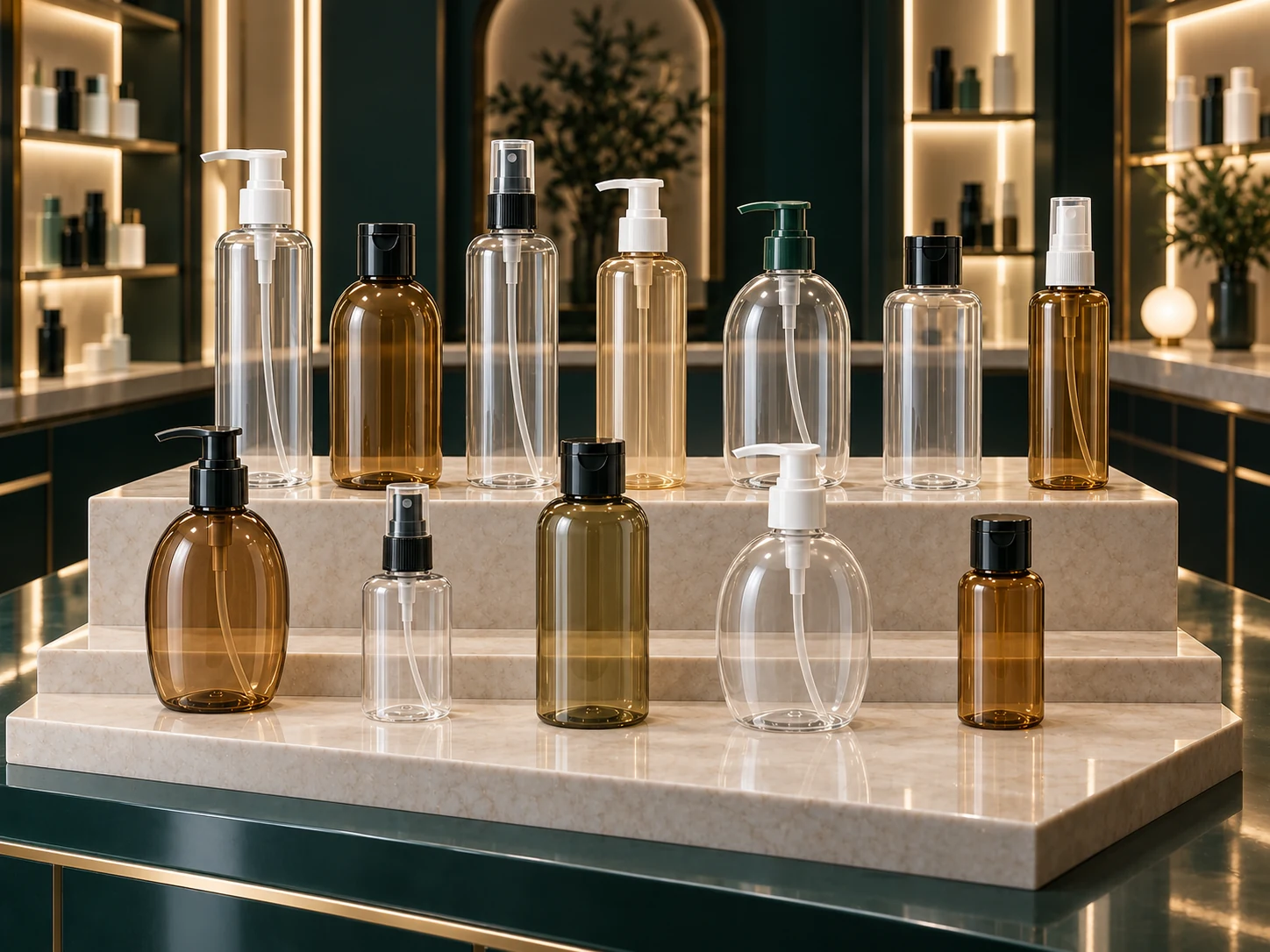
Your packaging choices
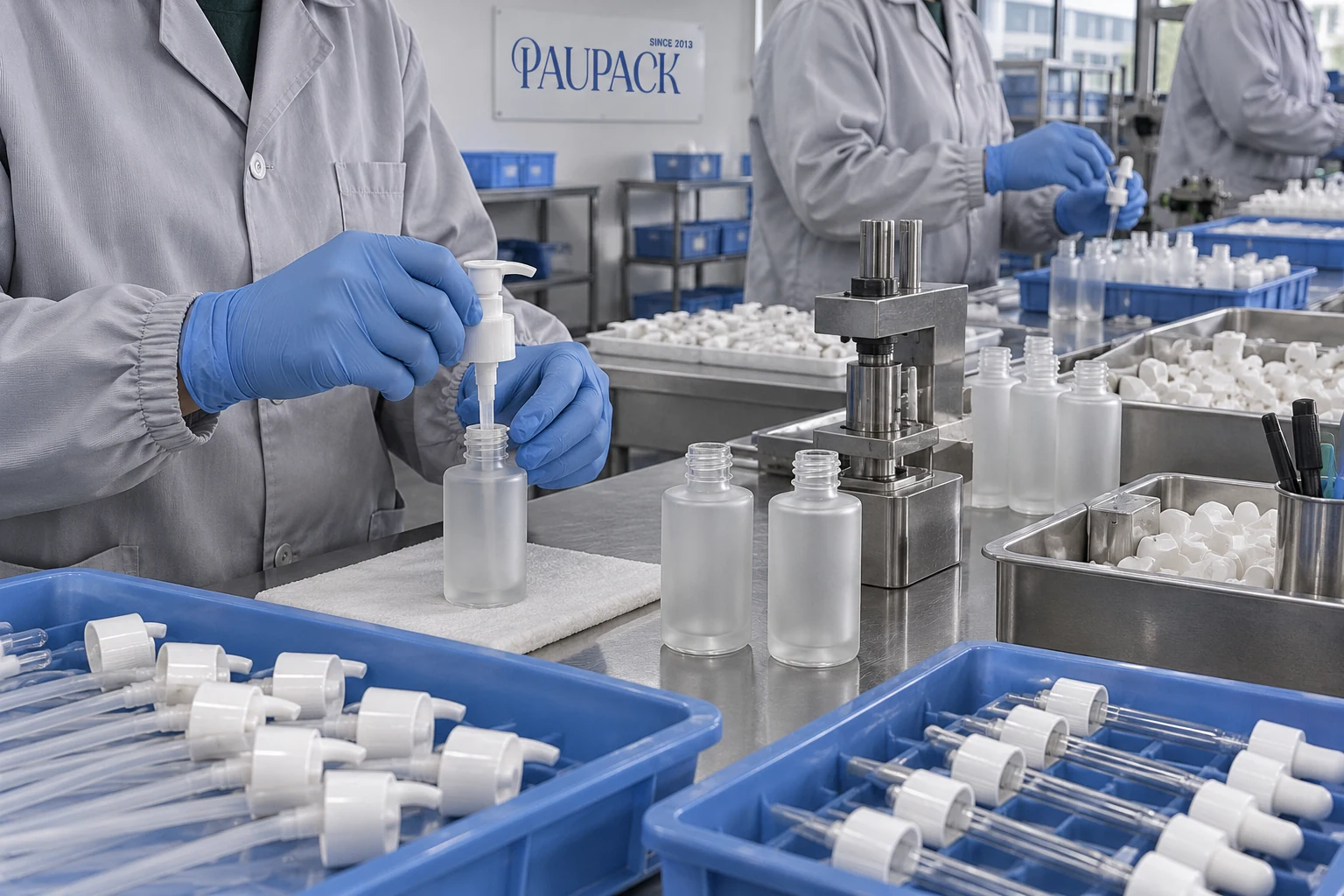
Identify the exact bottle, pump, gasket and dip-tube references.
Compare engagement and sealing surfaces with the mating component.
Review priming, output and leakage under the intended conditions.
Record the combination and assembly settings used for the accepted sample.
Component fit, formula contact, decoration and distribution conditions should be reviewed together.
When a dispensing issue appears, keep the original components and sample conditions available. A nominal neck designation does not capture every fit variable. Compare one controlled change at a time and repeat the relevant checks with the actual formula where needed. The useful result is a clearly identified assembly that can guide production and later component changes.
01 / The assembly challenge
A PET bottle and a pump can look compatible while leaving important questions unresolved. The bottle finish, pump attachment, sealing parts, dip tube and intended contents belong in one review. PauPack helps coordinate these references so the pack is selected as an assembly rather than as two unrelated catalog items.
Share any current bottle or pump sample and explain what you need to preserve. The existing appearance may be important, or the filling site may already work with a particular arrangement. Identifying that requirement early makes it easier to compare candidate combinations and avoid changes that create another problem elsewhere.
02 / Sample feedback
Review the selected pump with the intended bottle and product under an agreed plan. Describe the dispensing experience your team expects, including the way the pack is opened, handled and used. If an early check uses a substitute liquid, record it and identify the remaining product-specific work.
Keep sample references and observations together. A comment such as difficult to use is less helpful than a description of the step being assessed and the conditions in which it occurred. The filling team should take part where assembly or equipment settings affect the result.
03 / Packing approval
Pump height, collar position and actuator orientation change the finished look. Review the assembled bottle with its decoration, and check the space needed in the carton or shipping configuration. The approved visual reference should show the actual combination you intend to order.
PauPack can connect component selection with labels, decoration and paper packaging so a change to the dispenser is considered across the complete pack. If the pump is revised, assess its effect on appearance, fit and packing before retaining the earlier approval. This avoids treating a component substitution as a minor catalog update.
04 / Reorder control
Record the bottle, pump, any sealing parts, dip tube specification and assembly requirements with the sample approval. Include the finish and packing version used for the order. For a later reorder or new formula, review what has changed and which checks need to be repeated. A shared neck-size description or a matching photograph is not a substitute for the exact approved references. Send PauPack the current combination and the concern you need to resolve so the review can begin with the relevant parts.
People behind your packaging
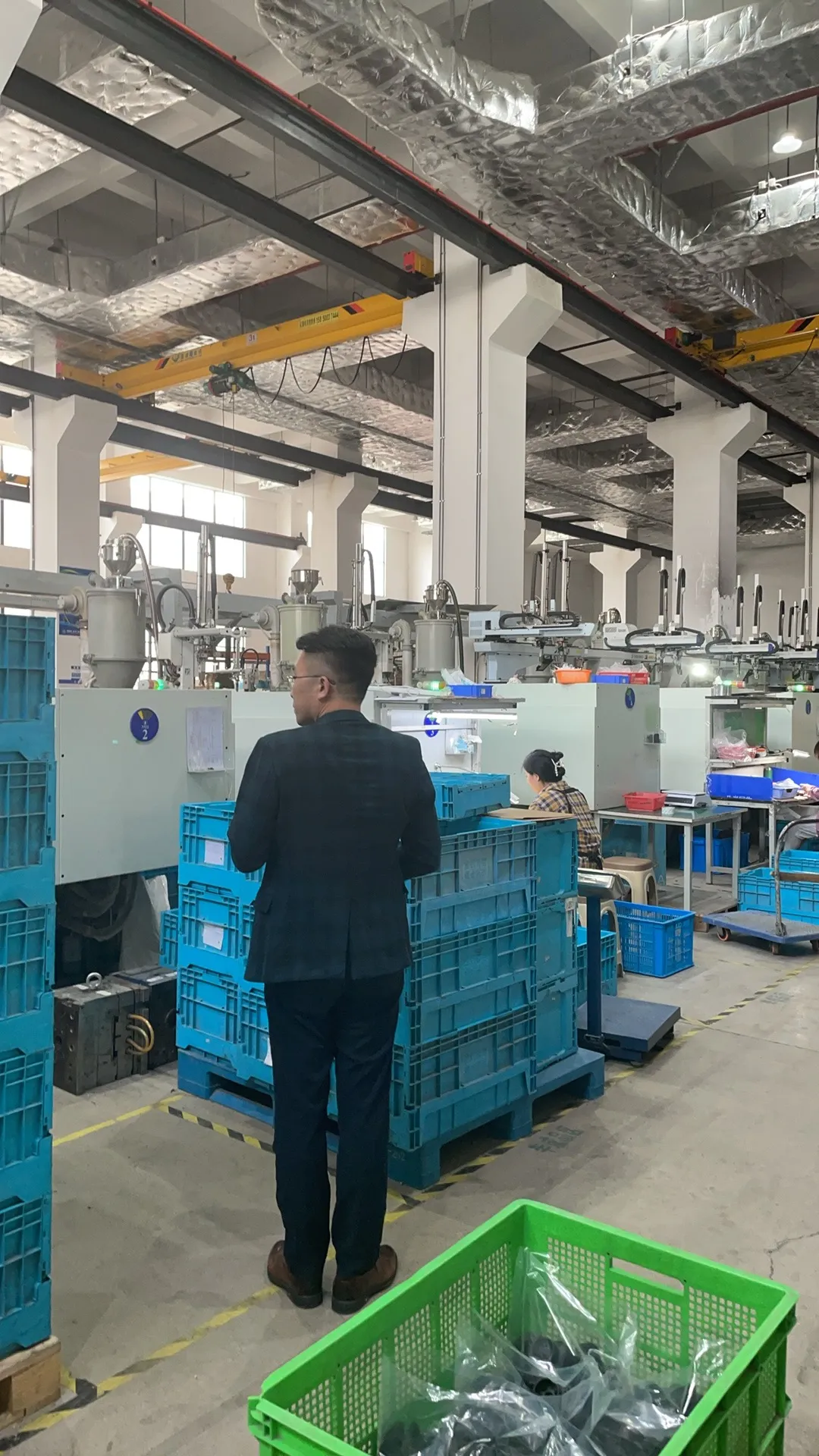
Since 2013, PauPack has combined manufacturing and trade services for packaging projects. Investment in four factories supports our work across bottle development, production and complete packaging coordination.
Explore our history ↗
Customer feedback
“Their attention to detail, from material selection to final finishing, ensures our products always stand out on shelves.”
Claud** Wagn** · Watsons
Published in PauPack’s customer feedback
Packaging questions
A nominal size alone is not enough. Review the actual bottle finish, pump attachment, sealing components, dip tube and intended product as an assembly. The filling and product teams should agree the relevant checks and retain the approved component references for the order.
This guide explains how PauPack approaches the packaging challenge. It does not report a named customer order or claim a measured project outcome. Discuss your requirements with us to identify the relevant development route and available project-specific references.
Review the exact resin, bottle construction, neck and closure with the formula and filling method. Compare clarity and finish on physical samples rather than assuming PET and PETG are interchangeable. Keep the selected material description visible in the quotation and approval record.
Yes. Proportion, consistent surface finish, a well-matched cap and coordinated decoration can create a refined result. Compare the whole assembly with its paper pack. Choose the construction around the product requirements before adding weight or a complex finish for appearance alone.
CONTINUE YOUR PROJECT
 CONNECTED PROJECT STEP
Build skincare packs around formula protection, pump performance, decoration durability, launch speed and brand consistency.
CONNECTED PROJECT STEPCompare packaging for skincare, cosmetics, fragrance and beauty programs with material, component, decoration, sustainable-option and custom-development guidance.
 CONNECTED PROJECT STEP
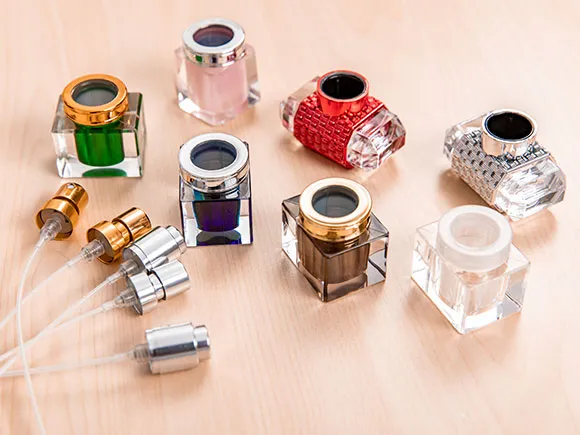
Compare dispensing formats, neck interfaces, liners and the parts needed to complete the pack.
PACKAGING GUIDESUse the related guidance before confirming the next selection or sample.
 READ THE GUIDE
Bring component interfaces and test conditions into the same review.