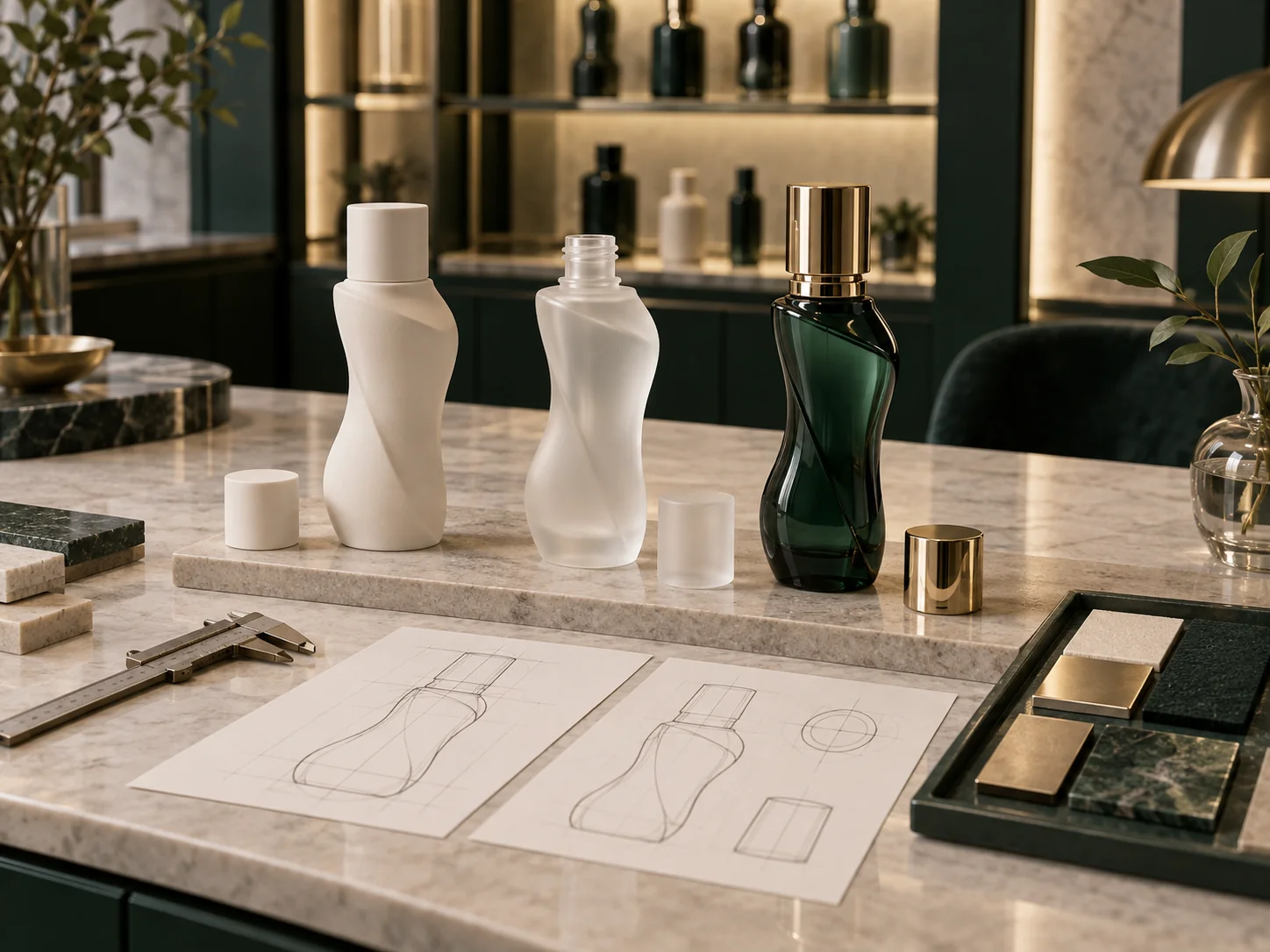
Quick answer. Start with an existing bottle when its shape and component options fit. Use decoration for visual differentiation, and custom tooling when your product needs a feature an existing format cannot provide.
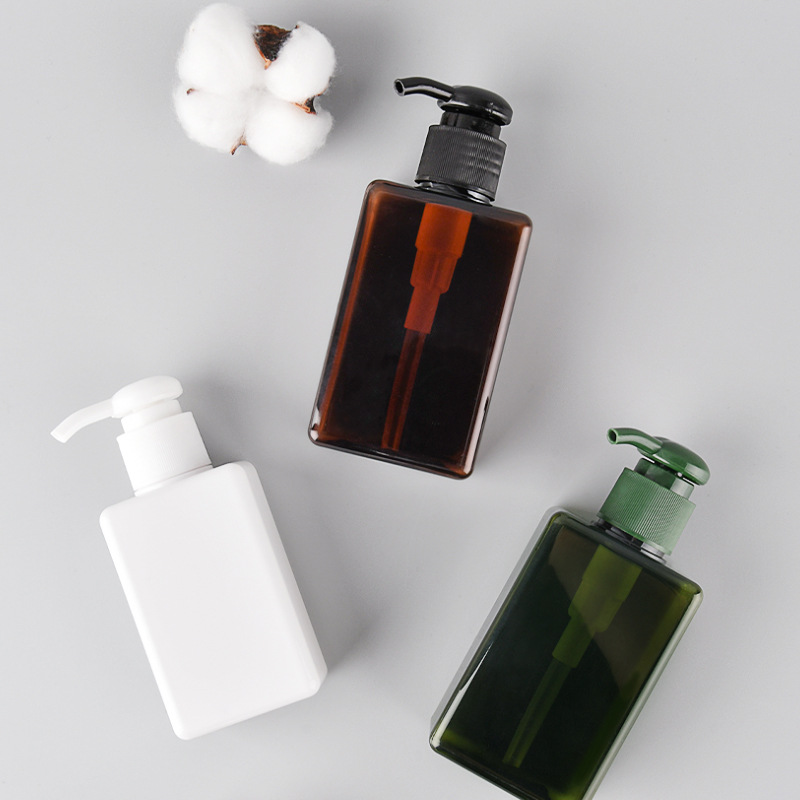
Start with the requirements that cannot move
| Brief element | How to use it |
|---|---|
| Essential requirements | Intended fill, dispensing action, filling equipment, target market and any structural feature the brand must retain. |
| Flexible preferences | Cap color, decoration and surface finish can often be explored without developing a new bottle body. |
| Commercial starting point | Compare the same material direction, opening order, expected reorders, arrival date, filling location and sample approver. |
When an existing bottle is a strong starting point
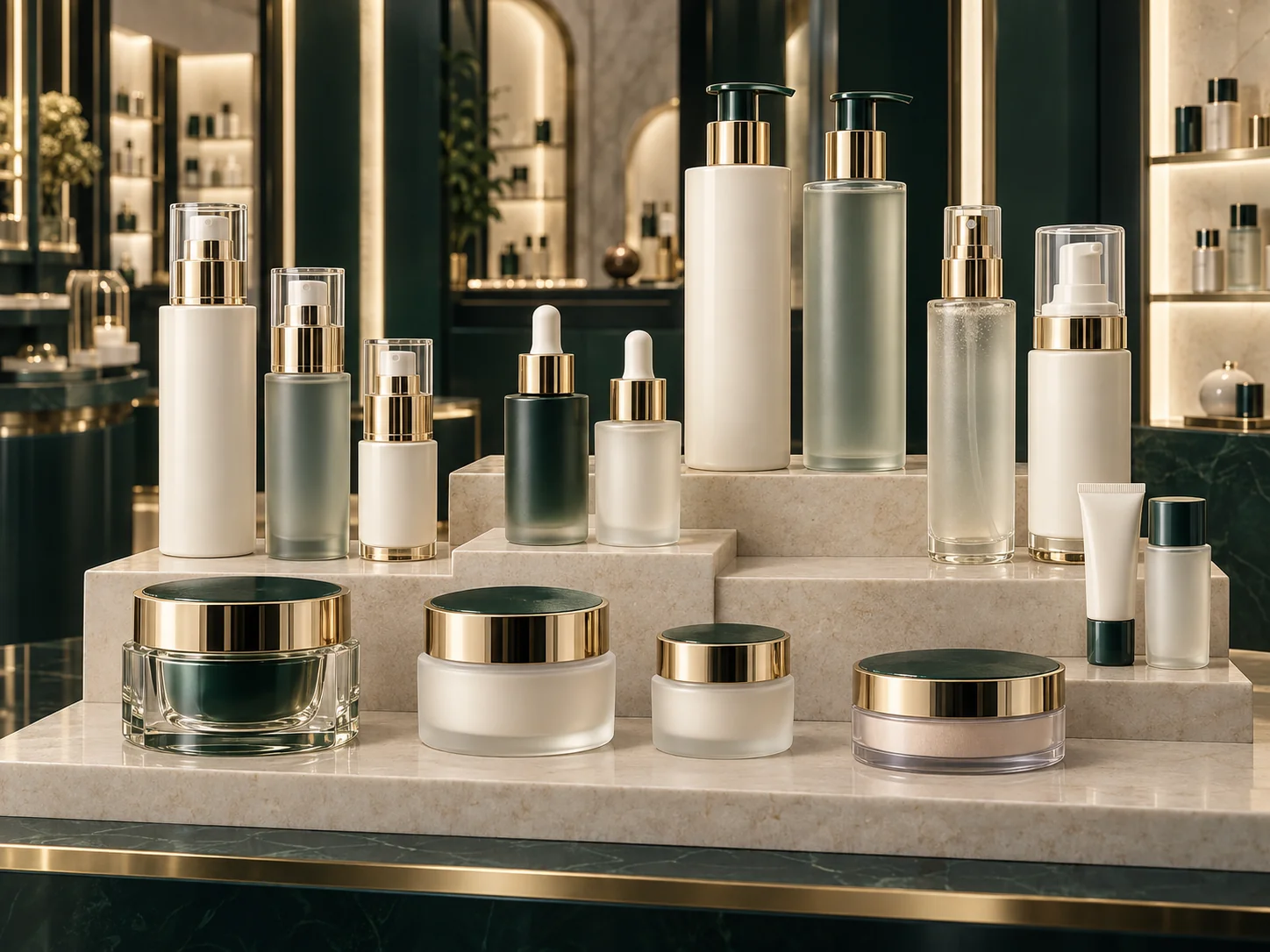
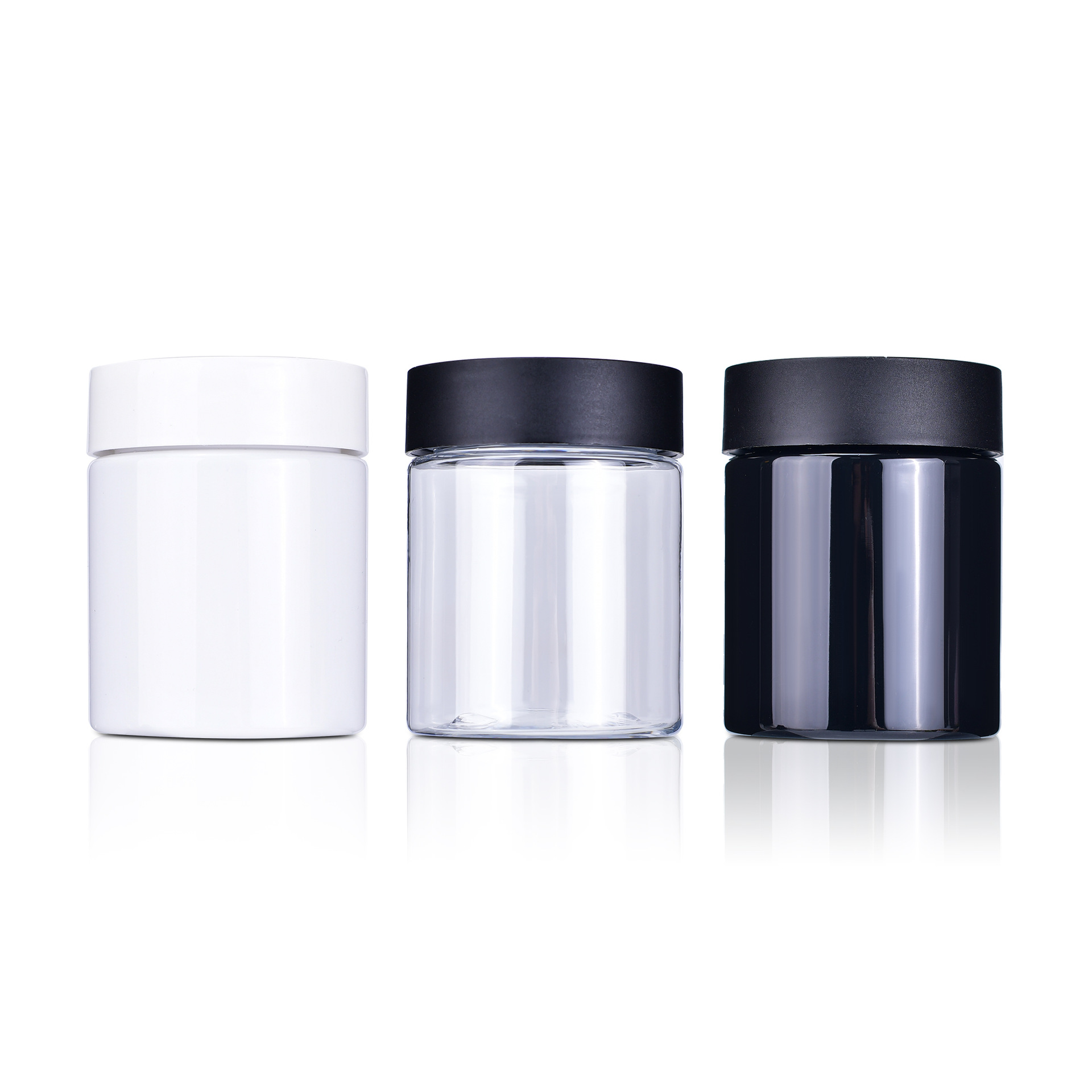
An existing bottle is worth considering when its shape, material and component options already fit the brief. Browse relevant plastic packaging formats or perfume bottles, then shortlist specific models for discussion.
“Stock” describes an available design route; it does not automatically mean finished inventory is ready to ship. Ask whether the quoted item is held in stock, scheduled for manufacture or dependent on a particular color run. Confirm availability for the bottle and its matching closure separately.
Use decoration when the basic geometry already works
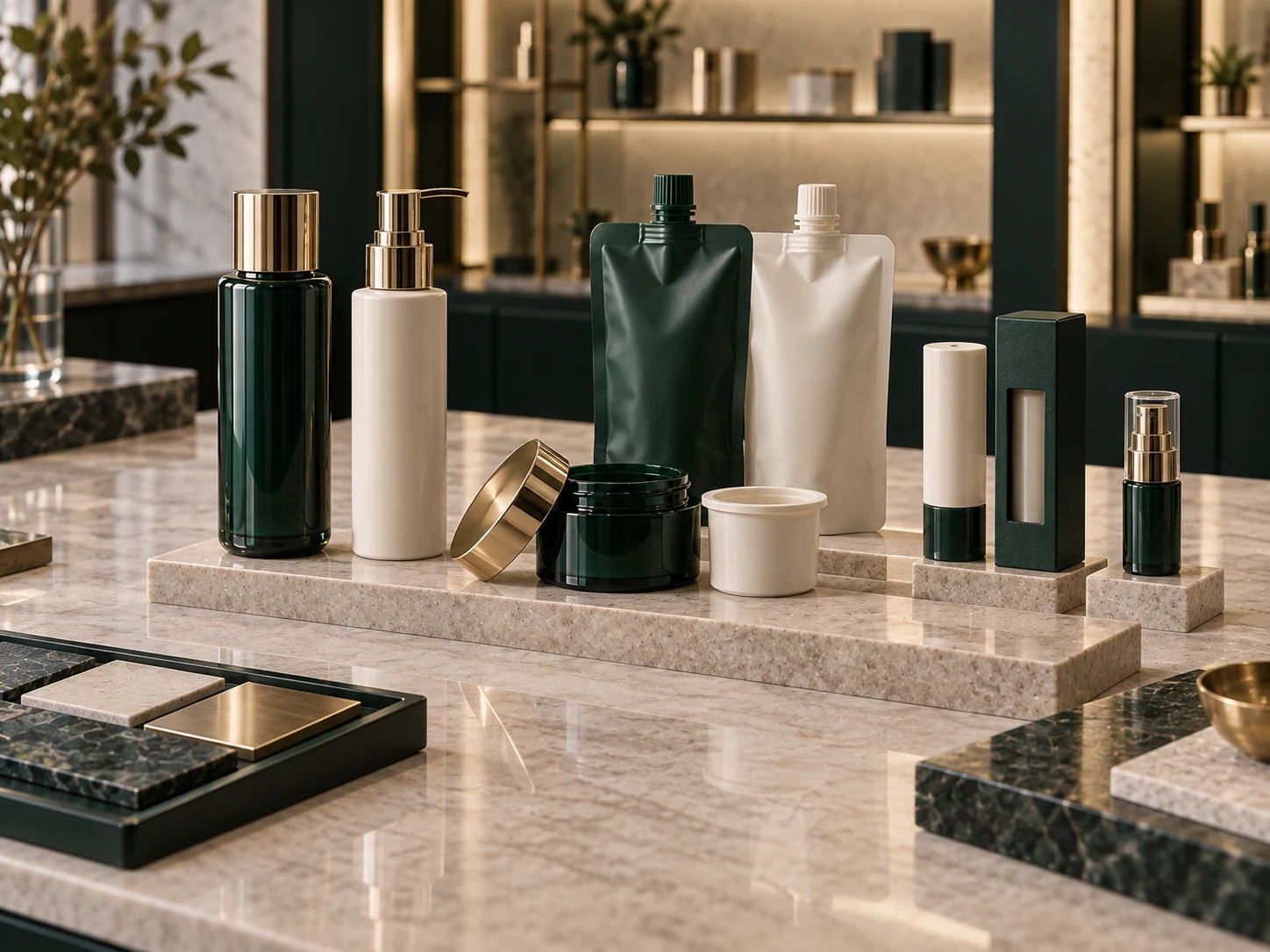
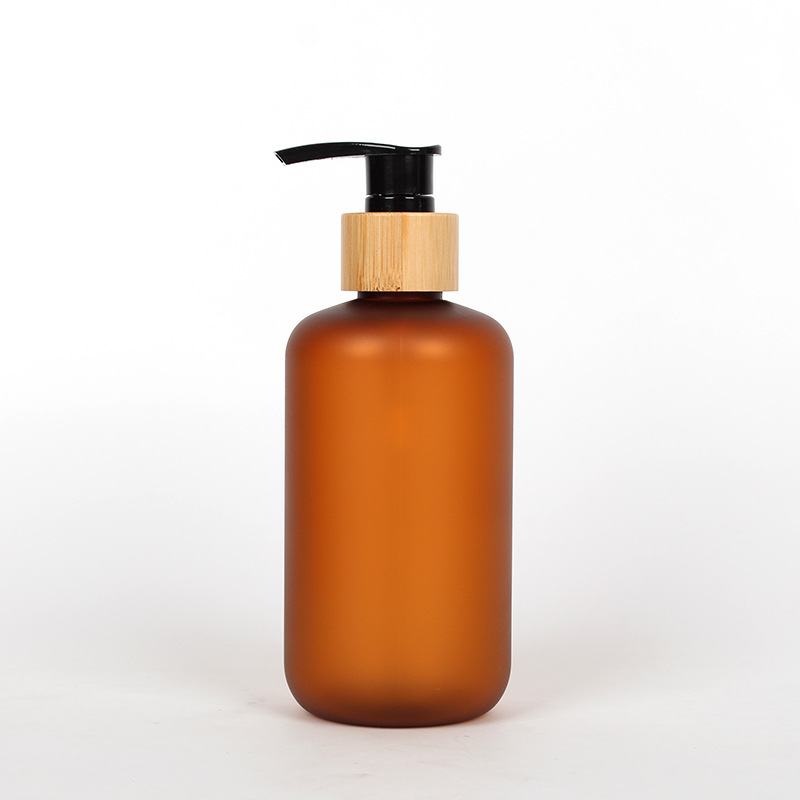
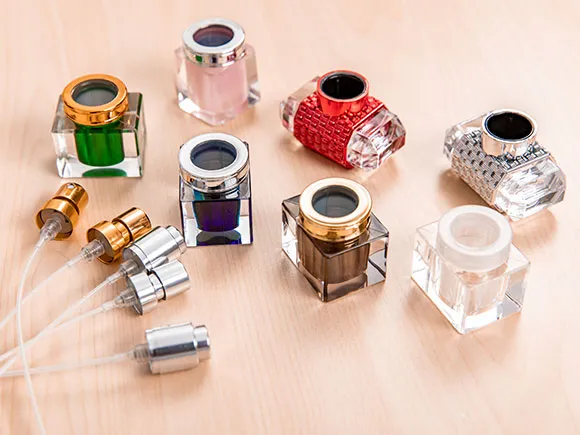
A decorated existing bottle can provide a useful middle route. Color, printing, labels, a coordinated cap and an outer carton may create the visual identity you need without changing the bottle body. Start by deciding which detail should make the strongest impression on the shelf.
Review the artwork on the actual geometry. Shoulders, seams and curved surfaces can influence the available print area. A finish that looks balanced in a flat artwork file may feel crowded once the bottle, collar and cap are assembled.
Choose a custom mold for a defined structural reason
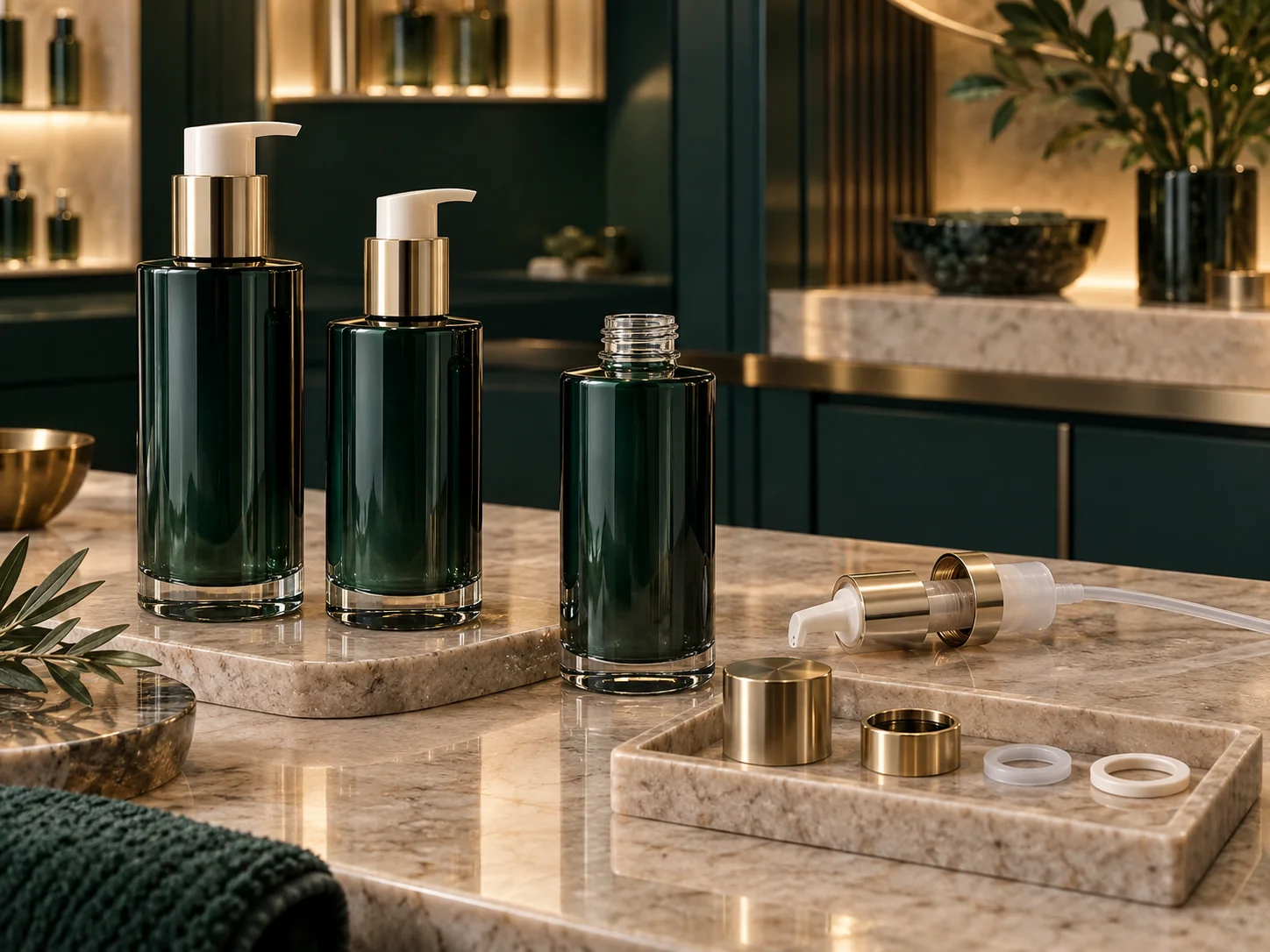
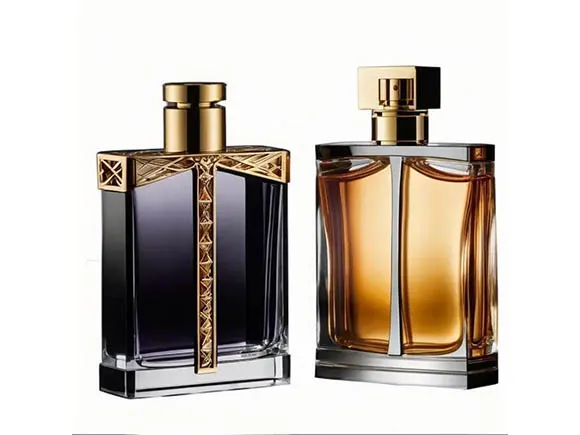
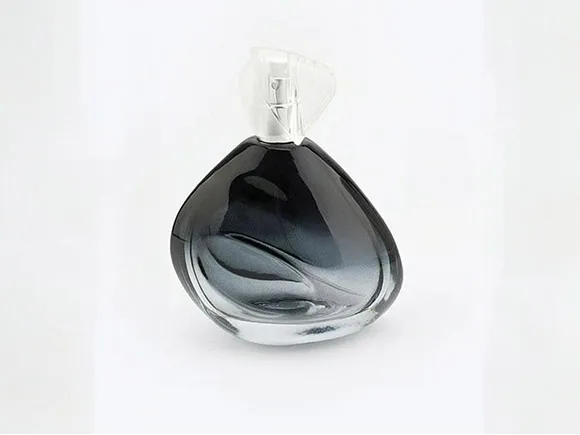
Custom development becomes more useful when existing formats cannot deliver an essential feature. That feature might be a distinctive silhouette, a particular handling experience or the relationship between the bottle and a component. Write down the reason for developing new geometry before authorizing tooling.
The development brief should identify capacity, material, critical dimensions, closure interface and decoration zones. Ask the design team to explain the proposed sequence from concept to drawing, trial sample and production approval. Discuss how revisions will be recorded and which decisions must be settled before the next stage begins.
Tooling discussions should also cover ownership, maintenance, storage, permitted use and the procedure for future changes. These are project terms to agree in writing. Explore PauPack's bottle design process with your reference sample or drawing, then request conditions specific to the proposed bottle.
Compare the same finished pack in every quotation
A bottle-only price cannot fairly represent a decorated, assembled and packed product. Give each supplier the same component list, finish specification and packing assumptions. Ask for separate lines for development, tooling, samples, production components, decoration and agreed packing work.
For planning, compare:
- Initial development and tooling charges.
- The complete component set required for each sellable unit.
- Decoration setup and production charges.
- Samples, agreed testing and approval work.
- Retail cartons, inserts and protective shipping materials.
- Freight assumptions and the stated delivery point.
Build the schedule around approvals and dependencies
Ask for a schedule with milestones rather than one production duration. It should distinguish design confirmation, tooling where required, component procurement, decorated samples, testing, production, packing and transport. Identify what starts each stage and whose approval allows it to proceed.
Approve the combination you intend to buy
The approval sample should bring together the bottle, dispenser or closure, decoration and relevant outer packaging. Label it with component references and drawing or artwork revisions. Note any differences between the sample and the intended production build.
Agree what needs checking: dimensions, installed appearance, dispensing behavior, sealing, formula contact, finish durability and protection during distribution, as applicable. The product owner, filler and packaging supplier should define responsibilities and acceptance criteria. PauPack's quality management information can support that discussion; the actual test plan must suit the selected product and market.
Questions before you order
Is stock packaging always cheaper?
Compare the complete supplied pack and the expected order pattern. Decoration, accessories, packing and small component runs can change the result. Obtain comparable quotations before choosing.
Can a stock bottle look distinctive?
Yes. A considered combination of color, graphics, cap and carton can establish a clear identity when the underlying shape supports it. Validate the final appearance with representative samples.
What should I send for a custom bottle discussion?
Send the intended use, capacity, material preference, component needs, reference images, opening quantity and arrival target. Explain which features are essential and include available drawings or samples.
Turn the comparison into a decision
Compare an existing format, a decorated option and—where needed—a custom design against the same specification and approval milestones. Send PauPack your brief to discuss the practical choices.