Container geometry
Link capacity, shoulders, panels and neck shape with the intended production route.
PAUPACK / RESOURCES
Understand how bottle design, material choice, tooling and component interfaces affect one another. Use these explanations to turn a technical observation into a clear question for your packaging project.
Your packaging choices
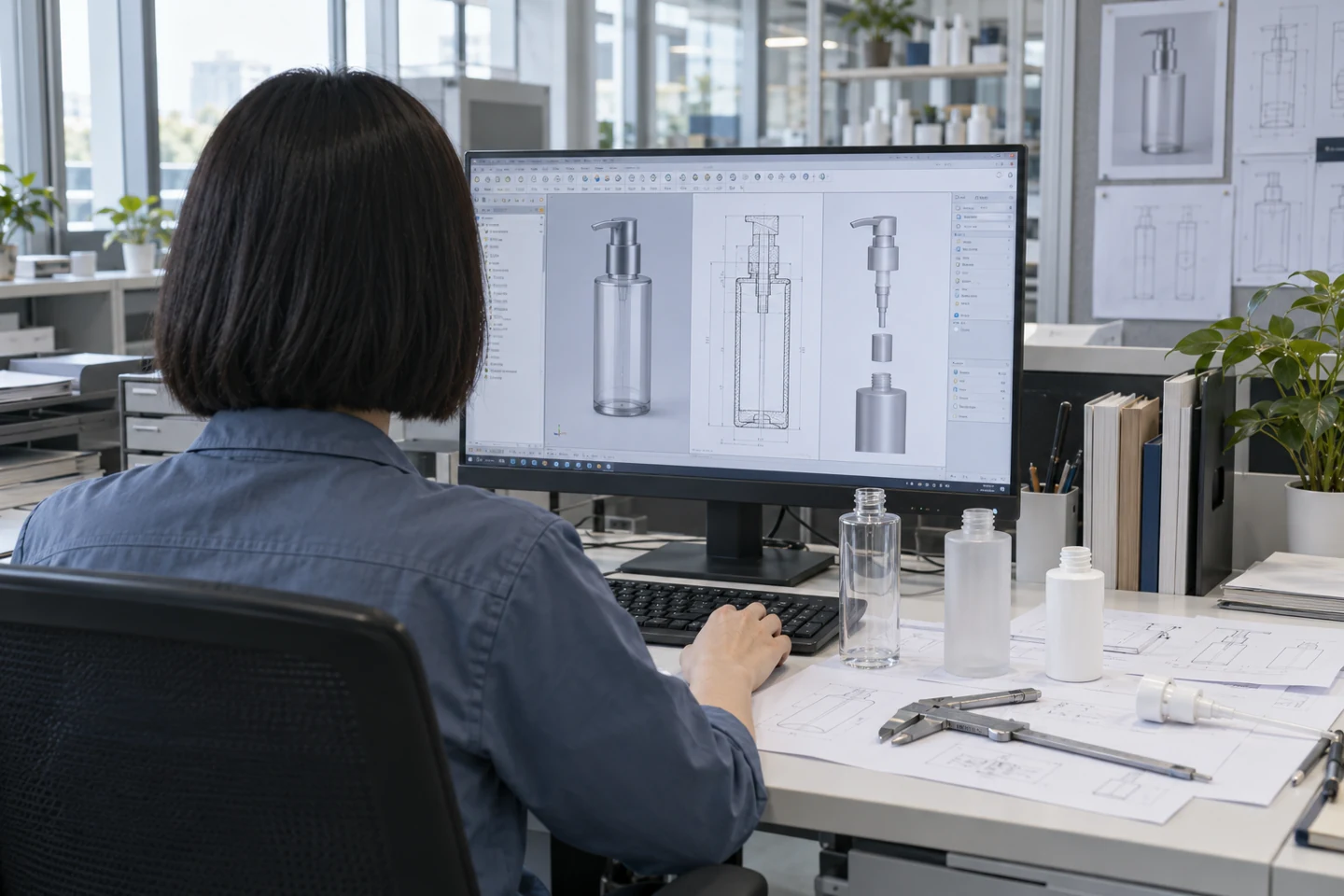
Link capacity, shoulders, panels and neck shape with the intended production route.
Review sealing, engagement and assembled dimensions across the selected parts.
Evaluate a proposed material change with appearance, decoration and use.
Compare identified samples under consistent conditions before drawing a conclusion.
SUGGESTED READING PATH
Bring reference shapes, dimensions, closure interfaces and ownership questions into the development discussion.
STEP 02Start with the bottle drawing and dispensing requirement. Confirm fit and performance with the actual formula and selected components.
STEP 03Consider appearance, formula compatibility, refill use, recycled content and the destination market together.
STEP 04Record the sample version, dimensional and functional checks, appearance references, packing plan and unresolved issues.
The most useful engineering questions often sit between components. A new bottle profile can change the available decoration area. A different cap can alter the overall height and the insert inside the box. A material choice can influence how a finish appears. PauPack Engineering Insights looks at these connections so the design can be reviewed as a complete package rather than a series of separate decisions.
Start with the feature you want to develop or the issue you need to resolve. The related guides connect design, tooling, component matching and sample approval. They help you prepare a focused discussion with the people responsible for the product, packaging and filling process.
A photograph is a good way to communicate direction, but it leaves important questions open. Which part of the design matters most? Is the requirement the shape, the surface, the dispensing experience or the relationship between components? Describing that priority helps the engineering team distinguish the essential brand feature from details that can be adjusted during development.
If you have an existing pack, bring the available sample and references into the discussion. Explain what works well and what you want to improve. This gives PauPack a more practical starting point than requesting an identical result from an image without knowing its construction.
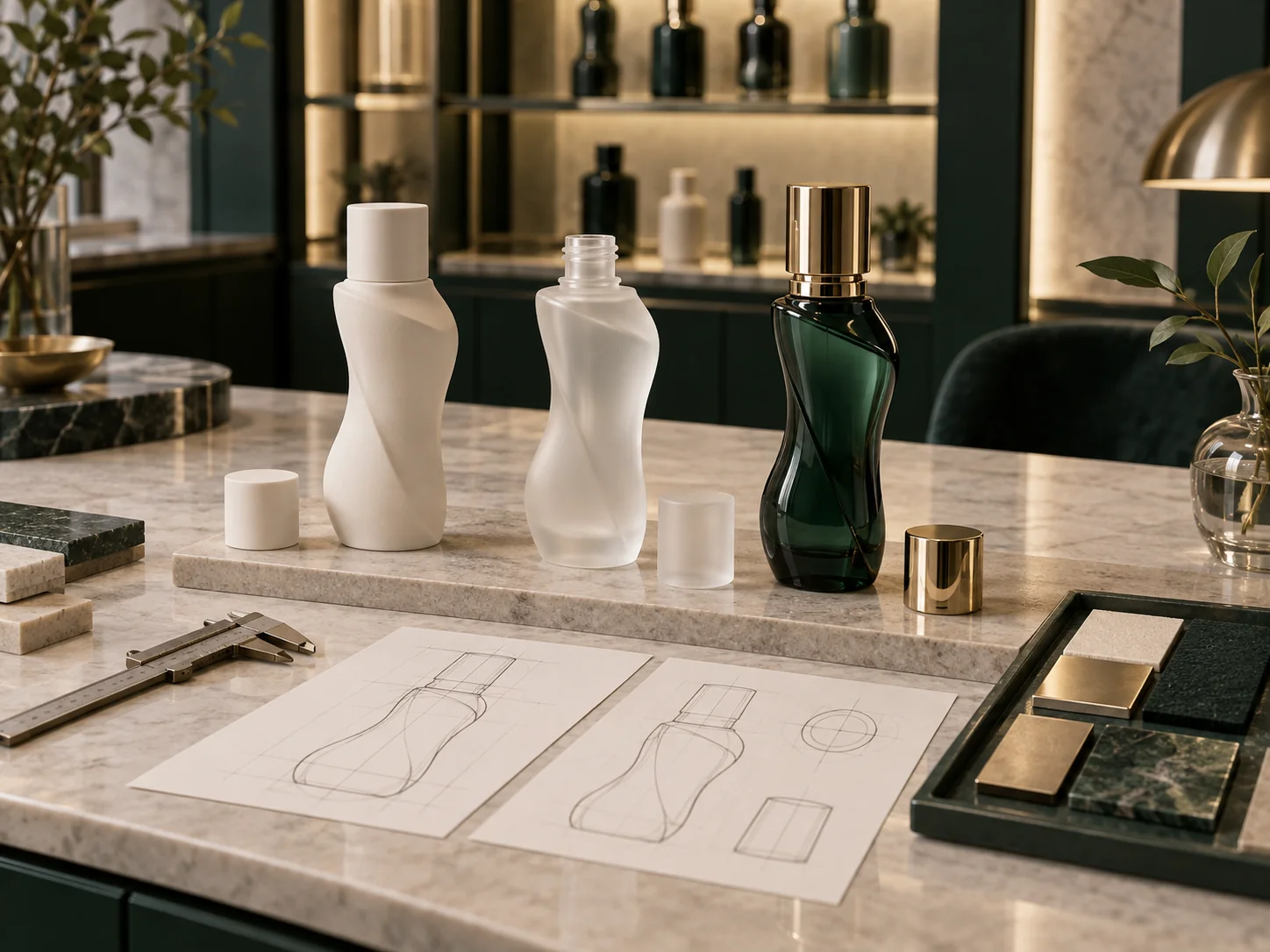
Some choices can be explored through drawings and visual studies. Others need a physical assembly or a sample made through the proposed production route. Keep the purpose of each review clear. A model can help establish proportions without proving the performance of the final material, and an undecorated bottle does not show the completed surface finish.
The next step should answer the unresolved question. If the concern is the feel of the closure, evaluate the assembled pack. If it is the appearance of a coating, review a relevant decorated reference. A clear sample objective helps avoid repeated rounds that each answer a different question.
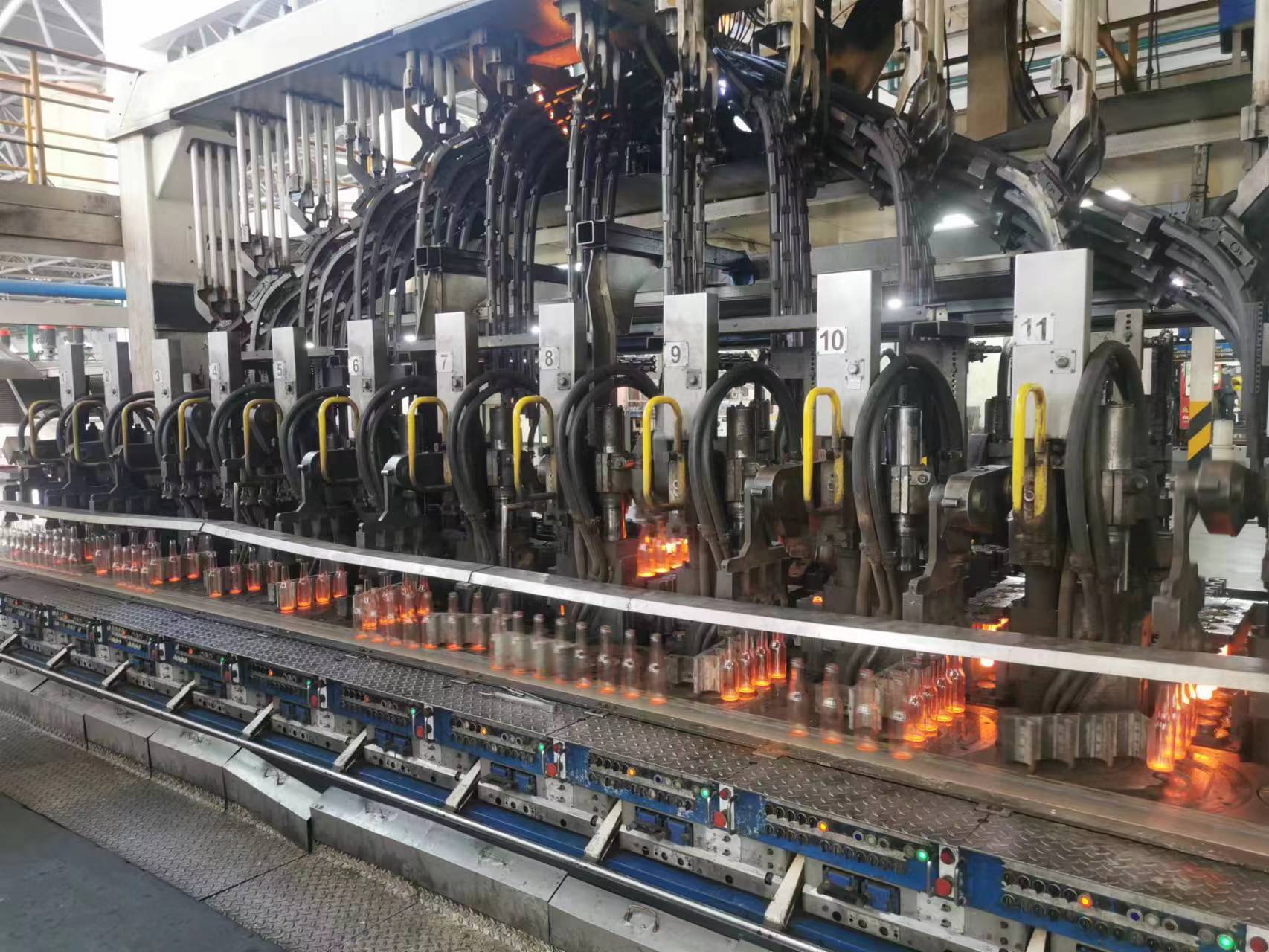
A distinctive design needs a practical path to production. Material, form, component interfaces and decoration all belong in that review. An existing design may be a useful platform when the desired difference can be achieved through a finish or closure. New tooling becomes a separate discussion when the form or construction itself is central to the concept.
PauPack connects design and tooling discussions with the rest of the packaging project. The purpose is to understand the implications of a choice while alternatives can still be compared, rather than discovering a conflict after the bottle, cap and box have been developed independently.
A packaging project can move through several samples, artwork files and component options. Identify the version being reviewed and describe any requested change clearly. A short record of the selected reference, the issue and the decision is more useful than a long email conversation in which different people are referring to different samples.
When one element changes, check the connected parts. A revised cap may affect the presentation box; a changed label area may affect artwork; a different component may require another assembled review. The engineering resources help your team identify these relationships and carry them into a coordinated approval process.
You can begin with a drawing, a sample, a product idea or a problem with an existing pack. Tell PauPack what you need to achieve and which decisions are already fixed. The design, closure and quality resources linked here can help you organize the available information before that conversation.
For a new concept, the custom-project route provides a place to describe the intended result. For a selected bottle and component combination, sample matching may be the more useful starting point. The aim is to connect your question with the development work needed to answer it.
People behind your packaging
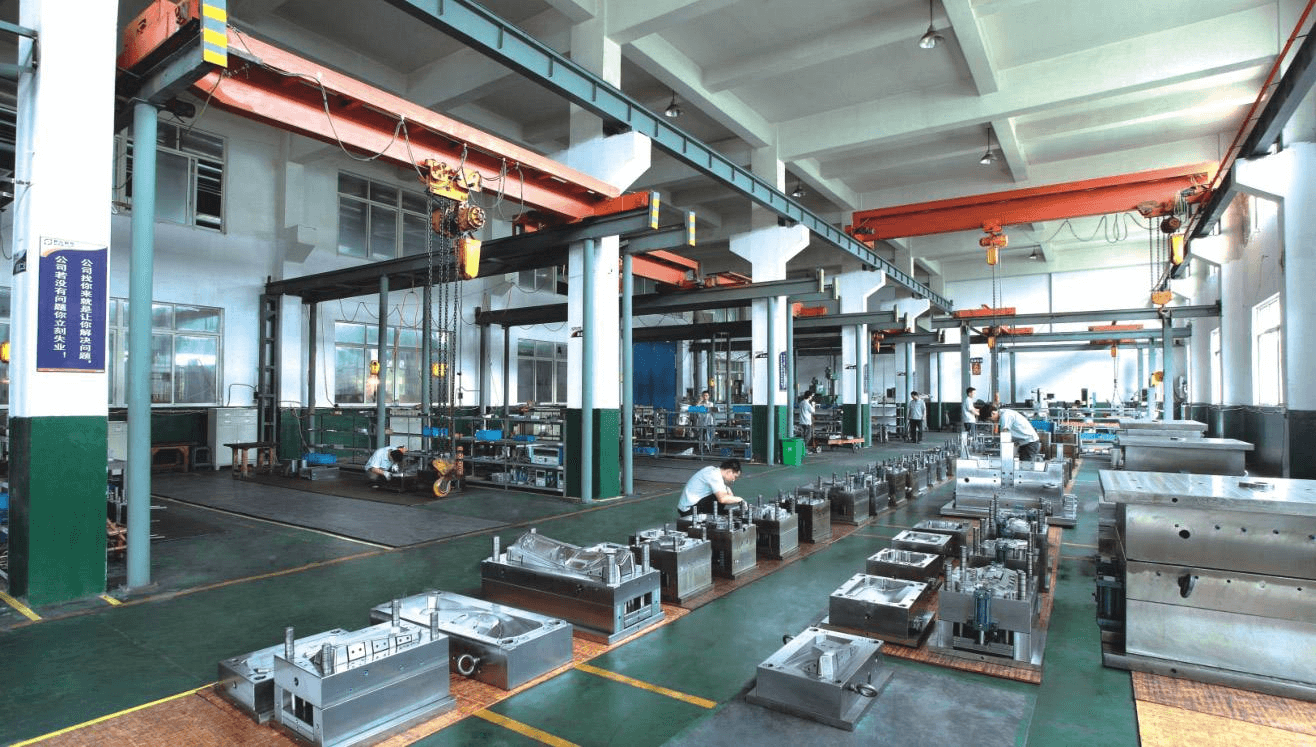
Since 2013, PauPack has combined manufacturing and trade services for packaging projects. Investment in four factories supports our work across bottle development, production and complete packaging coordination.
Explore our history ↗
Customer feedback
“Their attention to detail, from material selection to final finishing, ensures our products always stand out on shelves.”
Claud** Wagn** · Watsons
Published in PauPack’s customer feedback
Questions & answers
Identify the issue described, compare it with the actual bottle and component references, and note the conditions that differ. Bring those observations and representative samples to the project discussion. A guide can explain a decision, but it does not replace checks on your selected pack. Design Engineering →
Set the required function, capacity, main geometry and interfaces with closures or other components. Identify decoration and packing constraints, then agree the drawing revision and trial-sample route. A distinctive feature should have a clear purpose and a practical way to be produced and checked.
CONTINUE YOUR PROJECT
CONTINUE READINGExplore related guides and practical project tools.
APPLY THE GUIDANCETurn your references and product requirements into a design, sample and production brief.
 APPLY THE GUIDANCE
Agree the test conditions, acceptance limits and records needed for your packaging and formula.
YOUR NEXT STEP
Share the product use, target size, material direction, estimated quantity and launch needs. Choose the route that matches the information you have today.
For a new form, custom tooling, decoration or a coordinated packaging system.
CHECK A REFERENCEFor a bottle, pump, cap or assembly that needs a fit and performance review.
COMPARE OPTIONSFor a selected product family and an initial commercial discussion.