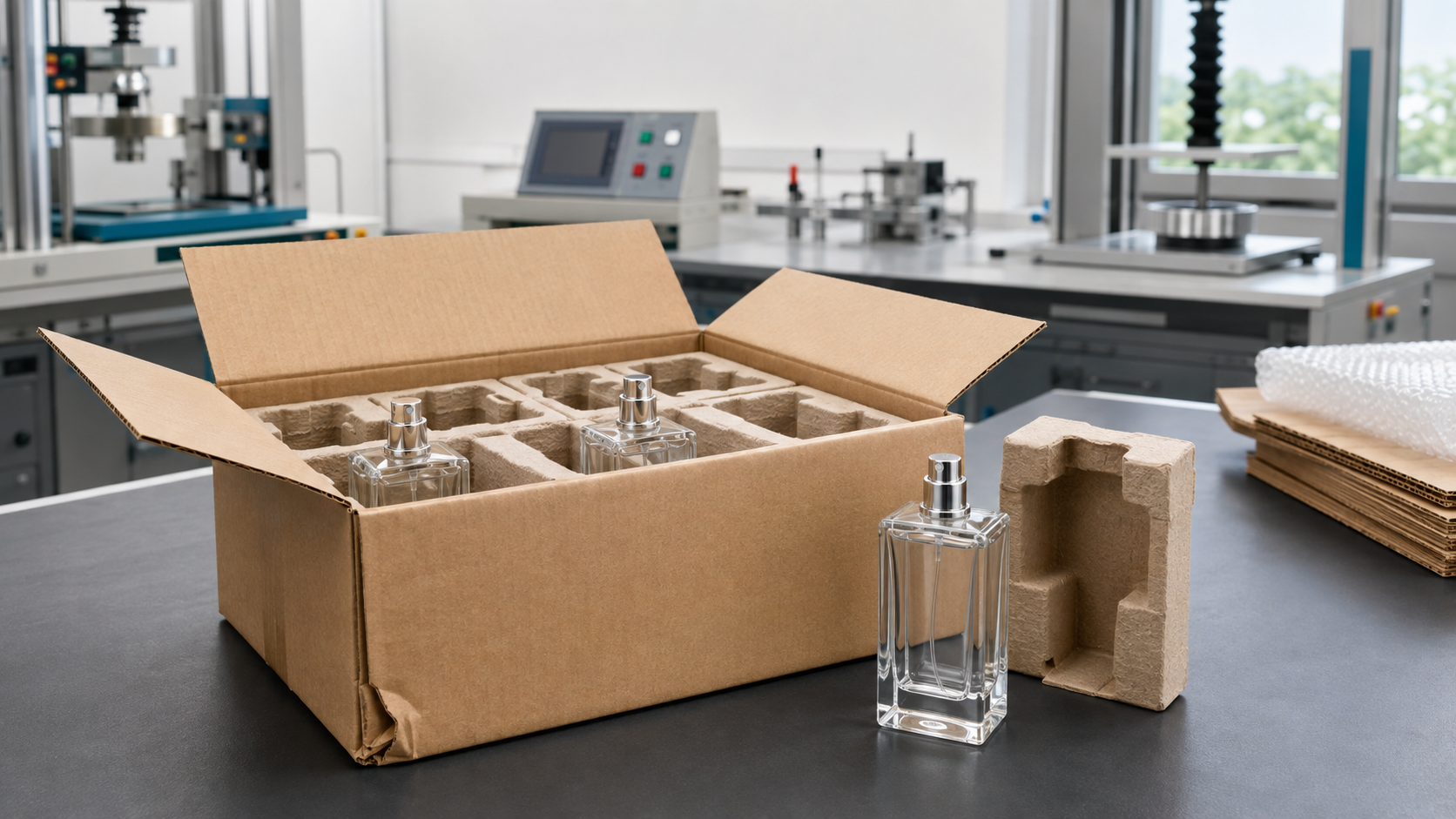


Custom packaging design becomes expensive when shape, closure, decoration and carton decisions are made in the wrong order. A design service should convert a commercial idea into a controlled production brief.
Use five release gates when selecting a custom bottle design service.
Gate 1: Brand and Product Brief
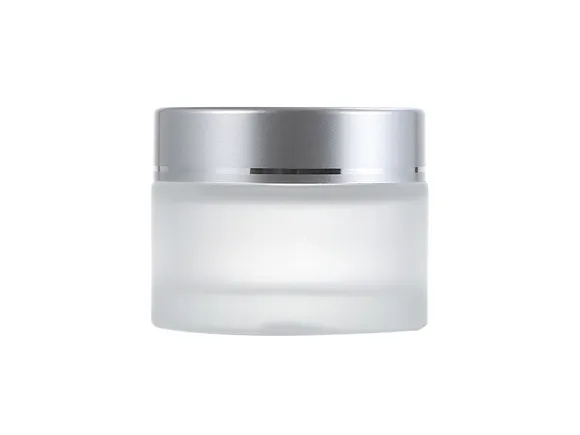
Define product, capacity, filling method, channel, user action, quantity, destination, target timing and non-negotiable brand elements.
Gate 2: Structural Direction
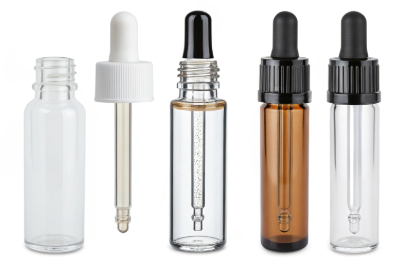
Compare stock transformation, custom glass with stock closure, and a full custom component system. Select the route before investing in detailed artwork.
PauPack's design service and product range support the initial scope.
Gate 3: Engineering Feasibility
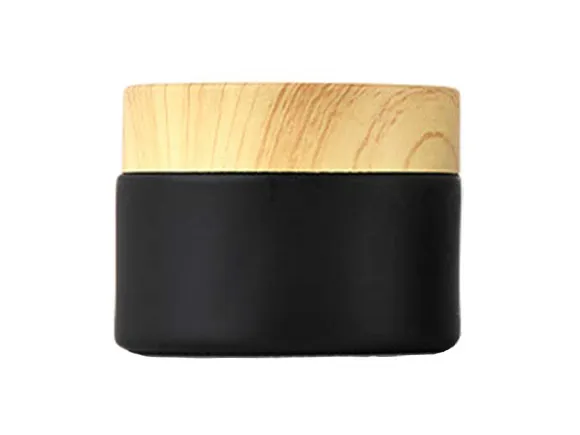
Review dimensions, capacity, neck, closure, stability, decoration panels and manufacturability. Record features that create tooling or tolerance risk.
Gate 4: Prototype Questions
Give every prototype a purpose: appearance, fit, decoration, filling-line behavior or packed-product approval. PauPack's glass bottle prototyping guide explains the stages.
Gate 5: Production Release
Freeze drawings, component codes, artwork, color references, inspection criteria, packing and retained samples.
| Gate | Required output |
|---|---|
| Brief | Approved requirements |
| Structure | Chosen development route |
| Engineering | Feasible drawing |
| Prototype | Answered test questions |
| Release | Controlled production file |
Control Revisions
Use revision numbers, cost effects, timing effects and approval owners. A late bottle-width change can reopen cap, label, carton and tooling work.
Separate Design Fees and Tooling
Ask what the design scope includes and what belongs to prototypes, molds, decoration setup or production. PauPack's custom bottle mold cost guide supports quotation comparison.
Protect the Handoff
The final file should include drawings, artwork, component references, samples, inspection criteria and packing instructions. Visual renderings alone are not production specifications.
Use PauPack's quality management and services for release planning.
A capable custom bottle design service makes decisions visible and reduces uncontrolled revision loops. The chosen custom bottle design service should define deliverables and owners at every gate.
Frequently Asked Questions
Does custom bottle design always require a new mold?
No. Stock bottles can be transformed through decoration, closures and cartons.
What should a design brief include?
Include product, capacity, filling, channel, quantities, destination, timing and brand requirements.
Why are prototypes needed?
They answer appearance, fit, process, decoration and packing questions before production.
What belongs in the production handoff?
Include drawings, component codes, artwork, samples, inspection and packing specifications.