Product family
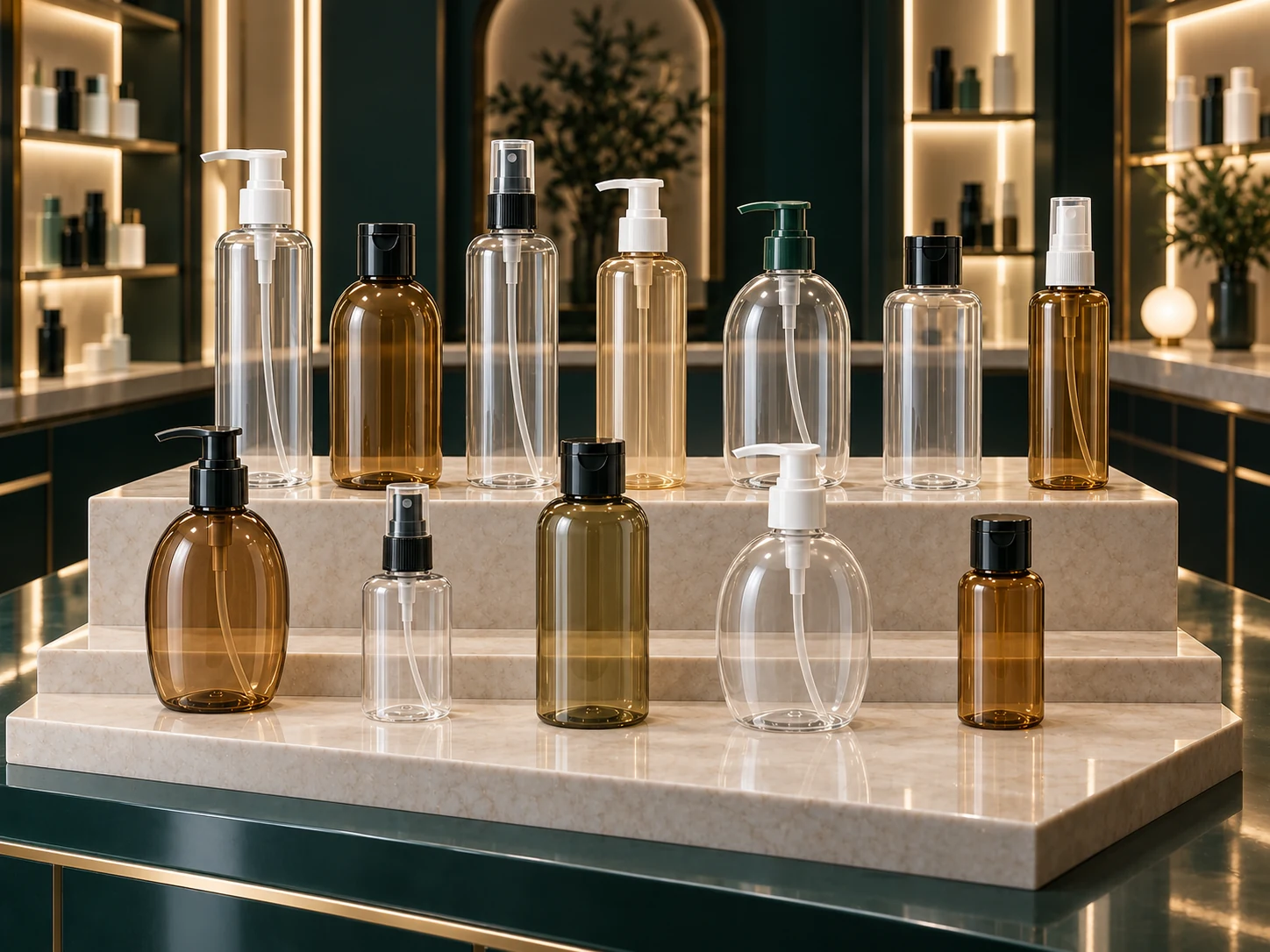
PCR PET & PCR PE Packaging
Compare pcr pet & pcr pe packaging by material, component matching, decoration and project route.
Explore collectionUnique Products / Sustainable Packaging
Explore product families for clean beauty and sustainability-led sourcing teams. Each route connects the primary container with closures, decoration, sampling, quality criteria and commercial delivery.
Product subcategories
Choose a collection card below to move from a broad requirement to a defined container, component, material or development route.
Product catalogue
Use this collection to compare related packaging routes, then request verified specifications, images and commercial terms for the exact product model.
Compare pcr pet & pcr pe packaging by material, component matching, decoration and project route.
Explore collection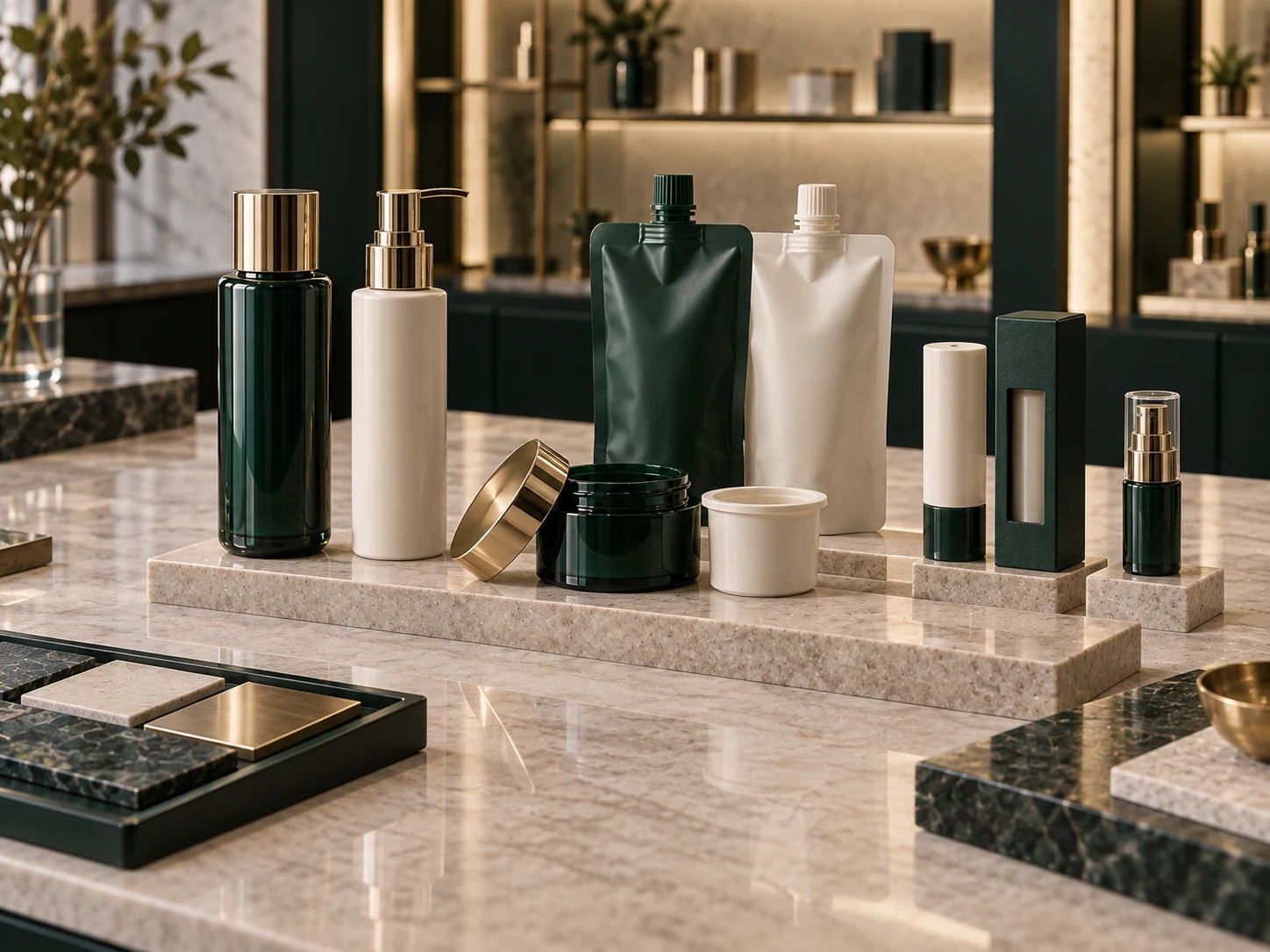
Compare refillable & reusable packaging by material, component matching, decoration and project route.
Explore collection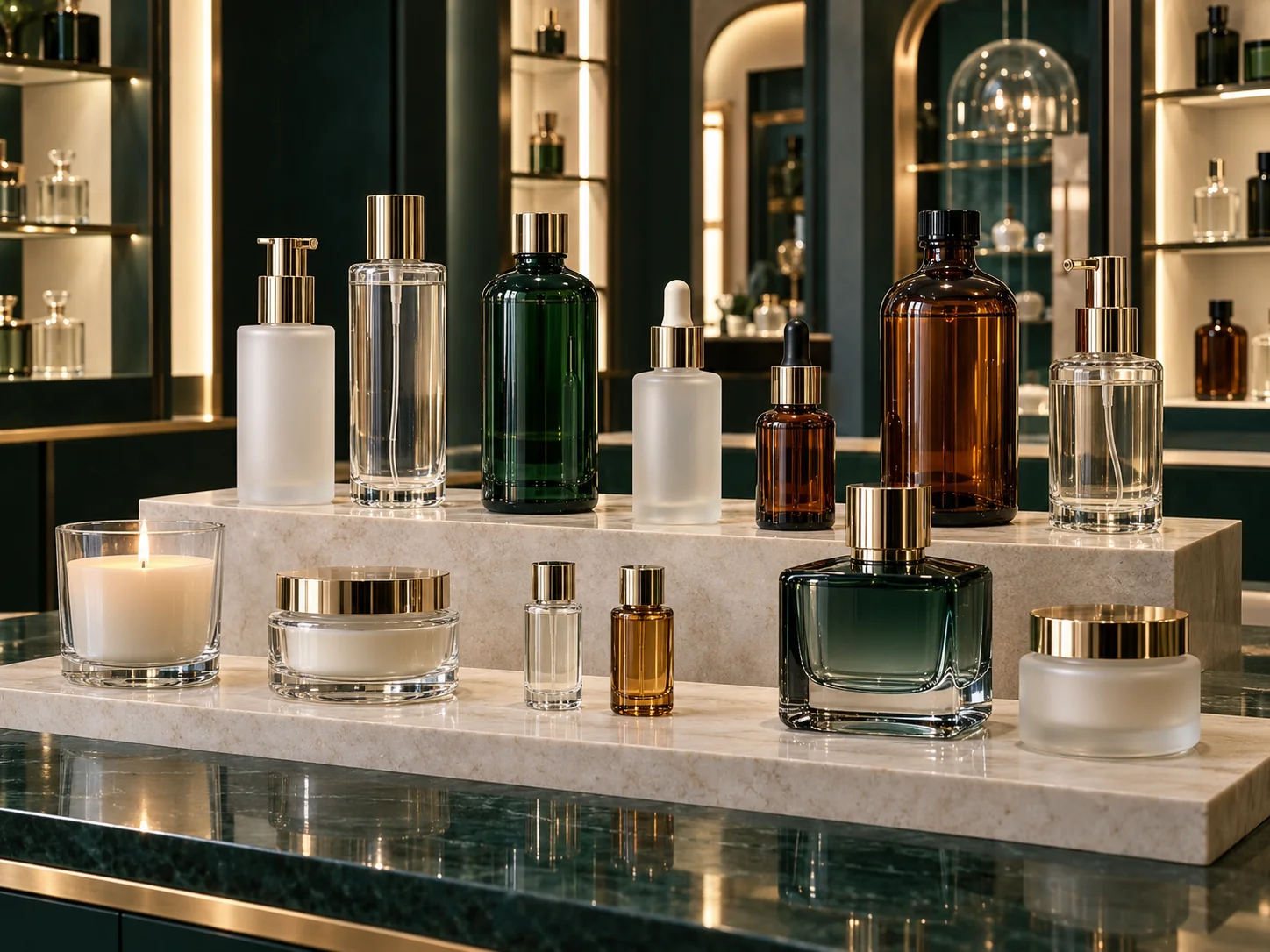
Compare lightweight glass packaging by material, component matching, decoration and project route.
Explore collection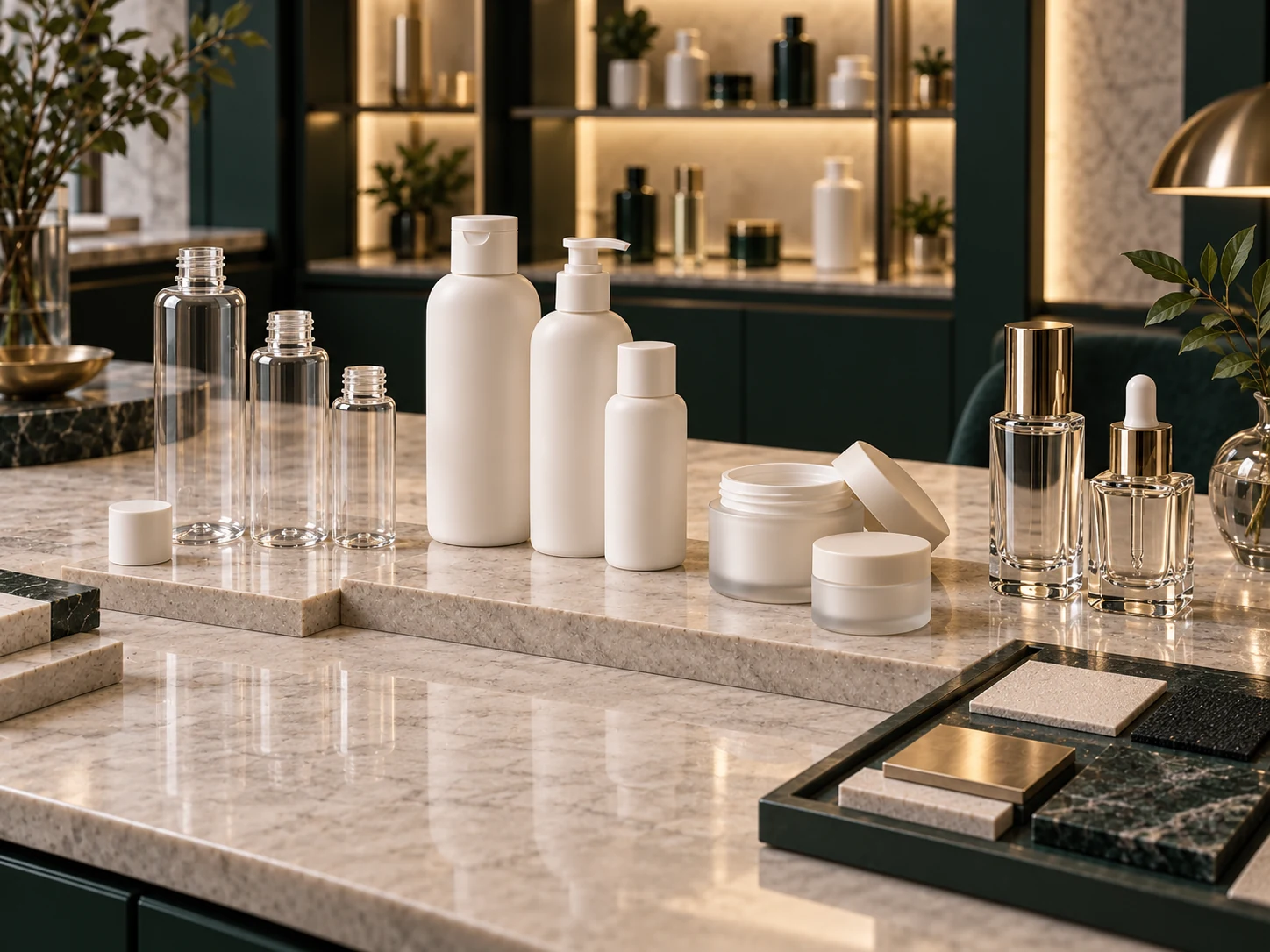
Compare bio-based & sugarcane packaging by material, component matching, decoration and project route.
Explore collection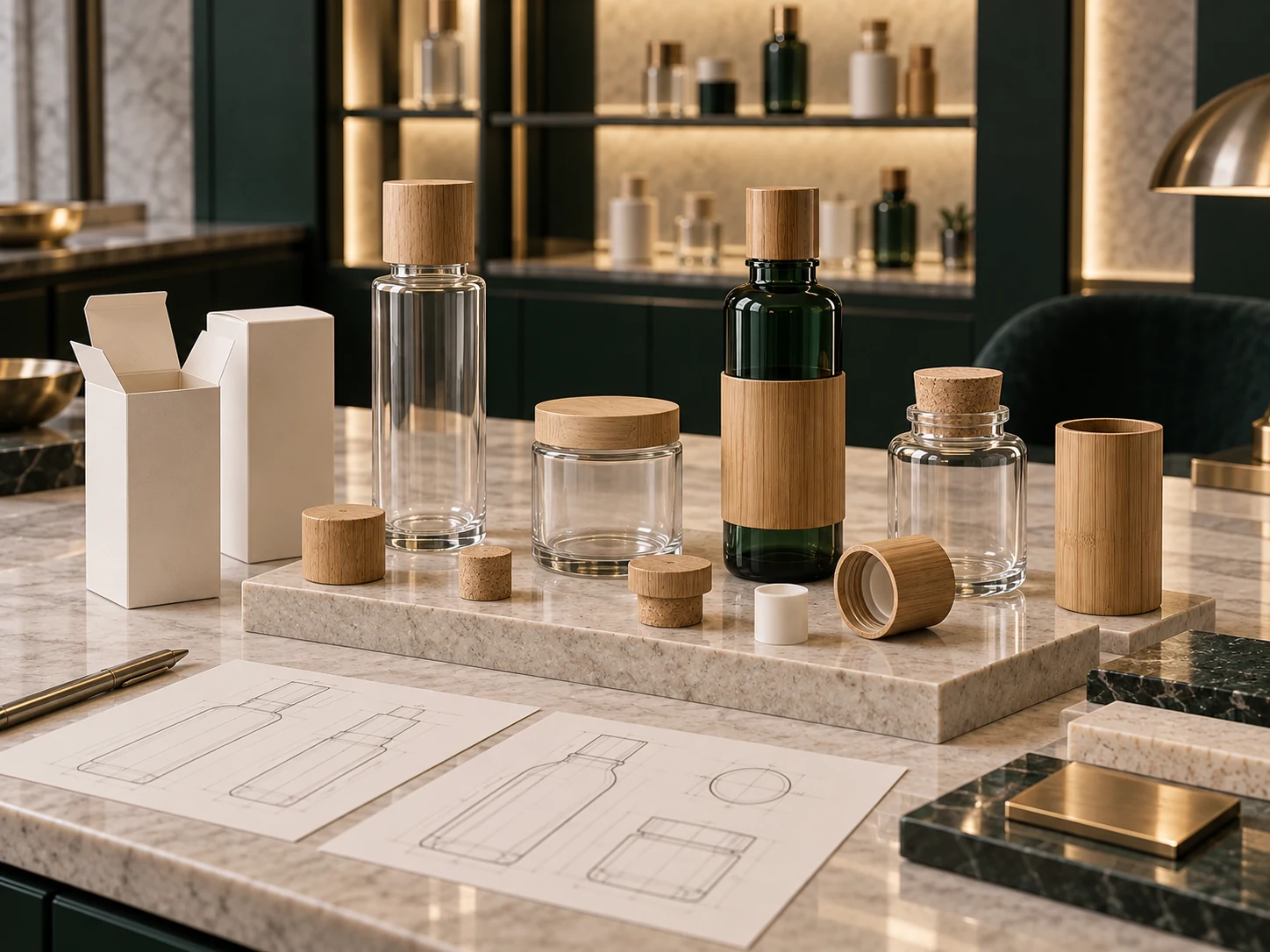
Compare bamboo, wood & cork packaging by material, component matching, decoration and project route.
Explore collectionCompare mono-material packaging systems by material, component matching, decoration and project route.
Explore collectionCompare recycled glass packaging by material, component matching, decoration and project route.
Explore collection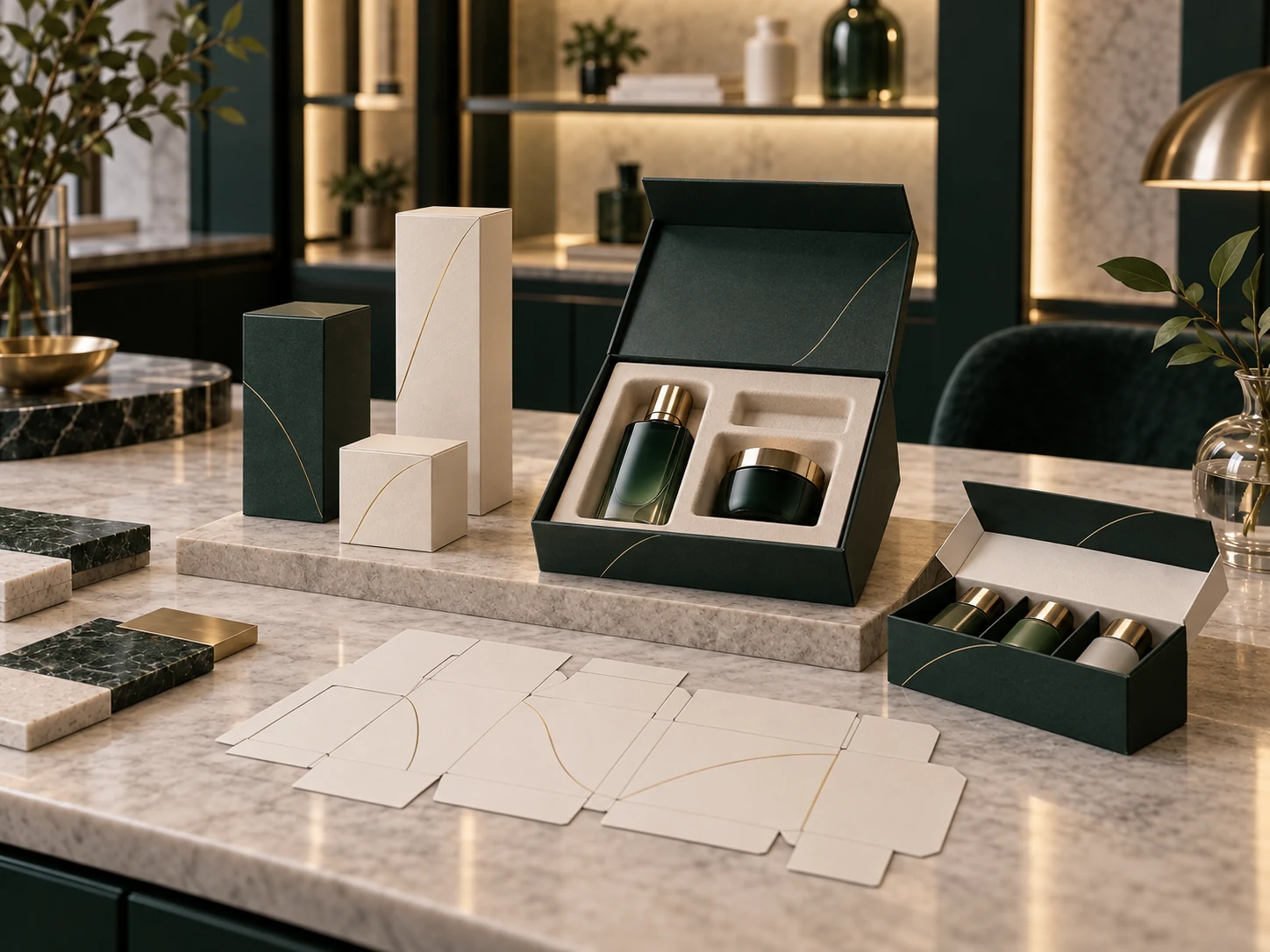
Compare paper-based secondary packaging by material, component matching, decoration and project route.
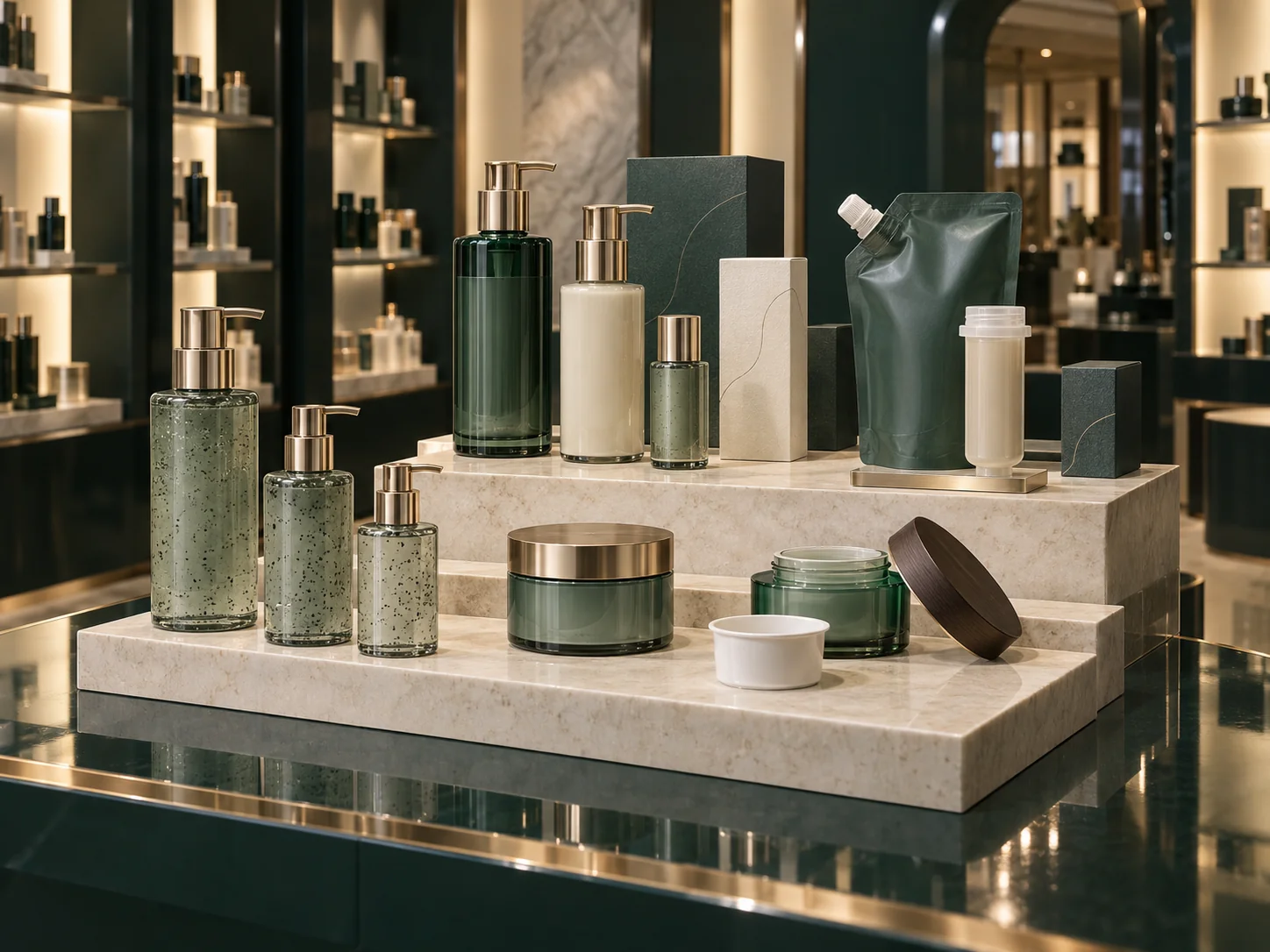
Explore collectionCompare refill pouches & cartridge systems by material, component matching, decoration and project route.
Explore collectionCompare recyclability design review by material, component matching, decoration and project route.
Explore collectionNo matching formats. Try a broader term or clear the search.
Quick answer
Sustainable packaging should be evaluated as a material and system decision, not as a label. Teams need to compare recycled content, refill, lightweighting, component mix, decoration, end-market requirements, available evidence and commercial feasibility before publishing a product claim or releasing production.
Complete packaging systems
For a premium launch, a bottle or jar is only one part of the sourcing decision. PauPack connects the main container with the neck finish, cap, pump, sprayer, dropper, color, decoration, label, outer pack, sample criteria and production planning so teams are not comparing incomplete quotations.
Industry applications
Choose your project route
Review claim boundaries, material evidence and commercial feasibility.
Explore routeMatch a reduced-impact route with shape, components and sample approval.
Explore routeConnect the material route to supply, documentation and delivery planning.
Explore routeProtect premium presentation while comparing lower-impact options.
Explore routeSustainable packaging
Recycled content, refill, lightweight or material-reduction options need to be evaluated with appearance, component compatibility, availability, customer expectation and supportable claim language. The most credible option is the route that can be approved and repeated for the actual product program.
Quality and risk control
Record the relevant appearance reference, material and component scope, fit or dispensing checks, decoration criteria, protective packing, inspection needs and project documentation before production release. Requirements should be confirmed for the selected product and market, not assumed from a generic description.
Review quality and risk controlPackaging questions
Describe only what is supported for the specified material, component and market. Ask what the recycled-content statement covers, whether the closure and decoration change the end-of-life route, and which documents are available. Avoid turning a material option into a broad environmental promise.
Mixed materials, metallized finishes, labels, inks, adhesives and non-removable accessories can alter sorting or recycling outcomes. Review the full assembly, including the cap or pump and secondary pack, instead of judging the container by itself.
PCR and recycled glass can influence color consistency, surface appearance, supply availability, decoration response, MOQ and commercial timing. These are project decisions to be tested against the approved visual reference, not defects to be hidden after a claim is chosen.
Options to evaluate include PCR plastic, recycled-content glass, refill systems, lighter designs and appropriate paper secondary packaging. Bio-based materials address material sourcing and need their own review. For sustainable cosmetic packaging, state which component and attribute you mean, then check formula fit, material evidence and the intended market rather than treating every option as interchangeable. Materials Sustainability →
Ask which component and environmental attribute each proposal addresses, then review the supporting information and formula fit. Sustainable cosmetic packaging needs the same attention to closure, appearance and filling as any other pack. Compare PCR, refill and other routes against a defined product and market.
Project inquiry
Share the product use, quantity, target market, material direction, component need, decoration reference and delivery target. PauPack can help define the next selection, sample or custom-development step.