

Sustainable fragrance packaging should be evaluated through evidence, not a single material label. Bottle weight, recycled content, refill design, component count, decoration, shipping and realistic end-of-use routes all affect the decision.
Use an evidence ladder when planning sustainable perfume packaging so each claim is supported by a defined specification or document.
The Evidence Ladder
Level 1: Component Facts
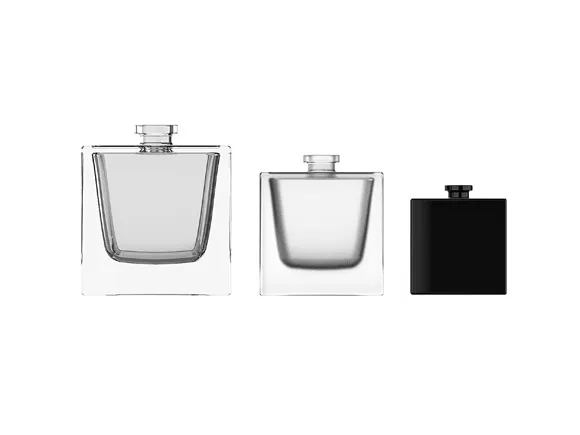
Record bottle material, weight, sprayer, cap, collar, decoration and carton. Separate measured facts from marketing language.
Level 2: Supplier Documentation
Request material declarations, recycled-content evidence where applicable, component drawings and production references.
Level 3: Pack-Level Comparison
Compare the complete options using the same fragrance volume, protection and distribution route.
Level 4: Market Claim Review
Have claims reviewed against the requirements of the markets where the product will be sold.
PauPack's glass perfume bottles provide formats for practical comparison.
Route A: Reduce Material Without Losing Function
Compare bottle weight, cap weight, component count and carton volume. Lightweighting must preserve filling, handling, decoration and distribution performance.
Route B: Use Recycled or Alternative Inputs Carefully
Define the exact component and percentage involved. Confirm appearance tolerances and supporting evidence instead of applying one statement to the whole pack.
Route C: Design a Refill System
Map the retained bottle, refill container, transfer process, closure security and consumer instructions. A refill concept needs a realistic repeat-use route and compatibility testing.
Route D: Simplify Decoration
Complex coatings, mixed materials and large decorative shells can complicate evaluation. Quote a restrained decoration option beside the premium option and compare appearance, durability and component separation.
PauPack's design service can connect the artwork hierarchy to the structural choices.
Build a Like-for-Like Scorecard
| Criterion | Option A | Option B | Evidence owner |
|---|---|---|---|
| Bottle weight | Measured value | Measured value | Supplier |
| Components | Count and materials | Count and materials | Packaging team |
| Protection | Tested pack | Tested pack | Brand and supplier |
| Refill cycles | Not applicable or tested | Tested cycles | Product owner |
| Claim wording | Reviewed statement | Reviewed statement | Market specialist |
Keep Performance Gates
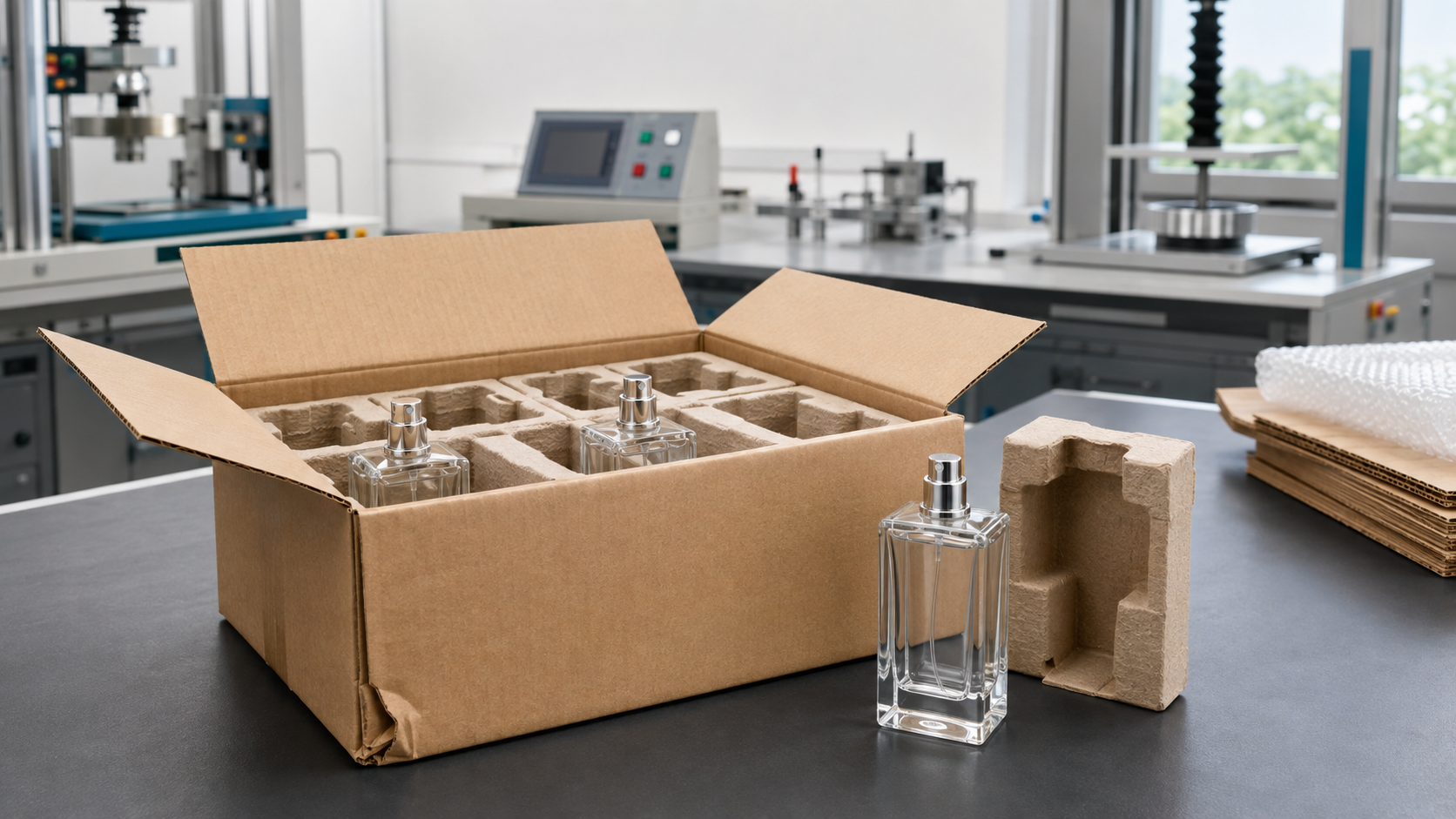
Test sprayer function, leakage, cap fit, decoration, filling and cartons. Sustainability goals do not remove the need for a reliable fragrance package.
PauPack's quality management, services and perfume bottle sample testing can support validation planning.
Ask for Two Quotations
Request the preferred concept and a simplified benchmark using the same quantity, destination and performance assumptions. The comparison reveals the cost and lead-time effect of each feature.
Create a Claim File
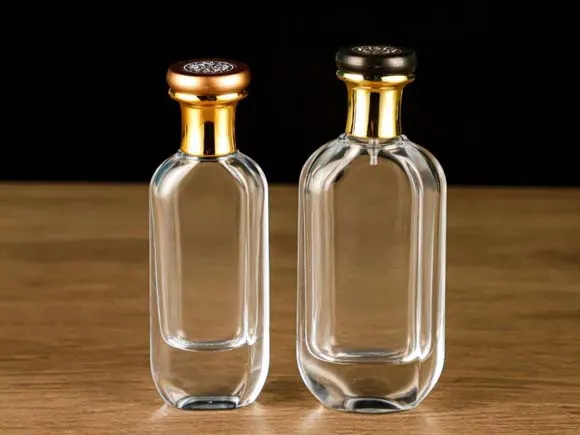
Store specifications, declarations, test reports, artwork wording, approval dates and responsible reviewers. Update it when materials or suppliers change.
The strongest sustainable perfume packaging program makes tradeoffs visible and limits claims to what the project can verify.
Use PauPack's empty perfume bottles bulk guide to connect the evidence file with component minimums and reorder planning. Good sustainable perfume packaging decisions should remain reviewable whenever a component or supplier changes.
Frequently Asked Questions
Is glass perfume packaging always sustainable?
No single material determines the full outcome. Evaluate weight, components, reuse, production, protection and end-of-use routes.
Can recycled content be claimed without documents?
Request appropriate supplier evidence and have claims reviewed for the intended market.
Does a refillable perfume bottle need testing?
Yes. Test filling, transfer, closure, leakage, repeated use and consumer instructions.
What belongs in a sustainability packaging comparison?
Include measured component facts, performance tests, distribution assumptions and claim evidence.