

Essential oil bottle sample testing should answer whether an identified bottle system is ready for the intended product, operation and distribution route. PauPack uses six evidence stations so teams can distinguish early screening from final approval and preserve a traceable record before a bulk order.
Station 1: Label Every Sample and Its Purpose
Record bottle lot, neck finish, closure, insert, pipette or roller, decoration, supplier and revision. State whether the sample is for appearance, fit, filled function or production release. PauPack's essential oil bottle range provides platforms for initial screening.
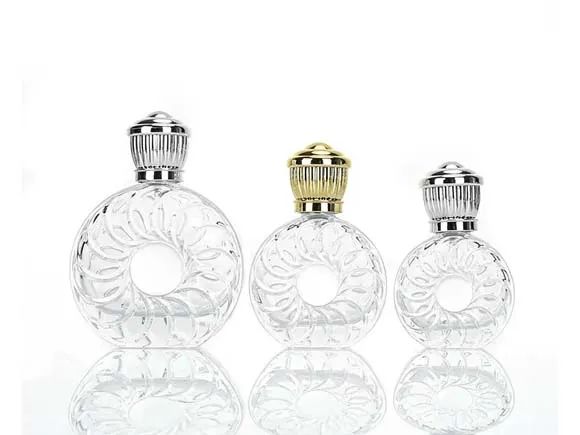
Station 2: Inspect Empty Components
Review glass, rim, threads, sealing surfaces, closure parts and protected zones under defined lighting. Measure agreed critical features with the specified method. Do not discard failed samples; retain them to connect observations with the actual lot.
Station 3: Assemble the Intended System
Use documented insert placement, pipette length, roller fit or closure application. Check installed position and operation. PauPack's quality management approach ties assembly conditions to the resulting evidence.
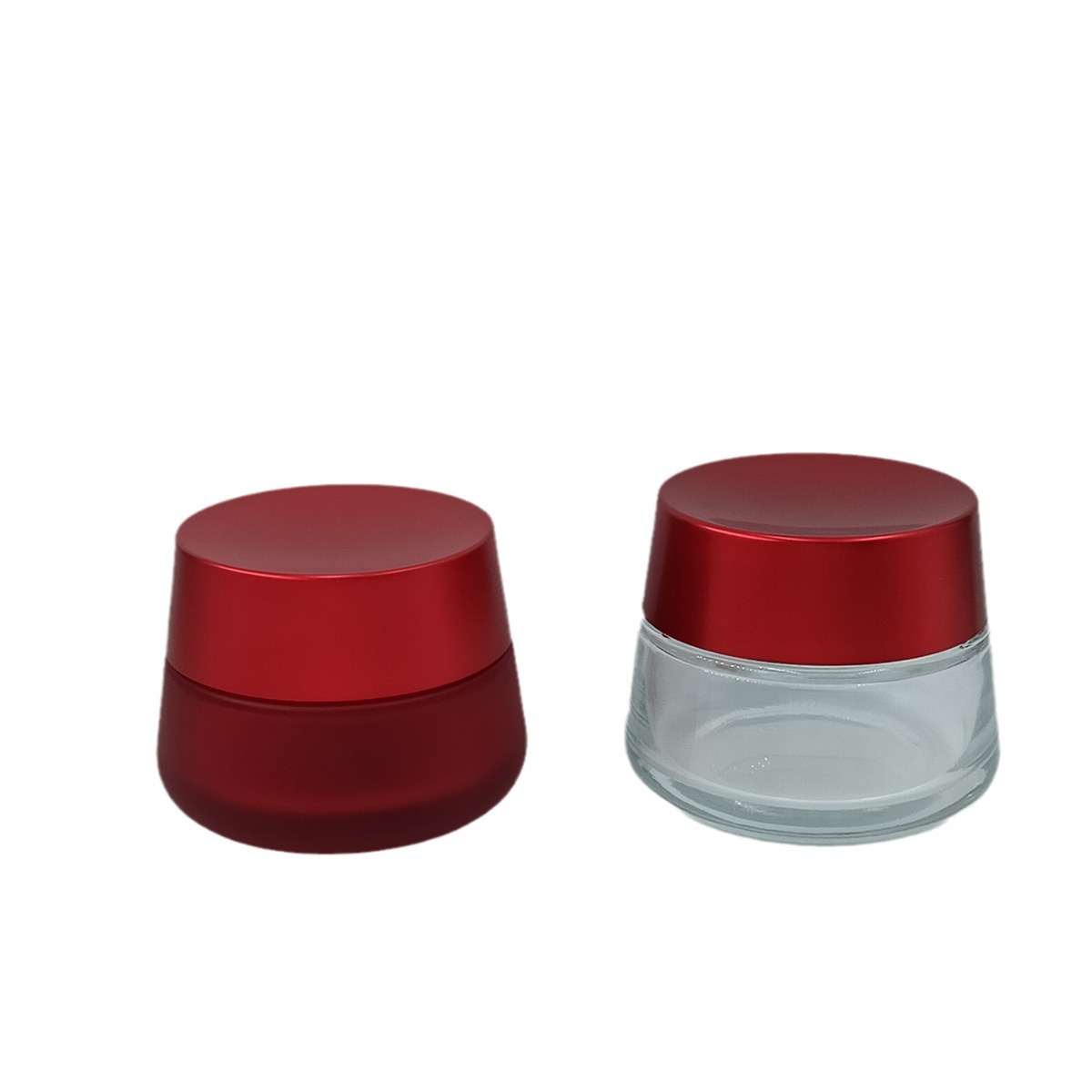
Station 4: Add the Actual Formula
A valid essential oil bottle sample testing program uses the intended formula or a justified representative under product-owner direction. Define fill, headspace, storage, orientation, time and observation conditions with qualified input. Screen dispensing, visible leakage and component change.
Station 5: Reproduce Operations and Distribution
Add filling, coding, decoration, cap handling, carton fit and justified transport challenges. PauPack's services coordinate the packaging workflow while the brand defines application-specific release criteria.
Station 6: Release the Packed Reference
Compare results with written criteria, document deviations and retests, then retain passed and failed samples. Link the packed master to drawings, artwork, test files, component codes and change triggers.
Separate observations from conclusions in the report. Record what was seen, under which condition and on which sample before assigning a cause. This keeps a later supplier, formula or process review from treating an early assumption as established evidence.
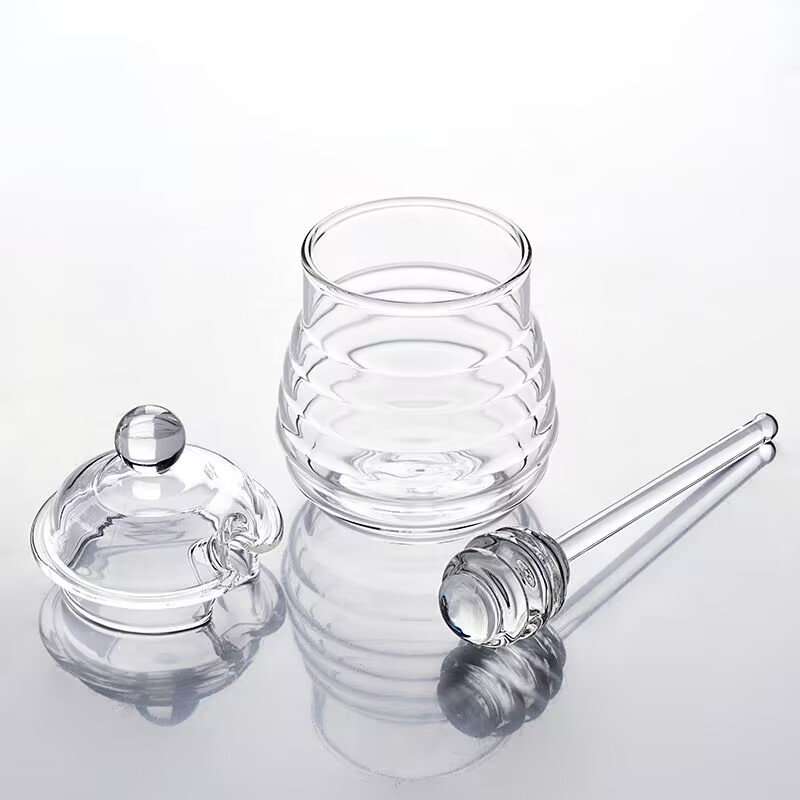
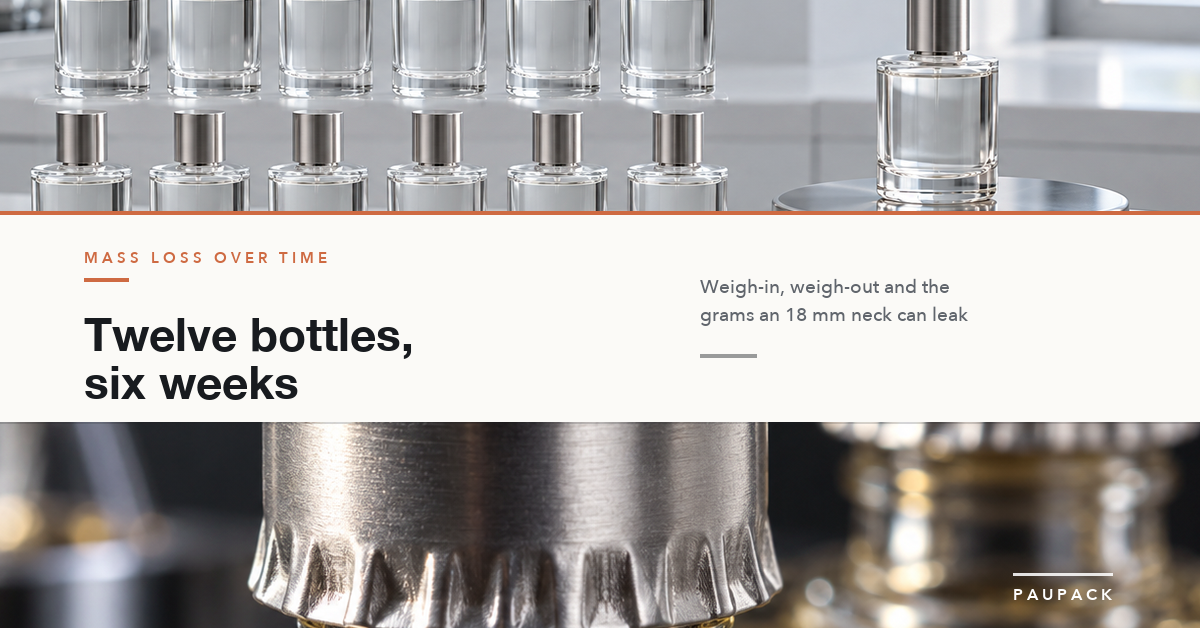
PauPack's design support, product catalog and leakage test guide support the stations. PauPack completes essential oil bottle sample testing when the evidence represents the production-intent package.
Frequently Asked Questions
Can empty samples approve a bottle?
They can screen appearance and fit, but filled function and compatibility require product-relevant evaluation.
How many samples should be tested?
Set quantity from risk, variation, test purpose and qualified sampling guidance rather than one universal number.
Should failed samples be discarded?
No. Retain identified failures when practical so corrective action and retest decisions remain traceable.
What closes sample approval?
Written criteria, identified results, disposition, retained references and documented change triggers should all align.