

An essential oil bottle leakage test should locate a failure, not merely produce a wet carton. PauPack uses six controlled steps to separate the sealing land, closure application, insert or pipette, orientation and transport pack, while the product owner defines formula-specific conditions and acceptance.
Step 1: Identify the Complete Test Assembly
Record bottle lot, neck finish, closure code, liner or reducer, pipette or roller, decoration, fill and assembly method. Mark every sample with a unique identity. PauPack's essential oil bottle portfolio supports matched component screening before filled trials.
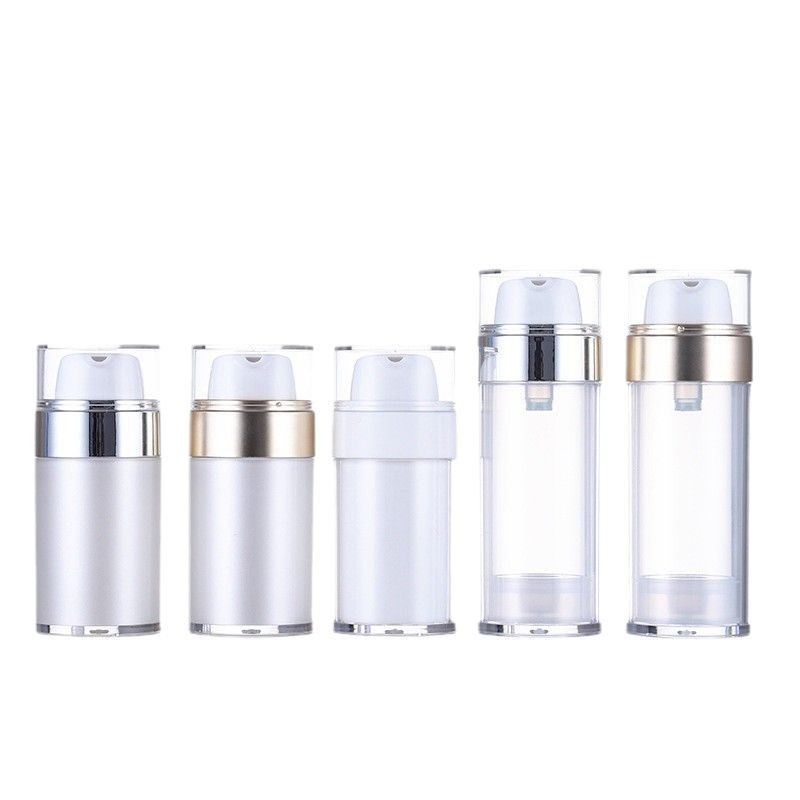
Step 2: Inspect the Sealing Surfaces Before Filling
Check the rim, threads, closure features and contact surfaces under defined lighting. Record chips, contamination, distortion or decoration in protected zones. Do not remove suspect samples: keep them as evidence linking an observation to a specific component and lot.
Step 3: Fill and Apply the Closure Consistently
Use the intended product or a justified representative, target headspace and documented application method. Product owners should define compatibility, safety and handling requirements with qualified input. PauPack's quality management approach keeps application settings tied to sample results.
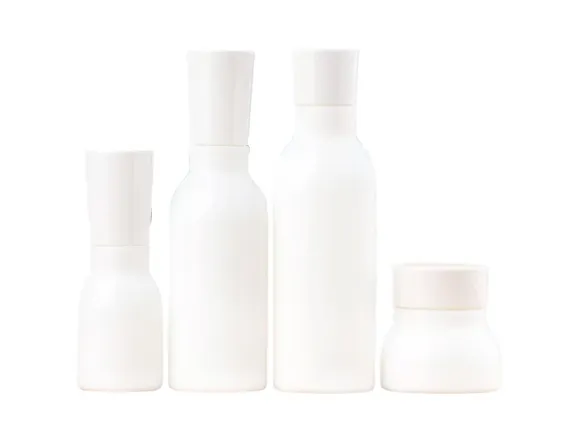
Step 4: Challenge the Relevant Orientations
Define upright, side or inverted exposure, time and temperature from the actual storage and distribution plan. A useful essential oil bottle leakage test records where product first appears: neck, thread, insert, bulb, roller housing, bottle wall or secondary pack.
Step 5: Add Handling and Packed-Transit Checks
Evaluate the closure, bottle and carton together under justified handling conditions. PauPack's services can coordinate samples, assembly and packing references, but test severity and release criteria must match the brand's market and logistics route.
Step 6: Open the Failure and Close the Record
Photograph the first evidence, isolate the suspected interface and compare with controls. Record disposition, corrective action, retest identity and change triggers. Do not solve every leak by increasing application force; that can mask dimensional or compatibility problems and create a new user issue.
PauPack's design support, beauty packaging range and oil bottle sourcing guide connect the investigation to the released pack. PauPack closes an essential oil bottle leakage test only after the failure address and evidence are documented.
Frequently Asked Questions
Can water be used for a leakage trial?
It may support early setup, but final conditions should represent the intended formula or a justified substitute approved by the product owner.
Should every sample be inverted?
Use orientations justified by filling, storage, transport and consumer use rather than applying one universal condition.
Does more application force fix a leak?
Not necessarily. Investigate dimensions, sealing surfaces, component match, compatibility and application before changing settings.
What should the final record include?
Include sample identities, setup, conditions, first leak location, images, controls, disposition, corrective action and retest result.