

PauPack separates a child-resistant closure concept from a verified finished package. The product owner must define the market, protocol, product and test responsibilities before commercial release.
Follow six buyer checks when evaluating child resistant glass jars.
Check 1: Define Product and Market Requirements
Record the intended contents, market, capacity, opening method, storage and applicable requirements. Obtain qualified regulatory and testing guidance for the target market.
PauPack's pharmacy and apothecary packaging provides structural starting points.
Check 2: Identify the Complete Package
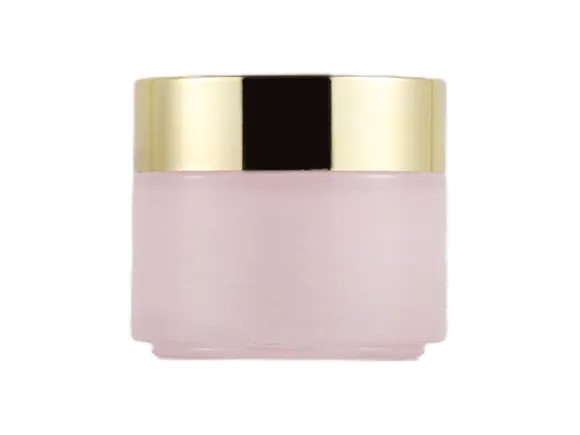
List the jar, finish, closure, liner, seal, insert, label and carton. Child-resistant performance relates to the defined package, not the jar alone.
Check 3: Review Closure Application
Document torque or application settings, liner placement, opening instructions and reclosure sequence. Use controlled production-style components.
Check 4: Plan Package Testing
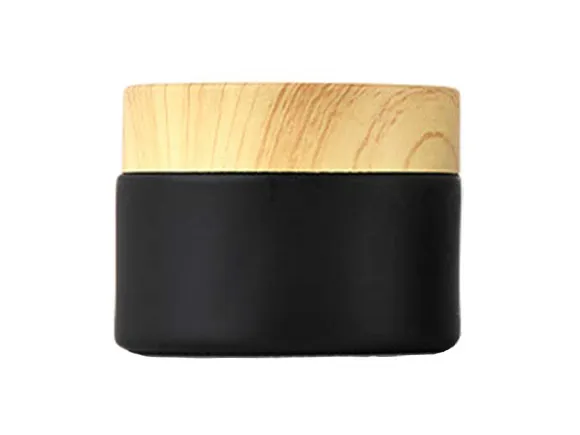
The product owner should select qualified testing based on the intended market and package. Keep sample identity, component lots and reports with the release file.
| Buyer check | Required record |
|---|---|
| Requirements | Market and product brief |
| Package | Complete component BOM |
| Application | Controlled assembly settings |
| Testing | Qualified report and sample identity |
| Production | Inspection and change control |
| Communication | Label and instruction approval |
Check 5: Control Production and Changes
Define incoming checks, closure application verification, lot traceability, nonconformance handling and change notification. A component change may require re-evaluation.
PauPack's quality management supports inspection and traceability discussions.
Check 6: Review Labels and Consumer Use

Confirm opening instructions, warnings, label placement and carton communication with qualified advisers. Avoid implying that packaging replaces responsible product handling.
PauPack's services, design service and pharmaceutical bottle sample testing guide support development records.
Build the Approval Dossier
Store the component BOM, drawings, samples, application settings, reports, labels, inspection criteria and change-control route together.
Review PauPack's broader product portfolio when the jar must coordinate with other bottles or closures.
Properly managed child resistant glass jars require defined ownership and qualified evidence. PauPack helps buyers coordinate child resistant glass jars as complete packages while the product owner retains responsibility for compliance and release decisions.
Frequently Asked Questions
Is a glass jar itself child resistant?
No. Child-resistant performance relates to a defined jar-and-closure package evaluated under applicable requirements.
Who selects the testing protocol?
The product owner should obtain qualified guidance and select testing appropriate to the intended market and package.
Can a closure change affect the approval?
Yes. Changes to the closure, liner, finish or application process may require review or re-evaluation.
What belongs in the approval dossier?
Include the BOM, drawings, sample identity, assembly settings, reports, labels, inspection criteria and change records.