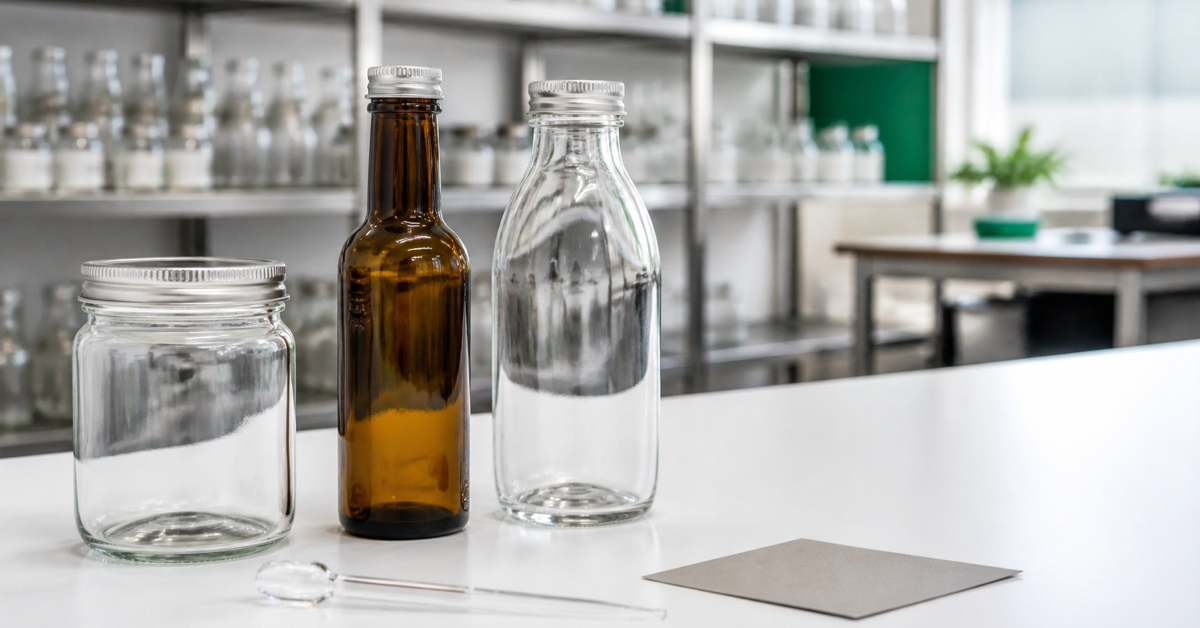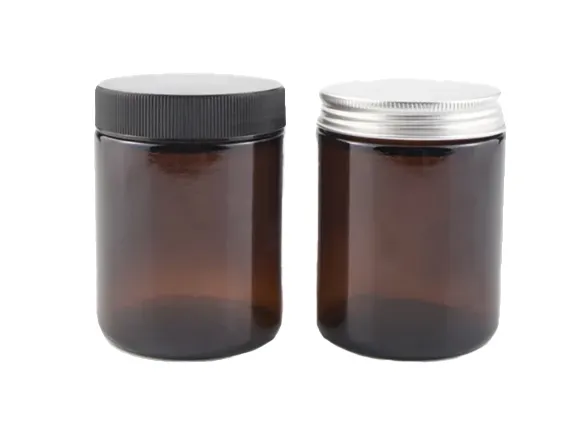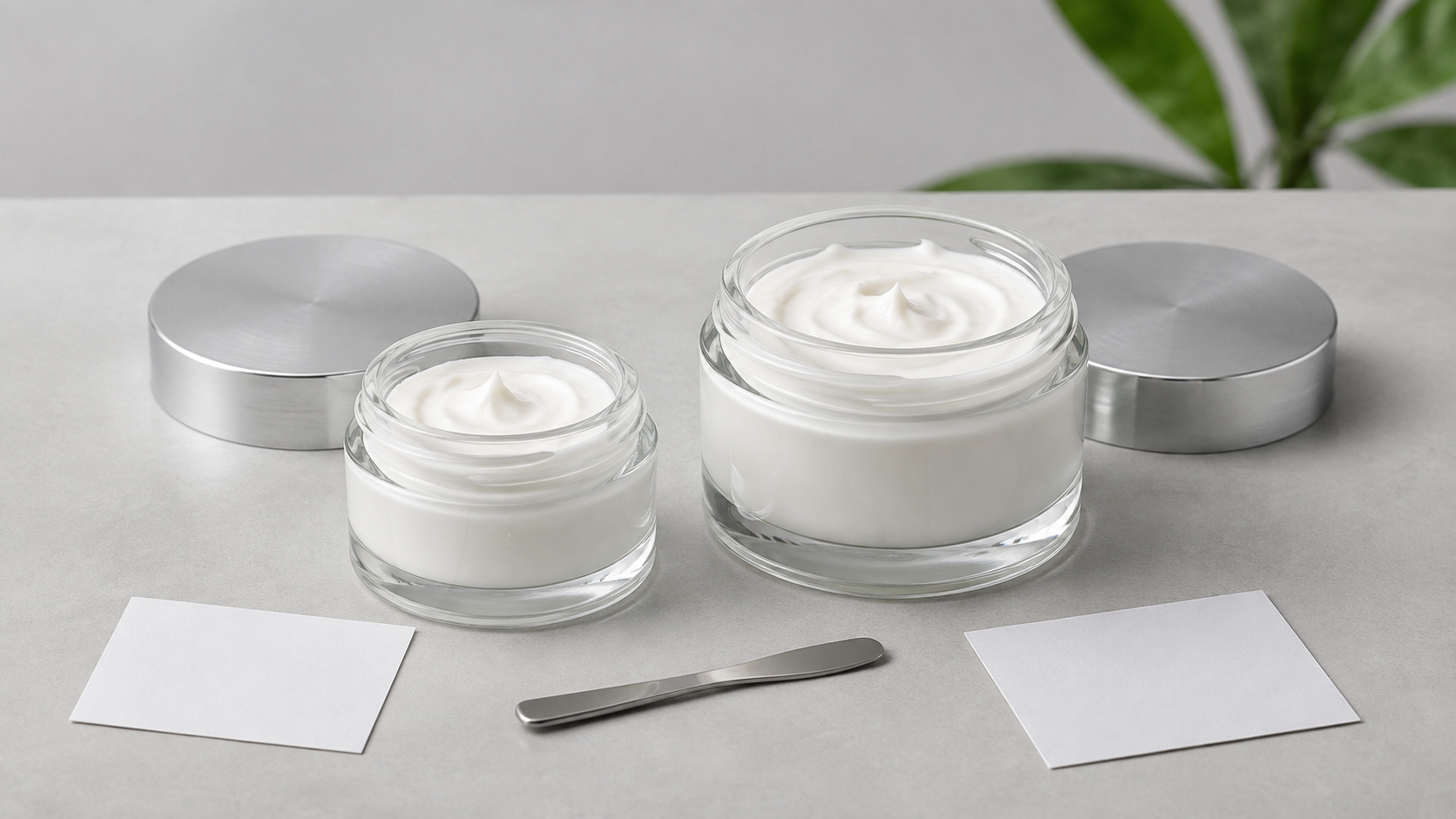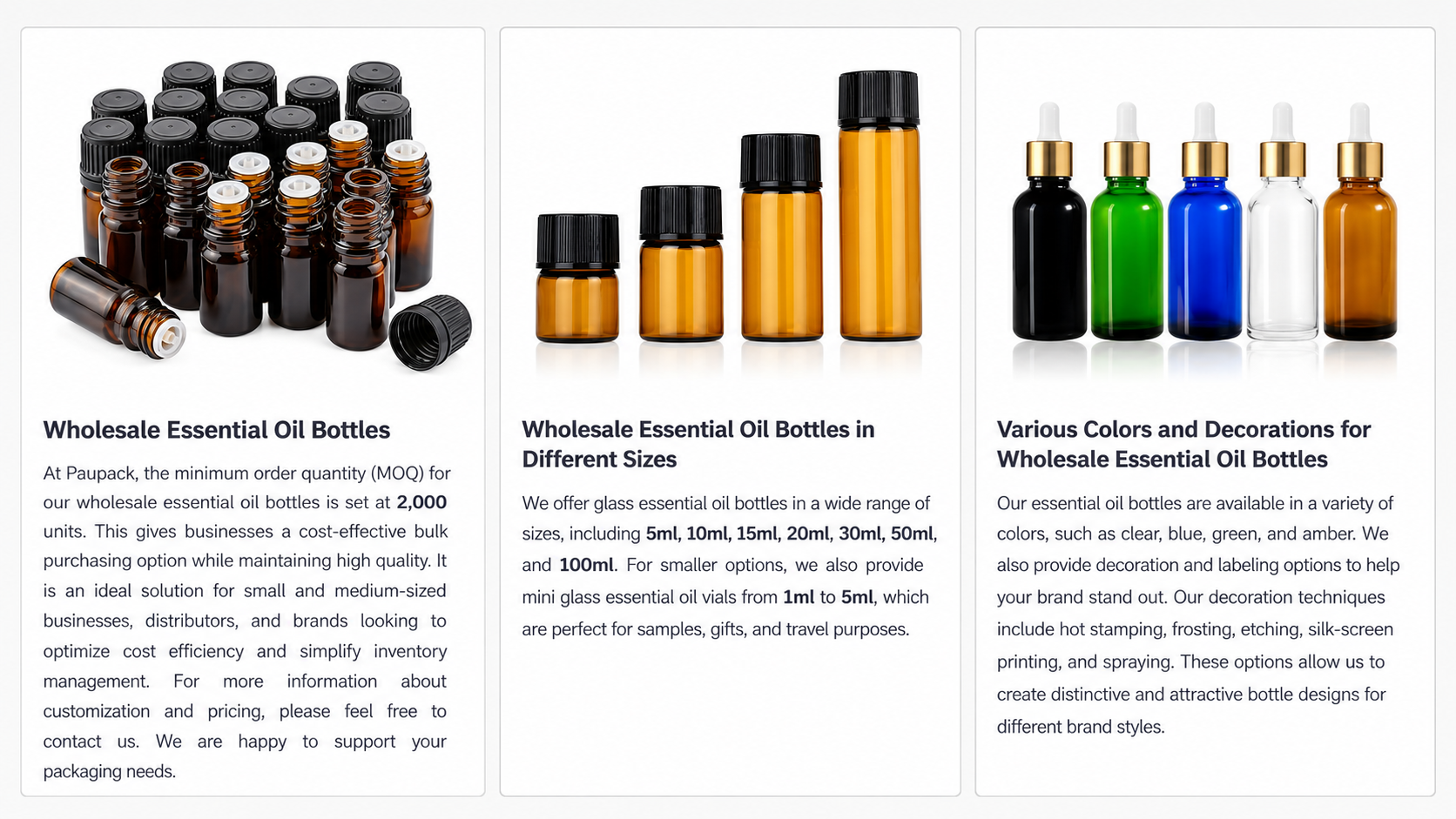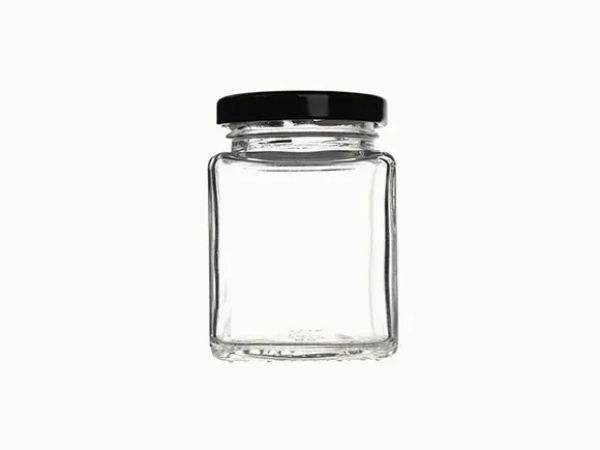


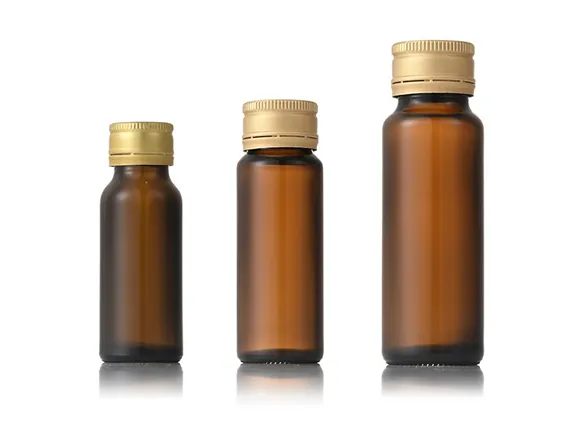
Pharmaceutical packaging samples should be released against product-owner requirements, not a generic pass label. Bottle identity, dimensions, closure, filling-line fit, labeling and distribution evidence all need traceable records.
Organize pharmaceutical bottle sample testing into an eight-check risk dossier.
Check 1: Define the Intended Use
Record dosage form, nominal fill, market, handling, closure concept, storage and filling process. The pharmaceutical product owner should define applicable regulatory, compatibility and performance requirements.
Check 2: Verify Sample Identity
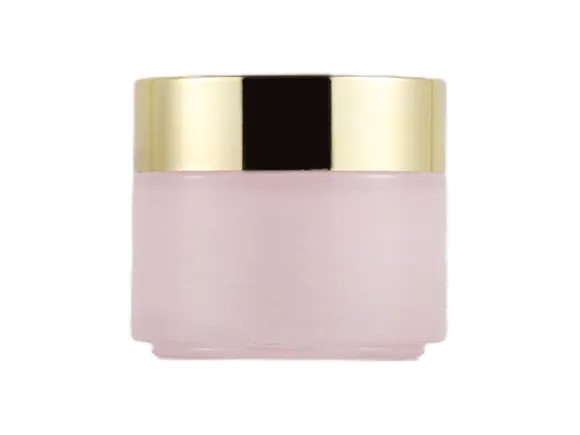
Capture bottle drawing, material or glass specification, finish, supplier lot, closure, liner, dropper or dosing component and sample quantity. Keep unidentified pieces out of the approval set.
PauPack's pharmacy and apothecary packaging provides format starting points.
Check 3: Inspect Dimensions and Appearance
Measure critical dimensions defined on the drawing and inspect the agreed appearance criteria. Separate functional nonconformance from cosmetic observations so disposition remains clear.
Check 4: Assemble the Closure System
Fit the intended cap, liner, seal or dosing component using the planned application method. Record torque or installation settings and evaluate opening, reclosure and tamper features as required by the product owner.
| Risk record | Evidence |
|---|---|
| Identity | Drawing, lot and component codes |
| Function | Closure and filling-line observations |
| Presentation | Label, code and packed sample |
| Release | Decision, owner and retained reference |
Check 5: Confirm Filling-Line Compatibility
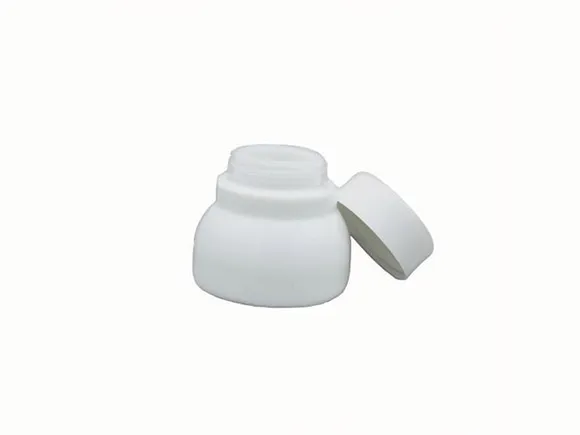
Review bottle stability, conveyor handling, nozzle clearance, fill level, closure application, labeling and coding on the intended equipment. A line trial should use controlled production-style samples.
Check 6: Apply Labeling and Coding
Test label panels, artwork, variable data and readability on the actual bottle. Confirm that closures, cartons and handling do not obscure or damage required information.
Check 7: Evaluate the Distribution Pack
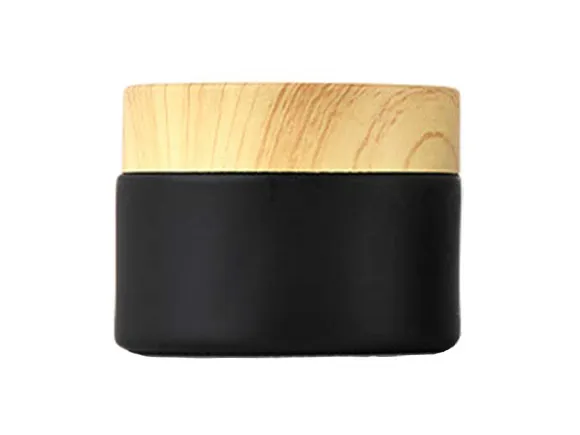
Pack assembled bottles with the intended dividers, cartons and pallet configuration. Define transport and storage checks from the product's distribution risk assessment.
PauPack's quality management, services and medicine syrup bottle range support packaging review.
Check 8: Release the Dossier
Record results, deviations, corrective actions, decision owner and retained samples. Freeze drawings, component codes, test methods and acceptance criteria before purchase release.
The packaging quality control checklist and PauPack's design service can support the documentation structure.
Good pharmaceutical bottle sample testing links each result to an intended use and accountable owner. Keep the approved pharmaceutical bottle sample testing dossier with production and reorder specifications.
Frequently Asked Questions
Who defines pharmaceutical bottle acceptance criteria?
The pharmaceutical product owner should define applicable regulatory, compatibility, performance and release requirements.
Should closures be included in sample testing?
Yes. Evaluate the bottle and intended closure, liner, seal or dosing component as one system.
Why run filling-line trials?
Trials help reveal stability, nozzle, closure application, labeling, coding and handling issues before purchase release.
What belongs in the final dossier?
Include identities, drawings, methods, results, deviations, decisions, component codes and retained samples.