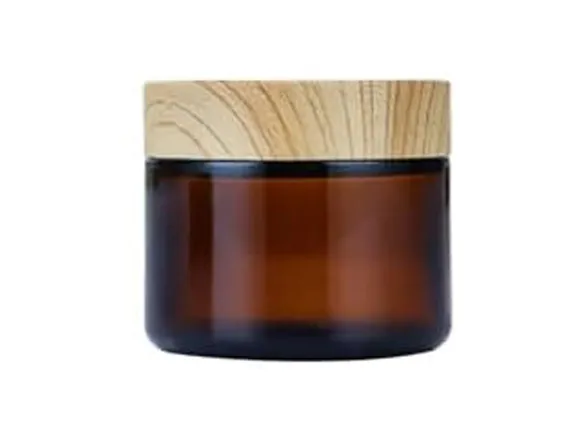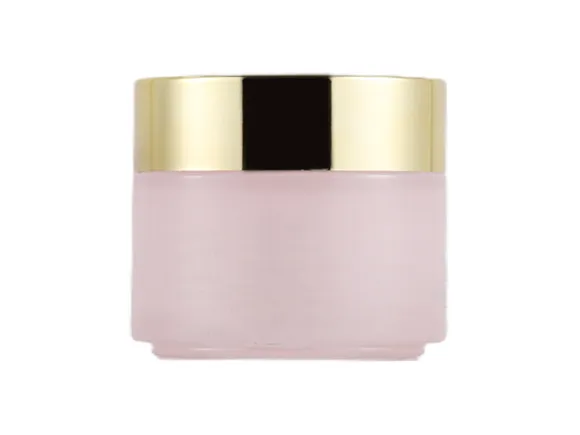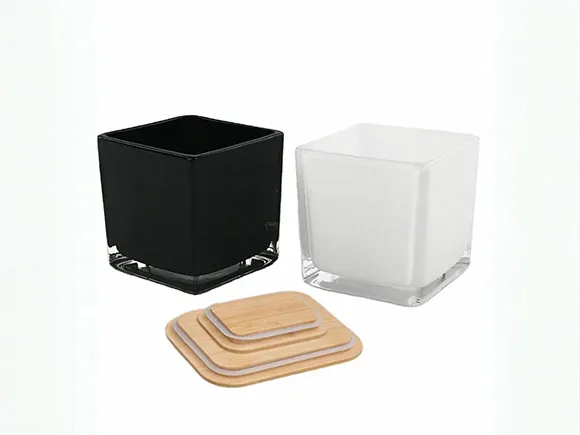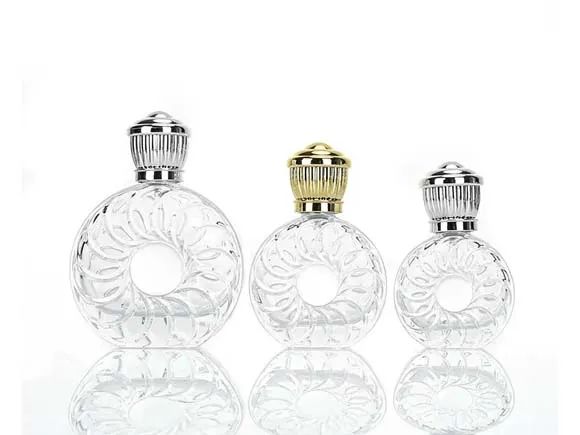


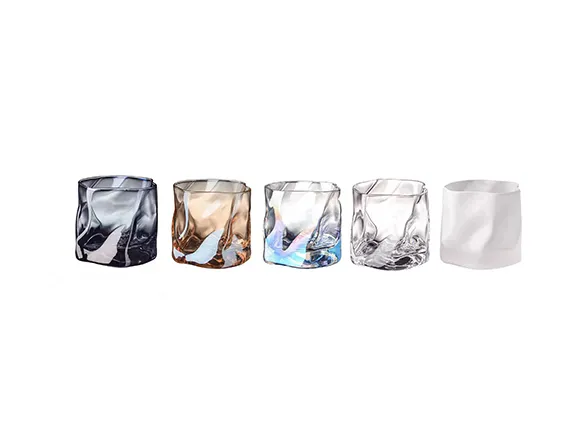
A lid can appear to fit a candle jar while still rubbing the rim, rocking, sitting too high or creating marks during shipping. Compatibility must be defined through dimensions, contact points, material behavior and the finished candle system.
Use this candle jar lid compatibility matrix before approving wood, metal, glass or other lid styles.
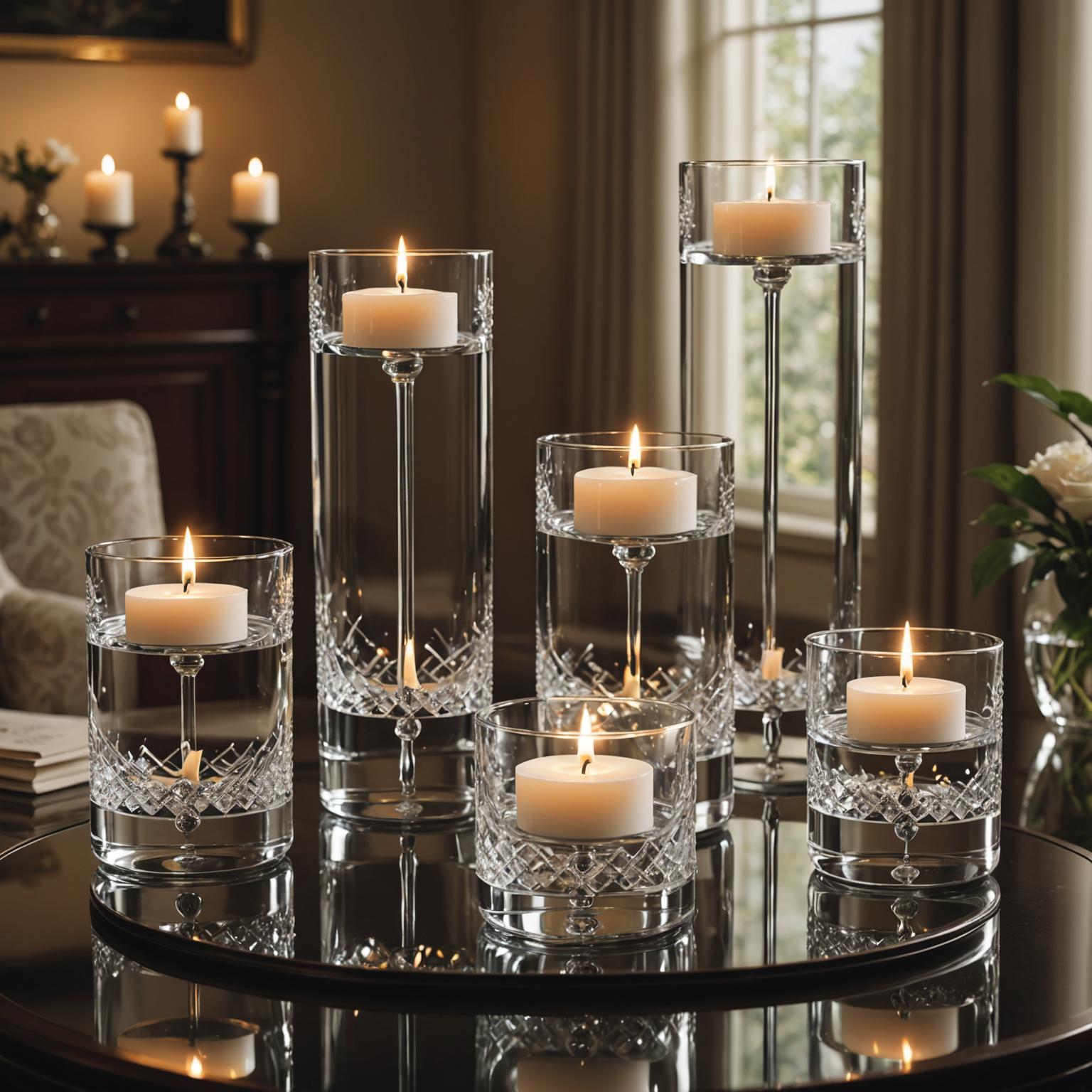
The Four-Interface Matrix
| Interface | Main question | Approval evidence |
|---|---|---|
| Lid to rim | Does it sit consistently? | Installed samples from several units |
| Lid to insert | Does the liner or fit element stay positioned? | Repeated opening trial |
| Lid to finish | Does contact mark the decorated jar? | Packed decorated sample |
| Lid to carton | Is there enough clearance and protection? | Complete pack trial |
PauPack's candle jar range can be used to compare vessel and closure concepts.
Measure More Than Diameter
Record rim outside diameter, inside opening, top flatness, lid recess, liner dimensions, installed height and relevant tolerances. Use drawings and physical samples together.
One measured jar is not a production tolerance. Review several units and ask how the proposed lid accommodates normal variation.
Compatibility Route A: Wood-Style Lids
Wood or bamboo-style lids can create a warm visual signal. Confirm grain and color expectations, insert or sealing construction, contact points and protection from rubbing or moisture during the intended supply chain.
Approve a realistic appearance range because natural-looking materials and finishes can vary.
Compatibility Route B: Metal Lids
Metal lids can support a clean profile and multiple finishes. Review edge construction, coating or plating consistency, dent risk, liner fit and carton contact. A reflective finish may reveal marks that are less visible on a matte sample.
Compatibility Route C: Glass or Heavy Decorative Lids
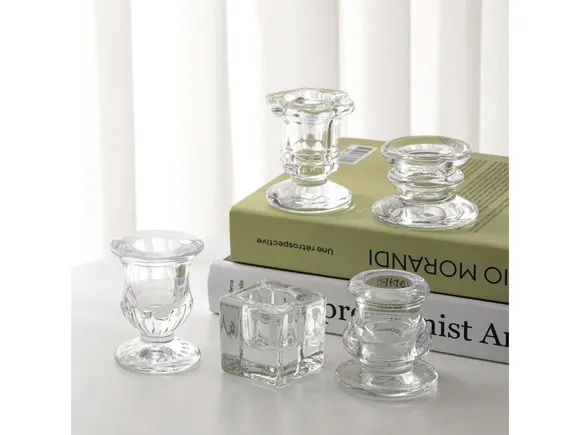
Heavier lids affect total pack weight and drop behavior. Check stability, lift-off experience, glass contact, carton insert support and how the consumer sets the lid down during use.
Run a Rotation and Rocking Check
Documenting candle jar lid compatibility as a paired component approval helps purchasing teams prevent unreviewed substitutions during reorders.
Place the lid on several jars, rotate it through normal handling and check whether it rocks or shifts. Observe the gap around the full rim rather than only the front view.
Record conditional results. A lid may be visually acceptable but require a different insert, rim tolerance or carton clearance before release.
Test the Decorated Surface
Use production-style coating, frosting, printing or labels. Open and close the lid repeatedly, then inspect the rim and principal display area for marks.
PauPack's frosted candle jars wholesale guide explains how to approve surface appearance and acceptable variation.
Add the Finished Candle to the Review
The candle maker should validate the intended vessel, wax, fragrance, wick, fill and instructions as a complete product system. Lid fit does not replace candle performance testing.
Observe whether the lid is used only before first burn, between uses or as part of gifting. The intended use affects liner, finish and communication decisions.
Pack the Lid Where It Will Ship
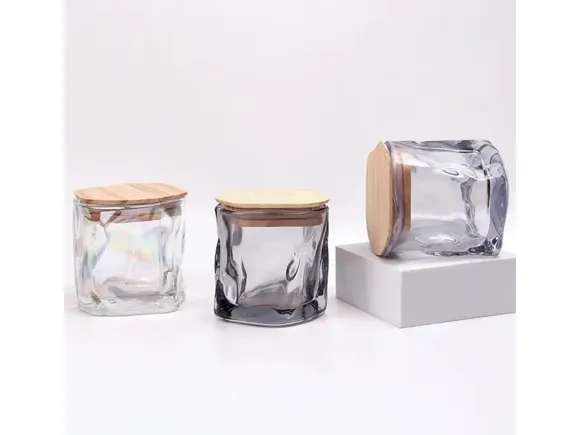
Test whether the lid ships installed, separately wrapped or protected by an insert. Check vertical clearance, movement, abrasion, denting and glass-to-glass contact.
For e-commerce, include the actual secondary packaging. For wholesale cartons, confirm dividers and stacking. PauPack's quality management and services can support inspection and packing requirements.
Create an Approval Card
The card should include jar code, lid code, insert or liner, color, installed height, accepted sample, cosmetic tolerance, packing method and date. Photograph the side gap and retain physical samples.
Prevent Reorder Substitution
A visually similar lid is not automatically interchangeable. Put supplier codes and critical dimensions on the bill of materials, and require approval before any material, insert or finish substitution.
Review the retained pair at each reorder and compare the current production sample with the original side gap, installed height and surface-contact record. If the jar finish changes, repeat the contact and carton-clearance checks even when the structural jar code remains the same.
PauPack's candle jar sample testing guide provides a broader vessel-testing workflow, while the luxury candle jars bulk guide connects lid choices to collection architecture and premium pack-out.
Write the RFQ as a Paired System
Provide jar model, rim dimensions, lid style, material, insert, finish, quantity, decoration, packing and destination. Ask the supplier to quote the jar and lid as an approved pair.
Reliable candle jar lid compatibility comes from controlled interfaces and retained samples, not from a lid being described as suitable for a nominal jar size.
Frequently Asked Questions
Can candle lids be selected by jar diameter alone?
No. Rim shape, tolerance, lid recess, insert, installed height and contact points also matter.
Do wood lids need a liner or insert?
The required construction depends on the lid design, intended use and project specification. Review the proposed assembly physically.
Should lid fit be tested on decorated jars?
Yes. Coatings and contact points can change visible marking and packing performance.
What should be retained after approval?
Keep the accepted jar, lid, insert, decorated sample, packed sample, drawings and approval record.