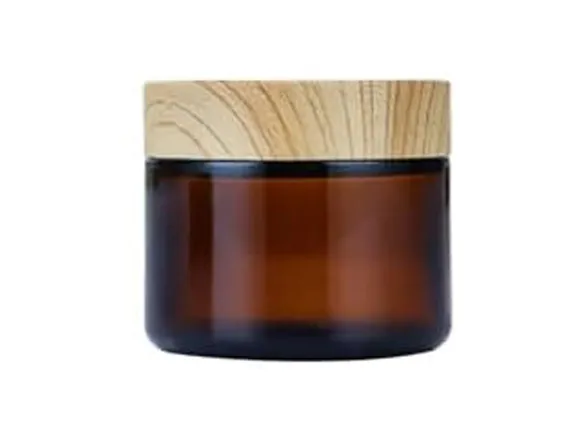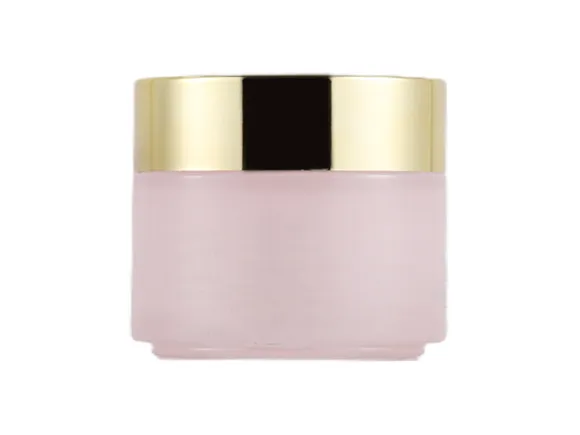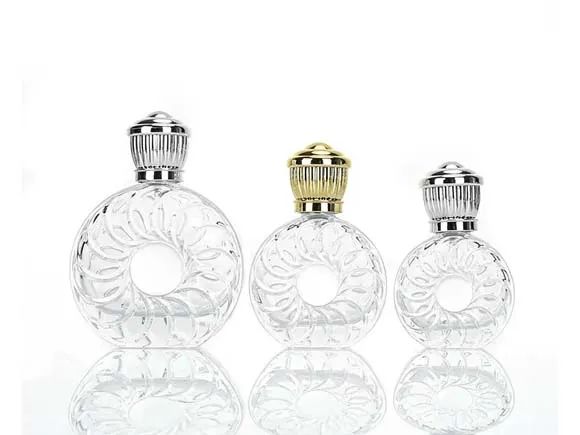


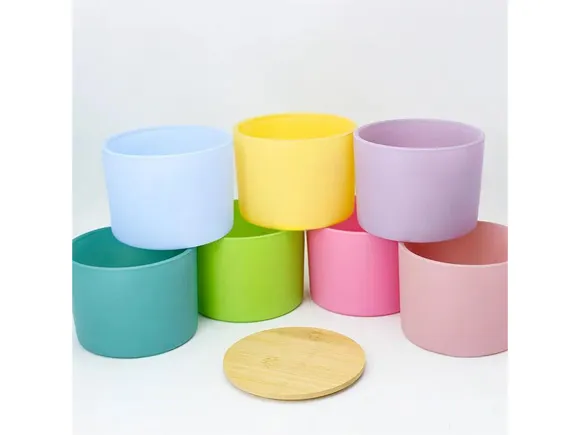
Frosted candle packaging can look soft, architectural or colorful, but the word "frosted" does not describe one production method or one quality standard. Buyers need to confirm the base glass, applied finish, decoration and acceptable variation on physical samples.
When sourcing frosted candle jars wholesale, treat sampling like a finish laboratory. Compare controlled samples under the same conditions before selecting the production reference.
Build a Finish Sample Board
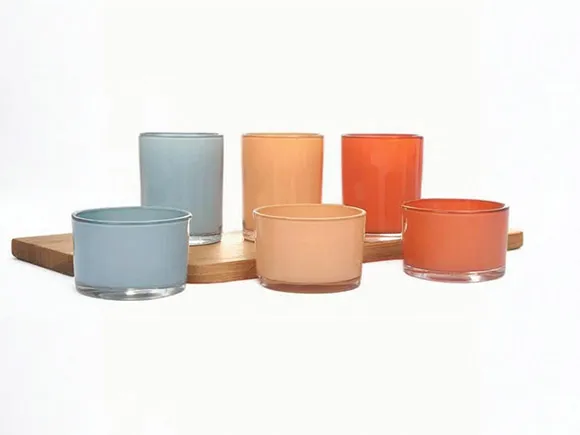
Request samples that isolate the variables:
- Clear base glass
- Frosted or matte appearance without additional artwork
- Selected color or coating
- Printed logo or label
- Lid installed
- Retail carton or divider contact
Label every sample with the supplier reference and date. A loose group of unlabeled jars is not an approval system.
PauPack's candle jar range can be used to compare vessel forms before the finish board is created.
Test the Finish Under Five Viewing Conditions
Use the same viewing routine for each sample:
- Neutral daylight or consistent white light
- Warm retail-style light
- Side light that reveals surface variation
- Filled view with the intended wax color
- Grouped shelf view beside the other SKUs
A jar that looks uniform in a front photograph may show coverage differences around the base or rim when rotated.
Define the Brand Role of the Frosted Surface
The finish should solve a design problem.
| Brand goal | Finish role | Supporting choice |
|---|---|---|
| Quiet premium line | Reduce visual noise | Restrained print and simple lid |
| Color-led seasonal range | Carry the collection palette | Shared jar with controlled color changes |
| Apothecary-inspired line | Soften glass while preserving form | Minimal label and darker closure |
| Gift collection | Create tactile presentation | Protective carton and refined reveal |
Avoid adding strong color, a large metallic logo, an elaborate lid and a complex carton without a hierarchy. Select one dominant signal.
Separate Base Glass, Frosting and Color
Ask the supplier to identify which appearance comes from the base glass and which comes from an applied process. This matters for color matching, coverage, decoration and handling.
Review:
- Coverage at the rim, base and vertical surfaces
- Color difference between samples
- Marks from handling or packing
- Interaction with labels and printing
- Visibility of the wax and flame
- Repeatability expected in bulk production
Approve a physical range when exact uniformity is not technically realistic.
Place Artwork on the Real Frosted Jar
Frosted surfaces change contrast. Thin type, light ink and small details may read differently from a digital mockup.
Test artwork at final size and position. Rotate the jar, view it from shelf distance and inspect it after normal handling.
PauPack's design service can help connect printable area, finish and artwork hierarchy.
Test the Complete Candle System
The product owner should validate the intended wax, fragrance, wick, fill, vessel and instructions as one candle system. Finish approval does not replace candle performance testing.
Use the PauPack candle jar sample testing guide to organize empty-vessel, finished-candle, decoration and packing checks.
Observe the appearance before and after relevant product-use and handling trials. Record changes rather than relying on memory.
Check Lid and Finish Contact Points
The lid can rub the rim, cover part of the decoration or create a strong color contrast. Approve the lid on the finished jar.
Confirm:
- Fit and retention
- Liner position where applicable
- Contact marks around the rim
- Finish consistency between jar and lid
- Installed height and carton clearance
- Protection during shipping
Design Packing Around Surface Protection
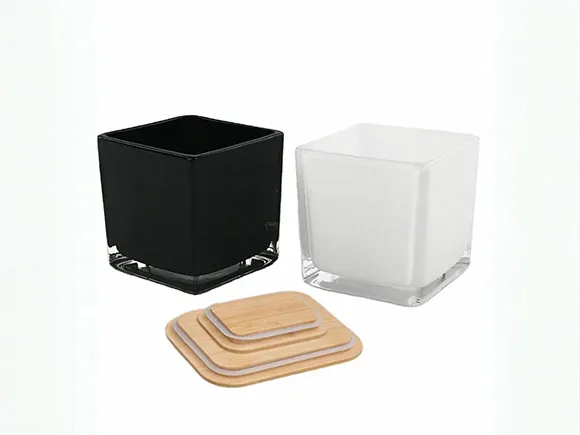
Applied finishes may show abrasion where jars contact dividers, lids or cartons. Use the decorated production-style jar during packing trials.
Check glass-to-glass separation, divider fit, carton movement and handling marks. PauPack's quality management and services pages can support acceptance and packing requirements.
Build the Wholesale Quantity Plan
For frosted candle jars wholesale, list quantities by finish and artwork rather than only total jars.
| Item | Quantity basis |
|---|---|
| Base jar | Total units using the same vessel |
| Frosted or matte finish | Units per approved process or color |
| Lid | Units per material and finish |
| Print or label | Units per fragrance artwork |
| Retail carton | Units per SKU and market version |
| Export packing | Units per jar and carton format |
This reveals which seasonal variations create leftover components.
Create a Finish Approval Record
Keep photographs, but retain physical samples too. Record viewing conditions, color reference, artwork position, acceptable variation, packing method and inspection points.
Write a Batch Tolerance Card
A master sample is useful, but a production lot still needs a practical acceptance range. Build a one-page tolerance card that distinguishes critical defects from acceptable visual variation.
For each inspection point, show:
- The viewing distance and lighting condition
- The area of the jar being evaluated
- An approved example and a rejected example
- The maximum frequency allowed in the sampling plan
- The person responsible for disposition when the result is unclear
Separate functional concerns, such as cracks or unstable bases, from cosmetic concerns, such as minor shade movement. Then rank cosmetic issues by location. A mark on the principal display panel may matter more than a comparable mark hidden by a full-wrap label or carton insert.
Use the card during the pre-production review, incoming inspection and reorder comparison. If a seasonal color is intentionally changed, issue a new reference rather than silently replacing the old one. PauPack's luxury candle jars bulk guide offers additional context for matching finish expectations to premium positioning and pack-out decisions.
This record turns subjective comments such as "more even" or "slightly warmer" into a decision the supplier and buyer can repeat.
The most reliable frosted candle jars wholesale project turns an aesthetic preference into measurable samples, a protected packing method and a reorder standard.
Frequently Asked Questions
What should be checked on a frosted candle jar sample?
Check finish coverage, color, surface marks, artwork contrast, lid contact, candle-system response and packing protection.
Can frosted candle jar color be approved from a screen?
No. Use physical samples under consistent lighting and record the accepted reference or range.
Should decoration be tested after candle trials?
Yes. Review the jar before and after relevant heat, handling, storage and product-use tests.
What changes the MOQ for frosted candle jars?
MOQ can change by vessel, finish, color, lid, artwork, carton and any custom component or tooling requirement.