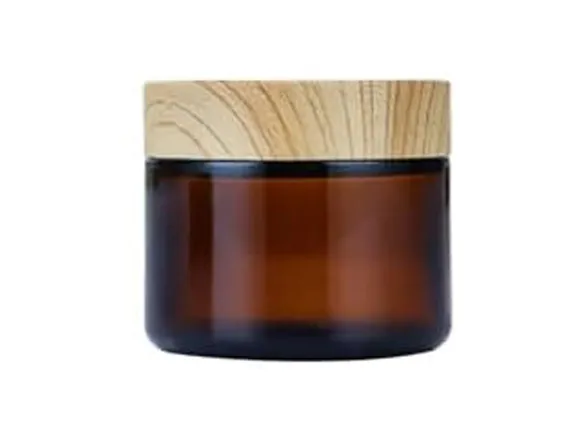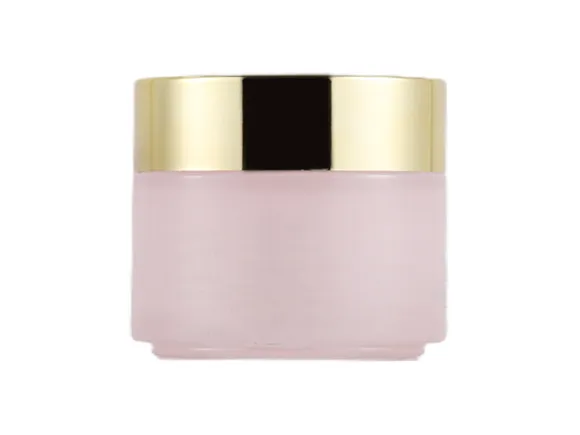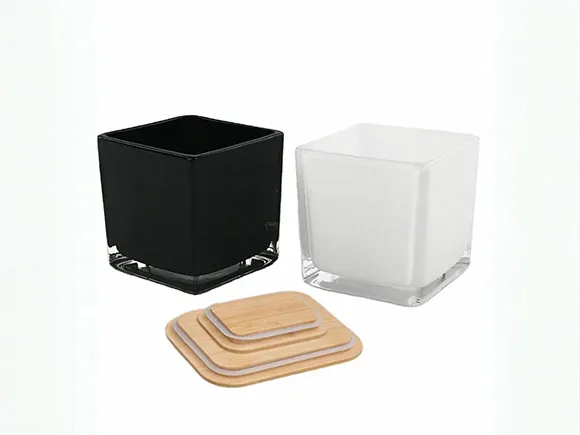


Premium candle packaging is not created by adding a heavy lid and a metallic logo to any vessel. The jar, wax color, label, lid, carton and retail context must read as one collection. Bulk sourcing becomes easier when the brand defines that collection architecture before requesting samples.
For buyers evaluating luxury candle jars bulk, a useful brief separates permanent identity from seasonal variation. The permanent elements build recognition; the seasonal elements create freshness without forcing the brand to develop a completely new package for every launch.
Build the Collection Around Three Packaging Roles
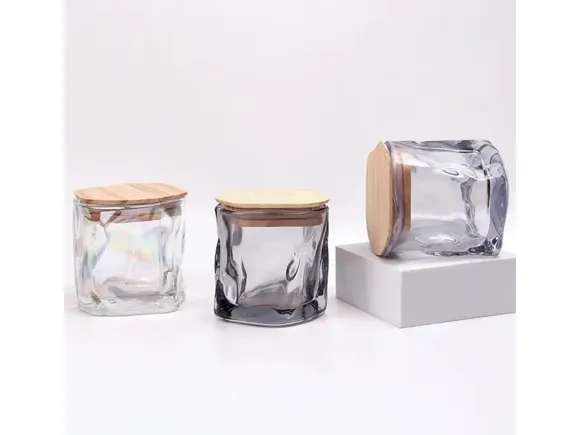
Most home-fragrance ranges can be organized around three roles.
Signature Jar
The signature jar carries the long-term brand identity. It should support the permanent fragrance line and remain available for reorders.
Priorities include stable proportions, a reliable lid system, repeatable decoration and cartons that can be adapted across fragrances.
Seasonal Jar
The seasonal jar creates visual change for limited collections. It may use the same base vessel with a different coating, print, label, sleeve or lid finish.
Keeping the base structure stable reduces development work and makes packing more consistent.
Discovery or Gift Format
A smaller jar or multi-jar set introduces the fragrance range. It needs readable artwork, controlled proportions and an insert that protects each unit.
The discovery format should look related to the signature jar rather than like unrelated promotional packaging.
PauPack's candle jar collection can be used to compare forms, capacities, colors and lid options for these three roles.
Create a Visual Hierarchy for the Jar
Use a hierarchy instead of asking every component to look premium.
| Layer | Brand question | Typical decision |
|---|---|---|
| Vessel form | What should be recognizable at shelf distance? | Cylinder, tumbler, apothecary, faceted or sculptural profile |
| Glass and color | How should the wax and flame interact with the package? | Clear, amber, opaque, coated, frosted or colored glass |
| Lid | What should the opening experience communicate? | Metal, wood-look, glass or molded closure |
| Decoration | Which information must stay readable? | Label, screen print, hot stamp, coating or combined finish |
| Carton | Is the product sold as decor, gift or daily ritual? | Folding carton, sleeve, rigid box or protective set |
The best result usually has one dominant signal and several supporting details. A distinctive color may need a quieter lid. A sculptural jar may need restrained artwork.
Compare Glass Color and Surface Finish Separately
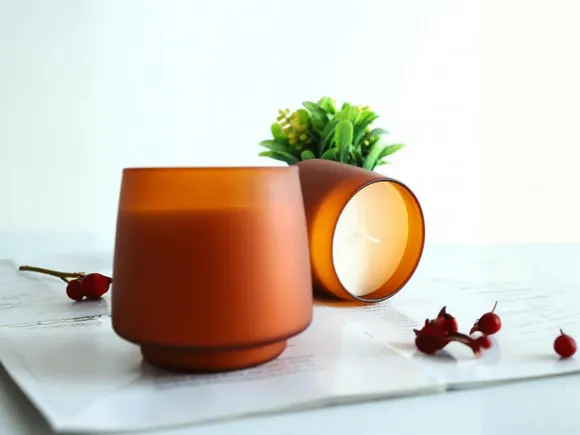
Glass color, sprayed coating, frosting and opaque finishes create different production and handling considerations. Ask the supplier to identify the base glass and the applied finish.
Review samples for:
- Color consistency under the same lighting
- Coverage around the base, shoulder and rim
- Surface marks visible after filling
- Label or print adhesion on the selected finish
- Scuffing where jars contact dividers or cartons
- Appearance before and after relevant candle-system testing
Approve the actual production combination. A color chip or digital rendering does not show how the finish behaves on the jar geometry.
Treat the Candle System as the Functional Product
The brand is responsible for validating the complete candle system with its intended wax, fragrance, wick, fill, curing method, vessel and instructions. An empty jar inspection cannot predict finished-candle performance.
Use PauPack's candle jar sample testing guide to organize dimensional, finished-system, decoration and packing checks.
For sourcing purposes, confirm:
- Usable capacity and intended fill weight
- Internal diameter and dimensional variation relevant to the candle design
- Rim and base condition
- Lid fit before and after use-related tests
- Decoration response to handling and relevant heat exposure
- Carton protection for the finished product
Design the Lid as Part of the Collection
The lid affects proportion, sound, hand feel, storage and carton height. It can also become the most visually dominant component.
Before choosing a lid, check:
- Fit on the production jar, not only a design sample.
- Liner or insert position where applicable.
- Retention during handling and packing.
- Surface durability around contact points.
- Color and finish consistency with other components.
- Carton dimensions with the lid installed.
If several jar capacities share one visual language, confirm whether the lid can be standardized or whether each capacity needs a separate closure.
Use Decoration to Organize the Fragrance Range
The decoration system should help customers distinguish fragrances without making every SKU a separate production project.
Options include:
- One jar color with different labels
- One print layout with controlled ink changes
- One permanent logo plus seasonal sleeves
- Shared carton structure with fragrance-specific artwork
- A limited palette of approved coatings across the collection
PauPack's custom design service can support artwork positioning, finish planning and packaging-family development.
Build a Bulk Quantity Map by Component
For luxury candle jars bulk, create a quantity map before requesting the final quotation.
| Component | Shared across SKUs? | Quantity decision |
|---|---|---|
| Base jar | Often | Total units across compatible fragrances |
| Coating or color | Sometimes | Units per approved finish |
| Lid | Often | Total units per material and finish |
| Label or print | Usually SKU-specific | Units per fragrance artwork |
| Carton | Usually SKU-specific | Units per fragrance and market version |
| Export packing | Often | Units per jar and carton format |
This prevents the brand from assuming that one total order quantity applies to every decoration and carton variation.
Approve Cartons and Dividers with the Finished Jar
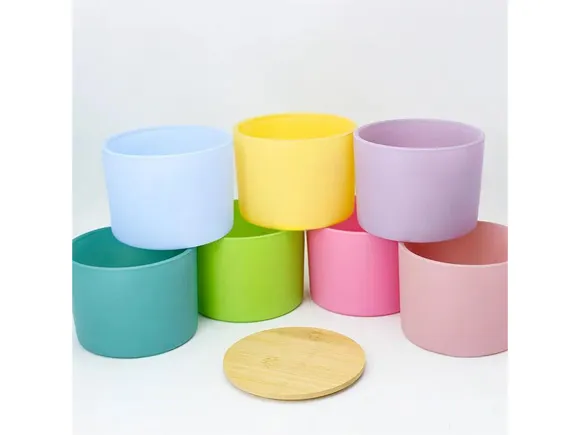
Premium presentation is weakened by scuffed coatings, loose lids or cartons that allow glass-to-glass contact. Packing development should use the decorated jar with the lid installed.
Check:
- Divider and insert fit
- Movement inside the retail carton
- Contact points on coated surfaces
- Carton compression and handling expectations
- Orientation and identification on export cartons
- Protection for e-commerce or distributor shipping routes
Connect the approved pack-out to PauPack's quality management and services discussions.
When material weight, reuse concepts or finish choices are part of the brand brief, review PauPack's sustainability approach as a separate decision layer rather than a decorative claim.
Keep a Luxury Packaging Risk Ledger
Use a one-page risk ledger during development.
| Risk | Early control |
|---|---|
| Finish variation | Approve a physical range and viewing conditions |
| Lid mismatch | Approve lid and production jar together |
| Decoration scuffing | Test handling, dividers and carton contact points |
| Fragmented MOQ | Standardize base components across SKUs |
| Seasonal excess stock | Use sleeves, labels or cartons for limited variation |
| Reorder inconsistency | Retain approved samples and specifications |
The ledger keeps aesthetic decisions connected to production and inventory consequences.
Final Sourcing Recommendation
Select the collection architecture first, then approve the vessel, lid, decoration and packing as one system. Standardize permanent components and reserve seasonal change for controlled visual layers.
The strongest luxury candle jars bulk program creates a recognizable family without forcing every fragrance into a separate component supply chain.
Frequently Asked Questions
What makes a candle jar feel luxurious?
Luxury usually comes from coherent proportions, controlled glass or coating, a well-fitted lid, disciplined decoration and protective presentation packaging.
Should luxury candle jars use custom molds?
Not always. Stock vessels can be differentiated through coatings, printing, labels, lids and cartons. Custom molds are useful when structural recognition is central to the brand.
What should be tested before ordering candle jars in bulk?
Inspect the empty vessel and test the complete candle system, decoration, lid, retail carton and export packing under conditions relevant to the product.
How can several candle fragrances share one packaging system?
Use one jar family, lid structure and carton format, then create SKU differences through controlled labels, printing, sleeves or colors.