

A candle jar quality checklist works best as a traffic-light decision tool. Green means the identified vessel and filled candle meet the agreed checks. Yellow means an owner, question or minor issue remains before release. Red means the lot or configuration is held. PauPack uses this structure to connect glass, wax, wick, decoration, packing and customer use without pretending that a clean empty jar proves a finished candle is ready.
Define the Candle Configuration
Record vessel code, glass family, finish, inner diameter, fill, wax, fragrance, wick, wick tab, label, lid, liner, case and intended burn route. A candle jar quality checklist should start with this identity block because a result for one wax and wick combination cannot automatically cover another. PauPack keeps the configuration visible on every sample and decision.
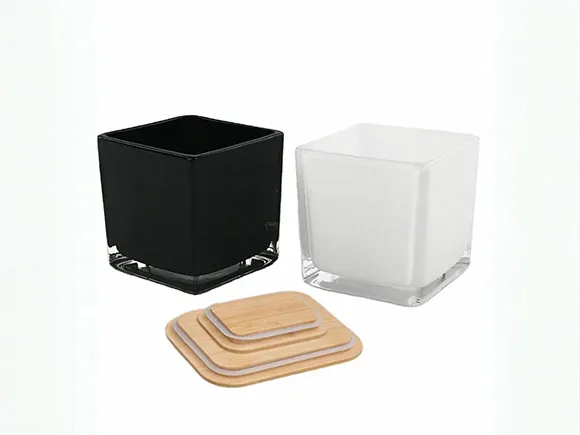
Green Gate: Identity and Glass
Check article code, drawing, lot, capacity, finish, base, wall, shoulder, rim, seams and visual cleanliness. Use suitable lighting and a defined viewing distance. Record critical, major and minor defects separately. PauPack treats the green identity gate as necessary but not sufficient: a vessel can look excellent and still require thermal or burn evidence.
Yellow Gate: Dimensions and Stability
Measure the dimensions that influence wick placement, label application, lid fit, case packing and shelf stability. Check base flatness and rocking on a level surface. Record tool, location, temperature and tolerance. A yellow mark should name the question, owner and due date rather than becoming a vague warning. PauPack makes the next decision explicit.
Red Gate: Thermal and Burn Evidence
Use the final wax, fragrance, wick and fill when possible. Qualified owners define burn duration, observation points, temperature method, cooling period and acceptance criteria. Observe glass, wax pool, flame behavior, wick, label, lid and surface. A red result is not a failure of the brand; it is a signal to hold the configuration until the cause is understood.
Traffic-Light Review Table
| Status | Typical evidence | Decision |
|---|---|---|
| Green | Identity, appearance and defined functional checks pass | Release within stated boundary |
| Yellow | Open question, minor deviation or incomplete record | Assign owner before release |
| Red | Crack, unstable base, containment issue or failed thermal result | Quarantine and investigate |
| Blue reference | Retained approved filled master | Compare future lots |
Inspect the Rim and Lid Together
Check rim chips, finish dimensions, lid engagement, liner contact, venting, soot marks and cooling behavior. A lid that fits an empty vessel may bind after a hot burn or leave a residue path. PauPack records the assembled condition and keeps the lid, liner and vessel codes paired in the candle jar quality checklist.
Protect the Label Story
Define the front panel, side panel, base and hidden zones. Review label adhesion, coating, print, color, registration and rub after filling, curing, handling and packing. Candle fragrance, oil and heat can change the surface environment. PauPack keeps a decorated filled reference under the same light and distance used for approval.
Check Wick Placement as a Packaging Interface
Wick centering, tab adhesion, diameter and wax fill can change heat distribution and customer perception. The packaging team does not own the burn claim, but it should preserve the exact vessel and component identity used in the technical test. PauPack links the filled sample to the product record so a new jar is not presented as the old burn result.
Inspect Case Protection
Open cases from top, middle and bottom pallet positions. Check divider fit, lid separation, glass contact, label rubbing and carton compression. A thermal pass can still become a red receiving event if the case allows movement or damage. PauPack records orientation and packing evidence alongside the vessel inspection.
Use a Reference and a Challenge Sample
Keep an approved filled master, an unexposed control and, where appropriate, a deliberately challenged sample. Label each with vessel, wax, wick, fragrance, lot, purpose and date. Controls help distinguish method drift from a component change. PauPack stores the control set with the candle jar quality checklist instead of relying on a loose photograph.
Write the Hold Instruction
State what receiving should quarantine: cracked glass, unstable base, wrong finish, decoration outside the display zone, lid mismatch, damaged divider or missing lot identity. Add sample quantity, lighting, escalation contact and release owner. A clear hold instruction prevents a busy dock from making a red issue invisible.
Manage Changes by Heat and Contact
List changes that reopen work: vessel source, glass composition, wall, finish, wax, fragrance, wick, fill, lid, liner, coating, label, carton or burn route. Assign the minimum evidence for each trigger. PauPack helps the team avoid copying a green result to a materially different configuration.
Turn Yellow Into an Action
A yellow status should carry an owner, question, evidence needed and due date. Examples include a label rub that needs a packed-route repeat, a lid that needs a cooling check or an incomplete lot record. PauPack keeps yellow visible until the decision is signed, so it cannot quietly age into accepted stock.
Close the File at Reorder
Retain vessel drawing, filled master, burn reference, lid, label, carton, inspection rules, deviations and change map. Link the candle jar range and quality process. Review the first order's defects, response time and packing performance before repeating the lot.
Ask PauPack for a Traffic-Light Review
Send wax, wick, fragrance, fill, vessel, lid, decoration, burn objective, forecast and markets. PauPack can build a candle jar quality checklist that separates green release evidence, yellow open actions, red quarantine triggers and the retained reference used for future orders.
Document the Test Boundary
Write the exact configuration beside every result: vessel code, glass lot, wax, fragrance, wick, fill weight, lid and burn route. Note room conditions, observation intervals, cooling time and the person who made the decision. A candle jar quality checklist should make it impossible to copy a green result from one formula to another without a technical review. PauPack keeps the approved filled master and the test notes together, so a reorder starts from evidence rather than memory.
Use the finished product when checking customer-facing risks. Review stability on the shelf, lid handling, soot or residue, label adhesion, carton protection and the condition of the vessel after the defined burn sequence. The U.S. Consumer Product Safety Commission's candle fire-safety guidance can supplement a brand's risk file, but it does not replace qualified testing for a specific wax, wick and vessel combination.
When a result is yellow, state the smallest next experiment that can close it. A label rub may need one packed-route repeat; a lid concern may need a cooling observation; a rocking base may need a dimensional check across the lot. Give each action an owner and due date, then keep the status visible until signed. This makes the candle jar quality checklist a working release tool instead of a report filed after the decision.
At reorder, compare defect trends, breakage, case movement, burn observations and response time with the original file. If the supplier changes glass, coating, lid, carton or process, reopen only the affected gates and document why the remaining evidence still applies. PauPack uses this change map to preserve consistency while allowing sensible improvements.
Use the final review to name the release boundary in one sentence, such as “approved for this wax, wick, fill, lid and packed route.” That wording protects the next buyer from overextending the result. PauPack keeps the sentence with the retained master and asks for a new review whenever a listed component or route changes.
Sign the traffic-light review only after the release boundary is written and the retained master is identified. That small discipline keeps a future reorder from inheriting an unclear result. PauPack includes the sign-off in the controlled product file.
Frequently Asked Questions
What belongs in a candle jar quality checklist?
Include glass identity, dimensions, thermal behavior, wick system, decoration, closure, packing, sampling and disposition.
Is a visually perfect jar ready for a candle?
No. The filled candle, wick, burn route, temperature and decoration still need qualified review.
Why test the base and wall?
Flatness, wall variation, cracks and stress can affect stability, heat behavior and customer confidence.
Should the lid be part of the test?
Yes. Lid fit, liner, finish, soot control and cooling behavior can change the complete product experience.
How are thermal observations recorded?
Record wax, wick, vessel, fill, burn conditions, duration, temperature observations and acceptance decisions.
Can the same jar serve several waxes?
Only when the formula, wick, fill, fragrance, burn and decoration boundaries are reviewed for each combination.
What does green status mean?
Green means the defined checks pass for the identified configuration and route, within documented limits.
What does yellow status mean?
Yellow means evidence or a minor issue needs an owner and decision before the lot is fully released.
What does PauPack support?
PauPack aligns candle vessel selection, thermal samples, decoration, packing, inspection and reorder documentation.
What should a candle brand send PauPack?
Send wax, wick, fragrance, fill, vessel, decoration, burn objective, forecast, market and launch timing.