

Candle vessel testing is not one dramatic burn and a pass sticker. It is a chain of identified evidence: the glass as manufactured, the decorated vessel, the specific wax-fragrance-wick system, the filling process, consumer-use assumptions and the packed product. PauPack organizes the work as seven witnesses on one test bench so the brand can see what each result proves, what it does not prove and when a change reopens the review.
How to Build a Candle Vessel Testing File
The steps below are a development framework, not a universal test specification. The candle brand and its qualified technical, safety and regulatory owners must select current standards, methods, sample quantities, conditions and acceptance criteria for the actual product and markets. PauPack preserves sample identity and decision ownership throughout the sequence.
Step 1: Identify the Vessel and Its Intended Candle System
Record supplier, drawing, mold or article code, glass color, lot, dimensions, decoration, fill level, wax, fragrance, dye, wick, manufacturing route and sample purpose. A loose unmarked jar cannot support a reliable conclusion. Label controls and exploratory samples differently from production-relevant units.
Step 2: Inspect Empty Glass Before Filling
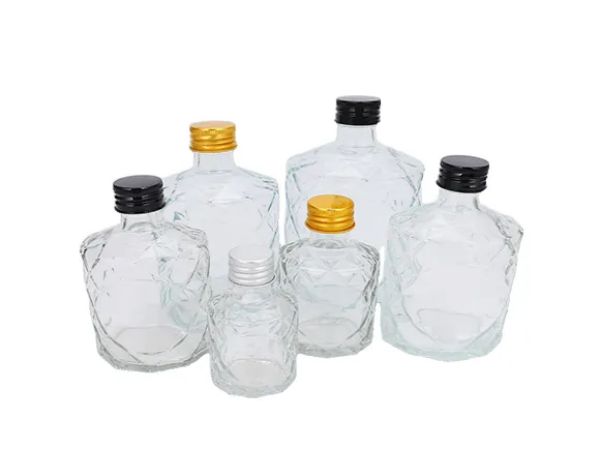
Review visible chips, checks, scratches, seams, base conditions, distortion and decoration damage under defined viewing conditions. Separate cosmetic observations from conditions that may affect process or safety. Photograph relevant findings and quarantine suspect units before filling so later symptoms are not assigned to the wrong stage.
Step 3: Confirm Applicable Container Evidence
ASTM F2179-26 covers performance requirements and associated methods for glass containers produced for use as candle containers. Qualified owners should obtain and apply the current standard within its scope. PauPack connects manufacturer documentation to the identified article rather than citing an obsolete revision or an unrelated glass accessory.
Step 4: Build the Finished-Candle Development Plan
Vessel evidence does not replace evaluation of the finished candle. Define wax, fragrance, dye, wick, fill, cure, trim, burn environment, use sequence and observable failure conditions with responsible specialists. PauPack keeps these product decisions in a separate but linked record so the glass supplier is not asked to approve a candle formulation.
Step 5: Review Decoration and Process Contact
Coatings, labels and printing encounter preheating, filling, cleaning, fixtures, gloves, packing and consumer handling. Map contact zones and inspection points. Record whether a color or finish changes heat absorption, hides cracks or creates equipment contact; qualified teams decide which observations require additional work.
Step 6: Challenge the Complete Pack for Its Route
Define lid or dust cover, carton, insert, divider, orientation, case count and pallet assumptions. Select packed-product work around the actual distribution objective. PauPack preserves the tested configuration because a change in tray fit or case compression can affect a vessel that looked acceptable in isolation.
Step 7: Preserve Evidence and Write Change Triggers
Retain passed and failed samples, photographs, conditions, methods, decisions and limitations. State which changes to glass, mold, decoration, candle system, filling, case or route require review. PauPack turns the completed candle vessel testing file into a release boundary rather than a permanent promise.
The Seven-Witness Matrix
| Witness | Primary evidence | Question answered |
|---|---|---|
| Glass maker | Identity and manufacturing records | What vessel was supplied? |
| Decorator | Process and masters | What changed at the surface? |
| Candle developer | System and use plan | How does the finished candle behave? |
| Filling line | Process observations | What happens during production? |
| Quality | Inspection and deviations | What is released? |
| Logistics | Packed-product results | How is it protected? |
| Change owner | Trigger matrix | When must evidence be reopened? |
Do Not Let a Heat Gun Become a Universal Method
Uncontrolled demonstrations can create impressive failures without representing manufacturing, burn use or distribution. Record equipment, calibration, sample state, rate, environment and purpose for every method. PauPack rejects “harsh equals safe” logic and asks whether the condition supports a defined decision inside the intended product boundary.
Separate Residual Stress From Impact Damage
A crack is a symptom, not a root cause. Preserve the unit and sample history before assigning annealing, thermal shock, scratching, impact, fill process or use. Candle vessel testing becomes stronger when variables are held stable and the next review targets one interpretable interface instead of repeating everything at once.
Write a Color and Decoration Change Rule
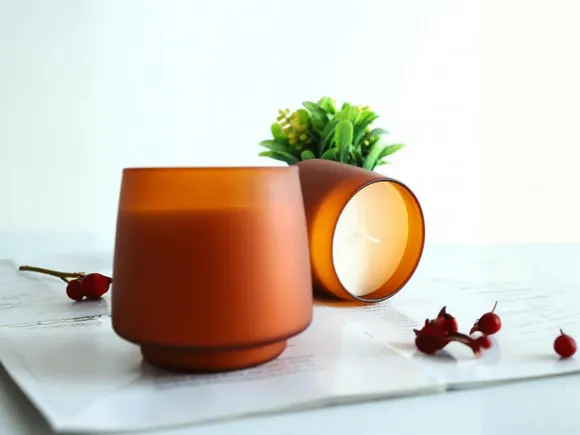
A new coating, glass color, opacity, print coverage or label may affect viewing, heat absorption, adhesion or pack contact. The responsible team decides what must repeat. PauPack keeps the original and changed samples together and prevents a successful clear-vessel result from being copied automatically to every decorative variant.
Plan Enough Samples for Learning
Allocate units for setup, methods, comparison groups, failures, destructive review and retained references. State what happens if a unit is damaged before the relevant stage. PauPack makes sample demand visible before ordering so the program does not stop halfway and replace matched production glass with convenient but incomparable pieces.
Build a Failure-Evidence Packet
When a failure appears, collect vessel and candle codes, lot, process history, conditions, photographs, remaining wax, case information and the returned unit where available. Avoid guessing at consumer use. PauPack routes the packet to qualified owners and compares it with controls and retained samples before corrective action is proposed.
Connect Inspection to the Release Window
Receiving and production teams need a concise current instruction: approved code, critical visible references, sampling plan, quarantine triggers and escalation contacts. They do not need to interpret the entire development archive. PauPack converts candle vessel testing conclusions into an operational window without losing the supporting file.
Let the Witnesses Disagree on Paper
A useful file preserves disagreement instead of flattening it. The glass maker may confirm the identified container evidence while the candle developer still requires finished-product work; logistics may accept the master case while decoration raises an abrasion concern. PauPack records each statement with its scope, sample identity and owner. This prevents one narrow pass from becoming a universal approval and gives the project lead a clear list of remaining decisions.
Distinguish a Deviation From a New Design
When a finding appears, ask whether the unit is outside an approved limit, whether the limit was never defined, or whether the commercial design has changed. The response differs: quarantine and investigate a deviation, establish evidence for an undefined boundary, or reopen affected work for a new design. PauPack keeps candle vessel testing efficient by naming the decision before requesting more samples. Repeating every activity without a hypothesis consumes glass and time while producing little learning.
Write a One-Page Release Narrative
The final page should identify the vessel, candle system, decoration, packed configuration, work completed, accepted limits, unresolved restrictions and change triggers. Link it to the full records rather than copying technical detail into a summary. PauPack gives purchasing and production a current release narrative while qualified specialists retain ownership of methods and conclusions. A new team member can see what the evidence supports, what it does not support and whom to contact before a change. Good candle vessel testing leaves a readable boundary, not just a folder.
Reopen the Bench When an Interface Changes
Review supplier, glass composition, mold, geometry, annealing route, decoration, wax, fragrance, wick, fill, process, case and distribution changes. Decide which evidence remains applicable and what must repeat. PauPack links the decision to its candle jar portfolio and quality process.
Ask PauPack for a Controlled Test-Bench Packet
Send vessel identity, candle-system details, decoration, process, destinations, packed configuration and the decisions the program must support. PauPack can organize candle vessel testing samples, evidence owners and change triggers so creative, technical, production and purchasing teams are working from the same identified system.
Frequently Asked Questions
What is the first step in testing a candle container?
Identify the exact glass, lot, decoration, intended candle system and question before collecting observations.
Does a glass standard approve the finished candle?
No. Container evidence and finished-candle development answer different questions and must be connected by qualified owners.
Why should empty jars be inspected before filling?
Pre-existing chips, scratches, residual stress concerns or decoration damage must be separated from outcomes created during later work.
Should every color be reviewed separately?
Review changes to glass color, coating, decoration process and heat absorption according to the approved risk and evidence plan.
How many samples are required?
The responsible technical team should define quantities based on method, variation, decisions, controls, failures and retained references.
Can one burn test cover every wax and wick?
No. Wax, fragrance, dye, wick, fill, geometry, use and environment form a specific candle system.
What should happen to failed vessels?
Identify, quarantine, photograph and preserve them before destructive review so symptoms remain connected to sample history.
How should packed-product work be selected?
Choose procedures around the actual packaged candle, route and distribution objective with qualified owners.
When should testing be repeated?
Review changes to vessel source, mold, decoration, candle formula, wick, fill, process, case or distribution route.
What should a candle brand send PauPack?
Send vessel drawings, candle-system details, decoration, process, destinations, case plan, timeline and the decisions the evidence must support.