

The rise of reusable glass packaging
In today's environmentally conscious world, the need for sustainable packaging solutions is more evident than ever. Consumers and brands alike are prioritizing eco-friendly practices, and reusable glass packaging is leading the way. With the adoption of refillable glass containers, the company has not only responded to consumer needs, but has also made significant progress in sustainability. The versatile design and functionality of glass packaging make it an ideal choice for consumers and businesses striving to reduce their carbon footprint.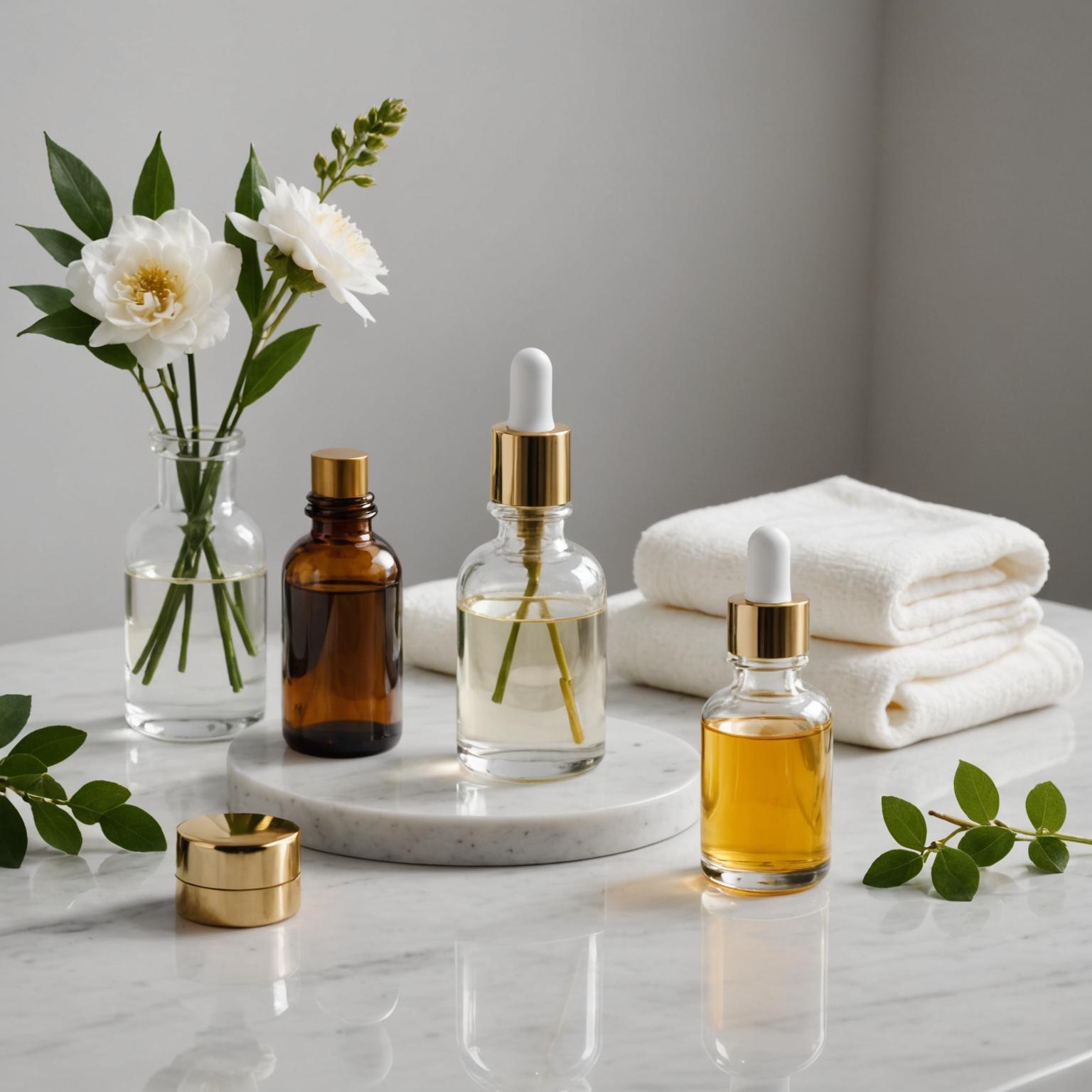
Why choose refillable glass containers?
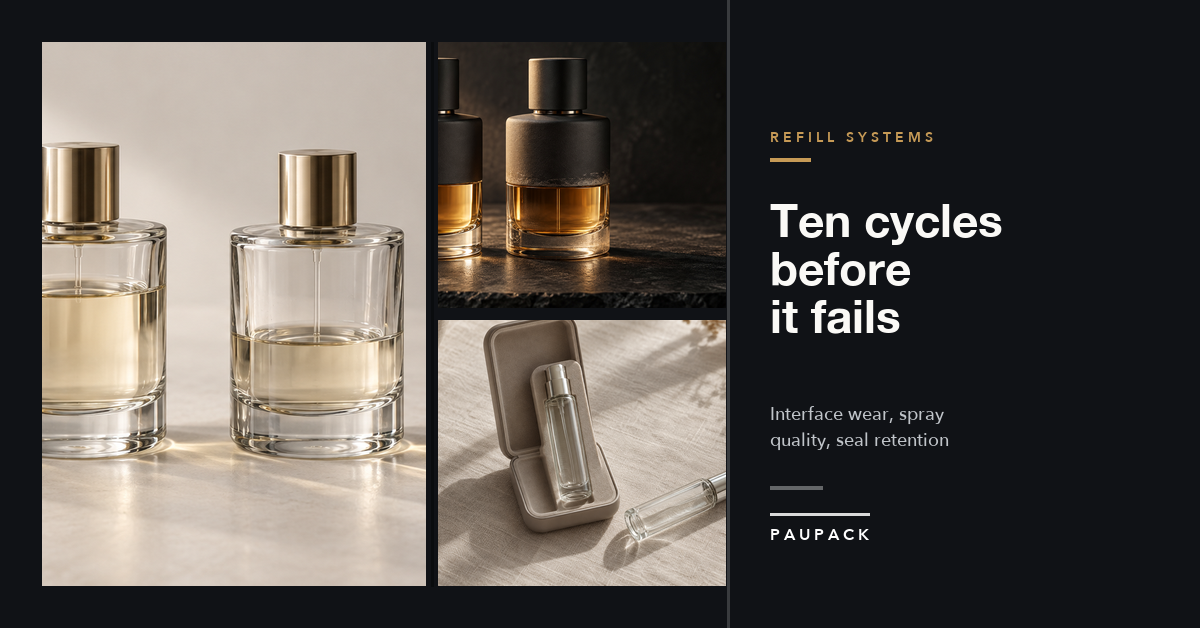
Refillable glass containers are not only elegant but also functional, offering several advantages over traditional packaging. First of all, the aesthetic appeal of glass cannot be overstated; The crystal clear transparency of glass packaging allows consumers to see and appreciate the products inside, thereby increasing their perceived value. Glass is also highly durable and recyclable, ensuring that the materials used do not generate landfill waste. Additionally, the use of refillable glass solutions can increase brand loyalty, as consumers are more likely to return to brands that offer eco-friendly alternatives. By eliminating the need for single-use containers, brands can significantly reduce waste and greenhouse gas emissions.
An elegant solution for skincare packaging
A prime example of a refillable glass container is a glass essential oil bottle, which embodies style and practicality. Made from high-quality glass, these bottles are designed to maintain the integrity and potency of their contents, whether it's a luxurious essential oil or a potent serum. Glass essential oil bottles offer more than just functionality; It is a beautiful object to enhance any skincare regimen. The metallic gold-toned necklace adds a touch of luxury, while the ergonomic dropper allows for precise application, making it ideal for personal use or as a luxury gift.
Inspire the environment through design
In addition to practical applications, packaging design also plays a vital role in shaping the consumer experience. For example, glass bottles of essential oils are often displayed against a serene backdrop, such as delicate white tulips and soft gold tiles, to convey purity and sophistication. This deliberate setting not only highlights the luxurious appeal of the bottle, but also resonates with consumers who are looking for a harmonious balance between elegance and sustainability. Such a careful design choice underscores the importance of creating an inspiring environment that elevates products and packaging to an art form.
Reusable packaging system
The future of packaging lies in the adoption of reusable packaging systems that significantly reduce their environmental impact. By investing in refillable glass containers, businesses can align with consumer values while promoting long-term sustainability. The inherent advantages of glass make the transition to a reusable packaging system much easier, such as its ability to clean and reuse without degradation. In addition, these systems provide consumers with a sense of empowerment who can contribute to reducing waste by refilling containers. As more and more companies adopt refillable glass solutions, the collective impact can lead to significant resource and energy savings.
Conclusion: Redefining packaging with a purpose
The shift to sustainable practices is not just a trend, but a necessary evolution for the benefit of the planet and its inhabitants. The adoption of reusable glass packaging, especially in industries such as skincare, offers an opportunity to redefine the role of purposeful packaging. As we continue to support this movement, it's important to recognize that every step towards sustainability reflects a dedication to creating a better world. By opting for refillable glass containers, brands and consumers can contribute to a healthier planet while still indulging in products that embody elegance and sophistication. In packaging, aesthetics and sustainability are no longer mutually exclusive, but complementary.