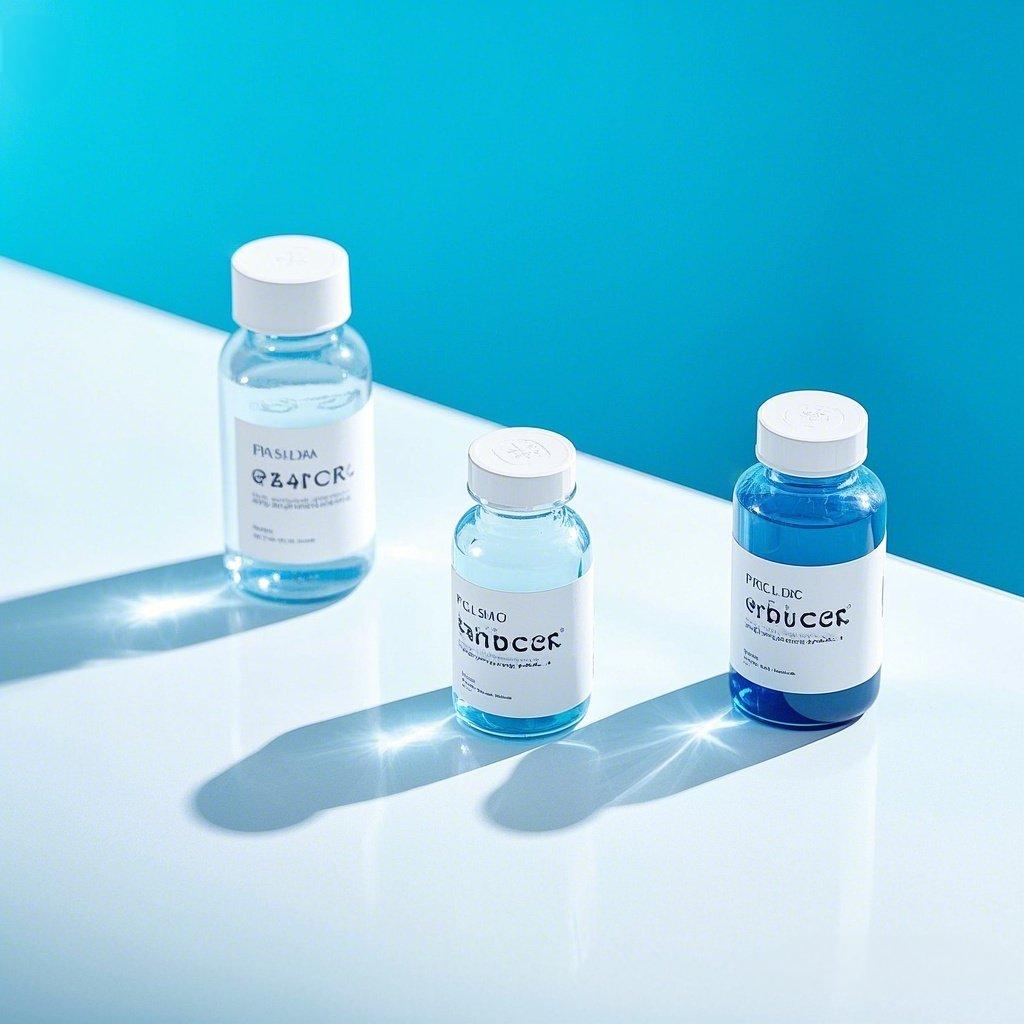
A PLA bottle manufacturer should begin with a claim boundary, not a green adjective. PauPack separates material identity, conversion process, package performance and end-of-life pathway so brands can see which statements are supported, conditional or outside the supplier's control.
Boundary 1: Identify the Material Without Shortcuts
Record polymer grade, supplier, additives, colorants, recycled or bio-based content definitions and component scope. Similar-looking bottles can have different material routes. Request appropriate supplier declarations and keep marketing language aligned with the exact bottle, closure and label being sold.

Boundary 2: Connect Resin to Conversion Conditions
Document drying, molding or forming route, color range, tool reference, dimensional criteria and lot traceability. Process conditions can affect appearance and package function. PauPack's quality management framework links material identity to production and finished inspection records.
Boundary 3: Approve the Bottle as a Complete Use System
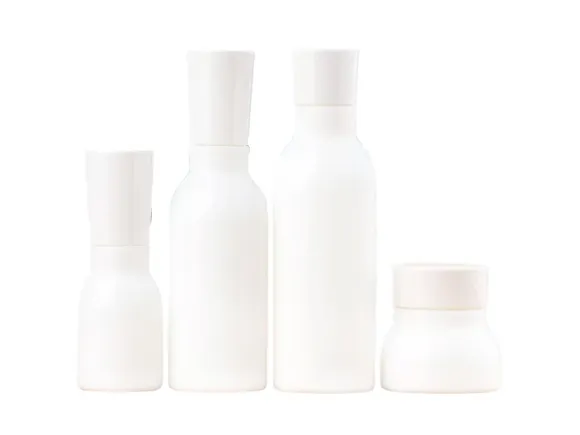
Identify closure, liner, pump or sprayer, decoration and assembly. Product owners should define formula, filling, storage, distribution and shelf-life requirements. PauPack's product portfolio helps compare PLA with other material routes while keeping performance questions application-specific.
Boundary 4: End-of-Life Language Needs Conditions
A responsible PLA bottle manufacturer should not imply that every package will biodegrade in any environment. Compostability claims may depend on recognized test methods, industrial facilities, local collection, component separation and market rules. Brand owners should obtain qualified advice and describe access limitations clearly.
| Claim area | Evidence owner | Key condition |
|---|---|---|
| Material identity | Resin and bottle supply chain | Exact grade and component scope |
| Performance | Brand and package partners | Actual product and distribution |
| End of life | Brand with qualified review | Market infrastructure and rules |
Boundary 5: Reorders Must Preserve the Evidence Chain
Retain bottle, complete pack, drawings, resin evidence, test records, artwork and inspection criteria. Review changes to resin, additive, process, tool, closure or decoration when they may affect performance or claims.
Assign an owner and review date to every supporting record.
PauPack's sustainability program, design support, services and material decision guide support transparent choices. PauPack expects a PLA bottle manufacturer to state both the evidence and its limits.
Frequently Asked Questions
Does PLA biodegrade in every environment?
No. Conditions, facilities, standards, component design and local systems matter; claims require market-specific qualified review.
Can the closure use a different material?
Yes, but identify every component and explain separation or end-of-life implications for the complete package.
Who approves product compatibility?
The product owner should define and verify requirements with the intended formula, filling process and distribution conditions.
What changes trigger reapproval?
Review changes to resin, additives, colorant, conversion process, tool, closure, decoration or claims when relevant.