

Glass packaging MOQ is rarely one number. Plain bottles, custom color, decoration, closures, cartons and tooling can each create a different minimum.
Buyers should model glass bottle MOQ as a stack, then compare it with realistic SKU demand and cash-flow constraints.
Build the MOQ Stack
| Layer | Minimum basis | Typical decision |
|---|---|---|
| Stock glass | Bottle model and availability | Quantity by capacity |
| Custom color | Production batch or finish | Shared color across SKUs |
| Decoration | Artwork and process | Units per design |
| Closure | Cap, pump or sprayer | Shared component strategy |
| Carton | Printed version | Market and fragrance variants |
| Tooling | Production commitment | Stock versus custom route |
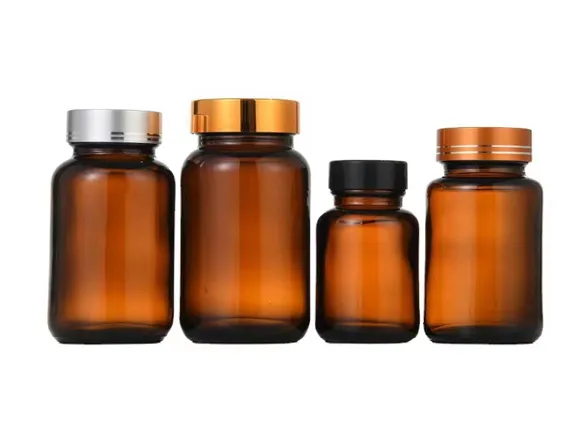
PauPack's product range helps identify stock starting points.
Route 1: Plain Stock Bottle
Use an existing bottle and standard closure. This route is useful for validation, private-label programs and brands that can differentiate through labels or cartons.
Route 2: Decorated Stock Bottle
Keep the structure but add printing, coating, frosting or custom labels. Quote each decoration separately because the minimum may apply per artwork or color.
Route 3: Custom Bottle System
New molds or proprietary components require tooling, samples and production planning. PauPack's custom bottle mold cost guide explains the development layers.
Calculate MOQ by Sellable SKU
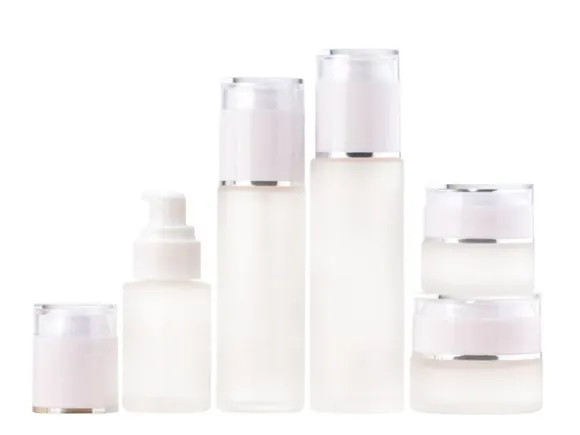
Do not divide total bottles evenly without a demand plan. Forecast each size, fragrance, color and market version, then map shared components.
Use Postponement
Hold plain bottles or shared caps longer and commit them to artwork closer to demand where the production process permits. This can reduce finished-goods risk.
Add Filling and Inspection Allowances
Plan line setup, samples, expected rejects, retained references and inspection quantities. The purchase order should not equal the exact sales forecast.
Compare Cash and Storage Effects
A lower unit price at a higher minimum can create more inventory, warehouse use and obsolete artwork. Compare total committed cash and months of supply.
Build a Reorder Trigger
Use supplier lead time, filling time, transport, safety stock and sales rate. PauPack's glass bottle lead time guide supports the schedule side of the calculation.
Request a Transparent Quotation
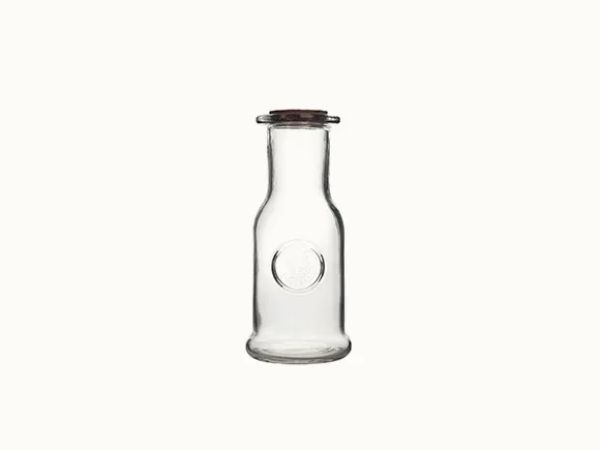
Ask for plain bottle, color, decoration, closure, carton, inspection, packing and delivery as separate lines. Use the same assumptions across suppliers.
PauPack's quality management, services and bottle manufacturing pages provide supporting project context.
The right glass bottle MOQ decision balances component minimums, realistic demand, cash, storage and reorder timing rather than chasing the lowest unit price.
Frequently Asked Questions
What usually controls glass bottle MOQ?
Glass production, color, decoration, closures, cartons or tooling may control the minimum.
Can several SKUs share one MOQ?
Shared plain components may help, but decoration and cartons can still have separate minimums.
Does a custom mold reduce MOQ?
No. Custom tooling and production commitments may increase the required scale.
What should an MOQ quotation show?
It should separate components, decoration, cartons, tooling, inspection, packing and delivery assumptions.