

Glass packaging lead time is not one factory number. It is a critical path made from specification decisions, samples, tooling when needed, decoration, production, inspection, packing and transport.
To estimate glass bottle lead time, map dependencies and approval owners before asking for a delivery date.
The Critical Path at a Glance
| Stage | Starts when | Can be delayed by |
|---|---|---|
| Specification | Commercial brief is available | Missing capacity or closure decision |
| Samples | Candidate components are selected | Unclear test questions |
| Tooling | Custom drawing is frozen | Design revisions |
| Decoration | Artwork and surface are approved | Color or print changes |
| Production | Materials and approvals are released | Component minimums or scheduling |
| Inspection | Production lot is ready | Unclear acceptance criteria |
| Shipping | Pack-out and documents are complete | Booking or destination changes |
PauPack's bottle manufacturing and services pages provide context for development and supply activities.
Gate 1: Freeze the Procurement Brief
Define capacity, material, neck, closure, color, decoration, quantity, packing, destination and required date. Mark open decisions rather than hiding them inside a request for quotation.
A supplier can estimate faster when assumptions are explicit.
Gate 2: Separate Stock from Custom Work
Stock glass with standard components usually follows a different path from custom color, decorated stock or new molds. Ask for a timeline for each configuration.
Do not compare a plain stock-bottle date with a fully decorated custom-system date.
Gate 3: Give Every Sample a Question
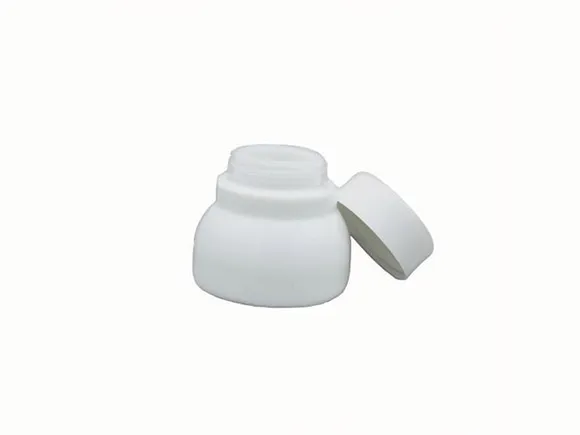
Use dimensional samples for fit, decoration samples for appearance, filled samples for product interaction and packed samples for distribution review. State who approves each one and how quickly feedback will be returned.
Unstructured sample rounds extend schedules because every stakeholder reviews different questions at the same time.
Gate 4: Control Design Revisions
Record revision number, requested change, affected components, cost effect, timing effect and new sample requirement. Freeze bottle geometry before final cartons and decoration fixtures are treated as complete.
PauPack's glass bottle prototyping guide shows how prototype stages can answer different questions.
Gate 5: Build Decoration into the Schedule
Printing, coating, frosting, labels and color development can have setup and approval steps separate from glass production. Confirm whether artwork, color standards and physical references are ready.
Schedule decorated samples early enough for photography, retailer review and carton approval without forcing production release before evidence is complete.
Gate 6: Coordinate Shared Components
A bottle may be ready while a pump, cap, collar, plug or carton is not. Build a component table with owner, supplier, minimum, sample status and required arrival date.
The final pack can only move as fast as the component on the true critical path.
Gate 7: Reserve Inspection and Pack-Out
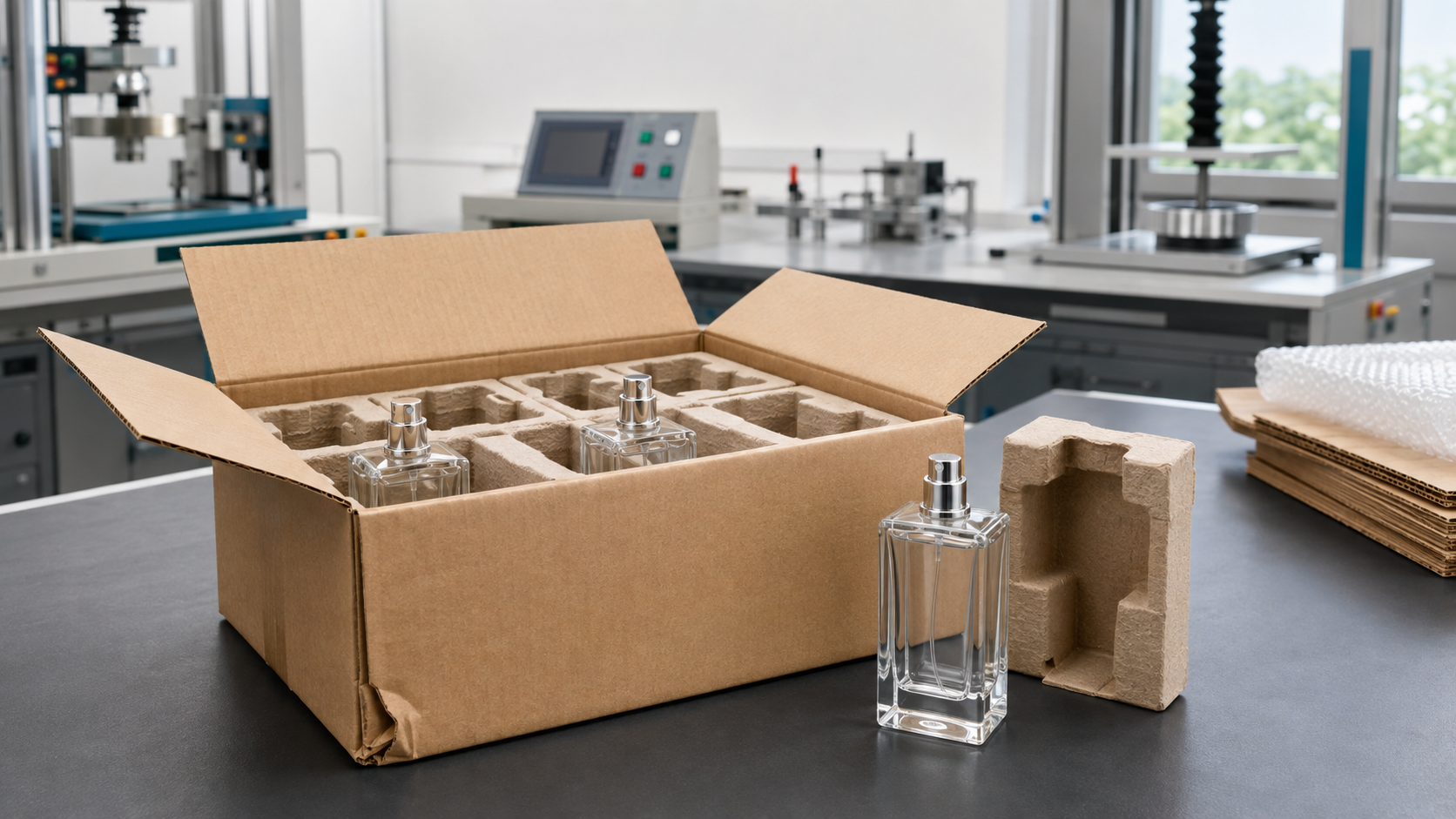
Define inspection criteria before production finishes. Confirm carton configuration, labels, pallet requirements and retained samples. PauPack's quality management can support this stage.
Gate 8: Model Transport Separately
Production completion is not destination delivery. Add export packing, documentation, booking, port or airport handling, transit, customs and final delivery assumptions. Use current quotations from logistics providers because routes and schedules change.
Use Three Dates, Not One
Track:
- Target date: the business goal
- Committed date: the agreed supplier or logistics milestone
- Forecast date: the latest evidence-based estimate
When the forecast moves, record the dependency and recovery action instead of silently changing the target.
Add Contingency Where Decisions Are Uncertain
Contingency is not a substitute for planning. Place it around known risks such as new decoration, first tooling, component synchronization or market-specific cartons.
Review the buffer at every approval gate. If an early decision finishes on time, do not automatically consume the recovered days with optional changes. Protect the destination requirement until production, inspection and transport evidence is stable.
For projects with new structural tooling, connect the schedule to PauPack's custom bottle mold cost guide. For stock components, use the packaging quality control checklist to define release evidence before the lot is ready.
Prepare a Lead-Time RFQ
Ask the supplier to return a stage-by-stage plan showing buyer approvals, supplier activities, parallel work, excluded assumptions and the trigger for each stage.
Include quantity by SKU, stock or custom status, sample needs, artwork readiness, inspection scope, packing, destination and requested delivery window.
Accurate glass bottle lead time planning comes from a visible critical path. The most useful schedule shows what must happen next, who owns it and what evidence releases the following stage.
Frequently Asked Questions
What usually changes glass bottle lead time?
Stock availability, tooling, color, decoration, components, revisions, inspections, packing and transport can all affect the path.
Does sample time belong in the production lead time?
Track it separately but include it in the total project schedule because bulk release depends on approval.
Can decoration run in parallel with bottle development?
Some preparation can overlap, but final fixtures, artwork and cartons may depend on approved bottle dimensions and surfaces.
What information is needed for a reliable timeline?
Provide specifications, quantity, customization, approvals, packing, destination, required date and decision owners.