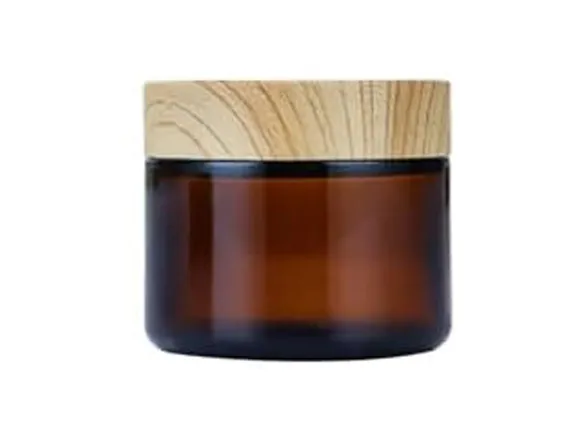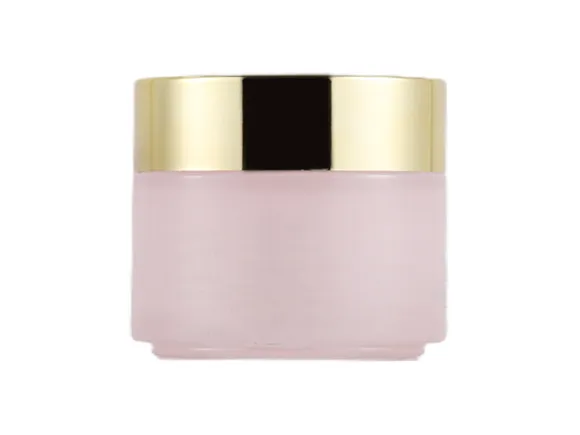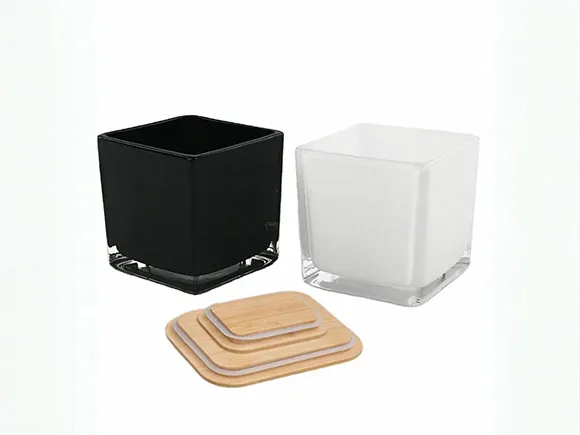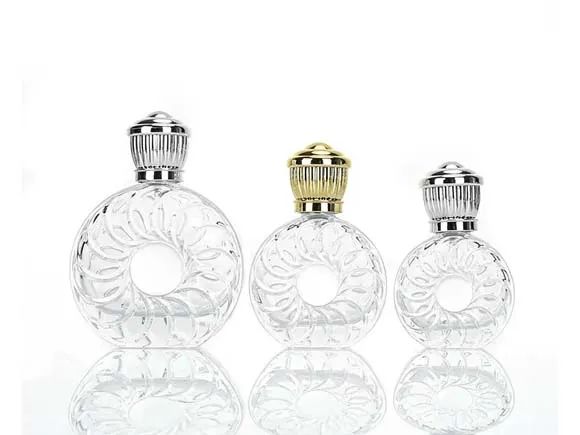


PauPack organizes cosmetic jar sample testing as a controlled release sequence. The goal is not to make one sample look acceptable; it is to prove that an identified jar, closure, formula, process and pack can move forward together.
Use these 12 checks in three stages, recording sample codes, conditions, observations and the approve, revise or reject decision.
Stage A: Identify and Measure
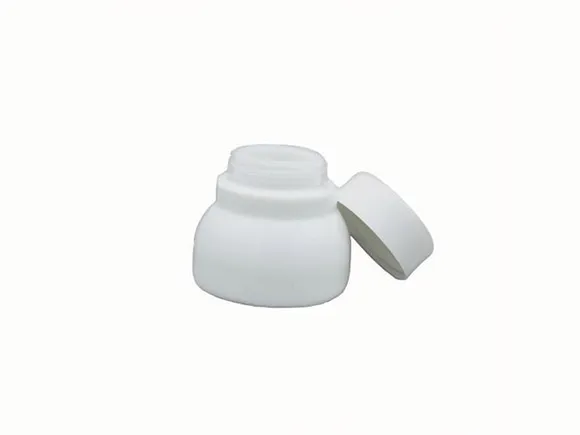
- Freeze sample identity. Record jar, closure, liner, decoration and supplier lot codes.
- Check dimensions. Compare capacity, height, diameter, neck and weight with the drawing.
- Inspect appearance. Review rims, threads, bases, glass distribution and visible defects under consistent lighting.
- Confirm filled presentation. Fill the actual formula to approve headspace, access and label relationships.
PauPack's glass cream jar range and jar size guide support candidate selection before testing begins.
Stage B: Exercise the Complete Pack
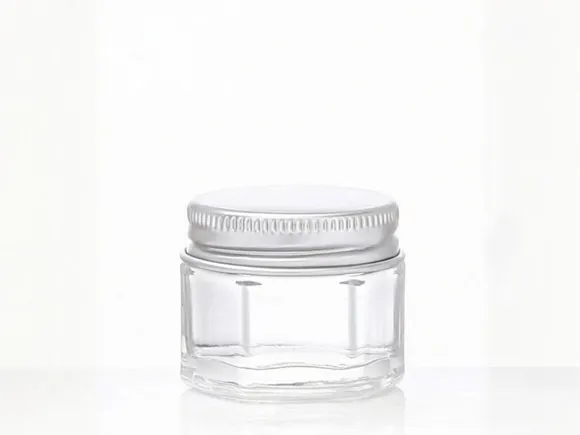
- Apply the closure. Use the intended capping method and record installed fit.
- Run compatibility work. The product owner defines formula-contact and storage conditions.
- Simulate consumer use. Review opening, product access, residue and reclosing over the intended use pattern.
- Test decoration contact. Check printing, coating or labels after filling, handling and normal pack contact.
| Release card | Required record |
|---|---|
| Identity | Component and lot codes |
| Method | Conditions and equipment |
| Result | Measurements and observations |
| Decision | Approve, revise or reject |
Stage C: Prove the Operational Handoffs
- Trial the filling line. Review stability, filling clearance and cleanliness.
- Trial capping and labeling. Confirm application, coding and artwork position.
- Pack the finished unit. Use the actual retail box, divider and shipper.
- Retain the release set. Keep empty, filled, decorated and packed samples with the approved files.
PauPack's quality management, design service and services help teams define evidence and ownership. The refillable jar guide adds multi-cycle checks when inserts are involved.
Turn Results into Purchase Controls
A cosmetic jar sample testing report should identify who approved formula compatibility, line performance, decoration and packing. Transfer the accepted measurements, defect limits and sample references into the purchase specification.
Repeat cosmetic jar sample testing when a controlled component, process, supplier or artwork condition changes. PauPack helps buyers keep the release record connected to production and reorders.
Frequently Asked Questions
How many samples should a buyer test?
Use enough identified samples to observe variation and support the buyer's risk plan; one perfect sample is not a production range.
Who approves formula compatibility?
The product owner should define and approve formula-contact, storage and consumer-use testing.
Should decorated jars be tested after filling?
Yes. Filling, handling and packing can reveal contact, adhesion or appearance issues absent from empty samples.
What triggers a sample retest?
Retest when a relevant material, component, process, supplier, artwork or pack configuration changes.