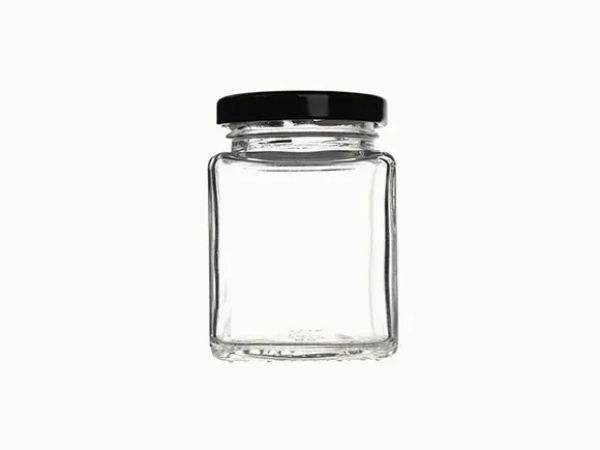


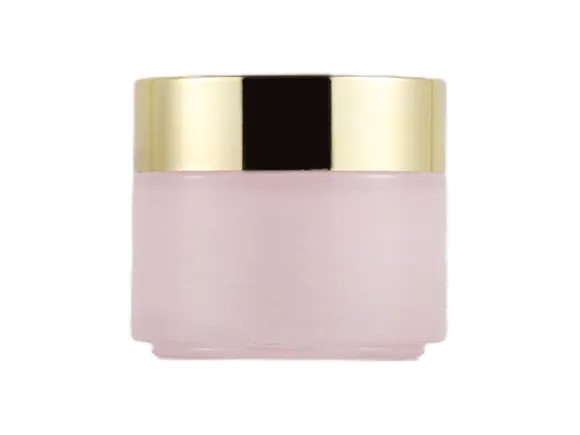
Choosing a cosmetic jar is rarely just a matter of finding a container that looks attractive in a product photograph. The jar must also match the formula, planned fill weight, closure system, decoration process, shipping conditions, and price position of the finished product.
For buyers sourcing cosmetic jars wholesale, the most reliable approach is to define these requirements before comparing quotations. Start with the formula and target capacity, choose a material and closure that can be tested as a complete system, then evaluate decoration, minimum order quantity, quality control, and landed cost.
This guide explains how to make those decisions and how to prepare a supplier brief that produces useful samples and comparable quotations.
Start with the Product, Not the Jar Catalog
A packaging catalog can show hundreds of shapes, colors, and caps. That variety is useful only after the product requirements are clear.
Before selecting a jar, answer five questions:
- What is the product format: cream, balm, mask, scrub, powder, or another formula?
- What fill weight and usable capacity are required?
- How will the customer remove and apply the product?
- What brand position should the package communicate?
- Where will the filled product be stored, shipped, and sold?
These answers narrow the search faster than choosing by appearance alone. A heavy glass jar may support a premium positioning, while a lighter plastic jar may be more suitable when weight, breakage risk, or shipping efficiency matters. Neither material is automatically correct for every product.
The package should be evaluated as a system: jar, neck finish, lid, liner or inner disc, decoration, formula, carton, and distribution method. A change to one part can affect the performance of the others.
Compare Cosmetic Jar Materials by Use Case

Material choice influences weight, appearance, decoration, handling, and the tests required before a bulk order. The table below is a starting point, not a substitute for compatibility testing with the actual formula.
| Material option | Often considered for | Main buyer value | What to verify before ordering |
|---|---|---|---|
| Clear or colored glass | Creams, balms, masks, and premium skincare | Weight, clarity, color options, and a premium tactile feel | Formula compatibility, breakage risk, color consistency, decoration adhesion, and shipping protection |
| Frosted or coated glass | Premium or minimalist skincare ranges | A differentiated surface and softer visual presentation | Scratch resistance, coating consistency, artwork contrast, and batch-to-batch appearance |
| PP plastic | Lightweight skincare and personal-care formats | Lower weight, impact resistance, and flexible component design | Resin specification, wall consistency, closure fit, formula compatibility, and color matching |
| PET or other plastic formats | Products where clarity and lower shipping weight are priorities | Visibility, lighter logistics, and broad shape options | Formula compatibility, paneling or distortion risk, closure torque, and recycling claims for the target market |
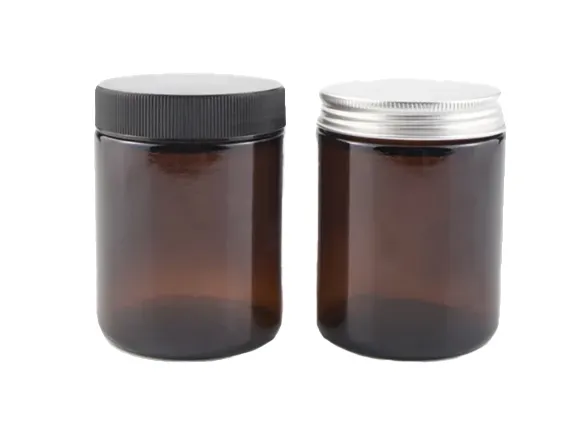
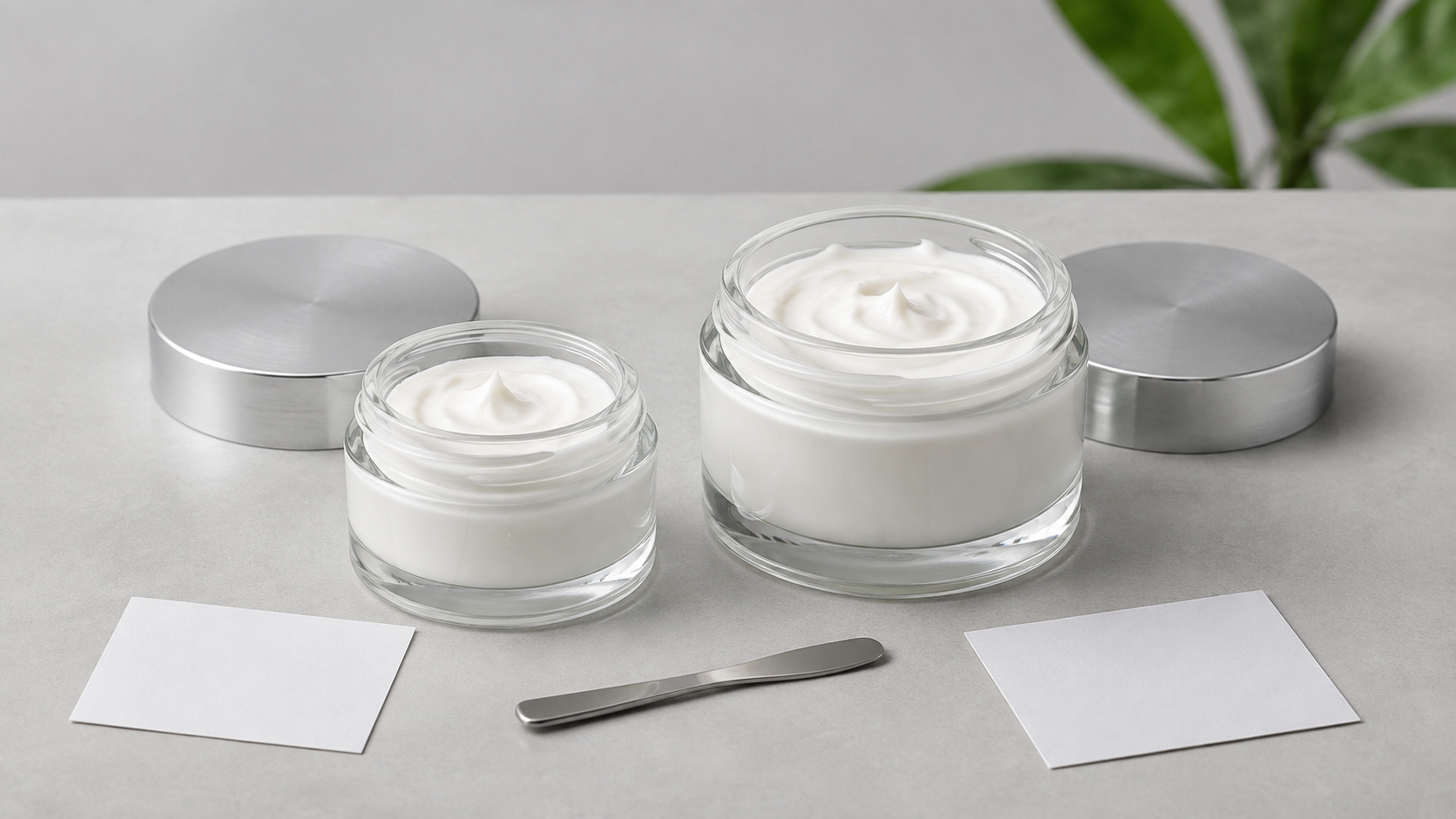
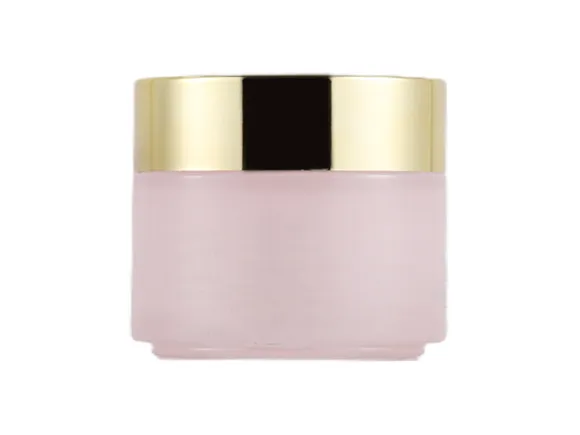
PauPack's current product range includes glass cream jars as well as individual glass and PP jar formats. Buyers should still confirm whether a specific material, color, or closure combination is available for the required order quantity.
Glass is not automatically better than plastic
Glass may provide weight, visual depth, and strong decoration potential, but it also increases shipping weight and requires appropriate protection against breakage. Plastic can reduce weight and improve impact resistance, but the resin and formula must be evaluated together.
The correct question is not "Which material is best?" It is "Which material best supports this formula, customer experience, supply chain, and brand position?"
Choose Capacity from Fill Weight and Customer Use
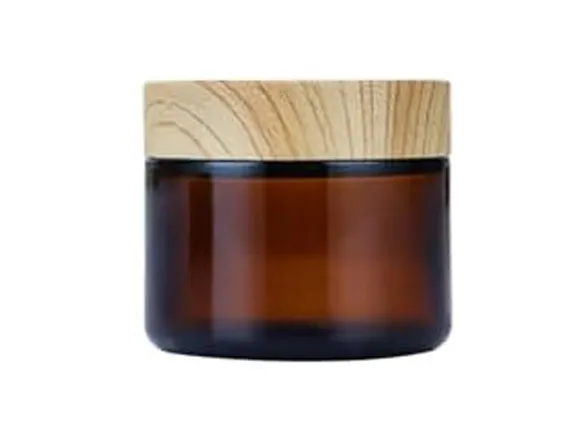
Cosmetic jar sizes are often described in grams or milliliters, but those values do not always describe the same thing. A formula's density, the required headspace, the filling process, and the jar's internal geometry all influence the final selection.
PauPack's current sitemap includes cosmetic and cream jar examples in 10g, 15g, 30g, and 50g formats. These sizes can support different roles within a product line:
| Example size | Possible product role | Buyer questions to resolve |
|---|---|---|
| 10g to 15g | Samples, eye products, travel sizes, or concentrated treatments | Is the opening wide enough for convenient use? Does the package still feel substantial at a small scale? |
| 30g | Targeted creams, masks, or mid-size skincare products | Does the fill level look intentional? Is there enough label or printing area? |
| 50g | Full-size face creams, moisturizers, balms, or masks | Is the jar comfortable to hold and use? Does the closure protect the formula during repeated opening? |
Do not approve a capacity from a catalog number alone. Ask the supplier for the brimful capacity, recommended fill range, jar dimensions, opening diameter, and sample units. Then conduct a fill test with the actual formula.
If a product line uses several capacities, the jars should also be reviewed as a family. Similar proportions, cap finishes, colors, and decoration placement can make different SKUs feel connected even when their volumes differ.
Treat the Lid and Liner as Part of the Package
Many packaging problems blamed on the jar actually begin at the closure interface. The lid must fit the jar correctly, maintain the intended appearance, and perform under filling, transport, storage, and customer use.
Common closure decisions include:
- Plastic, metal-look, aluminum, wood, or bamboo-style outer finishes
- Smooth, ribbed, or decorative sidewalls
- Inner discs or protective covers
- Foam, PE, or other liner systems where appropriate
- Color-matched or contrasting caps
- Thread fit and target application torque
A visually compatible lid is not necessarily a technically compatible lid. Before placing a wholesale order, test the exact jar and lid combination supplied for production. Confirm thread engagement, opening and closing feel, liner position, torque, leakage resistance, and any visible gap between the components.
For a wider product-format comparison, see Glass Cream Jars vs Lotion Bottles. A pump bottle may be more appropriate when controlled dispensing or reduced finger contact is central to the product experience.
Select Decoration After the Base Package Is Approved
Decoration should strengthen the brand without hiding problems in the base package. Approve the jar shape, material, dimensions, closure fit, and basic compatibility before finalizing decorative samples.
Common cosmetic jar decoration methods include:
- Screen printing for direct text and simple graphics
- Hot stamping for metallic accents
- Spray coating for custom colors or gradients
- Frosting for a matte or translucent appearance
- Labels for flexible artwork and shorter development cycles
- Metallized or decorative caps for a stronger shelf signal
Each method has different artwork, color, durability, and order-quantity implications. For example, a pale logo may lose contrast on a frosted surface, while a metallic detail may appear different under retail lighting than it does on a digital proof.
Request a decorated sample or production-equivalent approval sample whenever possible. Review it in normal indoor light, strong display light, and photography conditions. Check logo position, color consistency, legibility, surface adhesion, scratches, and fingerprints.
Brands developing a custom visual system can also review PauPack's custom bottle design service and bottle manufacturing process before preparing a project brief.
What Changes the MOQ and Cost of Cosmetic Jars Wholesale?
There is no single useful MOQ answer for all wholesale skincare containers. Minimum order quantity can change with the jar model, material, color, closure, decoration, tooling, production schedule, and carton requirements.
A quotation should separate the major cost drivers:
- Stock jar or custom mold: Existing molds usually reduce development work. A unique shape may require tooling and a longer approval process.
- Standard or custom color: A stock clear, amber, white, or black option may differ from a matched custom color.
- Closure choice: Cap material, liner, inner disc, finish, and color can materially change the package cost.
- Decoration: Printing colors, coating coverage, hot stamping, labels, and multiple processes add setup and inspection requirements.
- Samples: Plain samples, decorated samples, prototypes, and courier costs should be clarified.
- Packing configuration: Dividers, trays, individual protection, export cartons, and palletization affect both cost and damage risk.
- Quality requirements: Inspection scope, acceptable tolerances, documentation, and third-party testing should be agreed before production.
- Freight and duties: A low unit price may not remain low after shipping, insurance, import costs, and losses are included.
Compare quotations only after suppliers are responding to the same specification. Otherwise, the lowest price may simply represent a different jar, lighter component, simpler decoration, weaker packing method, or narrower inspection scope.
Use a Sample Approval Checklist Before a Bulk Order
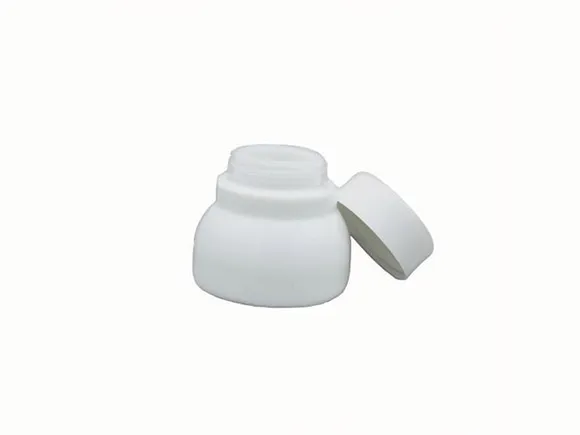
Samples provide more value when they are reviewed against written acceptance criteria. A practical cosmetic jar sample check should include at least the following:
- Confirm the jar and lid match the approved model and material.
- Measure the critical dimensions and opening diameter.
- Check the empty jar weight and visible wall consistency.
- Fill the jar with the actual product at the intended fill weight.
- Observe headspace, product appearance, and customer access to the formula.
- Close the lid using the intended process and evaluate thread engagement.
- Check the liner or inner disc position after repeated opening and closing.
- Store samples in the expected orientations and conditions.
- Inspect for leakage, distortion, discoloration, odor, or visible formula change.
- Review printing, coating, frosting, and cap color under multiple lighting conditions.
- Pack samples in the proposed carton configuration and conduct appropriate handling or transit evaluation.
- Record the approved sample, version, date, artwork, color reference, and acceptance notes.
The required tests depend on the formula, target market, claims, and distribution channel. Packaging suppliers can provide component information, but the brand or product owner remains responsible for confirming that the final filled package meets applicable requirements.
For a more detailed jar-focused process, read the cream jar packaging sample testing guide. PauPack also describes its broader quality management approach.
Avoid Five Common Wholesale Sourcing Mistakes
1. Selecting by appearance before confirming the formula
A jar can look correct and still be unsuitable for the actual fill, customer use, or shipping environment. Begin with product requirements and verify them through testing.
2. Using one jar specification for every SKU
A dense balm, light cream, powder, and scrub may require different opening sizes, liners, capacities, or dispensing formats. Standardization is useful only when it does not weaken product performance.
3. Approving artwork before approving components
Artwork placement can change when the jar dimensions, cap height, frosting area, or print method changes. Confirm the component set before releasing final artwork.
4. Comparing only the unit price
Unit price does not show mold cost, decoration setup, sample cost, packing, freight, duties, inspection, replacement risk, or the cost of a delayed launch.
5. Leaving acceptance standards until production is complete
Terms such as "premium quality" are difficult to inspect. Written specifications, tolerances, reference samples, color standards, defect classifications, and packing instructions create a clearer basis for approval.
Prepare a Complete Cosmetic Jar RFQ
A clear request for quotation saves time and makes supplier responses easier to compare. Include the following information:
- Product type and a short formula description
- Target fill weight and preferred jar capacity
- Required jar material and color
- Preferred shape, dimensions, and opening diameter
- Lid material, color, finish, liner, and inner disc requirements
- Decoration method, artwork file, print colors, and finish references
- Estimated order quantity by SKU
- Stock mold or custom design preference
- Target market and distribution channel
- Compatibility, leakage, decoration, and transit testing expectations
- Individual packing, carton, pallet, and labeling requirements
- Required sample type and approval process
- Target production and delivery window
- Destination country or port for freight planning
If some details are not yet known, identify them as open decisions rather than leaving them out. A supplier can then recommend options without assuming that a recommendation has already been approved.
Stock Jars or Custom Development?
The right development route depends on launch timing, differentiation needs, order volume, and budget.
| Route | Usually fits | Advantages | Limitations to consider |
|---|---|---|---|
| Stock jar with standard cap | New brands, pilot runs, fast product extensions | Faster selection, lower development complexity, easier sampling | Less structural differentiation and possible similarity to other brands |
| Stock jar with custom decoration | Brands that need visual differentiation without a new mold | Custom color, printing, labels, frosting, or cap treatments | Decoration setup, color approval, and higher MOQ may still apply |
| Custom jar or component development | Established lines with a clear volume plan and distinctive packaging brief | Greater control over shape, proportions, and brand recognition | Tooling, prototype review, technical validation, and longer development planning |
A custom mold is not automatically the best choice for a premium launch. A well-selected stock jar with disciplined color, decoration, closure, and secondary packaging can create a coherent brand experience with less development risk.
Build the Purchase Decision Around Evidence
When comparing cosmetic jars wholesale suppliers, the most useful partner is not simply the one with the largest catalog or lowest initial quotation. Buyers should look for clear specifications, responsive sample support, consistent component matching, practical decoration guidance, documented quality checks, and a realistic production plan.
Start with a written brief. Shortlist jars that fit the formula and customer experience. Test the complete package. Approve measurable standards. Then compare total cost and production readiness.
PauPack offers a range of health and beauty packaging, including cosmetic and cream jar formats. To evaluate options for a new project, send the target capacity, material, closure, decoration, quantity, formula type, and destination. This gives the packaging team enough information to recommend relevant jars, prepare samples, and build a project-specific quotation.
Frequently Asked Questions
What information is needed to request cosmetic jars wholesale?
Provide the product type, target fill weight, jar capacity, material, color, closure, decoration, estimated quantity, destination, and required testing. Include the formula or compatibility requirements when confidentiality and project procedures allow.
What is the minimum order quantity for wholesale cosmetic jars?
MOQ varies by jar model, material, color, cap, decoration, and whether custom tooling is required. Request separate quantities and pricing for plain stock components, decorated stock components, and fully custom development.
Are glass cosmetic jars better than plastic jars?
Not in every situation. Glass can provide weight and strong visual presentation, while plastic can reduce shipping weight and improve impact resistance. The final choice should be based on the formula, use experience, supply chain, testing results, and brand position.
Which cosmetic jar size should a skincare brand choose?
Choose the size after testing the actual formula at the intended fill weight. Review usable capacity, headspace, opening diameter, customer access, label area, and how the jar fits with other SKUs in the product line.
Can wholesale cosmetic jars be customized with a logo and brand colors?
Many jar programs can use printing, labels, coating, frosting, hot stamping, or customized cap finishes. Available methods and MOQs depend on the selected component and artwork. Approve a decorated sample before bulk production.
What should be tested before approving a cosmetic jar?
Test the complete package with the actual formula. Review fill level, compatibility, closure fit, liner position, leakage, repeated use, decoration durability, packing protection, and transit conditions relevant to the sales channel.